
'Understanding Unit Testing in Python' by terieyenike python pythonprogramming
sums the values which print its total using the f-strings to get the outputPython comes with a built-in standard library module called unittest, which provides tools for constructing and running tests for your code.
The main aim of unit testing is to check if all the code functions perform as expected. A test case is a standard way to work with a unittest, with functionalities available in the test name class. Also, a test case is essential in the component code for individual unit testing. It uses different assert methods to check for and report failures immediately after running the code.Before creating the test file for writing all the test cases for the# main.py def add_sum: try: return int + int except ValueError as err: return errstatement that handles exceptions in your code alerts you if there is an error in the except block. This method in programming helps catch errors and points you to the specific line number where the error occurred. Now, create a test file in the same directory called test.py. In this file, copy and paste the following code: # test.py import unittest from main import add_sum class MainTest: def test_do_stuff: result=add_sum self.assertEqual if __name__=='__main__': unittest.mainImport the unittest and function you want to test Unittest works by creating a class containing the tests for the add_sum function, which inherits inside the class what unittest gives, which is the unittest.TestCase Define a function with the self keyword in the test_do_stuff that represents the instance of the class Within the test_do_stuff test method, declare a variable and pass in the two arguments with different values The last line uses the unittest assert method, assertEqual, which verifies that the arguments you pass from the result variable match the result you expect to receiveRemember to start every method with the “test_” as the test.py runs automatically.Whenever you run a test, all the checks are expected to pass with an OK message in the console, meaning it was successful.During development and testing, there should be scenarios for failure. Doing this shows that every program has vulnerabilities and bugs.# test.py import unittest from main import add_sum class MainTest: # other test def test_do_stuff2: result=add_sum self.assertEqual if __name__=='__main__': unittest.mainFAIL: test_do_stuff2 ---------------------------------------------------------------------- Traceback : File "test.py", line 11, in test_do_stuff3 self.assertEqual AssertionError: ValueError with base 10: 'hulu'") !=5 From the output above, the following can be resolved by reading the error code and correcting the code accordingly:Next is the assertion error, which gives a value error signifying that the string ‘hulu’ is not a valid literal, knowing that in the main.py file, the two values are with the type of int With this step, you know what to correct to make the code run the test OK with the correct values to pass to make the code successful.When you have many files and different modules created, and you need to test all of them simultaneously instead of the default trying a single file, you can use this command to run all the tests simultaneously., which shows you the tests that are OK and the ones that failed.test_do_stuff ... ok test_do_stuff2 ... ok ---------------------------------------------------------------------- Ran 2 tests in 0.000s OKUnit testing should be a practice done by the QAs and developers involved in writing and shipping code whenever a new feature is released before the users get to use the app. Doing tests regularly or periodically should not be an afterthought but build trust in how functional and efficient the app works. This article gave you an overview of why tests are essential in development and how to use unit tests to check the code function and meet a standard specification for users before deployment to production.
United States Latest News, United States Headlines
Similar News:You can also read news stories similar to this one that we have collected from other news sources.
 How to Create a Random Password Generator Using Python | HackerNoonCreate a random password generator using Python by generating a combination of letters, numbers, and symbols as characters scrambled together
Read more »
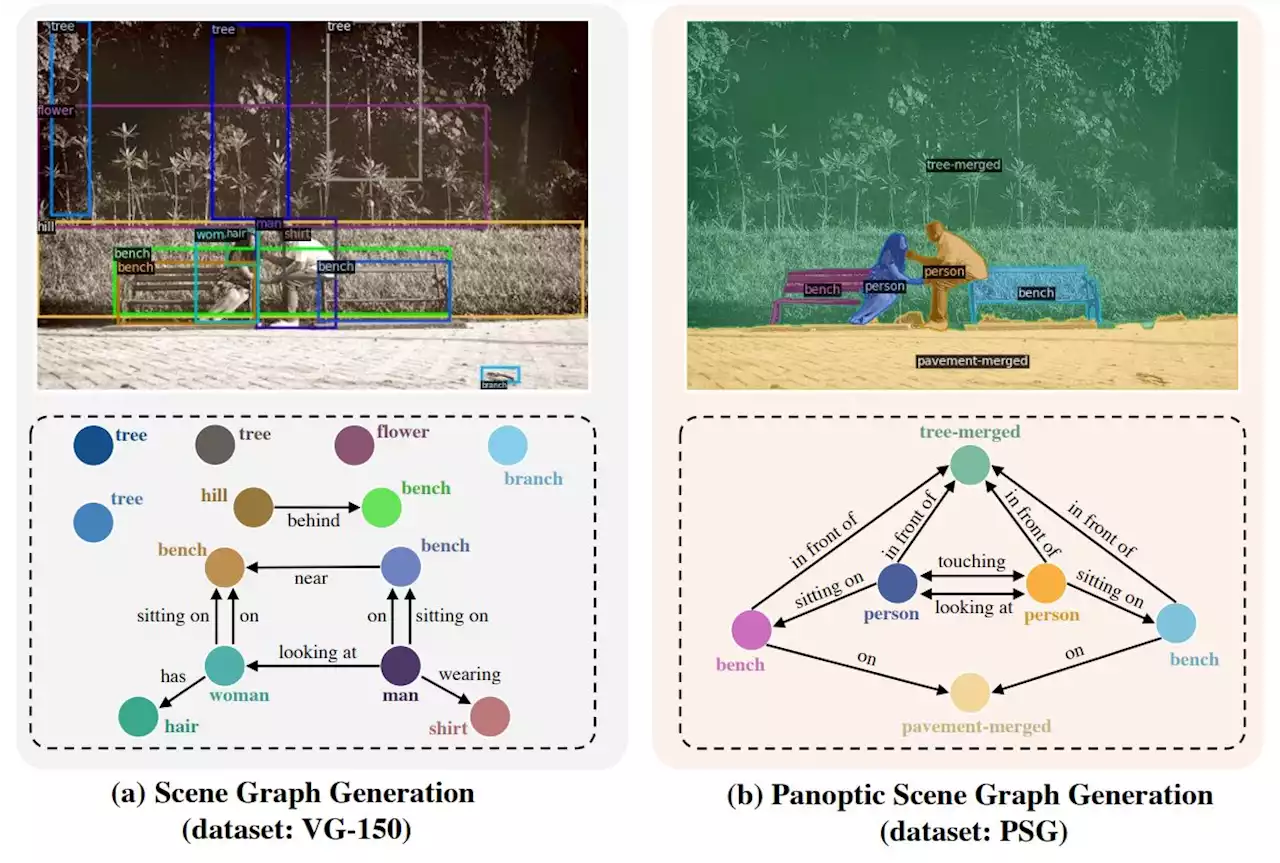 PSG is a New Task for AIs Requiring Higher Levels of Understanding | HackerNoonPanoptic scene graph generation, or PSG, is a new problem task aiming to generate a more comprehensive graph representation of an image or scene based on panoptic segmentation rather than bounding boxes. It can be used to understand images and generate sentences describing what's happening. This may be the most challenging task for an AI! Learn more in the video...
Read more »
 Truth And Knowledge | HackerNoonAn Essay Concerning Humane Understanding, Volume II: Book IV, Chapter VI, by John Locke is part of HackerNoon’s Book Blog Post series.
Read more »
 The Count of Monte Cristo, Illustrated: Chapter 50 - The Morrel Family | HackerNoonThe Count of Monte Cristo,Volume Three, Chapter 50: The Morrel Family by Alexandre Dumas, père is part of HackerNoon’s Book Blog Post series.
Read more »
 Understanding Inflationary Bias in DeFi | HackerNoonCognitive bias is a well-known pattern of deviation from a rational judgment or conclusion. This is also happening every day in DeFi.
Read more »