
As Russia intensifies its war in Ukraine, Ukrainian government officials and European allies are exploring ways to ensure Ukraine's security in the future. One prominent idea gaining traction involves stationing thousands of European troops in Ukraine as a deterrent against further Russian aggression, though this proposal faces opposition from Moscow.
With Russia wearing down Ukraine’s stretched forces and President Trump pressuring the two sides to end their nearly 3-year-old war, the Ukrainian government and some of its European allies are discussing how that might be achieved in a way that would guarantee Ukraine’s future security.
Several ideas have been floated in the past, but the one currently gaining currency would station thousands of European troops in Ukraine, though not under a NATO banner, to serve as a deterrent and rapid reaction force should Russia invade again — an apparent nonstarter for Moscow. The Ukrainian government in Kyiv has signaled a willingness to consider cease-fire terms, but President Volodymyr Zelensky has said security promises from allies would be key to a just peace and that without them, it would only be a matter of time before Russia invaded again. Ukrainian officials say past agreements with the Kremlin were worthless, pointing to 2014 and 2015 pacts Russia signed after invading and illegally annexing Crimea but then broke with its February 2022 full invasion. It remains to be seen whether Russia would want to end the war while its forces appear to be on the front foot, even if they're sustaining heavy losses, or what terms the Kremlin might seek. But the rest of Europe is coming to terms with what a Ukrainian defeat would mean for its security. “This isn’t just about Ukraine’s sovereignty. Because if Russia succeeds in this aggression, it will impact all of us for a very, very long time,' U.K. Prime Minister Keir Starmer said during a recent visit to Kyiv. With Trump’s return to the White House and his threats to withdraw crucial U.S. support from Kyiv unless Europe bears more of the Ukraine burden, some European leaders have pledged their resolve. French President Emmanuel Macron said building security guarantees for Ukraine is a key responsibility for European nations, while Starmer said the U.K. would play a “full part” in any peacekeeping efforts. Ukraine considers NATO to be the most robust deterrent to Russia, but Trump and some top European leaders have poured cold water on the idea of a NATO-led peacekeeping presence in Ukraine. Among the ideas that apparently haven't gained traction was one in which allies would invest massively to arm Ukraine to the hilt to deter a future Russian assault. It would almost surely require major American support that might not be forthcoming under Trump. Another idea, suggested by Ukrainians, would have Ukraine's allies defend it from large-scale Russian air attacks, similar to how the U.S. helped defend Israel from an Iranian drone attack last year. Experts say one possible downside to this approach would be that it would expose sophisticated Western defense technology to Russian military learning. A third idea, which is getting attention, is one Macron floated nearly a year ago and is modeled on the Korean armistice. It envisages Western troops being stationed in Ukraine as a deterrent and rapid reaction force. Zelensky said there would need to be enough allied troops stationed in Ukraine to overcome Russia’s manpower advantage. Furthermore, he said, Kyiv would need sufficient flows of weapons, including long-range capabilities able to strike Moscow’s defense industrial complex, including some that are more than 620 miles deep inside Russian territory. Trump opposes the idea. Although Trump is pushing Zelensky and Russian President Vladimir Putin to “make a deal,” European leaders are grappling with questions over how much military and financial support they could theoretically offer, and the amount of political risk they would be prepared to take domestically if they were to send troops to Ukraine and possibly put them in harm's way. The discussions could be for naught. Russia views Ukraine as part of its geopolitical backyard, not the West's. Putin believes he's winning the war and can outlast Kyiv, and he won't stomach a proposal that would put Western troops in Ukraine, current and former senior European and Russian officials told the Associated Press. “Putin would never say yes to this,” and European nations would be unlikely to go ahead if Putin makes it clear it's a red line, said Boris Bondarev, a former Russian diplomat who quit his role in protest after the war started. Maria Zakharova, Russia's Foreign Ministry spokesperson, said Thursday that NATO troops in Ukraine would be “categorically unacceptable” and provoke “uncontrolled escalation.' Nevertheless, an advisor to the Ukrainian government said “technical discussions” with allies are ongoing and speculated that Moscow might accept such scenario depending on what concessions Ukraine is willing to make. The official spoke to the AP on the condition of anonymity to speak freely about sensitive matters. Zelensky indicated this week that he wants foreign support and that Ukraine would need tens of thousands of allied troops at a minimum. If European nations were to agree to send troops to Ukraine, it would send a strong signal to Russia that Europe intends to have skin in the game, said Camille Grand, a former NATO official now with the European Council on Foreign Relations. But even if European nations were to agree, there are questions around Europe’s military production capacity, manpower and ability to fill a potential vacuum if there's an expected reduction in U.S. aid under Trump. The U.S. provides Kyiv with 40% of its military support. Europe’s defense production is fragmented along national lines and is underfunded, and there are questions around national governments’ ability to defend their own people, let alone meet Ukraine’s enormous needs. There are many aspects of the Macron proposal that would need to be ironed out, including where in Ukraine allied forces would be deployed, which countries would send troops and what capabilities they would have “because that would also be a signal of their ability to fight,” said Marie Dumoulin, program director for Wider Europe at the European Council on Foreign Relations. In conversations with the AP, Ukrainian officials described such allied troops as serving as a peacekeeping mission but also as a tripwire force, in which they would be committed to counterattacking in the event of a Russian assault. “There are misrepresentations when people describe this as potential peacekeeping,” said Dumoulin. A senior Ukrainian official and two Western official both concurred. The officials spoke on condition of anonymity to speak freely about sensitive talks. A traditional peacekeeping mission requires a U.N. vote, one that Russia can easily veto. It would also not include a guarantee to counterattack in the event of a Russian strike — a key component of the type of security guarantee Kyiv is seeking. Though the initiative would occur outside of the NATO format, one Western official pointed to NATO’s multinational battalions in the Baltic countries — which, unlike Ukraine, are members of the alliance — as a possible model. Others have also alluded to stabilization forces in Bosnia as an example. The Ukrainian president said he discussed the French proposal for foreign contingents with the U.K., France, Poland and the Baltic states, but the reality is, it would meet fierce resistance from Putin. Even so, opening negotiations with a proposal for a Western troop presence in Ukraine could leave European nations with negotiating room to maneuver with Putin, who would see such a suggestion 'as NATO in Ukraine anyway,” Dumoulin said. Kullab and Burrows write for the Associated Press.
UKRAINE RUSSIA NATO EUROPEAN ALLIES SECURITY GUARANTEES PEACEKEEPING
United States Latest News, United States Headlines
Similar News:You can also read news stories similar to this one that we have collected from other news sources.
 Trump Seeks to Delay TikTok Ban, Citing National Security and Dealmaking ExpertiseJohn Sauer, Trump's nominee for solicitor general, recommended delaying the TikTok ban scheduled for January 19th. Sauer argued that Trump, with his 'dealmaking expertise' and 'political will', could negotiate a solution that addresses both national security concerns and the platform's future.
Read more »
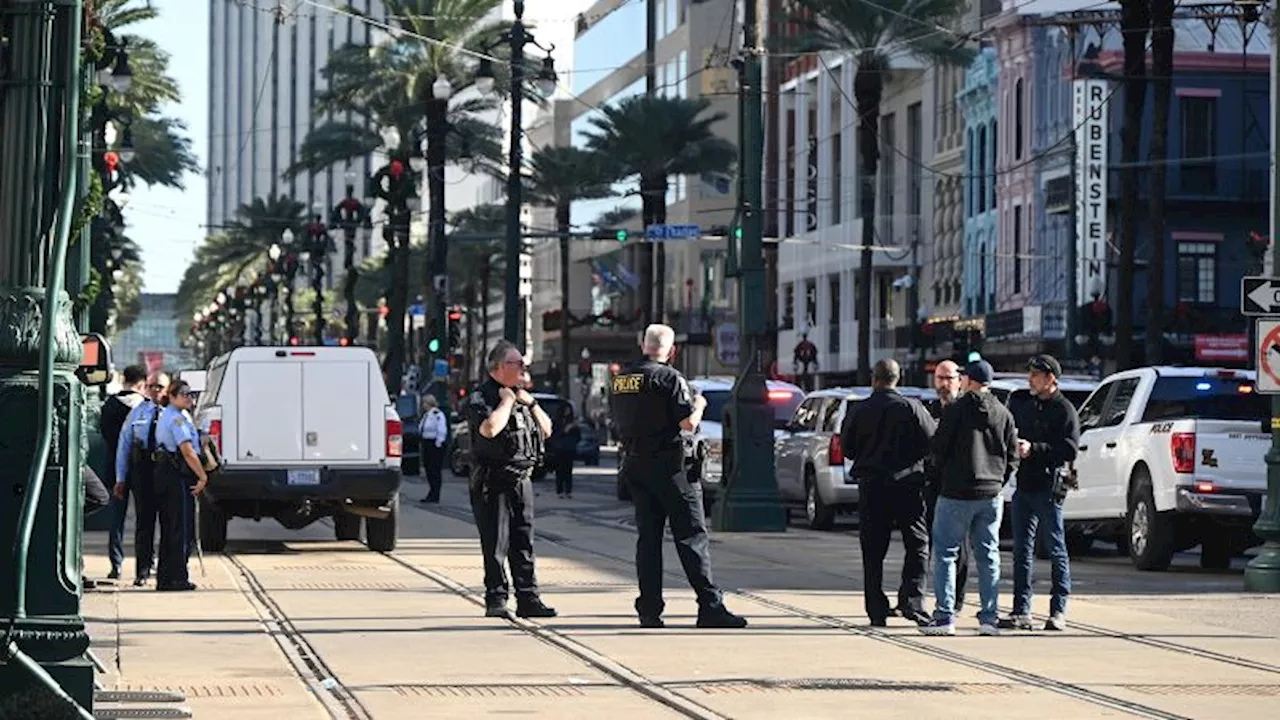 New Orleans Seeks Federal Help for Carnival Security After Deadly Truck AttackFollowing a New Year's Day truck attack that killed 14 people, New Orleans is requesting federal assistance to enhance security for its upcoming Carnival season and major events like the Super Bowl.
Read more »
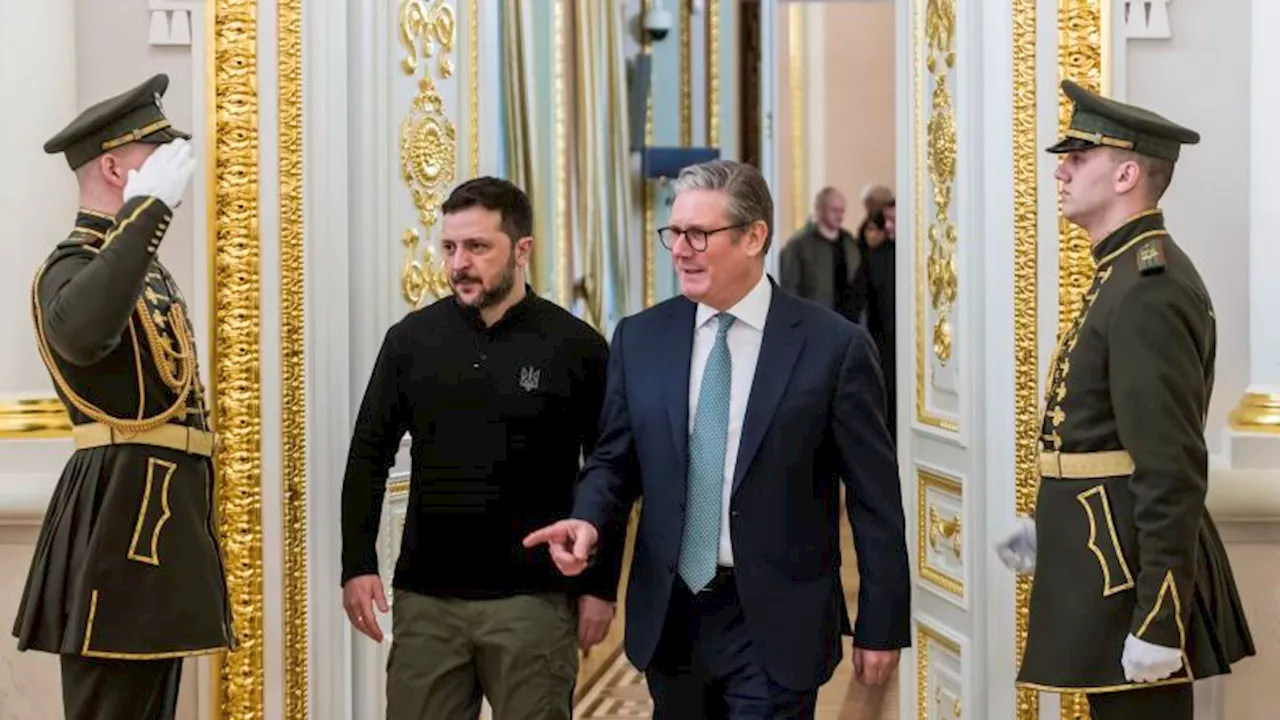 UK and Ukraine Announce '100-Year Partnership' Amidst Uncertainties Over Trump AdministrationUK Prime Minister Keir Starmer's visit to Kyiv signifies a commitment to Ukraine's security as the world awaits the incoming Trump administration. While the '100-year partnership' focuses on maritime security, social integration, and tracking stolen grain, it falls short of the security guarantees Ukraine seeks. Starmer assures continued support and collaboration with allies, emphasizing the need for robust measures to guarantee Ukraine's security. Meanwhile, Ukraine faces mounting pressure from Russia's territorial gains and the prospect of diplomatic solutions that may involve concessions.
Read more »
 Trump Postpones TikTok Ban, Seeks Joint Venture and Downplays Security ConcernsPresident Trump has postponed the ban on TikTok, seeking a way to keep the app operational in the U.S. He instructed the attorney general to delay the ban for 75 days and expressed a desire for a joint venture with a minimum of 50% U.S. ownership. Trump also dismissed national security concerns surrounding the app, claiming it 'has to close' without his approval but could be worth a trillion dollars with a deal. He asserted that the U.S. has 'bigger problems' than potential data sharing with China and stated he changed his mind after using the app himself.
Read more »
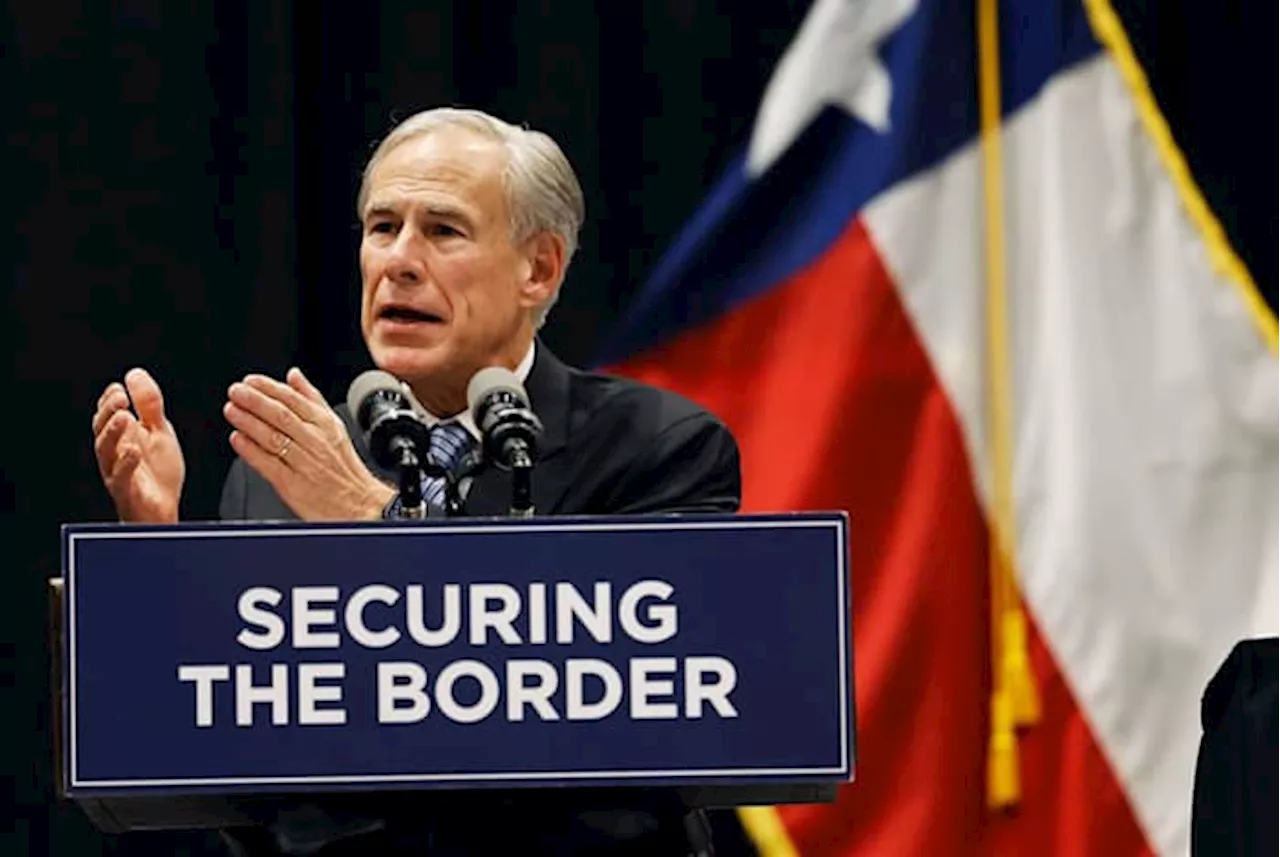 Texas Seeks $11 Billion Reimbursement From Federal Government for Border SecurityTexas Governor Greg Abbott has formally requested federal reimbursement for over $11 billion spent on border security initiatives, citing the financial burden on taxpayers and President Biden's policies as contributing factors to the crisis.
Read more »
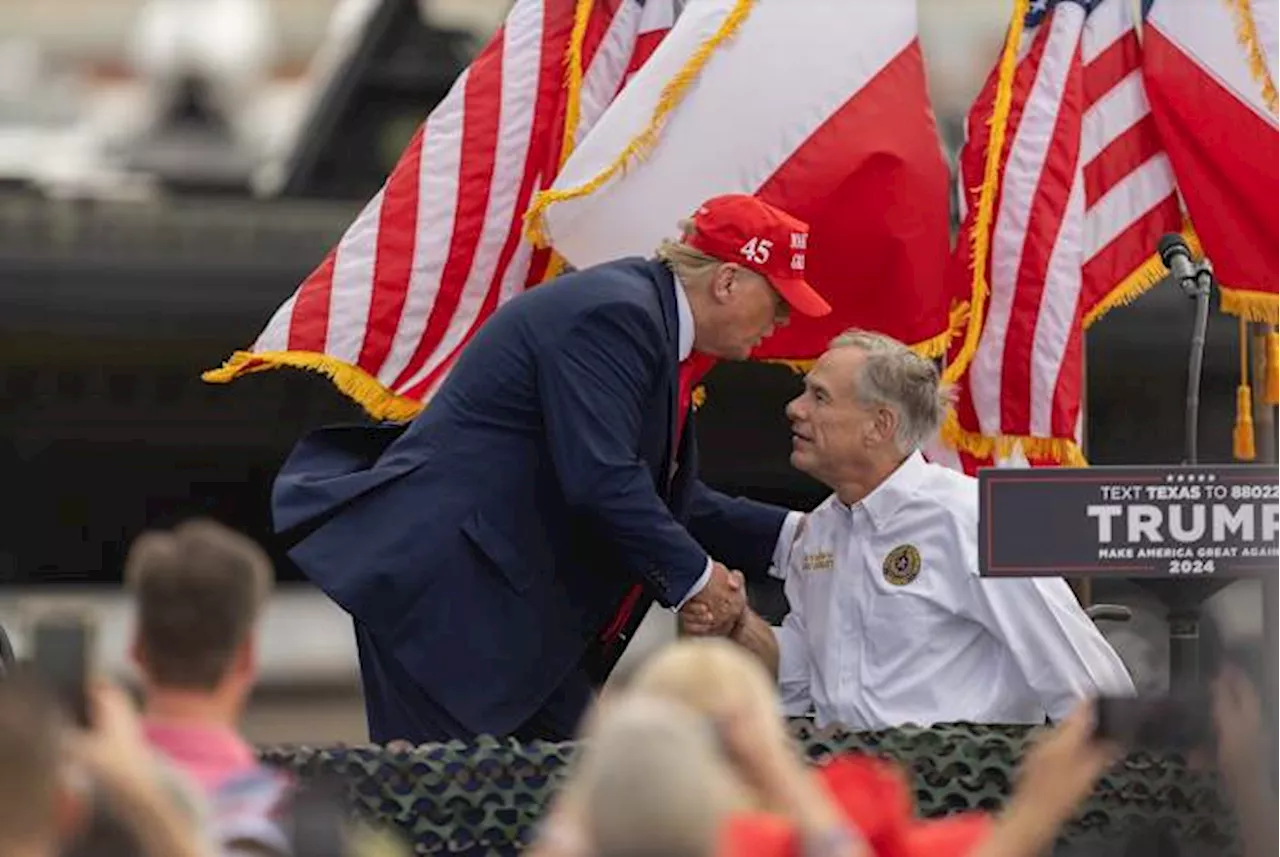 Texas Seeks $11 Billion Reimbursement from Federal Government for Border Security CostsTexas Governor Greg Abbott is requesting $11.1 billion in federal reimbursements for border security expenditures incurred since 2021. Abbott blames the Biden administration's border policies for forcing Texas to shoulder significant costs, including National Guard deployments, state trooper operations, and border wall construction. The request outlines how the funds were spent, with $4.8 billion allocated to border wall construction and $3.6 billion to National Guard deployment.
Read more »