
The most important stories for you to know today
Uber, Lyft, DoorDash and Instacart, according to the industry’s latest estimates.Justices unanimously agreed. It upholds Prop. 22, approved by 58% of California voters in 2020 that gave app-based gig workers some benefits but not full worker protections.
Gig workers vowed not to give up. “We’ll continue to fight until we have justice for drivers and all workers,” said Nicole Moore, president of Los Angeles-based Rideshare Drivers United.In a major victory for gig-work companies, the California Supreme Court today upheld a voter-approved law that allows Uber and other app makers to treat their drivers and delivery workers as independent contractors instead of employees.Approved by 58% of California voters in 2020 and enacted the same year, Prop. 22 gave app-based gig workers some benefits but not full worker protections because the ballot initiative — which gig companies spent more than $200 million to pass — ensures they are not considered employees. More than 1.4 million Californians are app-based gig workers for companies such as Uber, Lyft, DoorDash and Instacart, according to the industry’s latest estimates.in San Francisco, justices zeroed in on whether Prop. 22 was incompatible with California law, which gives the Legislature responsibility over a complete workers’ compensation system. By declaring gig workers independent contractors, Prop 22 made them ineligible for workers’ comp benefits. SEIU California, the Service Employees International Union that had sought to overturn the law on behalf of four gig workers, argued that this made the law unconstitutional. Prop. 22 “does not preclude the electorate from exercising its initiative power to legislate on matters affecting workers’ compensation,” Justice Goodwin Liu wrote.“This is a really tragic outcome,” said Veena Dubal, a law professor at UC Irvine who focuses on labor and inequality. “But it’s not the end of the road.” Dubal speculated that labor advocates could put together a proposition of their own, or municipalities and the state could adopt ordinances and laws that are more worker-friendly — such as making it illegal to set different wages for similar work based on algorithmic formulas. Gig companies backed Prop. 22 in 2020 to win themselves an exclusion from a new state law known as Assembly Bill 5, which would have upended their business models by requiring them to consider their drivers and delivery workers as employees. Last month, — meaning only Prop. 22 stood in the way of forcing ride-hailing and delivery app companies to comply with it.Under Prop. 22, gig workers are promised guaranteed minimum earnings of 120% of minimum wage, health care stipends, occupational accident insurance and accidental death insurance. Many of the benefits come with stipulations: The guaranteed earnings are based on time on a “gig” and don’t include time workers spend waiting for a ride or delivery. The health care stipends are for certain eligible workers only, excluding those who qualify for public assistance, including Medi-Cal.Gig workers are reimbursed for their mileage, although at less than the IRS-mandated rate employees receive — currently 35 cents a mile vs. 67 cents a mile. But this amount is included in the minimum earnings guarantee — it is not in addition to it. Because Prop. 22 will stand, app-based platform workers will continue to be ineligible for benefits such as sick pay, a minimum wage for all time worked, unemployment insurance and more. Molly Weedn, spokesperson for the gig industry group Protect App-Based Drivers + Services, called the ruling “an overwhelming victory for voters’ rights and the integrity of our state’s initiative system.”“We’ll continue to fight until we have justice for drivers and all workers,” said Nicole Moore, president of Los Angeles-based Rideshare Drivers United. Moore added that this ruling could mean “app companies are coming for all of our jobs, whether it’s in health care, construction, entertainment.”
United States Latest News, United States Headlines
Similar News:You can also read news stories similar to this one that we have collected from other news sources.
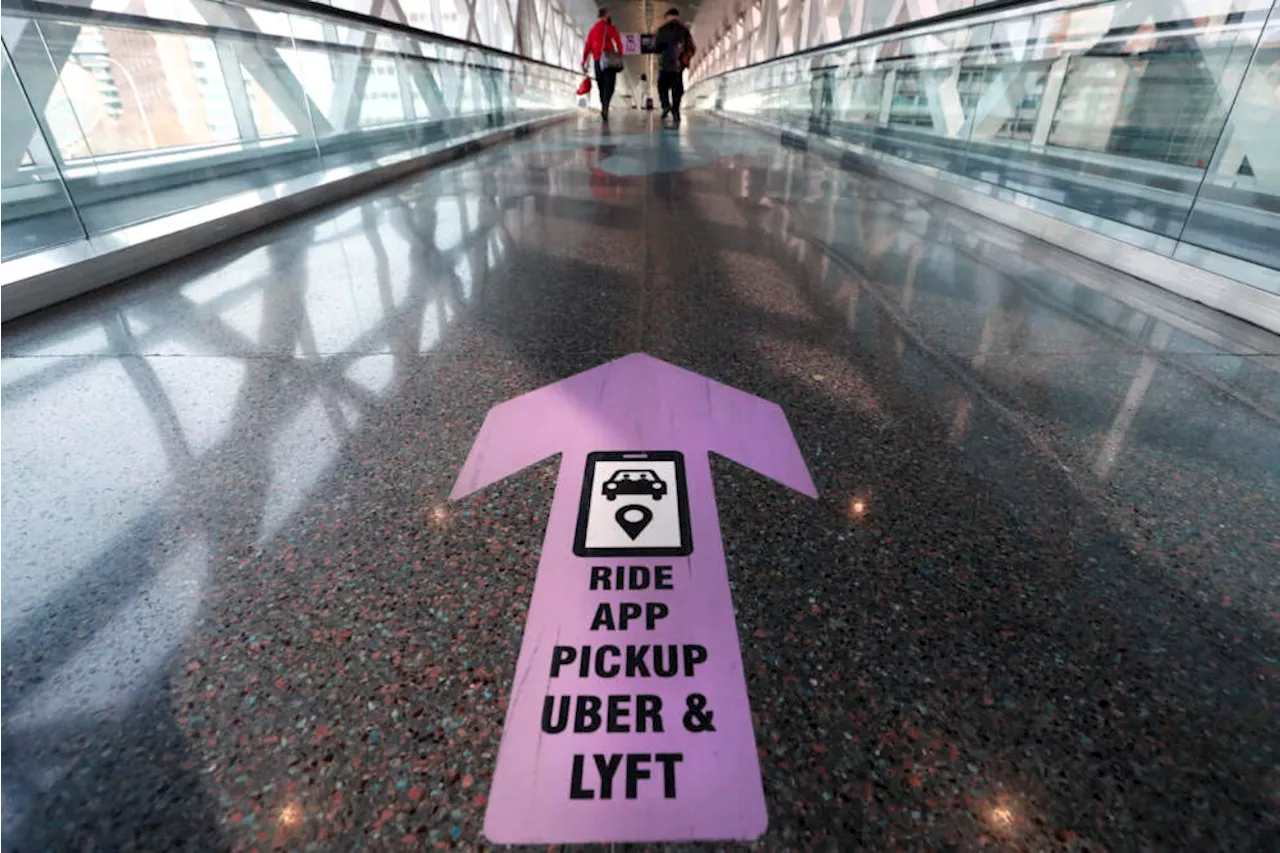 3 things to know about Massachusetts' $175 million deal with Uber and LyftMassachusetts' deal with Uber and Lyft promises the companies' drivers a minimum wage and new benefits — and averts what was shaping up to be an expensive and complicated ballot question fight over how app-based drivers are classified.
Read more »
 Massachusetts Uber and Lyft drivers to earn $32.50 an hour under new settlementPolitical News and Conservative Analysis About Congress, the President, and the Federal Government
Read more »
 Uber and Lyft Stocks Gain as Massachusetts Settlement Provides ClarityStocks Analysis by The Tokenist (Timothy Fries) covering: Uber Technologies Inc, LYFT Inc. Read The Tokenist (Timothy Fries)'s latest article on Investing.com
Read more »
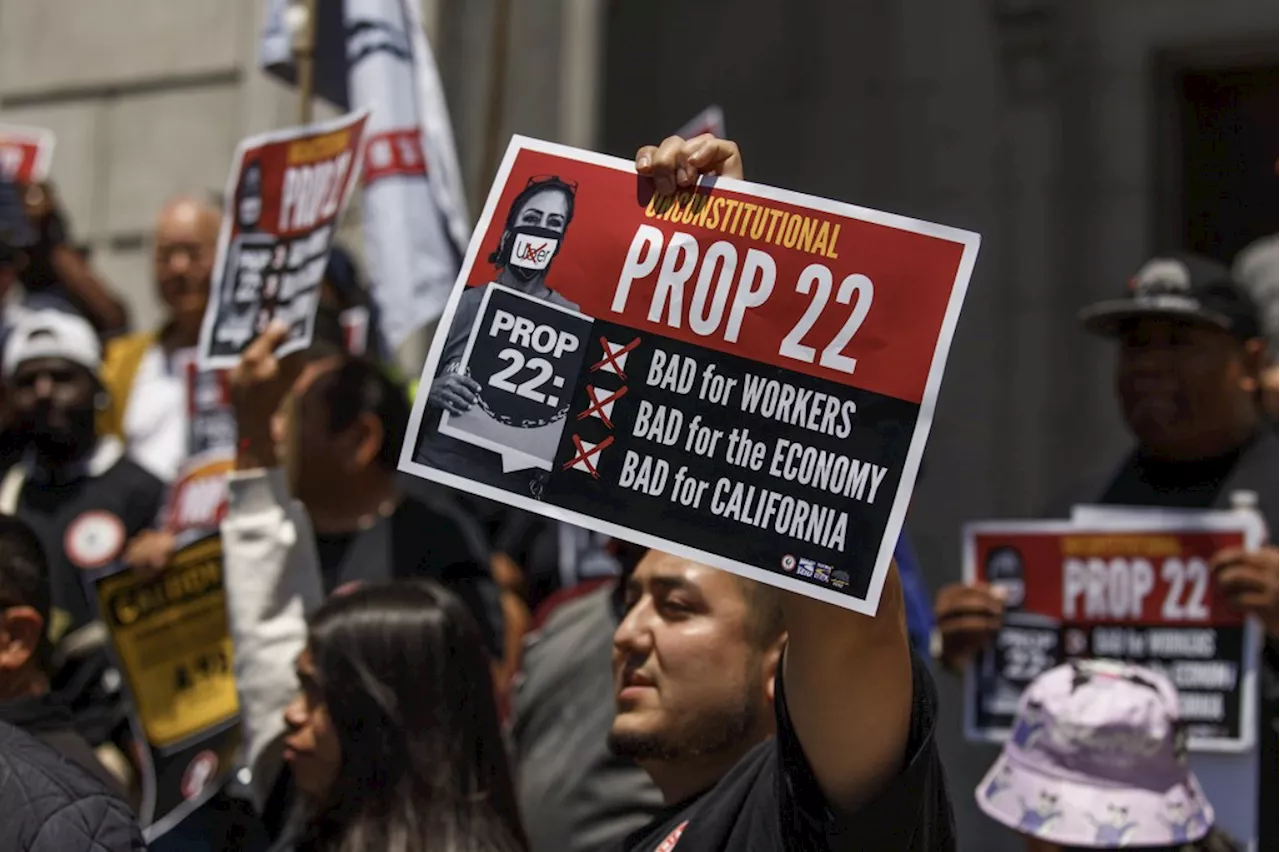 Uber, Lyft, DoorDash workers remain contractors after California Supreme Court rulingThe state’s highest court refuses to overturn voter-backed Prop. 22, a law written by the gig industry.
Read more »
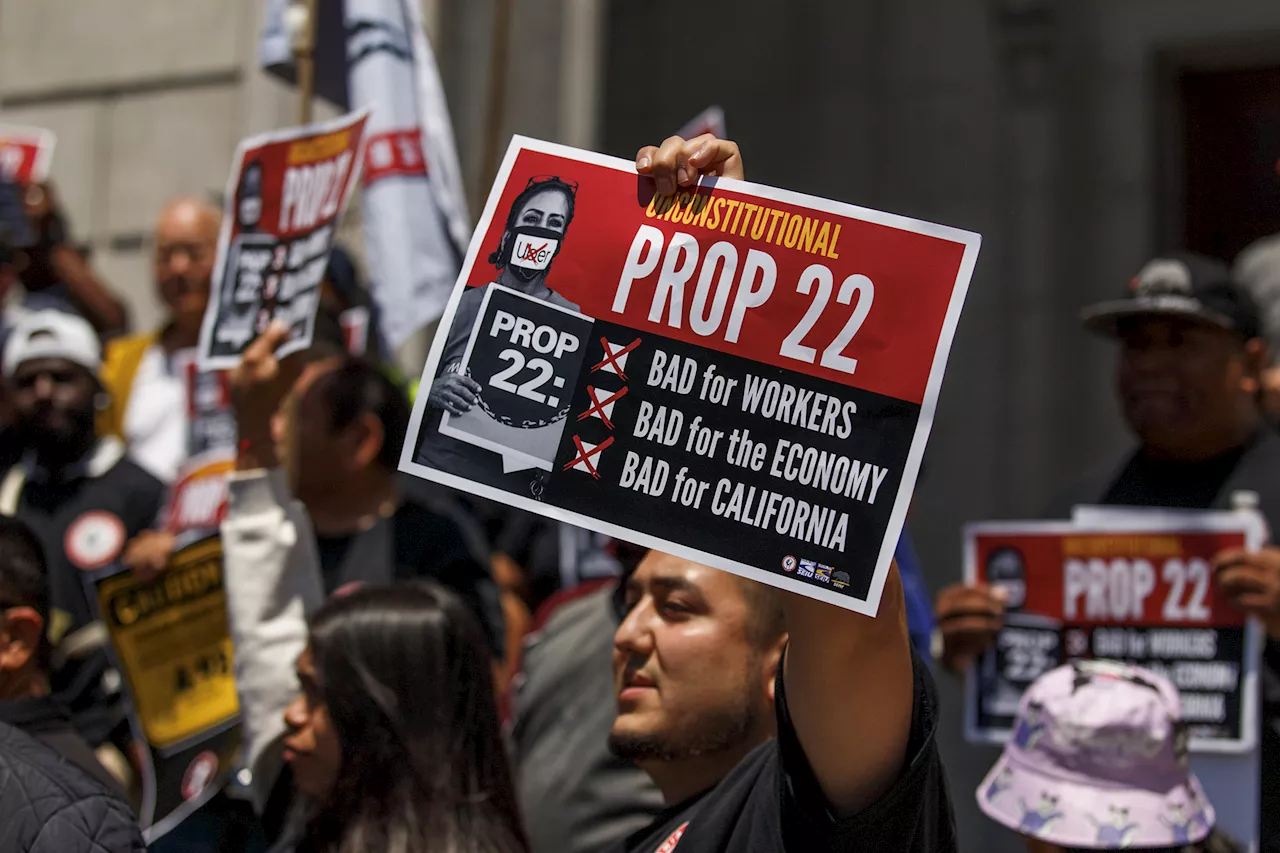 Uber, Lyft, DoorDash workers remain contractors due to California Supreme Court rulingCalifornia’s highest court refuses to overturn voter-backed Prop. 22, a law written by the gig industry. It means gig workers will remain independent contractors.
Read more »
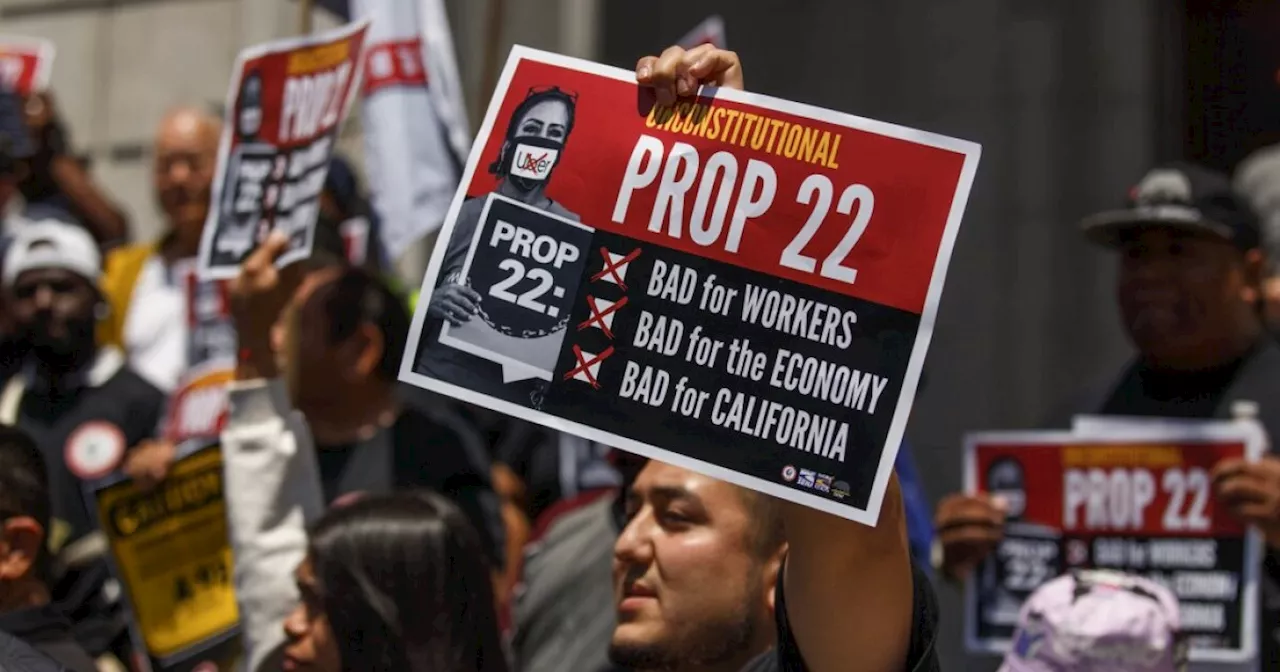 Uber, Lyft, DoorDash workers remain contractors due to California Supreme Court rulingState’s highest court refuses to overturn voter-backed Prop. 22, a law written by the gig industry. The ruling means gig workers will remain independent contractors.
Read more »