
A new scam uses text messages impersonating toll road operators to trick victims into revealing sensitive information. Security researchers link the scam to Chinese smishing groups selling sophisticated phishing kits.
A new scam targeting residents across the United States utilizes text messages that impersonate toll road operators . These messages warn recipients about unpaid tolls and potential fines, urging them to take immediate action. Victims are then directed to fake websites that resemble legitimate toll operator sites, where they are tricked into providing sensitive information like payment card details and one-time passwords.
Security researchers believe that Chinese smishing groups are behind this scam, selling SMS phishing kits to a vast network of scammers. One such kit, 'Lighthouse,' enables scammers to spoof toll road operators in multiple states, making the scam even more pervasive. These phishing attacks have been reported across the U.S., targeting users of toll systems like EZDriveMA in Massachusetts, SunPass in Florida, and the North Texas Toll Authority in Texas. Similar incidents have been reported in states including California, Colorado, Connecticut, Minnesota, and Washington.The phishing pages are designed to be mobile-friendly, failing to load on non-mobile devices, which adds to their deceptive nature. Recent advancements in phishing kits have made them even more effective. Scammers are now utilizing Apple iMessage and Android's RCS technology to bypass traditional SMS spam filters, ensuring their messages reach victims more easily. The dynamic operation of these phishing sites, constantly updated in real time, makes it challenging for authorities to detect and shut them down. Alarmingly, even individuals who do not own vehicles have reported receiving these scam messages, indicating a random targeting approach. To protect yourself from falling victim to these toll scams, here are seven essential steps: 1) Always verify directly with the toll operator. If you receive a message about unpaid tolls or fines, do not click on any links. Instead, visit the official website of your toll operator or contact their customer service directly to confirm the validity of the claim. 2) Invest in strong antivirus software. This crucial step safeguards your devices against malicious links, phishing emails, and ransomware attacks, keeping your personal information and digital assets secure. 3) Never share personal information through text messages or unverified websites. Legitimate toll operators will never request sensitive details like payment card information, Social Security numbers, or one-time passwords via SMS. 4) Enable two-factor authentication (2FA) for your accounts whenever possible. This extra layer of security requires two forms of verification, significantly reducing the risk of unauthorized access even if some details are compromised. 5) Exercise caution when encountering messages that create a sense of urgency. Scammers often pressure victims by claiming immediate action is needed to avoid penalties. Take a moment to assess the situation and verify the message's legitimacy through official channels. 6) Report suspicious messages to the appropriate authorities. If you suspect a phishing attempt, report it to the Federal Trade Commission or the FBI's Internet Crime Complaint Center. Provide details like the sender's phone number and any links in the message. Additionally, notify your mobile carrier to help block similar scams. 7) Consider using a personal data removal service. These reputable services can help reduce your online footprint and minimize the risk of scammers obtaining your personal information. They can remove your data from various data broker sites, making it harder for scammers to target you with personalized scams
Toll Scam Phishing Smishing Cybersecurity Text Message Scam Chinese Cybercrime Toll Road Operators
United States Latest News, United States Headlines
Similar News:You can also read news stories similar to this one that we have collected from other news sources.
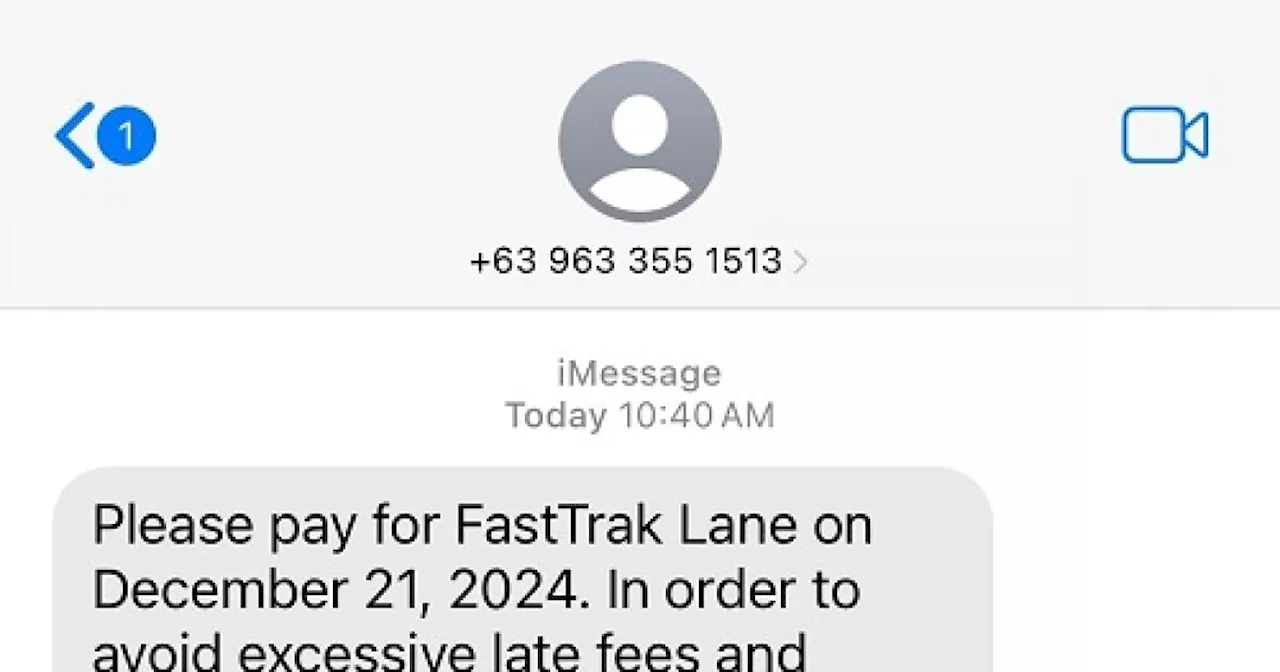 Avoid falling for this text scam claiming you owe a toll feeMatt Dangelantonio is the senior producer for daily news at LAist. He is the former senior producer of AirTalk with Larry Mantle and FilmWeek. He started at LAist in 2014 (back when it was still KPCC) as an associate producer on AirTalk.
Read more »
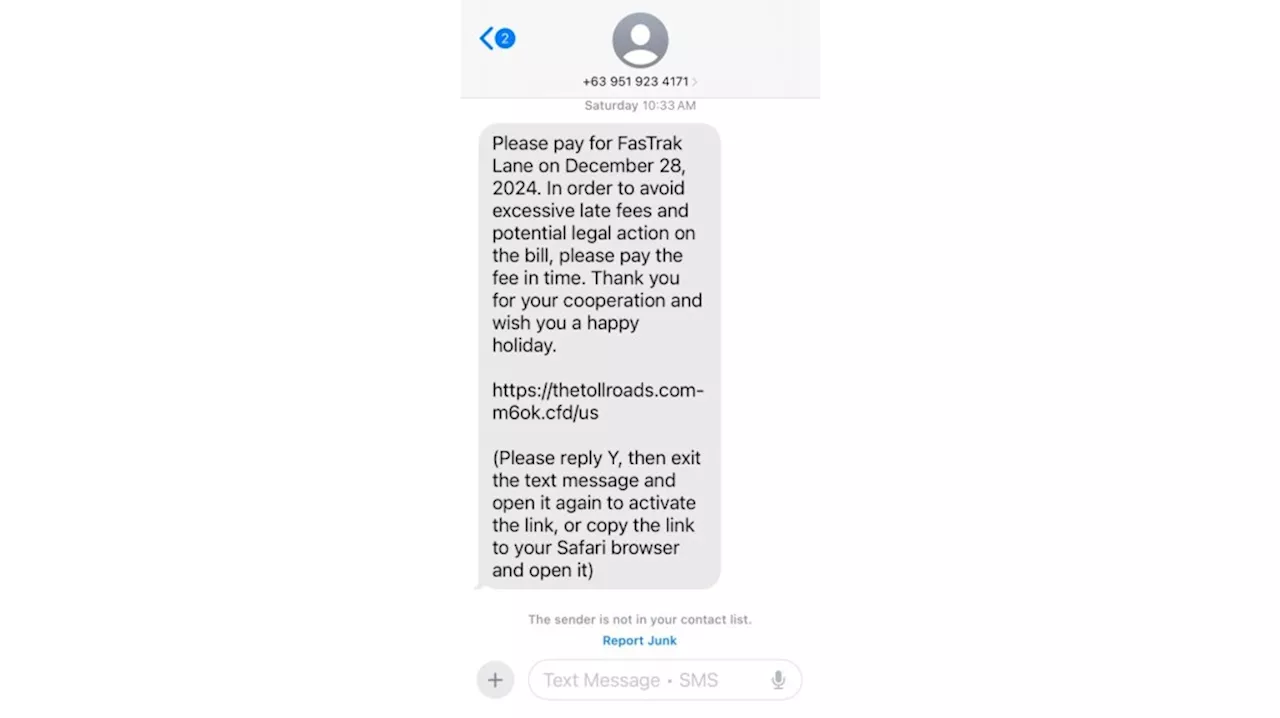 Californians, beware of this FasTrak toll fee text scamAvoid falling for FasTrak toll text scams. If you receive one of these messages, do not click on any links and do not provide any personal information.
Read more »
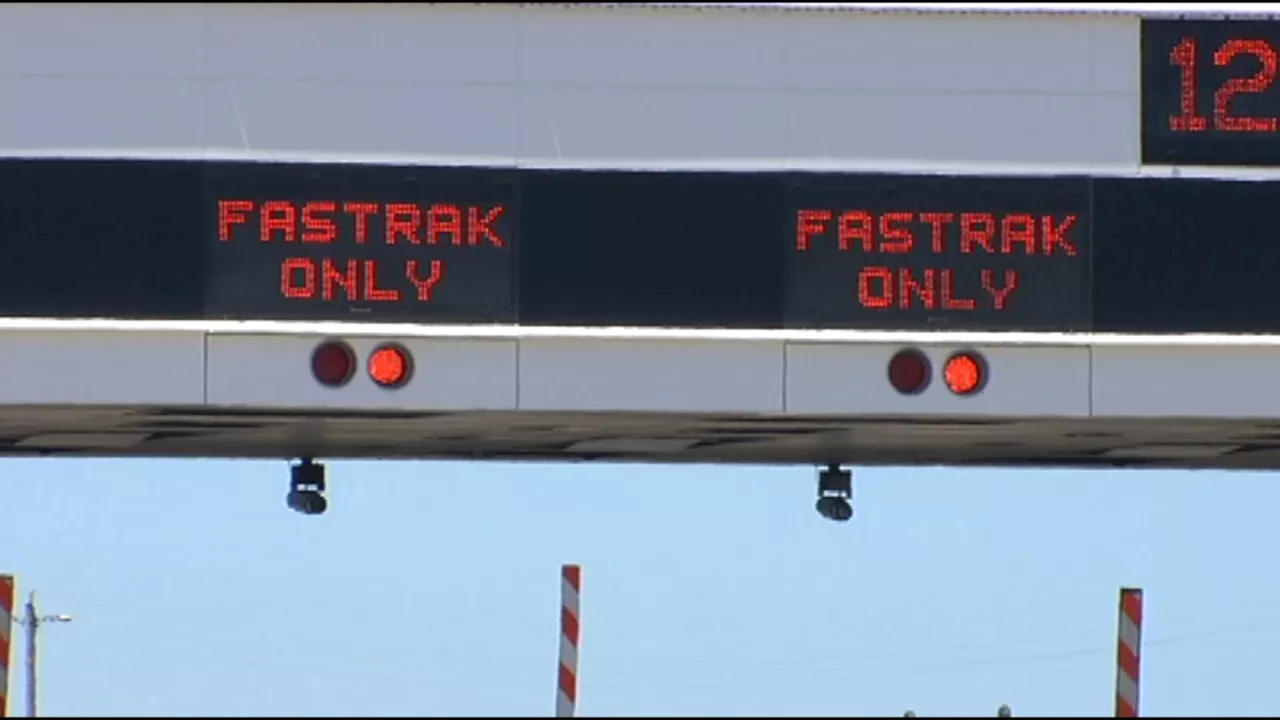 Beware of Text Message Toll Road ScamA new scam is targeting drivers with text messages claiming they owe money for using FasTrak lanes. The messages threaten license suspension or late fees if payment isn't made. Toll Roads officials emphasize that they don't send such texts to non-account holders.
Read more »
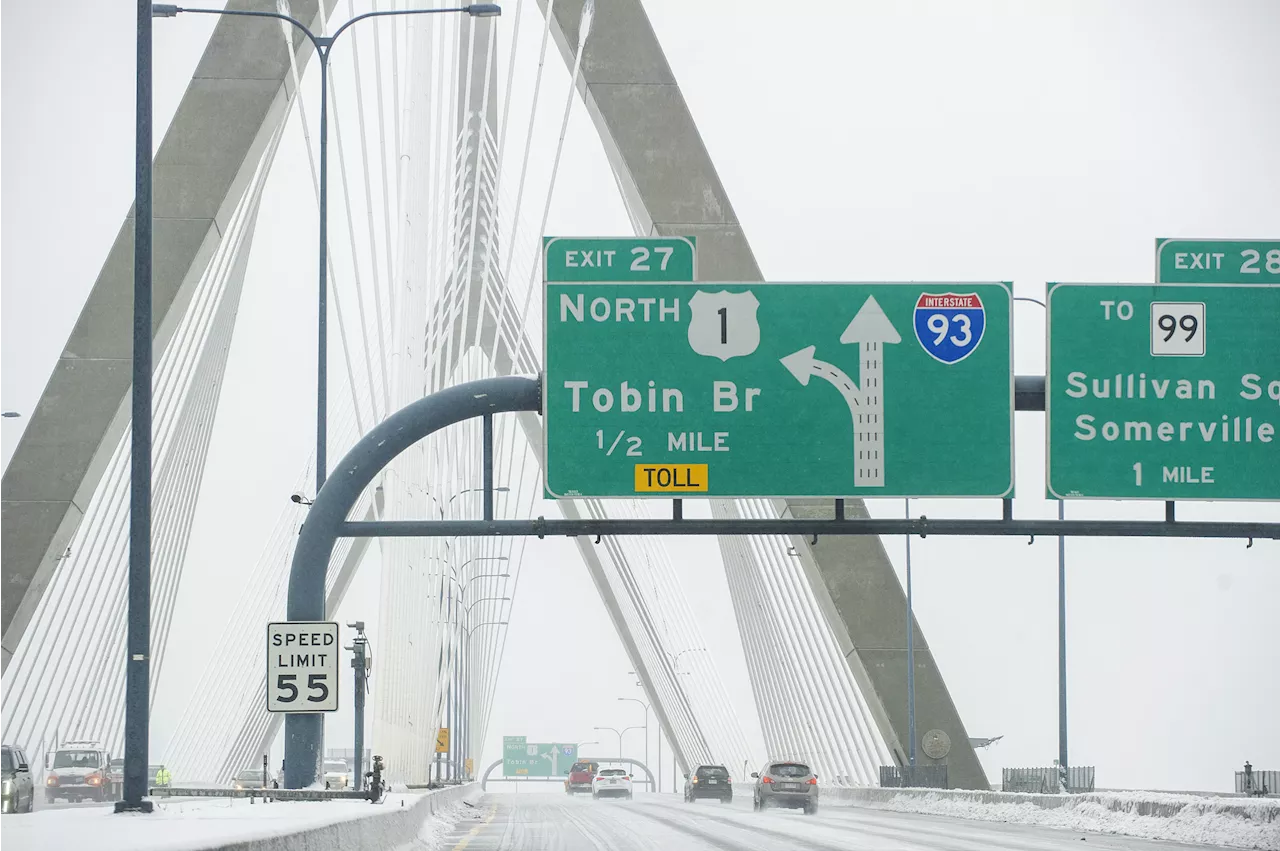 New Text Scam Targets Drivers with Fake EZDriveMA Toll BillsA new text scam is targeting drivers across the United States, including Massachusetts, posing as the official EZDriveMA electronic toll collection system. The scam asks drivers to pay a small fee for unpaid tolls, leading to the theft of personal and financial information.
Read more »
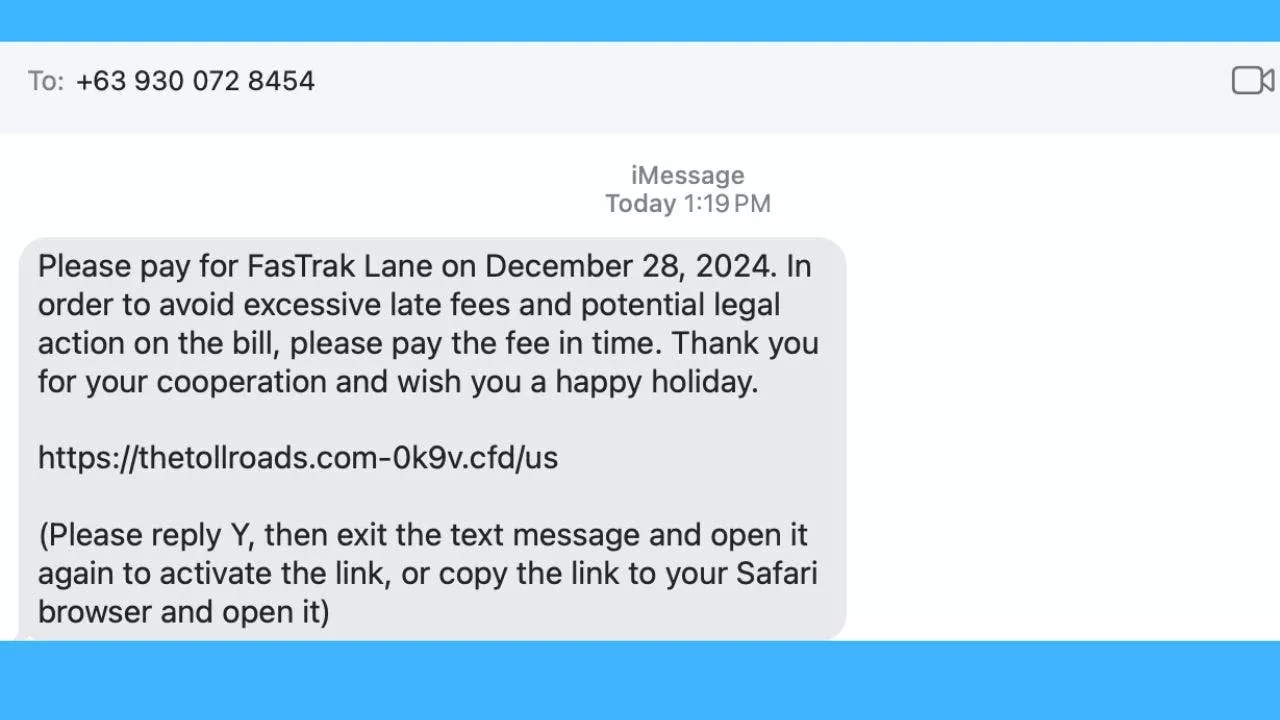 Toll Road Impersonation Scam Targets US Residents via Text MessagesA new text message scam is targeting US residents with fake toll notices, urging them to click on malicious links and provide sensitive financial information.
Read more »
 Toll Road Scam Targeting US Residents Through Text MessagesA new text message scam is targeting US residents, posing as toll road operators and attempting to steal personal information. These messages warn of unpaid tolls and fines, directing victims to fake websites where they are asked to provide sensitive details. Security researchers believe Chinese smishing groups are behind this scam.
Read more »