
Scientists are using the analysis of clinopyroxene crystals from extinct volcanoes to better understand the formation of rare earth element deposits and identify potential new sources.
About 400 kilometers northwest of Sydney, just south of Dubbo, lies a large and interesting body of rock formed around 215 million years ago by erupting volcanoes. To uncover more about these deposits and their formation, scientists are turning to the secrets held within tiny crystals formed inside volcanoes.
Our latest research on Australian volcanoes, published in [insert publication name here], reveals how these microscopic crystals offer valuable clues about the formation of rare earth element deposits and how we can locate more of them. The formation of rare earth element deposits begins deep within Earth's mantle, a layer lying beneath the crust, dominated by minerals rich in iron and magnesium. These minerals also contain small amounts of other elements, including rare earth elements. When the mantle melts to form magma, these rare earth elements move easily into the magma.The amount of melting influences the concentration of rare earth elements in the magma. If the melting is small, the magma has a higher proportion of rare earth elements compared to scenarios with large-scale melting, such as at mid-ocean ridges where vast amounts of magma erupt and form new oceanic crust. As this magma migrates towards the Earth's surface, it cools down, and new minerals begin to form. Primarily composed of oxygen, silicon, calcium, aluminum, magnesium, and iron, these minerals leave behind a residual liquid with a higher concentration of rare earth elements. This residual liquid continues to ascend through the crust until it solidifies or erupts at the surface. If the magma cools and crystallizes within the crust, it can form rocks containing high levels of critical metals. One example is the Gardar Igneous Complex in Southern Greenland, which houses several rare earth element deposits. In central New South Wales, Australia, magmas enriched in rare earth elements erupted at the surface, collectively known as the Benolong Volcanic Suite. Within this suite lies the Toongi deposit, a portion of the ancient volcanic plumbing system, essentially an intrusion of congealed magma containing very high levels of critical metals. Magmas enriched in rare earth elements are uncommon, and those enriched enough for productive mining are even rarer, with only a few known examples worldwide.Scientists constantly strive to understand and predict the location of magmas enriched in critical metals, despite our current knowledge. To gain insights into the Earth's interior, we study rocks that have made their way to the surface. The processes occurring within magma as it rises from the Earth's interior leave telltale clues in the chemical composition of minerals that crystallize along the way. One mineral, clinopyroxene, is particularly adept at preserving these clues. Fortunately, clinopyroxene crystals are found within many rocks of the Benolong Volcanic Suite. This allows researchers to examine the history of non-mineralized rocks and compare them with the mineralized Toongi intrusion. The study revealed two key differences between the Toongi rocks and the surrounding volcanic suite. First, clinopyroxenes in the non-mineralized rocks contain a large amount of rare earth elements, indicating that these critical metals were 'locked up' within clinopyroxene rather than remaining in the residual melt. Conversely, clinopyroxene crystals from Toongi show low levels of rare earth elements.Here, these elements are contained in a different mineral, likely due to different elements residing in various parts of the crystal. This observation is exciting because it suggests rapid crystallization occurred due to the release of gas while the crystals were forming. In contrast, no evidence of rapid crystallization was found in rocks lacking high levels of rare earths. Our research now enables us to track the composition and zoning of clinopyroxene in other extinct volcanoes in Australia and beyond. By analyzing these crystals, we can identify those with the potential to accumulate valuable rare earth element deposits
Rare Earth Elements Volcanology Magma Crystallization Geology Mining
United States Latest News, United States Headlines
Similar News:You can also read news stories similar to this one that we have collected from other news sources.
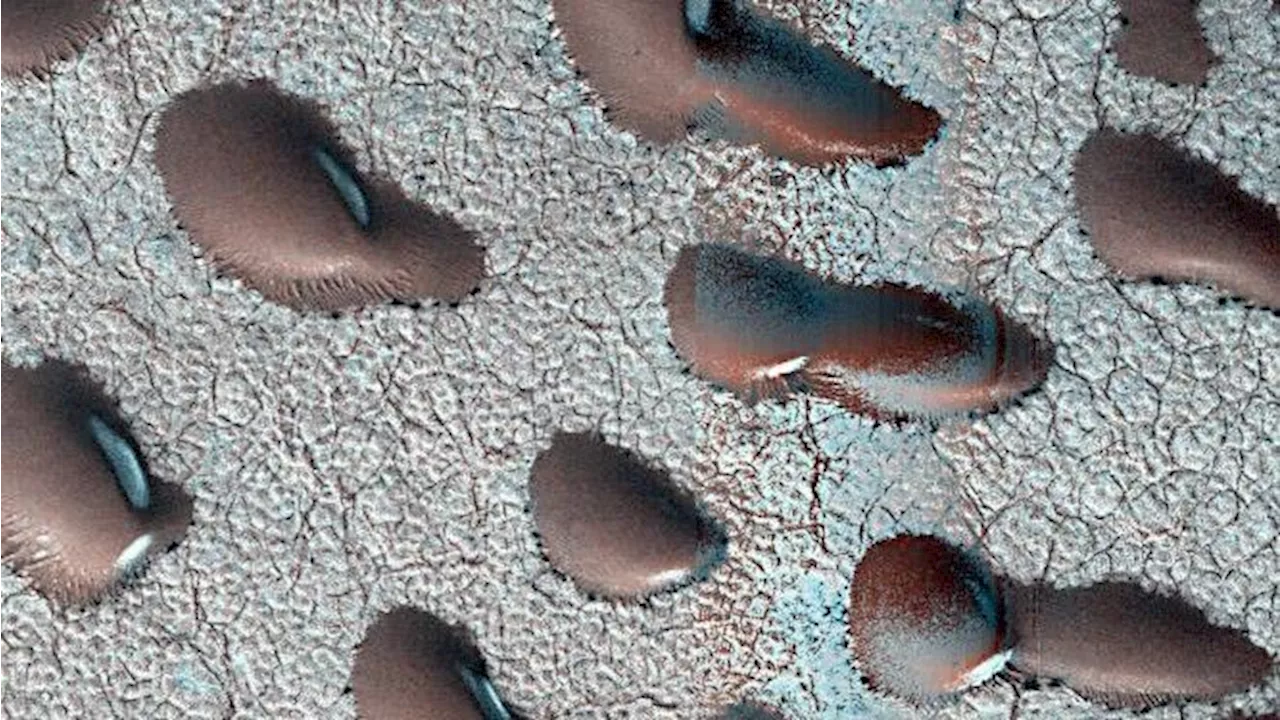 Frozen Martian Dunes Hold Clues to Past HabitabilityImages captured by the Mars Reconnaissance Orbiter reveal frozen sand dunes in the Red Planet's northern hemisphere, offering insights into the planet's potential for past or present life.
Read more »
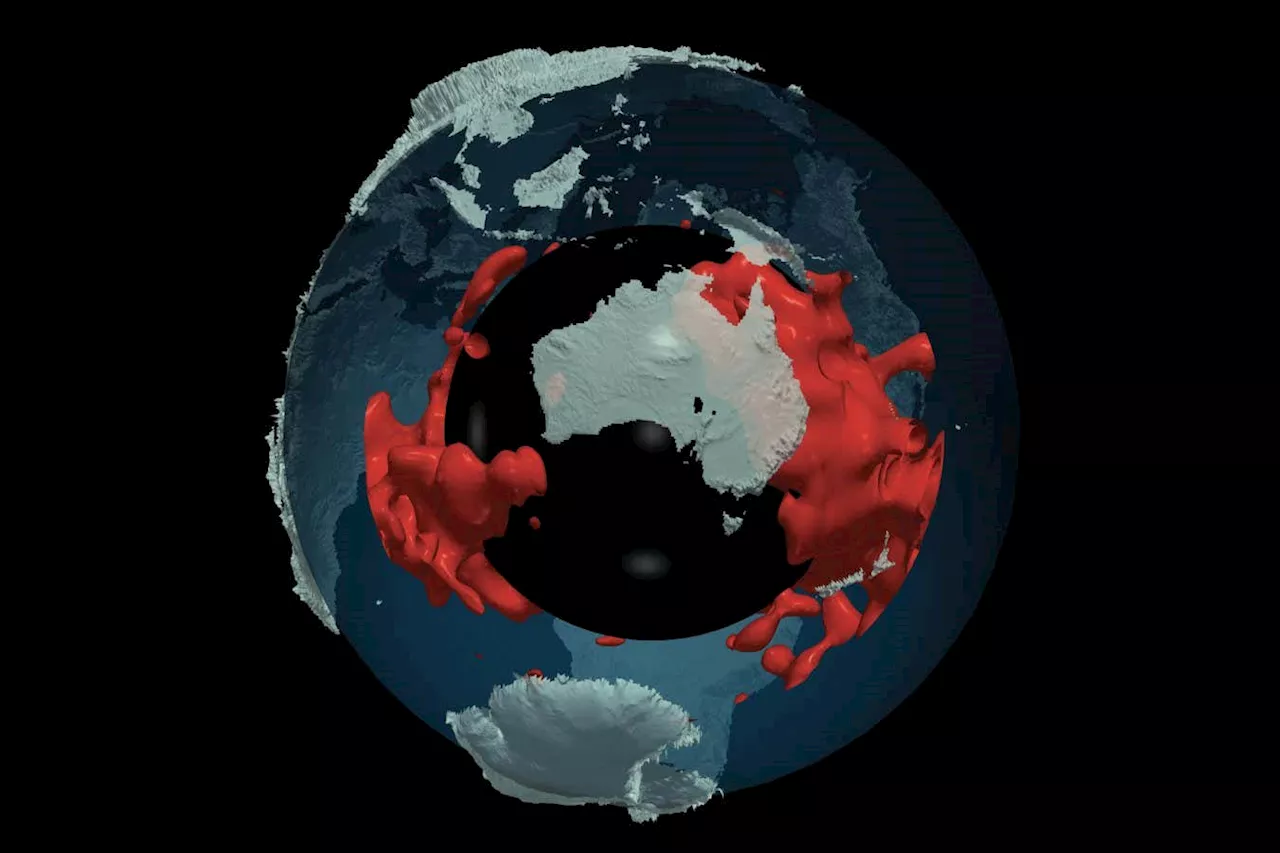 Ancient Earth Structures May Hold Clues to Planet's FormationAnalysis of seismic waves reveals two massive, stable structures deep within Earth, potentially billions of years old. These large low-shear-velocity provinces (LLSVPs) located beneath the Pacific and Africa have remained unchanged despite the planet's churning interior, suggesting they are composed of large, heat-resistant crystals. The stability and potential age of these structures offer insights into Earth's early composition and formation.
Read more »
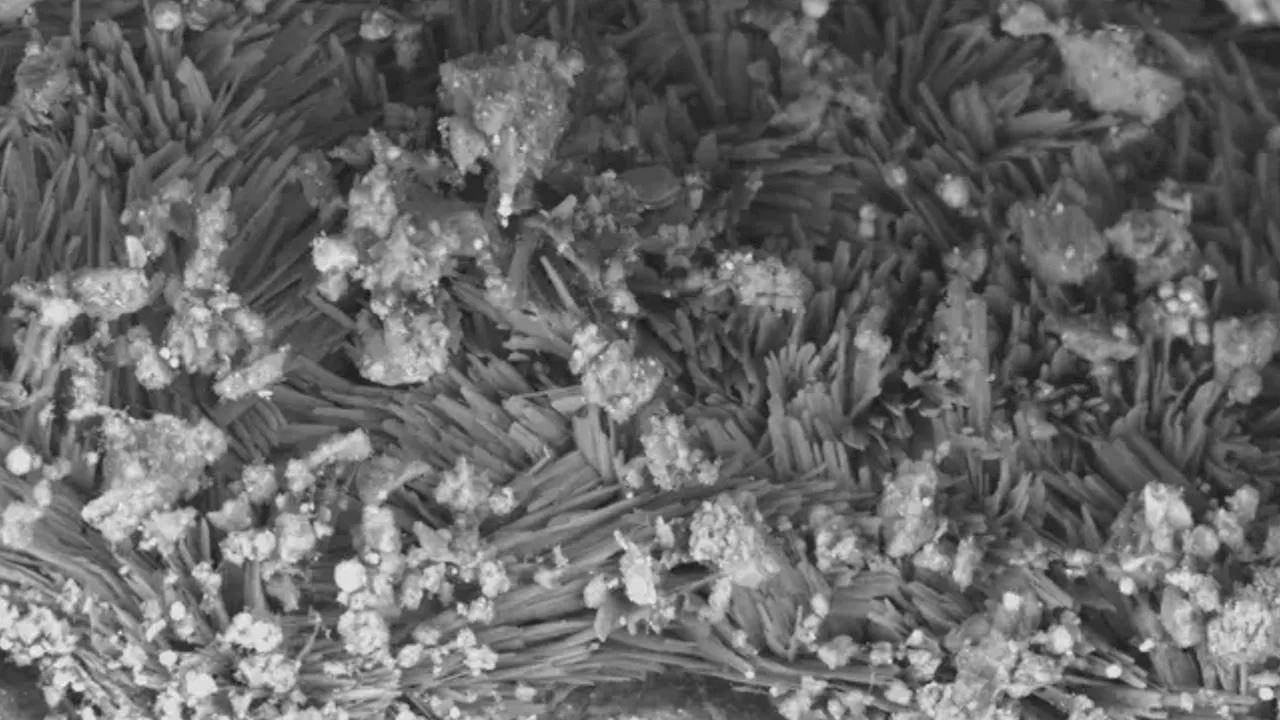 Asteroids May Hold Clues to the Origin of LifeAnalysis of samples from the asteroid Bennu reveals the presence of unique minerals formed from evaporated water, potentially providing insights into the building blocks of life.
Read more »
 Liquid Crystals Enable Asymmetric Living Polymerization of Helical PolymersResearchers have achieved a breakthrough in polymer chemistry by using optically active liquid crystals to induce chiral structures in polymers during living polymerization. This method allows the synthesis of optically active polymers from non-optically active monomers, opening new avenues for materials with unique optical properties.
Read more »
 Trump, Netanyahu hold talks as US president warns 'no guarantees' fragile peace in Gaza will holdNetanyahu's arrival in Washington for the first foreign leader visit of Trump's second term.
Read more »
 Tiny Microbes Could Hold the Key to Finding Life on MarsScientists propose a new method to detect extraterrestrial life on Mars based on chemotaxis, the movement of organisms in response to chemical stimuli. They found that certain microbes are attracted to L-serine, an amino acid likely present on Mars. This simple, affordable approach could revolutionize the search for life beyond Earth.
Read more »