


 +34

.chelseacutler: 'Social media is people advertising their lives, advertising themselves, and advertising what they're doing. It’s exhausting'
, says that poor mental health can pose further obstacles to maintaining a stable income for musicians, even top-tier pop acts — and for their teams. “When people have to cancel legs of tours because they're experiencing mental health issues, that costs tens of millions of dollars in revenue” across the industry, she tells MTV News.
Lincoln partially attributes the industry’s mental health crisis to a “serious lack of [mental health] resources,” which is partly why Backline offers wellness checklists, positive-reinforcement guides, and videos detailing therapy approaches all for free. Lincoln can't think of a record label, management firm, or other directly artist-adjacent company that offers the same. Lincoln also tells MTV News that the musicians with whom she’s worked often say they’ve had trouble finding a therapist or knowing how to begin the search. And while no single therapist or mental health care nonprofit can fill the music industry’s gaps, the value of a support system simply can’t be understated. Tamko provides a great example. “Having a community of artists at various levels of their career” for “discussing each other's deals or contracts with labels, brands, management, and booking agents,” Tamko says, has been “really important.” She also calls for “artists owning their work, as almost a standard.” She says she would like to see more “sounding boards and a point of reference for [musicians] who are looking at contracts for the first time… having someone else tell you, ‘This is how it works for me. This is something you're allowed to ask for. This is something you're allowed to push back on.’ I think all of that serves as protection.”Jones also stresses that “properly reading and understanding contracts before signing [them]” should become more common among musicians so they can avoid deals that leave them with way less money than the other party. “Because getting a record deal is exciting, lots of artists don’t do this,” she explains. She also says that artists could try seeking “advice from a specialist music industry lawyer [and being] wary of how long deals are for — the shorter, the better, in order to leave room for negotiation in the future — and what costs are getting charged back to the artist before they get their percentage.” She warns that some contracts “sound good on paper [but] might not be in reality once you dig into the numbers.” Where these contractual matters can sound confusing, Jones has seen musicians’ teams take much simpler steps to protect the artists’ mental health. “I have heard quite a few examples of teams putting an artist’s health first, and I think this is becoming more prevalent due to the younger generation’s awareness of mental health,” she says. She cites “all the attention [on] this issue in recent years” as a reason behind this change: “Awareness has now translated into action.” Bennett says her team acts in exactly this manner. “My management will sometimes make me go home early from a trip if I feel like I can't work anymore,” she says. “I've had a couple of trips where I've been in L.A., and I just did not want to do anything else because I was depressed. My management would be like, ‘OK, let's send you home, and you can have a couple of weeks to chill.’ That has been really helpful.” Cutler, meanwhile, finds some comfort in so many musicians of all levels agreeing with her exhaustion about musicians feeling compelled to be content creators. But she’s less optimistic when asked what the industry could do to better protect the mental health of young musicians like herself. “I don't think anybody has a viable call to action right now,” she says. “It’s like, OK, we all feel this way, but not one of us has a solution.” She has a point: Even though musicians are the ones most affected by the music industry’s lack of mental health support, their job is to make great music, not solve these numerous problems.That said, Lincoln would “love to see… labels, management companies, promoters, and all other stakeholders that [run] this industry contribute to the financial backing that people need to access mental health care.” She notes that, until that day comes, musicians can turn to
Scratch the next story
United States Latest News, United States Headlines
Similar News: You can also read news stories similar to this one that we have collected from other news sources.
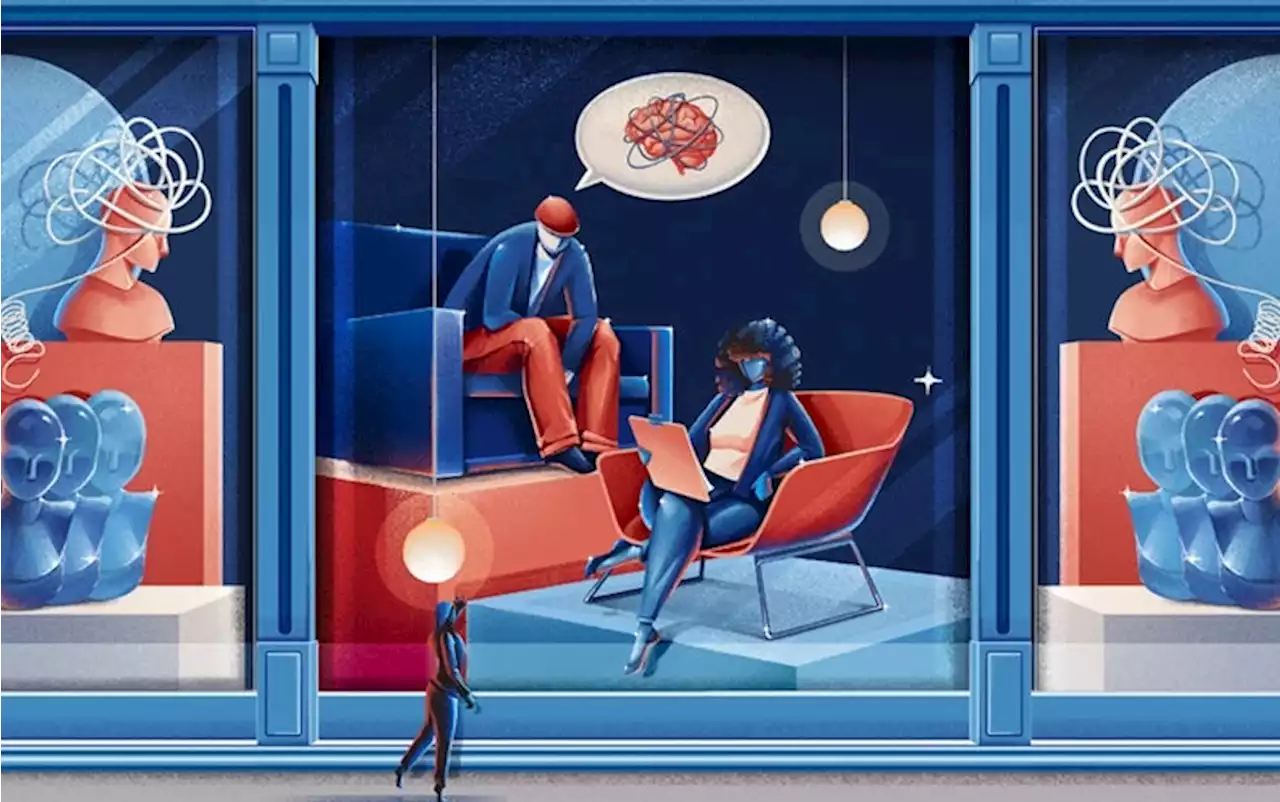 Mental Health Care Should Be Available for All, Not a LuxuryThe stress of COVID fractured a system that was already cracked
Read more »
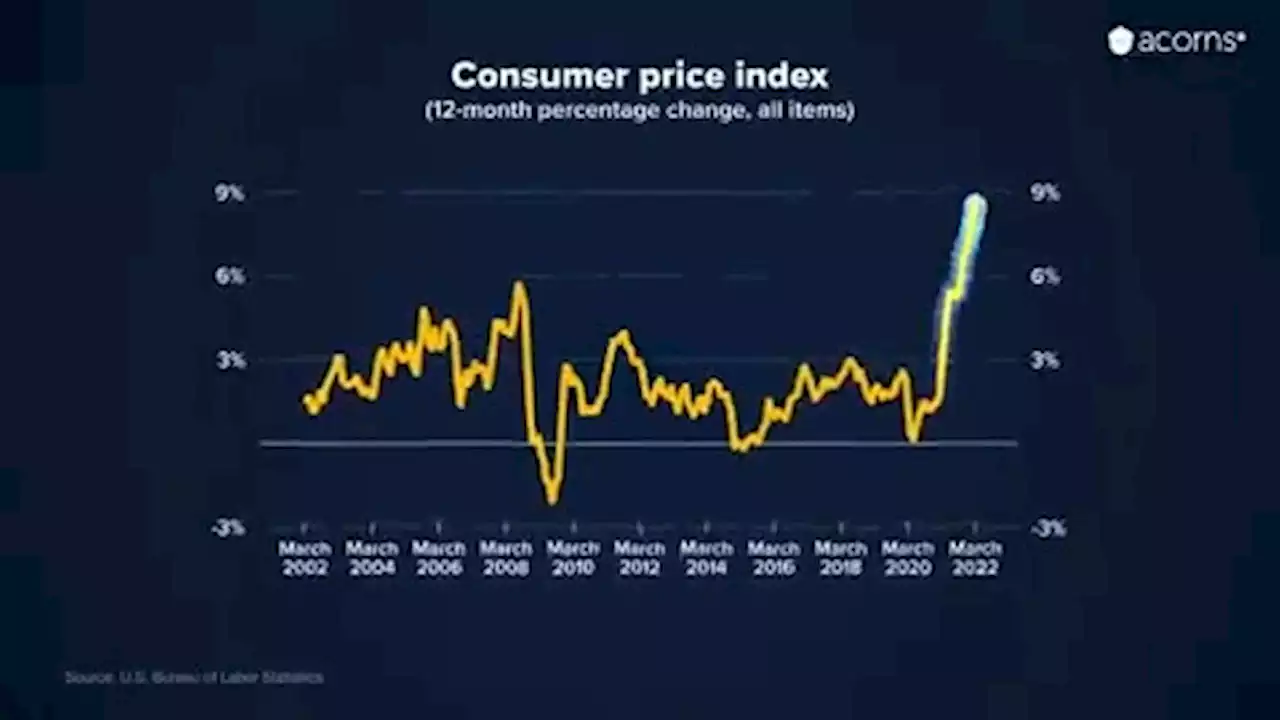 Americans are more stressed about money than ever, and it's hurting our mental healthAmericans are more worried than ever about money and the economy. In a survey by the American Psychological Association, 87% of Americans said inflation and the rising costs of everyday expenses were causing them stress. Roughly two out of every five U.S. adults said money is negatively impacting their mental health, according to Bankrate. Watch the video above to learn what's causing this anxiety around money and how Americans can deal with their stress.
Read more »
 Jelie Wrote Mental Health Anthem 'Cope' During PandemicThe song is on theme with Mental Health Awareness Month.
Read more »
 Selena Gomez Speaks on Mental Health at First-Ever White House Youth SummitSelena Gomez opened up about her own mental health journey while advocating for mental health resources and access at the Mental Health Youth Action Forum.
Read more »
 A Reminder That Mental Health Disorder Is Not Synonymous With Being ViolentJohnny Depp fans have used Amber Heard's alleged borderline personality diagnosis to attack her. For people living with BPD, it's beyond triggering.
Read more »
 Armed woman in mental health ‘crisis’ prompts Marana Walmart closureMarana police said the woman entered Walmart in a “mental health crisis.” Though she had a gun, she did not wave it at anyone as she asked for help Friday morning.
Read more »