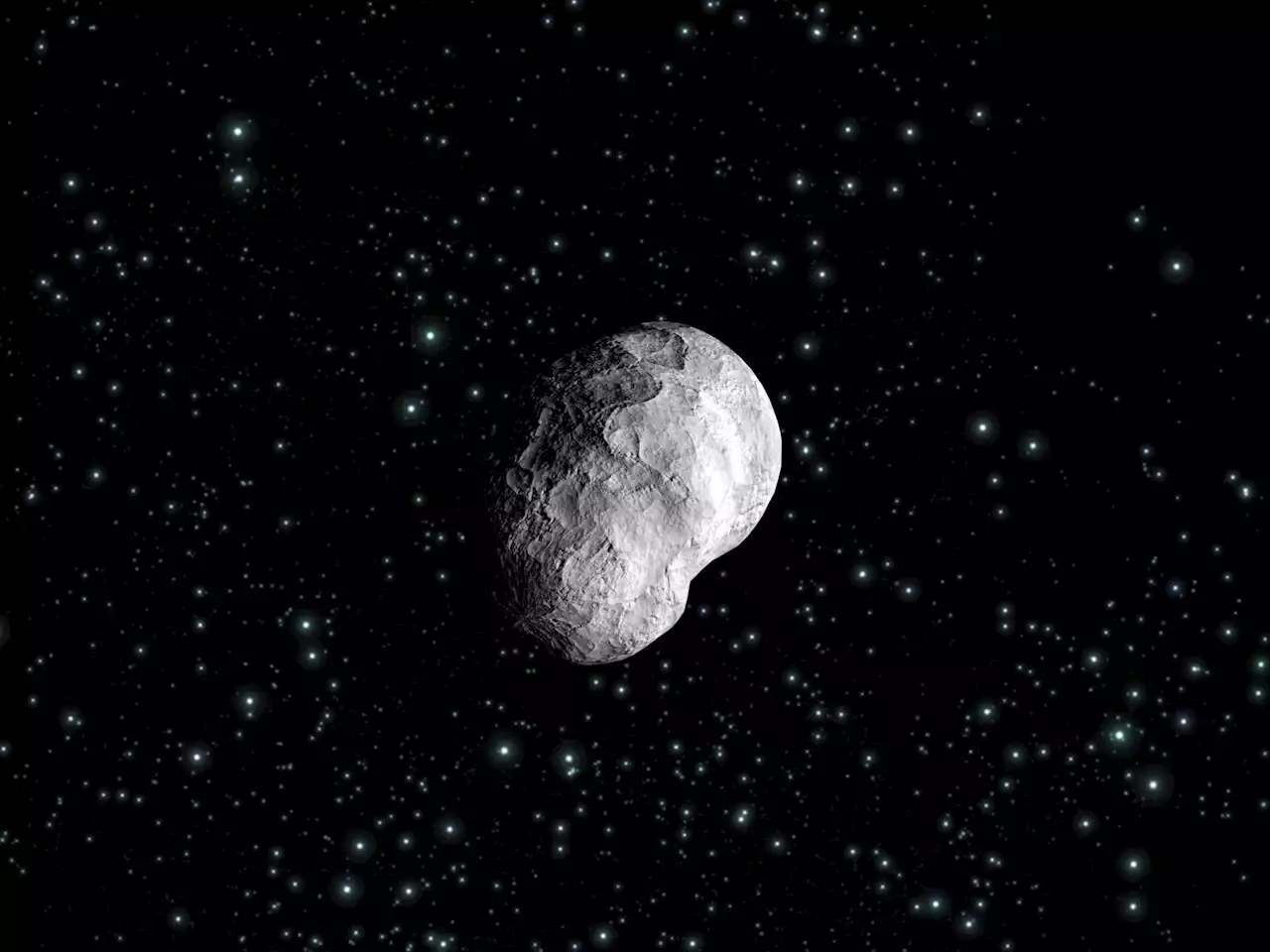
There are a whole lot of asteroids out there in our solar system, and looking for potentially dangerous asteroids is an ongoing job.
With NASA’s DART mission recently succeeding in deflecting an asteroid from its course, you might think our planet is sorted when it comes to defense against incoming asteroids. But there are a whole lot of asteroids out there, and looking for potentially dangerous asteroids is an ongoing job.
Not every near-Earth asteroid is a threat to the planet, as many are small enough that they would burn up in Earth’s atmosphere while others travel in a way that doesn’t intersect with Earth’s orbit. If an asteroid is larger than 460 feet in diameter and has crossed Earth’s orbit, it is classified as a Potentially Hazardous Object and will be monitored by astronomers.
“Because of Gaia, we know more about the stars in the galaxy which act as a backdrop to asteroid observations,” explained Tineke Roegiers, community support for the Gaia mission, in a statement. “Asteroid’s positions are obtained against these background stars, so the better one knows where the stars are, the more precisely the orbits of asteroids can be computed.”
United States Latest News, United States Headlines
Similar News:You can also read news stories similar to this one that we have collected from other news sources.
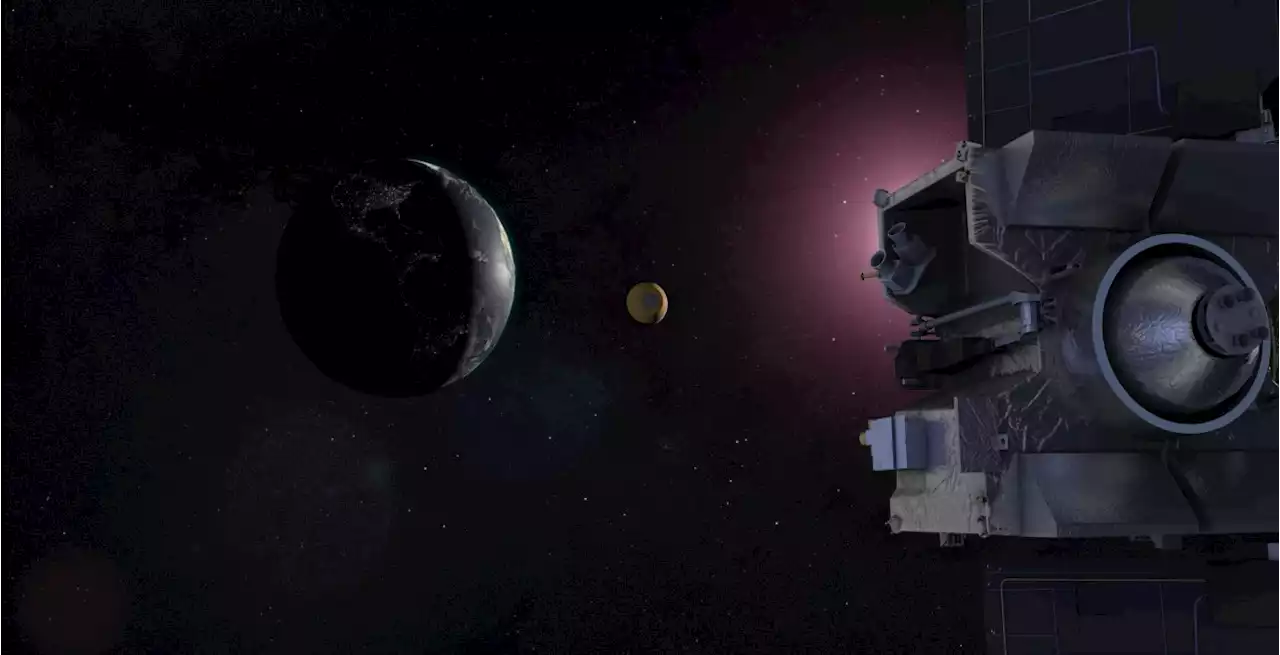 Here's how NASA will drop off a sample of an asteroid | Digital TrendsNASA has shared details on how exactly the OSIRISREx spacecraft will deliver its sample of asteroid Bennu to Earth.
Read more »
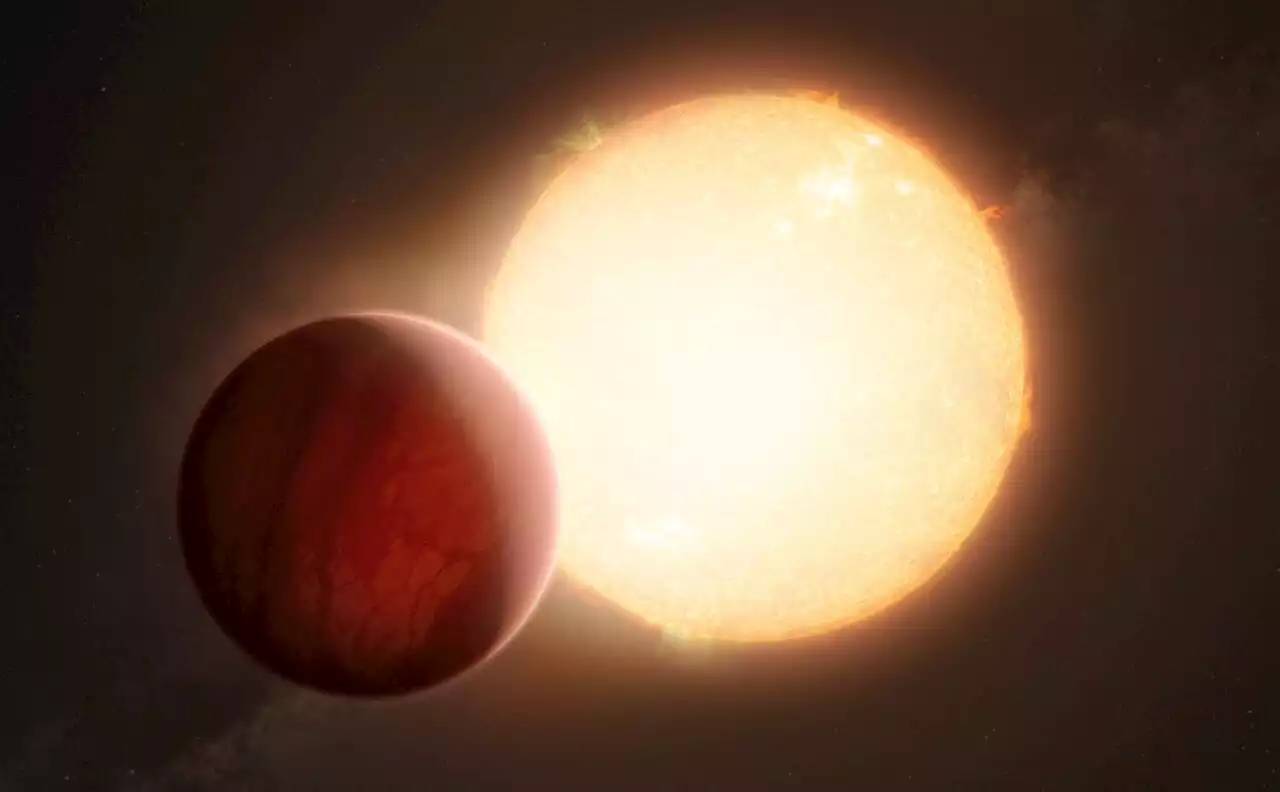 Heaviest element ever discovered in exoplanet atmosphere | Digital TrendsAstronomers using the Very Large Telescope have discovered the heaviest element ever in an exoplanet atmosphere.
Read more »
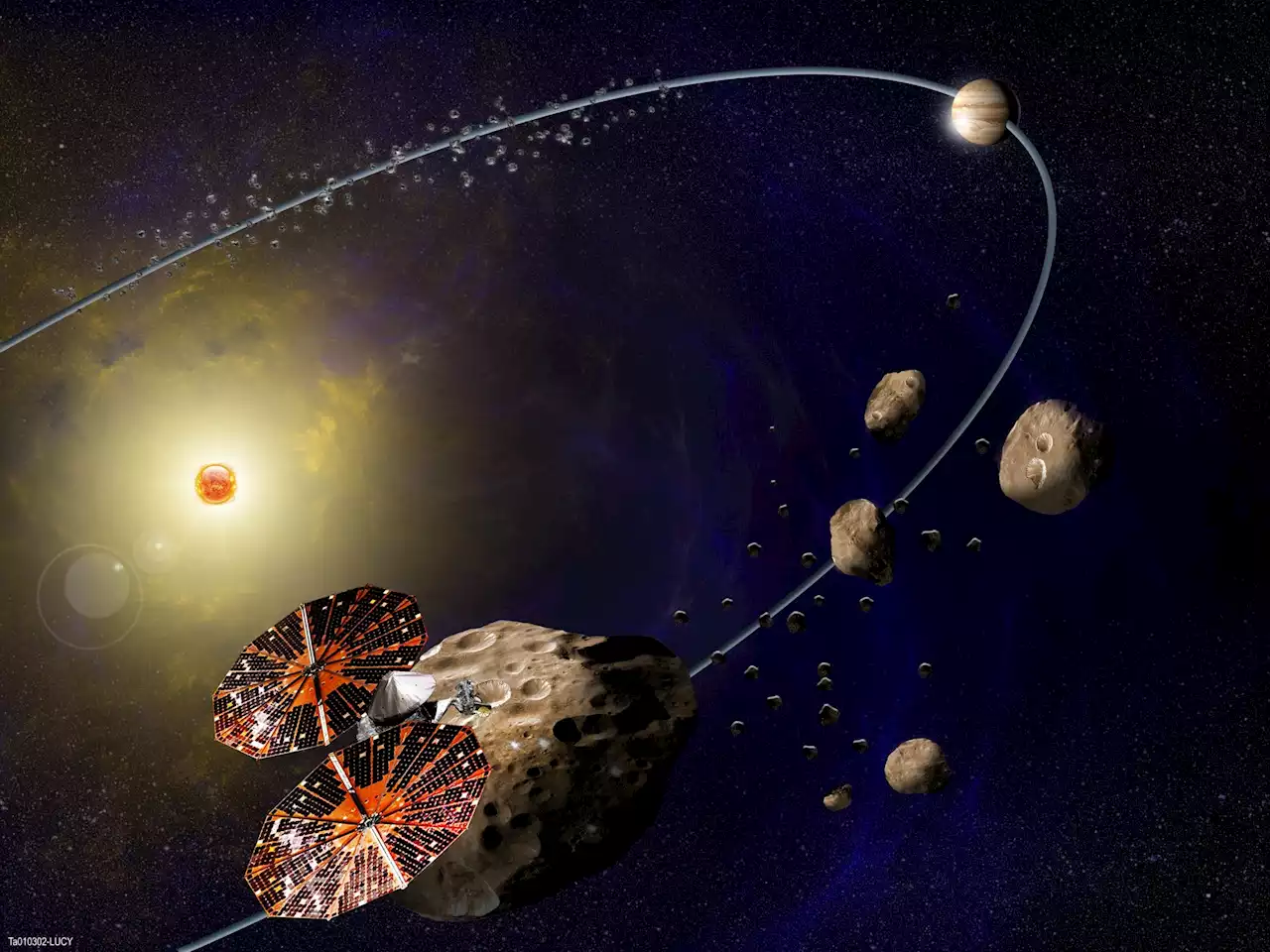 Look up! NASA's asteroid-hunting spacecraft will slingshot past Earth this weekend.NASA's asteroid-hunting spacecraft Lucy is celebrating its first full year on its mission with a flyby that will be visible in Earth's sky.
Read more »
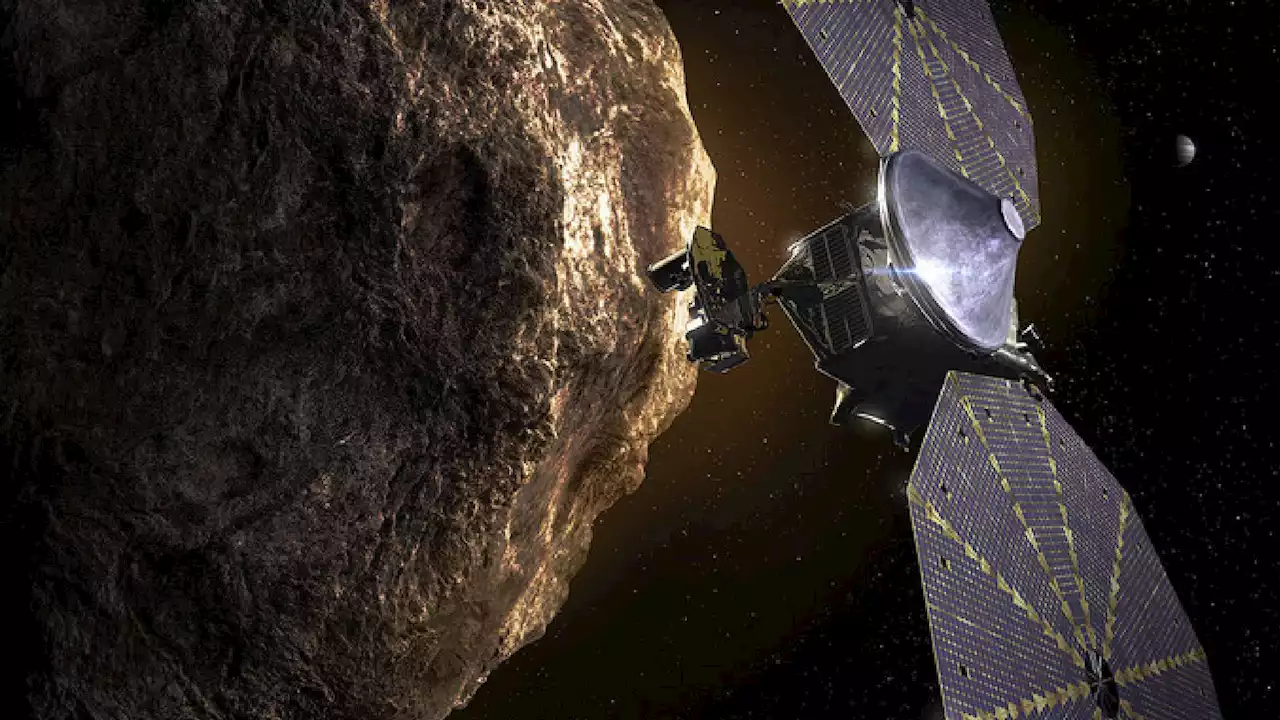 Today, NASA’s Lucy will speed towards Jupiter’s Trojan asteroids using Earth’s gravityNASA’s Lucy spacecraft is preparing to swoop near Earth on October 16 to use our planet’s gravity to set itself on a course toward the Jupiter Trojan asteroid but first it must navigate through thousands of pieces of debris.
Read more »
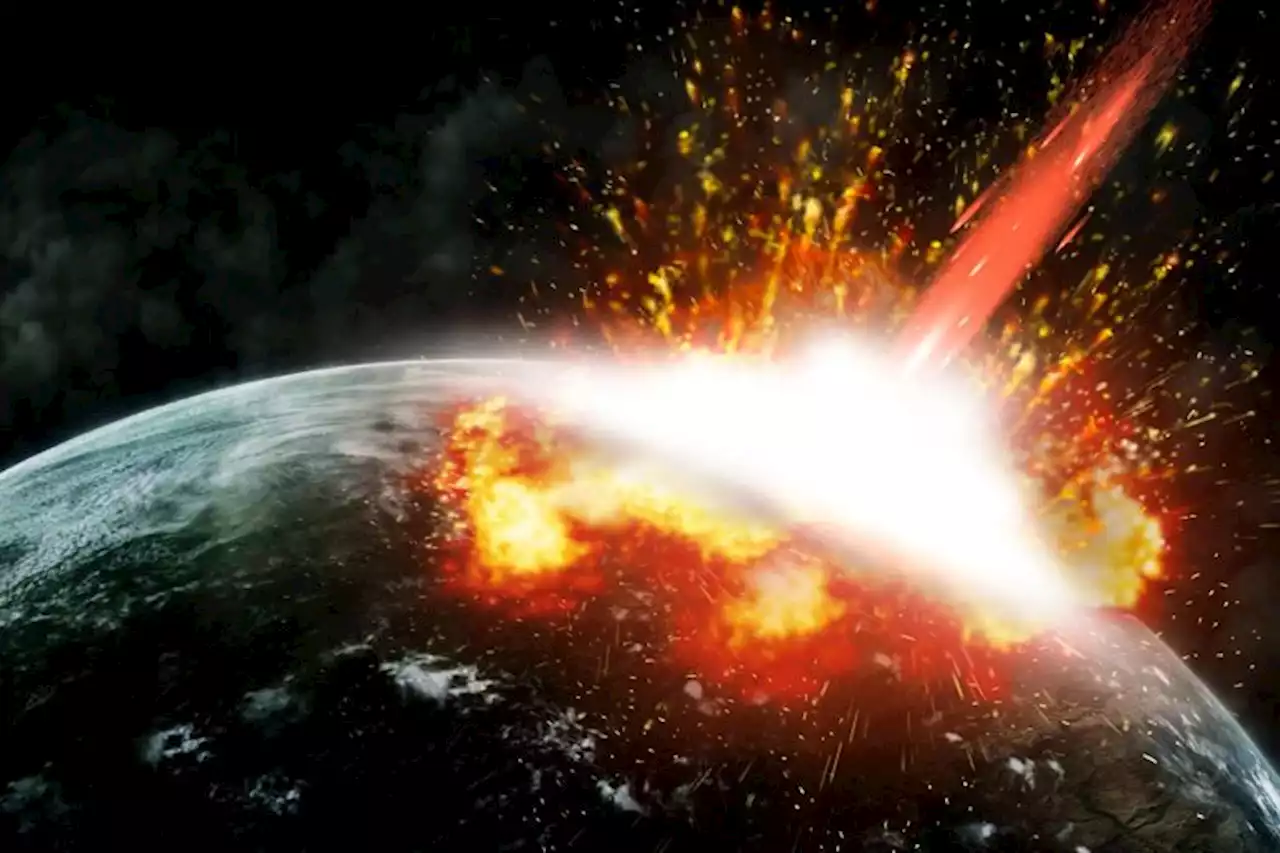 15 Miles in Diameter – Asteroid That Formed Earth’s Largest Crater Bigger Than Previously BelievedResearchers at the University of Rochester have created a more accurate simulation of the impact that created the Vredefort crater two billion years ago. An impactor hurtled toward Earth around two billion years ago, crashing into the planet not far from where Johannesburg, South Africa is now. T
Read more »
 Chris Jericho on Terrifier 2, horror movies, and AEW | Digital TrendsIn an interview with Digital Trends, wrestler ChrisJericho explains his love for the Terrifier franchise and how he ended up with a role in the film's sequel.
Read more »