


 +34
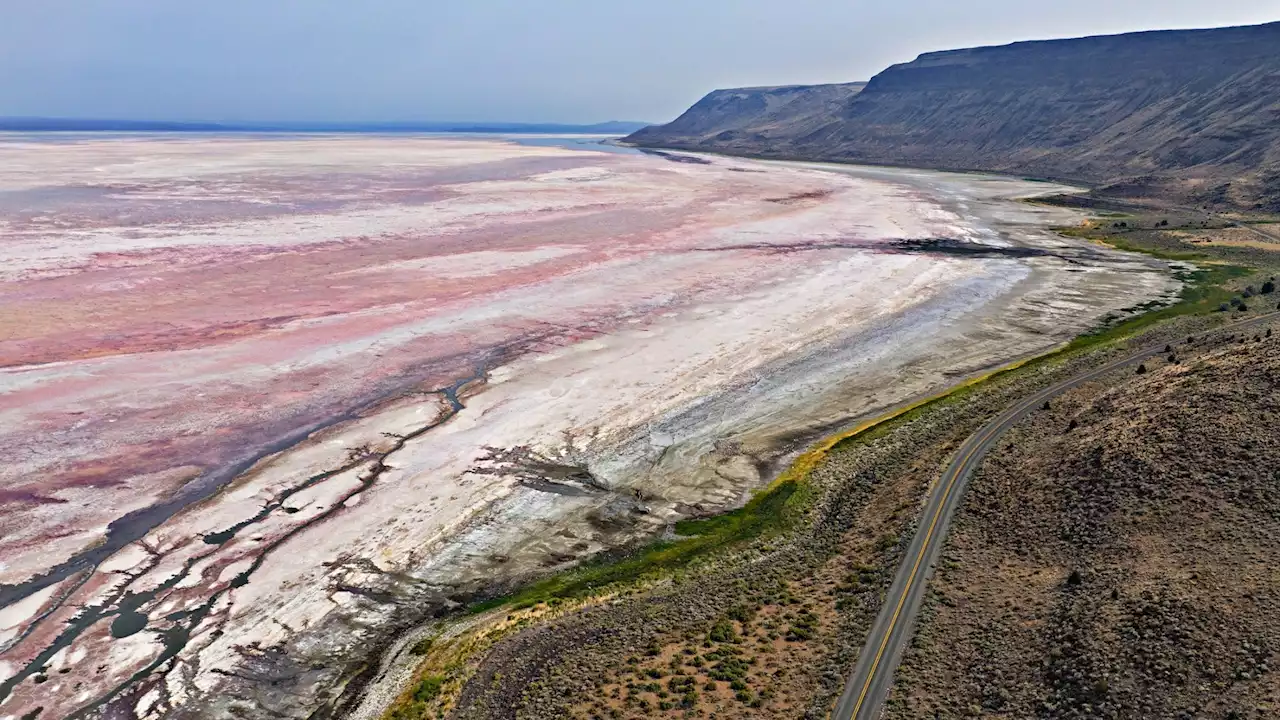
A new research and monitoring program aims to conserve threatened but overlooked saline ecosystems. (via highcountrynews)
from its source, Lake Abert and Summer Lake, two dried-up saline lakes in southern Oregon. This has happened before: Saline lakebeds are some of the West’s most significant sources of dust. California’s Owens Lake is the nation’s largest source of PM10, the tiny pollutants found in dust and smoke, while plumes blowing off the 800 square miles of the Great Salt Lake’s exposed bed have caused toxin-filled dust storms in Salt Lake City.
Saline lakes are rapidly losing water to climate change and agricultural and urban uses, becoming some of the West’s most threatened ecosystems. Now, new legislation is offering some support. On Dec. 27, President Joe Biden signed the bipartisan, which allocates $25 million in funding for research and monitoring at saline lakes across the Great Basin. While this funding is an important step, it cannot give the lakes what they really need: more water. The Interior West is full of salt lakes, created when snowmelt pools in the valley bottoms of the Basin and Range region. The valleys have no outflow, so the water remains until it evaporates, leaving behind the particles that were suspended in it. These accumulate over time, giving the lakes a high salinity. “It creates a unique system that supports brine shrimp and alkali flies that can feed incredible populations of migratory birds,” said Ryan Houston, executive director of the Oregon Natural Desert Association, which seeks to conserve Oregon’s high desert, including Summer Lake and Lake Abert. Yet this balance of runoff, salts and evaporation also makes saline lakes highly sensitive to climate change. Decreasing snowpack and increasing evaporation due to higher temperatures means that there is less water in the lakes and a higher concentration of salt. That stresses shrimp and flies, which have adapted over time to specific salinities, and it also exposes dry lakebeds, creating dangerous dust storms. Decades of diversions for agricultural and municipal use have also taken the lakes’ water. California’s Owens Lake, for instance, has been almost completely dry for nearly a century since its water was diverted to Los Angeles. Aby Utah scientists and conservation organizations warned that the combination of water diversions and climate change has put the Great Salt Lake on track to disappear within five years. Many see poor air quality as the main reason to save the lakes. But the dust is a sign that the entire ecosystem is withering. Saline lakes are key stops on the Pacific Flyway, the bird migration route that extends from Alaska to Patagonia, Chile. “That we’re worried about dust says to me that we’ve already gone past the point of Lake Abert being lost as part of the Pacific Flyway, its most important ecological value,” said Houston. Over 80 species of birds either inhabitThe new legislation will create a research and monitoring program aimed at conserving salt lakes, including Lake Abert, Summer Lake, the Great Salt Lake, California’s Owens and Mono lakes, and Nevada’s Ruby and Walker lakes. According to David Herbst, a biologist who began conducting research at Mono Lake in the 1970s, because only a “small core of scientists” conducts research on saline lakes, there’s a strong need for more monitoring by federal and state agencies.Geoffrey McQuilkin, executive director of the Mono Lake Committee, toldvia email that the Act is important “because it funds scientific research that will inform how to successfully manage valuable habitats to preserve their many benefits in the era of climate change.” Clayton Dumont, tribal chairman of the Klamath Tribes, whose traditional territory borders Lake Abert, saidThis isn’t the first federal program dedicated to the lakes. The 2002 Desert Terminal Lakes Program provided over $200 million to support the conservation of Nevada’s saline lakes through scientific research and purchase water rights. The
Scratch the next story
United States Latest News, United States Headlines
Similar News: You can also read news stories similar to this one that we have collected from other news sources.
 U.K. Is First Country to Agree to Send Western Battle Tanks to UkraineThe U.K. said it would become the first known country to send Western-type main battle tanks to Ukraine, hoping to clear the way for other allies to follow suit
Read more »
 How Ukraine became a laboratory for western weapons and battlefield innovation | CNN PoliticsLast fall, as Ukraine won back large swaths of territory in a series of counterattacks, it pounded Russian forces with American-made artillery and rockets. Guiding some of that artillery was a homemade targeting system that Ukraine developed on the battlefield.
Read more »
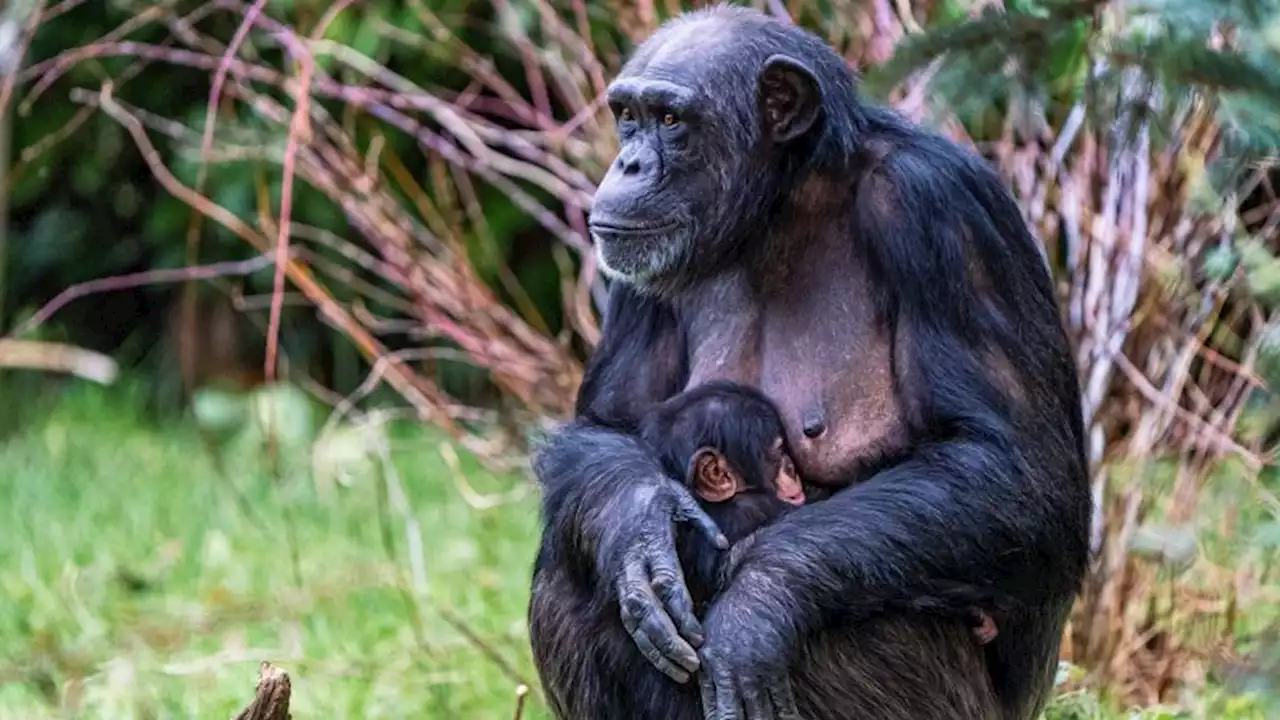 Chester Zoo announces birth of critically endangered Western chimpanzee | CNNThe Chester Zoo in Cheshire, England, has welcomed the birth of a Western chimpanzee, the most endangered subspecies of chimpanzees.
Read more »
 ON THE ELEVATION OF THE WESTERN COAST OF SOUTH AMERICA | HackerNoonThe evidence of recent elevation is here more satisfactory. - geology nonfiction
Read more »