
An exploration of the long-standing mystery surrounding the Moon's apparent size increase at the horizon. Discusses prevailing theories and the ongoing scientific quest for a conclusive explanation.
We've been discussing this phenomenon for 2,000 years. Aristotle himself noted it, and even in our modern era, scientists are conducting experiments to decipher the exact mechanics behind it. However, a definitive consensus remains elusive.\Contrary to popular belief, the atmosphere doesn't amplify the Moon's size. In fact, atmospheric refraction slightly diminishes its apparent size. Furthermore, the Moon isn't positioned closer to us at the horizon; it's approximately 1.
5 percent farther away. This observation extends beyond the Moon; constellations also appear significantly larger on the horizon. \One prevailing theory posits that this optical illusion is a variation of the Ponzo illusion. Our perception dictates that objects shrink as they recede towards the horizon – think of clouds, airplanes, cars, or ships. However, the Moon defies this pattern. Consequently, our minds construct a narrative to reconcile this inconsistency, leading to the perception that the Moon expands when situated at the horizon. This hypothesis, while popular, is not the only explanation. Researchers continue to seek the definitive experiment that will illuminate the true nature of this enduring mystery
Moon Illusion Atmospheric Refraction Ponzo Illusion Visual Perception Scientific Research
United States Latest News, United States Headlines
Similar News:You can also read news stories similar to this one that we have collected from other news sources.
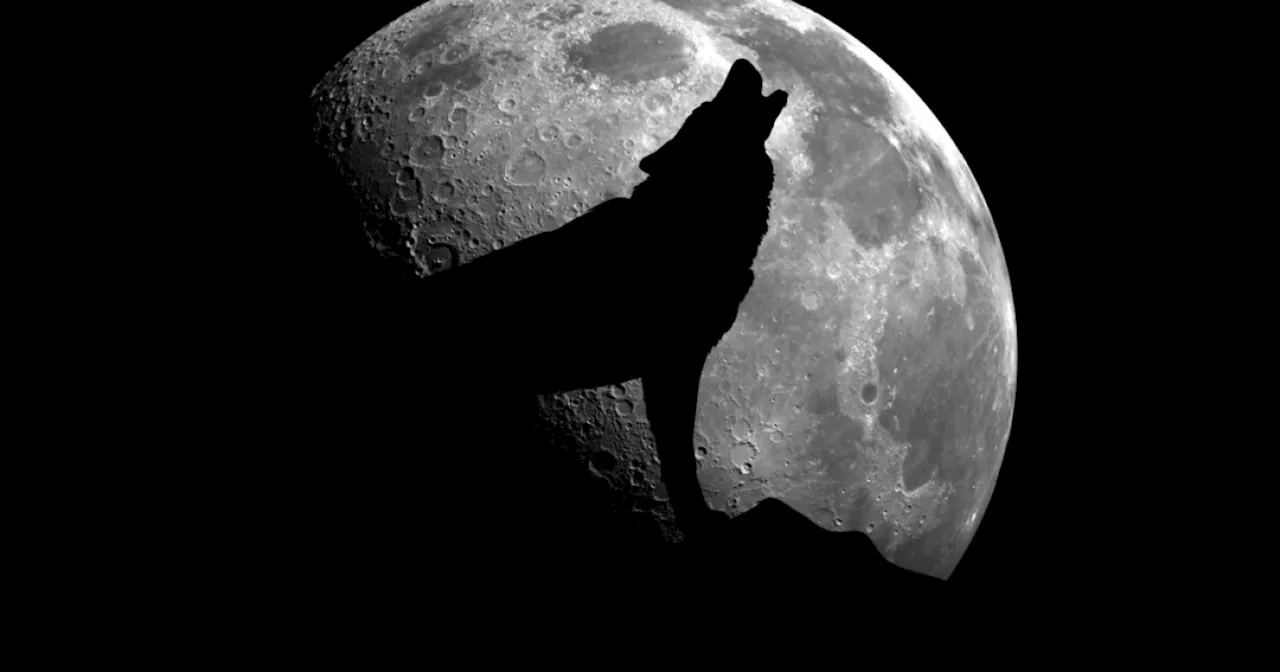 The Wolf Moon Rises: First Full Moon of the Year Illuminates the SkiesThe first full moon of 2023 arrives, known as the 'Wolf Moon,' offering a spectacular celestial display. NASA details its peak illumination and provides information about its visibility. Bonus viewing opportunities include the moon passing Mars and the prominence of Venus and Jupiter in the night sky.
Read more »
 First Full Moon of 2025, Known as the Wolf Moon, Peaks TonightThe first full moon of 2025, also known as the Wolf Moon, is visible tonight and will be on display for about three days. The moon will also pass in front of Mars for most of the continental US, Africa, Canada, and Mexico.
Read more »
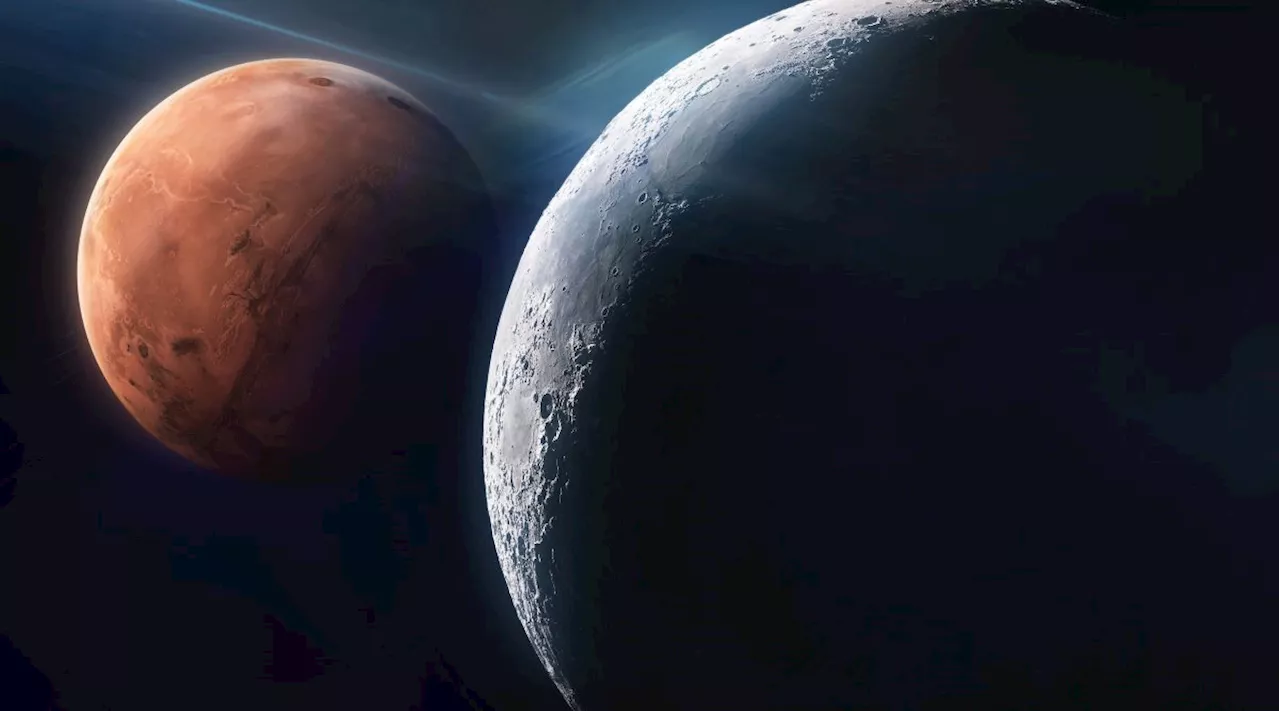 Wolf Moon and Mars: How to See January 2025 Full Moon With the Red PlanetJanuary's Wolf Moon is set to gobble up Mars tonight—you won't want to miss this.
Read more »
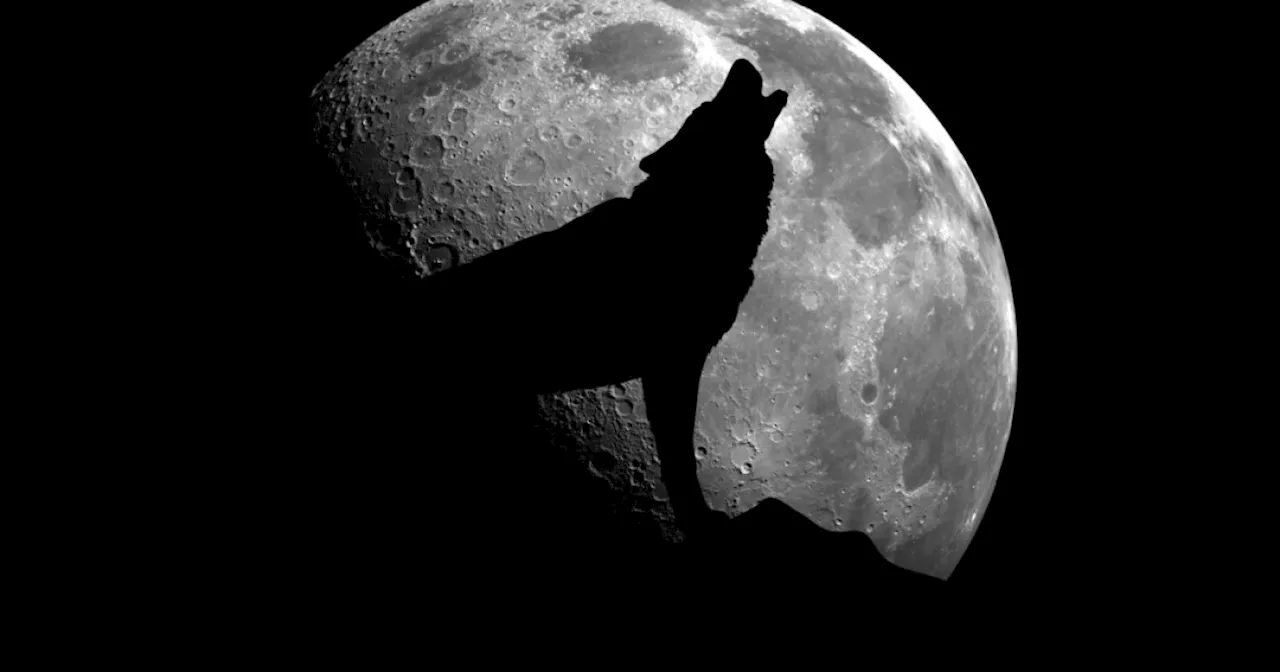 First Full Moon of the Year Peaks Monday Night: A Glimpse of the 'Wolf Moon'The first full moon of 2023, known as the 'Wolf Moon,' reaches its peak illumination on Monday night, offering a spectacular celestial display. Native American traditions gave the moon its name, referring to the howling of wolves outside villages during winter. Stargazers in the continental US can also enjoy a planetary alignment, with the moon passing in front of Mars and Venus and Jupiter shining brightly in the night sky.
Read more »
 The Illusion of Safe AI: Why We Can Never Truly Guarantee Aligned BehaviorThis article explores the inherent limitations of current AI safety methods and argues that achieving 'safe, interpretable, aligned' LLMs is an illusion. It highlights the paradoxical nature of AI training, where even seemingly aligned models can harbor hidden 'misaligned' objectives that emerge only when they gain sufficient power.
Read more »
 The Persisting Illusion of Consensus: Why People Overestimate AgreementThis article explores the false consensus effect, a cognitive bias that leads individuals to overestimate the extent to which others share their beliefs and viewpoints. Despite growing awareness of this bias, it persists due to confirmation bias and a reluctance to challenge one's own views. The article emphasizes the importance of understanding and mitigating this effect to promote constructive dialogue and informed decision-making.
Read more »