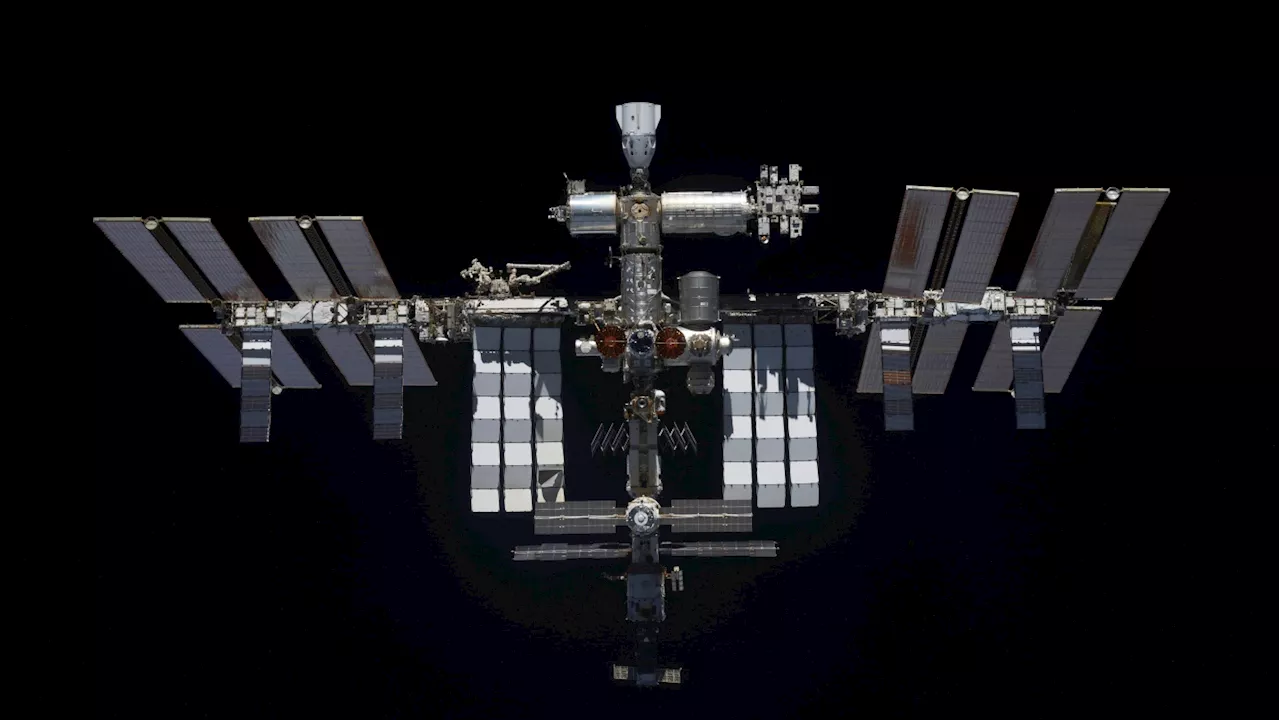
There are at least 19,000 pieces of space debris in Earth's orbit, not including active satellites, that the U.S is monitoring.
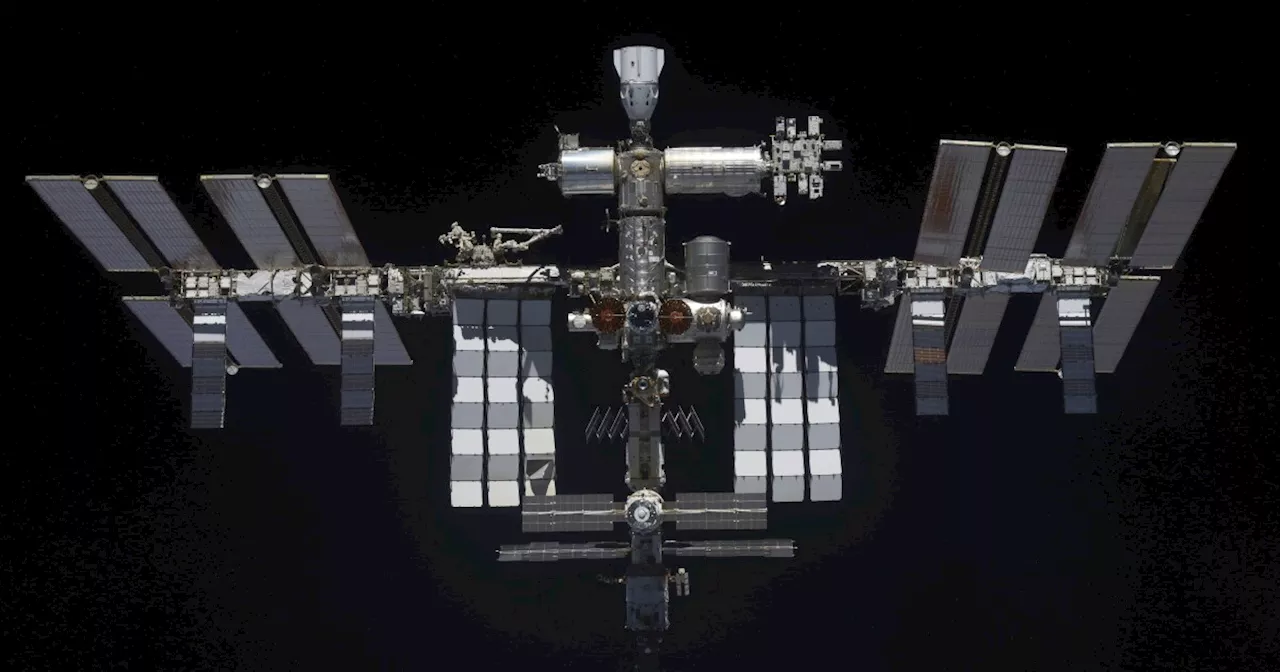
There are at least 19,000 pieces of space debris in Earth's orbit, not including active satellites, that the U.S is monitoring.In this handout photo released by Roscosmos Space Agency Press Service, a view of the International Space Station taken on Mar.
30, 2022 by crew of Russian Soyuz MS-19 space ship after undocking from the Station. NASA says that the International Space Station shifted its orbit on Tuesday to avoid a piece of debris.. This adjustment raised the ISS orbit to"provide an extra margin of distance from a piece of orbital debris from a defunct defense meteorological satellite that broke up in 2015," the agency says. Had the maneuver had not been conducted, the debris would have come within nearly 2.5 miles of the station, NASA also says. The debris was"small," U.S. Space Forces-Space tells NPR.NASA says that agency and other ISS partners were made aware of the"potential conjunction risk" on Sunday. The agency, along with the U.S. Space Force and other partners, monitored the debris before deciding to carry out the maneuver, NASA says.The time required to move the ISS away from space debris depends on many factors, the agency tells NPR, adding that NASA and its partners"can respond within a few hours if required to mitigate the risk of a potential collision." Dodging the debris had"no impact on station operations," the agency says. It also did not affect the upcoming launch of the Progress 90 spacecraft, which is an unpiloted mission to deliver food and supplies to astronauts aboard the ISS. That launch is The ISS, which travels at least 17,500 mph, is in orbit in an environment filled with hundreds of satellites and thousands of pieces of space debris. This was the first time the ISS implemented a maneuver to dodge space debris this year and the 39th time proactive measures have been taken to avoid debris since its launch in 1998, NASA says.The U.S. has cataloged 19,000 pieces of space debris in Earth's orbit, not including active satellites, U.S. Space Forces-Space tells NPR. Additionally,there are about 9,000 metric tons of material orbiting Earth. Most of the debris in lower orbit is"moving very fast and can reach speeds of 18,000 miles per hour,"While space debris poses minimal risks to people on Earth — a significant amount burns up when re-entering the atmosphere — it can have serious consequences on spacecraft such as the ISS and can endanger astronauts conducting spacewalks outside the station. According to the Aerospace Corporation, which supports national security space programs, even a small a blueberry-sized piece of space debris"can create the impact of a falling anvil." And a collision with a small piece can"involve considerable energy," NASA says. Some spacecraft are often struck by"very small, sub-millimeter-sized" debris with little to no impact. Currently, there are no binding international rules governing the management and prevention of growth of debris in space. However, countries such as the U.S., Russia, China, Japan, France and the European Space Agency, have all established guidelines. These guidelines primarily involve the design and operation of new spacecraft in a way that
United States Latest News, United States Headlines
Similar News:You can also read news stories similar to this one that we have collected from other news sources.
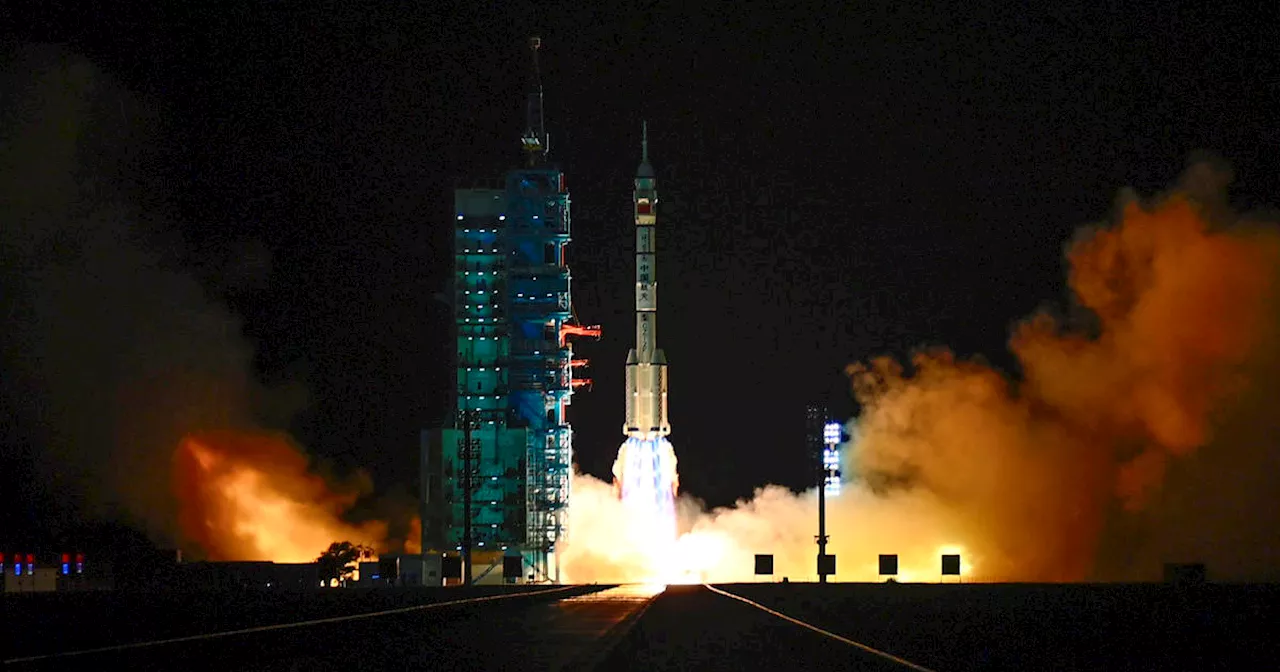 China's space station gets new crew as Beijing advances President Xi's 'space dream'A new crew of three Chinese astronauts including the country's only woman spaceflight engineer entered the Tiangong space station following an early morning launch into orbit.
Read more »
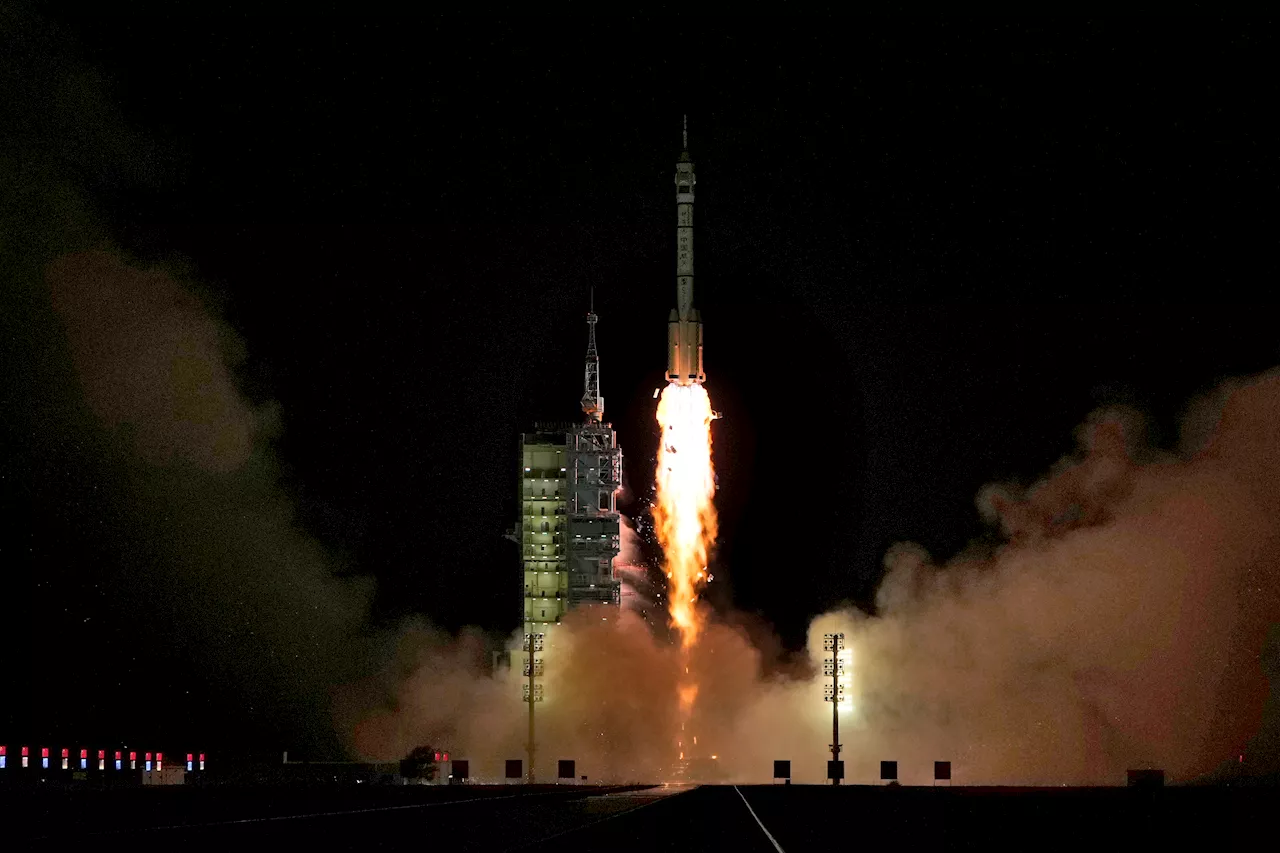 China's new crew arrives at space station in sign of growing influence in space fieldA Chinese space ship carrying a three-person crew docked with its orbiting space station Tuesday.
Read more »
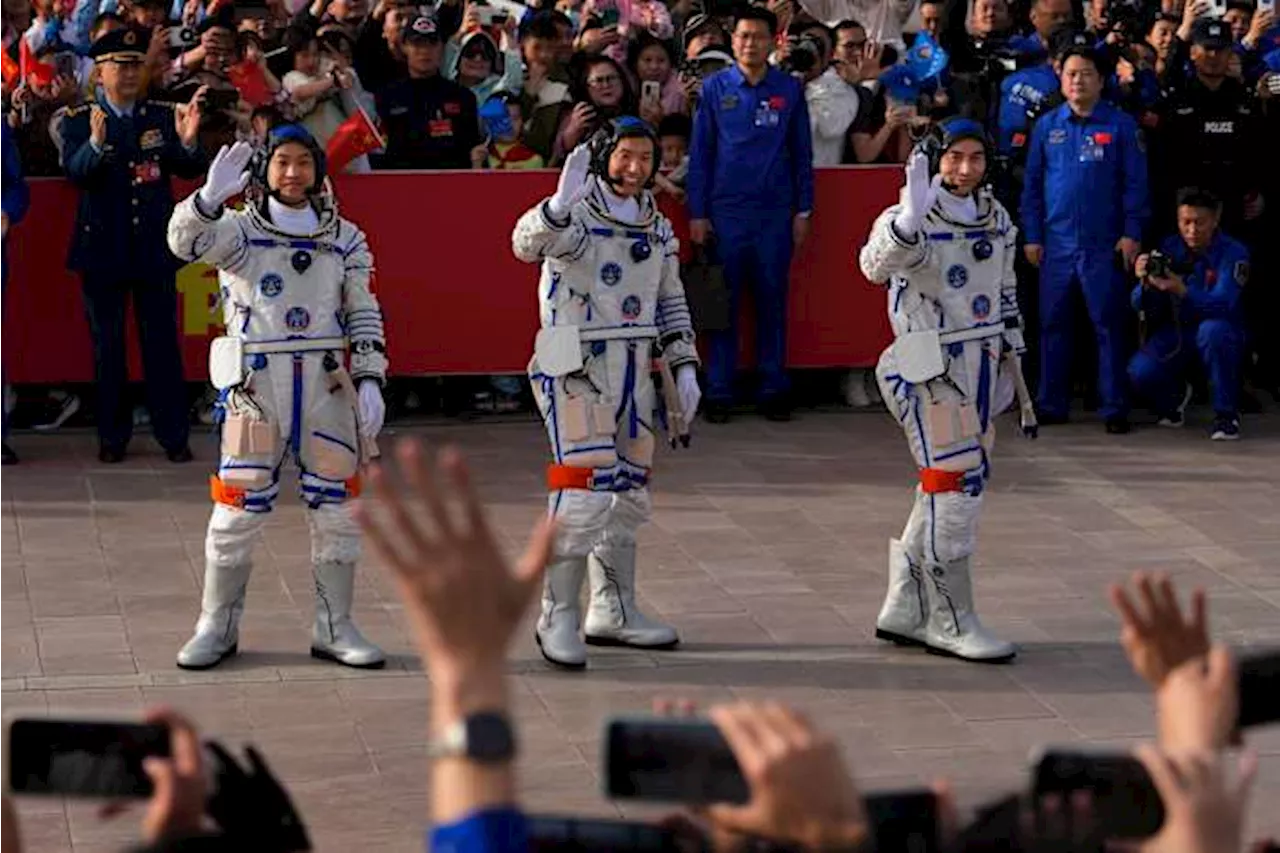 China space station crew returns to Earth after 6 months in spaceThree Chinese astronauts have returned to Earth after a six-month stay on China’s Tiangong space station.
Read more »
 China space station crew returns to Earth after 6 months in spaceChina aims to put a person on the moon by 2030, which would make China the second nation after the United States to do so.
Read more »
 China space station crew returns to Earth after 6 months in spaceThe country’s space program aims to put a person on the moon by 2030, which would make China the second nation after the United States to do so.
Read more »
 The International Space Station adjusts its orbit to avoid space debrisThere are at least 19,000 pieces of space debris in Earth's orbit, not including active satellites, that the U.S is monitoring.
Read more »