“He gave you this deeper-than-music kind of touch”: Nearly a year after his death, family and friends remember Young Dolph, the beloved Memphis rapper cut down in his prime.
albums — was releasing new music under the PRE banner to industry acclaim. Dolph was the boisterous bard of South Memphis, constantly spinning adversity into abundance.After beating the odds in two prior shootings, the prolific artist, born Adolph Thornton Jr.
, was gunned down Nov. 17 while visiting Makeda’s Homemade Butter Cookies on Airways Boulevard in South Memphis, just outside the Castalia Heights neighborhood where he grew up. Two masked gunmen pulled up in a stolen white two-door Mercedes-Benz, ran around the back of Dolph’s custom camouflage Corvette and opened fire on the rapper as he shopped inside, video shows. An autopsy revealed he was shot 22 times. He was declared dead at 12:39 p.m., just over five minutes after Memphis Police responded to the scene and an hour before people were due to line up for free turkeys handed out by his PRE artist Jay Fizzle at a nearby community center. As Jaye describes the stunning, tragic turn of events during a video interview, she covers her face with both hands and starts to cry. She says members of Dolph’s inner circle told her that the day before he died, he was too excited to keep the couple’s wedding day secret. “Yeah, me and Mia, we’re getting married in 2022, and I’m going to renew my mother and father’s vows there,” he purportedly boasted. “That was just so on the agenda. And when the 17th came, all of that became erased,” Jaye says, breaking down. The man she met through her University of Memphis college roommate years earlier — the love of her life and the fiercely protective father of her two young children, eight-year-old son Tre and five-year-old daughter Aria — was gone forever.Justin Ford/Getty Images “You spend so much time making mistakes, learning from your mistakes, going through growing pains with someone, to finally have a period of time to experience everything that you wanted to, to finally get to a place where you’re ready to submit your love,” she says. “We were in a place of love. We wanted to celebrate with our loved ones. We were ready, you know? And the day never comes, you know, because [he] was taken away in the blink of an eye, like, just never saw it coming.” BORN IN CHICAGO on July 27, 1985, Dolph moved to Memphis around the age of two and was raised largely by his paternal grandmother, Ida Mae Thornton, alongside his two younger brothers. His parents were in the grips of crack addiction and struggling to care for their five kids, relatives say. Dolph’s older cousin, Aaron Hope, known by his nickname Pappoose, was a teenager in Chicago when Dolph was born, one of countless young people swept into the seismic scourge of a cheap and highly addictive drug that policymakers met with mass incarceration rather than resources. He says he enabled Dolph’s parents in their addiction. “I was part of the problem. . . . I was the provider of that [in Chicago],” he tellsas he settles into a lawn chair outside the white clapboard house in Memphis’ Castalia Heights neighborhood, where Ida Mae lived until her death in 2008. “The problems I was creating split the family up.” As Hope describes it, while Dolph’s parents struggled, Dolph’s two grandmothers swooped in with a plan to help care for the five Thornton kids: The future rapper’s two older sisters would stay in Chicago with their maternal grandmother, while Dolph and his younger brothers, Marcus and Timothy, would live with Ida Mae. Despite the family turbulence, Dolph’s parents remained present in his life, sometimes living at another family residence in South Memphis, just outside of Castalia Heights. “They always been together, stayed together, no matter what happened. It’s a beautiful thing,” Dolph’s younger cousin, Mareno Myers, Aunt Rita’s eldest child, says as he stands next to Hope under an awning amid a late-summer thunderstorm. He says Dolph, known to the family as Main Main, was a “really special” child. “He was so smart. He was young, but he remembered so much. Like, when he was so little, I’d be like, ‘What the hell?’” Mareno says, explaining Dolph had an uncanny ability to keep track of everyone’s age and birthday. “I’ve always been amazed by that dude.” As Dolph grew older, money was tight. In his music and in interviews, he recalled sharing a bed with another cousin. In his track “I Survived,” he says Ida Mae became his full-time caretaker once he hit the fourth grade. While his parents had tried to resume raising him, she took him back in after he got in trouble at school for calling his teacher a “ho.” “Where I would be without Ida Mae?/Only Lord knows, God bless her soul,” he rapped. He would not give up because the odds were stacked against him. People doubted him. To prove people wrong, he kept going. Boxed in by a public-utility substation, a former Army supply depot, a Kellogg’s breakfast-cereal plant, and railroad tracks, the predominantly Black enclave of Castalia Heights mixes churches and tidy homes with gang activity and abandoned properties overrun with tall grass and debris. Dolph’s childhood friend Stephen Bradshaw, speaking tooutside a corner store just blocks from Ida Mae’s house, describes the neighborhood as an “island” unto itself within South Memphis. Under Ida Mae’s stern and watchful eye there, Dolph avoided its pitfalls. He joined the usher board at church and had to be home each night when the streetlights turned on, Jaye says. If he talked back, he paid a price. Many of his friends weren’t even allowed to set foot inside his grandmother’s house. “I thought she was the meanest motherfucker in the world,” Dolph said of his grandmother in a July 2021 appearance on Revolt TV’sFamily friend Lucreasie McDuffy, cast as the nosy neighbor in Dolph’s video for “Drop It on the Scale,” says Ida Mae was hardest on Dolph because she saw his potential. “She used to always say that [he] was her favorite baby, and he was going to go somewhere in life. She said, ‘I don’t know where he was going in life, but he was going to be something great,’” McDuffy, known as Miss Tammy, recalls. Ida Mae was a beautician by trade, and when Dolph was 13, he learned how to cut hair, starting with his two younger brothers. “We living with this old lady. I’m looking at her, like, ‘She old. It’s only so much she can do. It’s only so long she gonna be around.’ I’m like, ‘I gotta figure it out,’” he said on the podcastFriends say that Dolph would ride his bicycle around the neighborhood with clippers in his backpack. “He could draw pictures on your head. He was an artist,” Bradshaw, 38, recalls. “Skinny sideburns were his trademark — a fade into sideburns,” Bradshaw says with a laugh. “I used to beg him, ‘Bruh, don’t put them on there.’ And he’d be like, ‘I’m telling you, they make the haircut better.’” He says Dolph’s business acumen was obvious from the start: Dolph found a way to make his clients walking billboards for his handiwork while undercutting his competition with a slightly cheaper price for the same Nike swoosh logo or “Castalia” lettering carved with clippers. “He was a hustler, a multitalented hustler,” Bradshaw says. By his middle teens, Dolph turned to drug dealing. He used the cash to help his family, but he worked overtime to keep it a secret from Ida Mae. “My whole thing was like, I never want my grandmother to know,” he told Worldstar in a 2017 documentary about his life. He recalled watching in horror one day as contraband hastily stuffed in his shorts to prevent Ida Mae from seeing it fell through to the ground right in front of her. “She just started yelling and screaming,” he recalled. “I ain’t never want to let her down. I ain’t never want that shit to be in her mind about me. This shit just made me cry.”Paper Route Campaign , dropped in 2008, the year he turned 23. Those closest to him say it hardly came out of the blue. He’d been watching, listening, and plotting for years. When he visited Chicago, he saw his Aunt Rita helm the Future III Dance Troupe, a youth breakdancing collective that performed professionally around the Midwest. He didn’t have a TV at home, so he spent hours listening to the radio in his room. After he met Jeremel “Daddyo” Moore playing basketball as an elementary school student, the two became rap-battle partners. “He’s got an unorthodox flow nobody got. He’s just real,” Daddyo, now the CEO of Paper Route Empire, says in the Worldstar documentary. “It’s like he’s rapping, but it’s really like the blues. You know what I’m saying? It’s like, he tells the truth.” Once his first mixtape was under his belt, Dolph could see his future laid out in front of him. It was time to go straight. Armed with everything Ida Mae taught him, and what he learned on the streets, Dolph started self-funding more serious moves. His 2010 projectwas hosted by Atlanta radio personality DJ Scream, and marked the start of a long working relationship with Grammy-winning producer Drumma Boy. “He was so funny, man. Dolph was just so cool,” Drumma Boy, born Christopher Gholson, recalls of their first session together. “He’s like, ‘Drumma, what you want to eat today? We’re gonna put some work in today.’ Before we’d get started, he always would care if you ate, so nobody’s grouchy.” Gholson immediately recognized what set Dolph apart and ended up introducing him to future collaboratorsand 2 Chainz. “Dolph was just so special. He would take the breath out of you,” the producer says. “He was a real stand-up dude, and people love being around real people. He was serious. He gave you this deeper-than-music kind of touch. Some people just always want something for nothing. But Dolph was like, ‘I want something, but I have something, too.’ It was a balance. He was willing to invest. He put his own budget on the line.” When a beloved uncle died in 2010, Dolph asked Hope to stay behind in Memphis after the funeral and work full-time on his new endeavor. Hope said his younger cousin was relentless. “He’d ask me, ‘What you gonna do? What you gonna do with your life, cuz? What you doing down in Chicago?’ Because he knew I was into different things I shouldn’t have been into. But, you know, I had a chance of going to jail, and he didn’t want to see that,” Hope says. “He was putting his plan together: ‘I get the CDs and print them up, and have him pass them out. That way, keep him out of trouble and do something positive and turn his life around’ … The day I said I would stay, 300,000 [blank] CDs were delivered here, and I started printing them.” Bradshaw and another friend, Odom Hamm, recall helping Dolph distribute the CDs all over town. “When we’d leave the club, they’d be all of them on the ground. We’d pick them up, put them back in the box, come back to the neighborhood, do it again,” Hamm, 35, says. Now an author who underwrote the Young Dolph tribute mural at the corner of Castalia Street and Boyle Avenue, Hamm says any rejection only motivated Dolph to try harder.Paras Griffin/Getty Images “He would not give up because the odds were stacked against him. What made him keep going was the ambition to hustle. People doubted him. To prove people wrong, he kept going,” Hamm says., back-to-back projects complete with Drumma Boy beats and features from Juicy J, Gucci Mane, and 2 Chainz. Dolph was bankrolling himself, printing 20,000 CDs at a time, handing them out for free and printing up more, he told. “My whole thing was to just get myself super hot, super fast,” he said. For his first major show, he paid $3,000 to open for Atlanta rapper OJ Da Juiceman. “I just had to put myself in a position, like, where I got to perform — ain’t no giving them the option to let me perform,” he told. “I just had a vision, man. I just knew what I wanted. I didn’t pay $3,000 to go get on any stage. Know what I’m saying? It was a certain, particular night and a particular artist, and like certain shit I was trying to do.” After the Juiceman show, Dolph’s popularity skyrocketed. Fellow Memphis rapper Yo Gotti tried to sign him to his Collective Music Group label, but Dolph declined the offer, saying he feared people might believe he only “popped off” because of Gotti. The rebuff set the stage for what would become an infamous hometown rivalry.platinum-selling hit “Cut It,” which peaked at Number 35 on the, purportedly offending Gotti with the title. “You went from my biggest fan to my biggest hater/Begging me to sign with you, but I had too much paper,” Dolph rapped in a diss track. Weeks later in February 2017, Dolph’s armored SUV was struck by a hail of gunfire in Charlotte, North Carolina. Miraculously, he survived. He dropped his second studio album,that April. “How the fuck you miss a whole hundred shots?” he asks on its opening track. A few months after that, in September 2017, Dolph was shot several times outside the Loews hotel just off Hollywood Boulevard in Los Angeles. He fled to a nearby shoe store and ended up in critical condition. A man named Corey McClendon was arrested but later released in the still-unsolved crime. Gotti reportedly was staying at the hotel, and he and McClendon had been arrested together in 2010 after another shooting, in the parking lot of Level II in Memphis, theAs Dolph left the hospital wearing a sling on his arm, he turned to a camera and promised fans new music. Days later, in October 2017, he released his third studio album,. A video for the track “Believe Me” included footage from inside the medical center. “Made a lot of money, lost a lot of friends though/Your homies loyal ’til the one time you tell ’em no,” he rapped. The video ends with Dolph hanging out in a mansion with his two young children. Dolph mentioned the Hollywood shooting again in his 2018 ballad “Black Queen,” rapping “I’m like LeBron, can’t shit stop me/I was by myself, they was eight deep when they shot me.” The line was tucked into what was otherwise an ode to his mother, who plays a grand piano next to her son in the music video. DESPITE THE BACK-TO-BACK attempts on his life, Dolph kept going. He grew PRE with several Memphis rappers, including Key Glock, and expanded the label’s reach by signing Brooklyn rapper Joddy Badass. In a 2018 video posted to Instagram, Dolph laughed as he claimed he was turning down a $22 million label deal. “He had to be some type of monster genius to have one mind but be able to think like 10 to 15 different people. He was an artist and a CEO running an independent label. Just imagine how many hats you got to put on, the relationships you have to build,” his longtime engineer, Peezy Mane, also known as Lil Pat and Patrick Wilkins, tells. “He was one of the hardest-working people I know. At one point in time, I couldn’t understand when he went to sleep. For real.” Dolph controlled his own marketing and used his millions to promote his projects while giving back. When he heard that two Duke University students got fired from a campus coffee shop for playing his song “Get Paid,” he flew them to Miami, brought them onstage at Rolling Loud, and gave them each $10,000. When he found out Miss Tammy had been diagnosed with cancer in 2019, he “dropped everything” to make sure she was all right, she says. “I was still trying to go to work to pay my bills, and he came by and gave me the money for every bill I owed,” she says, seated next to a framed picture of Dolph hung in her living room. “He was a remarkable person, an angel in disguise.” Jaye says Dolph was always opening his wallet. On one of their first real dates at a Memphis restaurant after nearly a year of platonic friendship, they were approached by a man asking for leftovers. Dolph took the man back inside the restaurant, bought him something fresh, and gave him some cash for his next meal. “I don’t feel like he was doing it to impress me,” she say. “It was so genuine.” On a 2015 trip to Punta Cana in the Dominican Republic for his sister Carlisa’s wedding, Dolph gave a kid the Air Jordans he was wearing and walked around barefoot. “He just felt like he was so blessed, and just, like, ‘I want to help others.’ That was truly who he was,” Jaye recalls. Of course, life with a charismatic trap legend and label boss wasn’t always easy. Jaye and Dolph had their ups and downs after welcoming their two kids. As she was dealing with postpartum depression and the strains of motherhood, he was often away for work. “The reason we weren’t married was because he was gone so much, you know,” she says. “It wasn’t women. He was never disrespectful to me. I never had those types of issues. It was just, presence, for me, was everything.”Courtesy of Mia Jaye But the Covid lockdown in early 2020 ultimately turned into the “greatest blessing in disguise,” she says. Soon, Dolph was skipping preplanned trips to stay home. He would cook breakfast for everyone, make smoothies for the kids, play on the trampoline. “I would say it saved our relationship. It actually created a marriage,” she says. “It gave us a moment to savor for the rest of our lives. And I just don’t really know that if the world wasn’t forced to stop and slow down, if we ever would have had that moment. Especially now that we’re forever robbed of it.” Asked about the day Dolph died, Jaye says, “I felt like I was living in a dream.” One of her friends, the college roommate who introduced the couple, reached out to say she was hearing “weird stuff” and that Jaye should call Dolph to make sure everything was all right. He didn’t answer. “From that point, I do remember having this gut-wrenching feeling,” she says. Jaye says after the 2017 shooting in Hollywood, Dolph had made sure she was contacted immediately so she wouldn’t worry. “He actually had the paramedics call me — he gave them my number,” she says. That call didn’t reveal the true extent of his injuries, but she knew he was able to communicate her number, and that was a hopeful sign. This time, “it was just different,” she says. “I didn’t know exactly what it meant, but I just started to go into prayer, and pretty much everything after that blurred.” Months after Dolph’s death, Jaye still hasn’t removed his clothes from the closet. “Everything is exactly the same. Peaceful,” she says. “I don’t really know the rationale, the psychology behind it, but it’s like, we’ll just keep these the same for some time, you know. That’s just how I’ve been dealing with my grieving process.” IN A DOWNTOWN Memphis courtroom on July 29, Dolph’s sister, Carlisa Brown, and mother, Diane Thornton, sat stoic behind his alleged killers, who stood just feet away in red jail uniforms. Prosecutor Joseph Griffith told the court he was still in the process of supplying “voluminous” records to the defense. “It might take a while. Be patient,” Judge Lee V. Coffee said, addressing Diane and Carlisa directly. “Any time this case is in court, you’re welcome to be here. And if there are any negotiations about a possible settlement, the state of Tennessee has to keep you abreast of that also.” For Brown, the amount of time it takes doesn’t matter — as long as those involved in her brother’s killing are held accountable. “I want [investigators] to do their due diligence and make sure every piece of the puzzle is found,” she tells Rolling Stone. “We’re definitely looking for justice, and that each and every person who’s involved is found.” The two men charged with Dolph’s slaying, Justin Johnson, 24, and Cornelius D. Smith, 32, pleaded not guilty to first-degree murder in February. After the arraignment, chief prosecutor Paul Hagerman of the Shelby County District Attorney’s office told the Associated Press he had a sense of what the motive was, but he declined to elaborate. He did not respond to a request for comment fromMemphis Police and the U.S. Marshals Service first named Johnson as a suspect on Jan. 5, releasing his photo, calling him armed and dangerous, and offering a $15,000 reward for information leading to his capture. Days later, the wannabe rapper, known as Straight Drop, posted on social media that he planned to turn himself in. It was a ruse, police later confirmed, and he was instead tracked to a truck stop just outside Terre Haute, Indiana, where he was arrested Jan. 11. While Johnson is seen wearing a large “PRE” pendant at his waist in a video for his song “Stepped On,” posted online Nov. 22, authorities have been mum about his relationship to Dolph. What is known is that Johnson had prior convictions for aggravated rape, aggravated assault, aggravated robbery, and unlawful possession of a weapon. He pleaded guilty to shooting three people at a bowling alley in 2017 and was sentenced to five years in prison, but got out on probation less than a year later because he had no prior record, WANT-TV reported. A short time later, Johnson was arrested in a federal gun case, convicted, and served a more than two-year sentence. Smith, meanwhile, was first arrested in connection with the crime on Dec. 9 in Southaven, Tennessee, on an auto-theft warrant involving the white Mercedes-Benz carjacked at a gas station and allegedly used by Dolph’s killers. Both he and Johnson are also charged with the attempted first-degree murder of Dolph’s young brother, Marcus, who was with Dolph at Makeda’s. The stolen vehicle was found Nov. 20 in a nearby neighborhood. A man who was riding with Johnson in Indiana, Shundale Barnett, 27, was arrested in January for allegedly assisting the wanted fugitive after the murder. He was released a few weeks later, after Tennessee police purportedly said they had no plans to come pick him up in Indiana. Two more men, Joshua Taylor and Devin Burns, both 26, were named as people of interest in the investigation on Feb. 20, but investigators have not said why.. “All I know is, anyone who could walk up and take the life of another person for no reason is someone with hate in their heart, a person who has no regard for life, a person who cares about nothing,” she said. “Our family has suffered a tremendous loss,” Rita, who lost her cancer battle in May, added of her nephew. “I’m still crying, day and night. We were very close. And it’s not just me, it’s the whole family. It’s like we lost a part of ourselves.” Reflecting on Dolph’s final days as the rain pours down in Memphis, his cousin Mareno says they were filled with examples of Dolph’s unyielding dedication to family and his community. He’d been talking about starting a music school for kids in South Memphis, which Mareno’s mom, Rita, was ready to help run. Someday, Mareno says, Dolph even wanted to open a water park. “He was maturing a lot, with his kids, entering a different phase of his life,” he says. Tears stream down his face as he plays Young Dolph’s 2012 track “Much Deeper,” a haunting trap tribute to departed relatives, and sings along.
United States Latest News, United States Headlines
Similar News:You can also read news stories similar to this one that we have collected from other news sources.
Death toll rises to 41 in tragic Turkish coal mine explosionSome of the miners’ relatives had waited all night outside the state-owned Turkish Hard Coal Enterprise’s (TTK) mine in the town of Amasra, for news.
Read more »
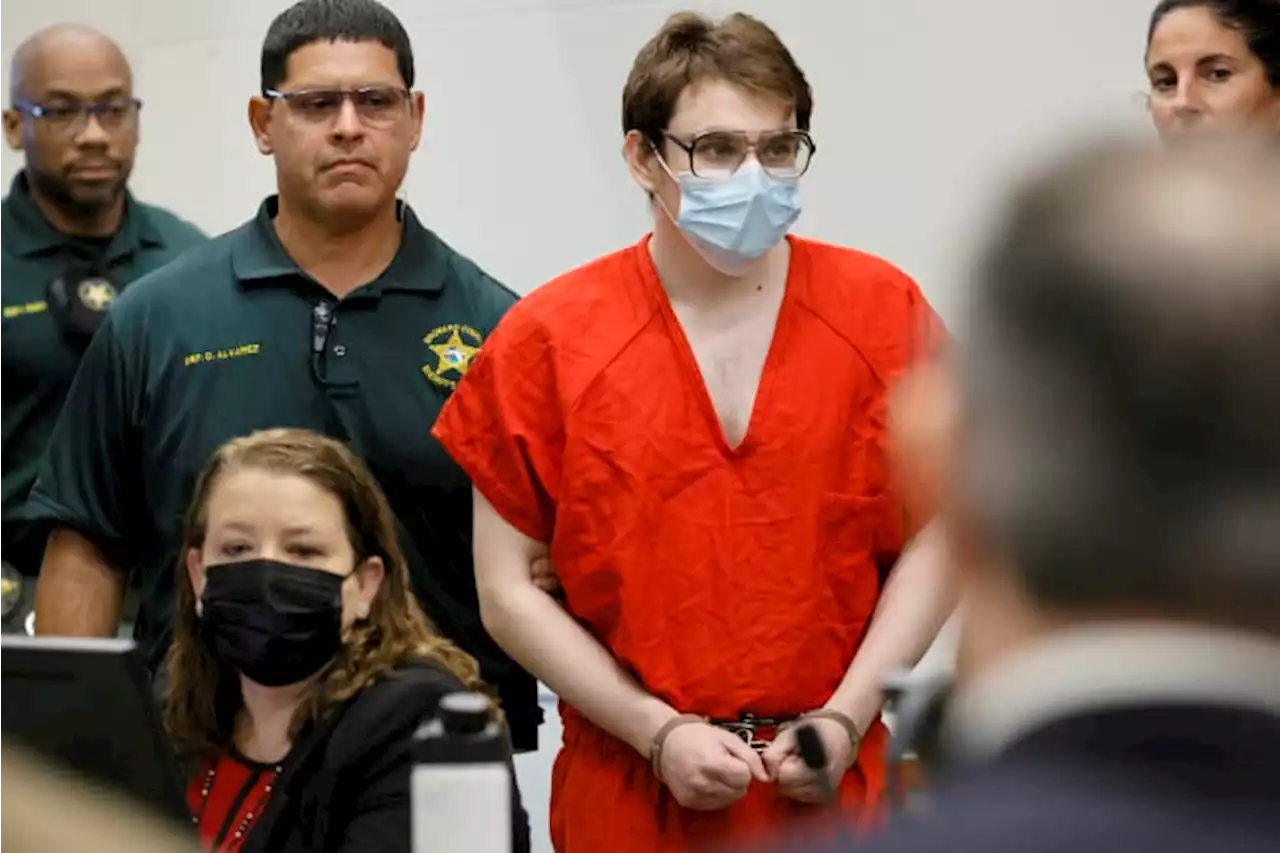
Parkland shooter's life sentence could bring changes to lawThe life sentence about to be imposed on Florida school shooter Nikolas Cruz could bring changes to the state's death penalty law.
Read more »
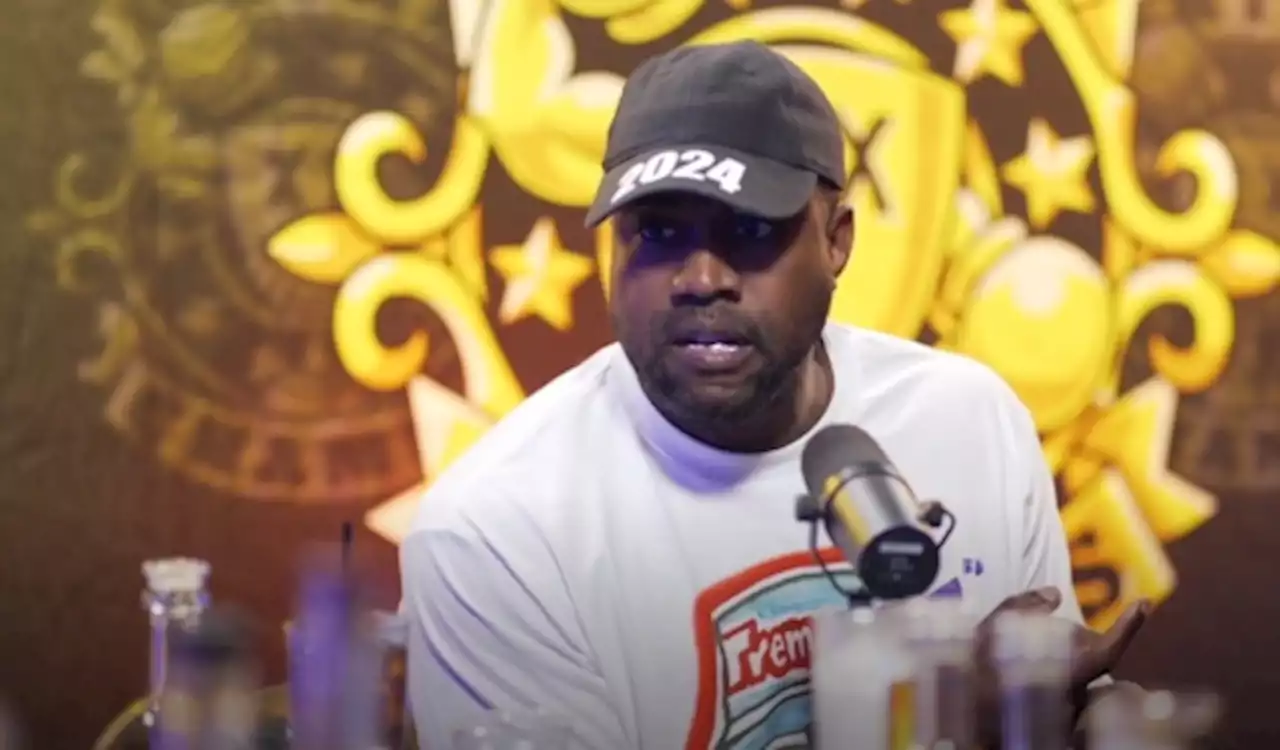
Kanye West Lashes Out at 'Jewish Zionists' on 'Drink Champs'After a controversial and troubling couple of weeks, Kanye West returned to 'Drink Champs' to lash out at 'Jewish Zionists' and the Kardashians
Read more »
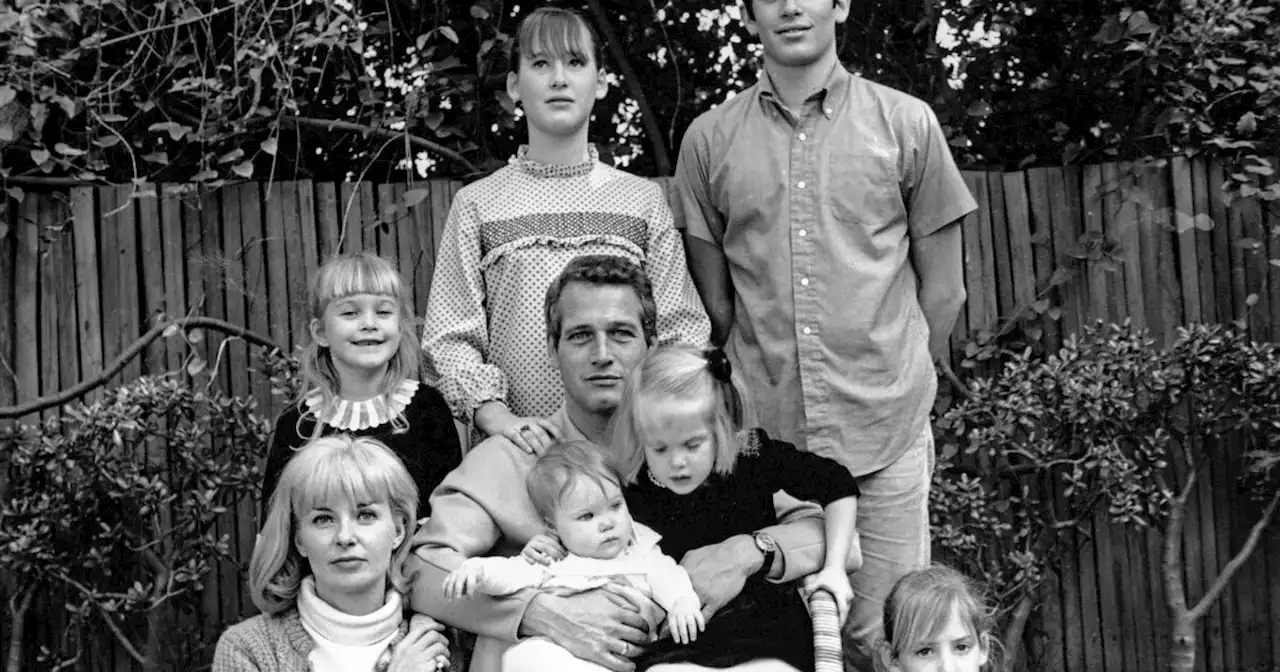
How Paul Newman's revealing new memoir came out years after his death“The Extraordinary Life of an Ordinary Man' draws on reams of interview transcripts rediscovered after Paul Newman's death. Here's how it came together.
Read more »
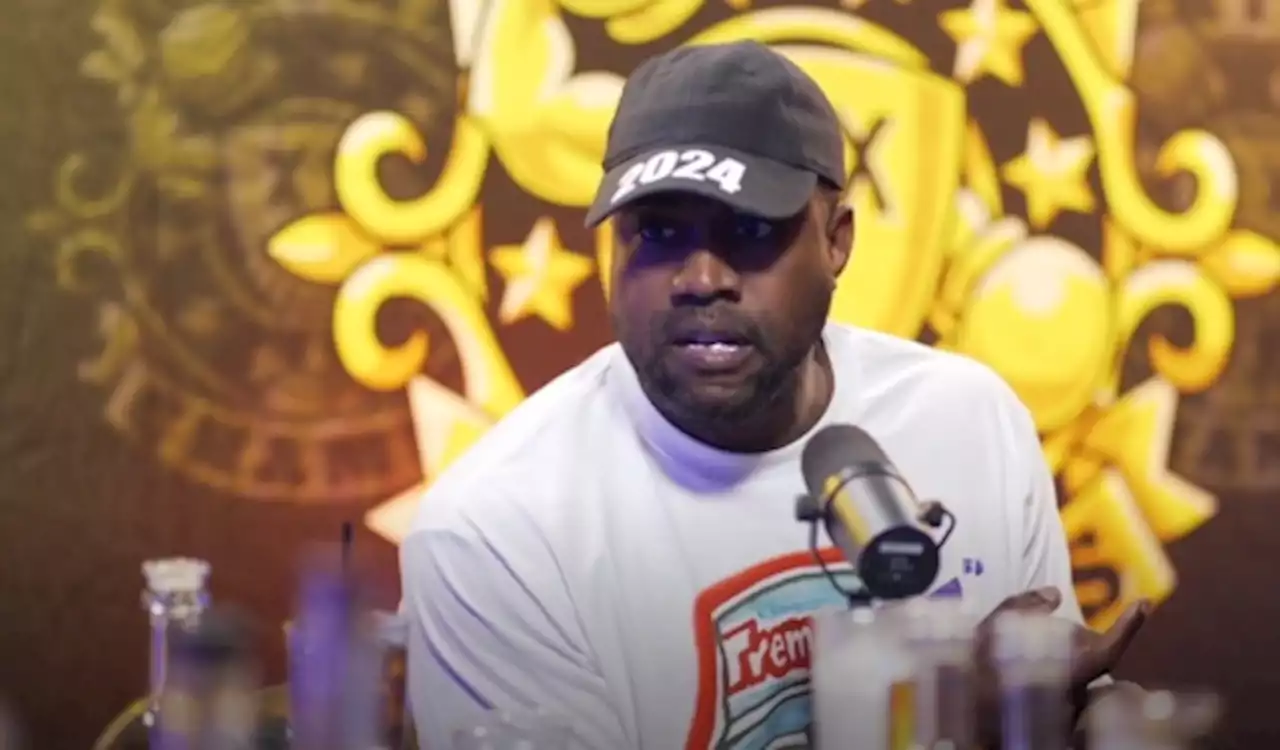
Kanye West Blames 'Jewish Zionists' for Paparazzi, Pulled Shows … and Kardashian Sex RumorsIn a new interview, Kanye West... » said 'Jewish people have owned the black voice' » called Pete Davidson 'a heroin addict' » called out Kardashians, Puff Daddy and Meek Mill » called Drake the 'greatest rapper ever' » more ⬇️
Read more »
The U.S. Just Lost 26 Years’ Worth of Progress on Life ExpectancyCOVID and overdose deaths have sharply cut U.S. life expectancy, with Indigenous peoples experiencing the biggest decline
Read more »