
Scientists have uncovered critical differences between how innate-like T cells mature in humans and mice. Early in life, most innate-like T cells in the human thymus aren't able to use all of their immune abilities. The discovery could point to better preclinical studies and, perhaps someday, a new form of immunotherapy.
Scientists have uncovered critical differences between how innate-like T cells mature in humans and mice. Early in life, most innate-like T cells in the human thymus aren't able to use all of their immune abilities.
The discovery could point to better preclinical studies and, perhaps someday, a new form of immunotherapy. Our immune system spans two worlds -- innate and adaptive. Innate immune cells are like troops at the gate ready to hold off invaders and raise the body's alarms. Adaptive immune cells are specialists that take longer to respond but can fight off foes in a more targeted manner. Curiously, there are also immune cells that exist between worlds. Important among these cellular combatants are innate-like T cells. Their hybrid-like nature makes them promising candidates for developing new kinds of immunotherapies against diseases such as cancer. The problem is that scientists still don't know much about how this unique type of T cell functions and develops in humans. Cold Spring Harbor Laboratory Assistant Professor Hannah Meyer and her collaborator at the University of Colorado Anschutz, Professor Laurent Gapin, set out to determine just that. "Studying the development of the immune system is as important as investigating its role in disease," says Salomé Carcy, a former graduate student in the Meyer lab who co-led this study."We need to understand immune cells' origin to gain insights into their functional potential in pathological contexts. One of the key motivations of our work was to investigate how much our knowledge built on mouse models applies to human physiology." The team discovered that innate-like T cells mature differently in humans than in mice, and that age plays a critical role here. They found that early in life, most innate-like T cells in the human thymus aren't able to use all of their immune abilities. It's as if they have one hand tied behind their back. In adults' bloodstreams, however, it's a different story. There, innate-like T cells are on standby, ready to fight as soon as they receive their 'go' signal. This pattern is observed in both mice and humans. According to Meyer, these distinctions should make for key considerations when it comes to developing and testing immunotherapeutics, especially since much preclinical trial research is conducted in mouse models."We need to take these differences into account," Meyer says."We'd be interested to look at these differences to see how they change over time and if these cells are more powerful at different ages. And is this something we can therapeutically exploit?" For now, Meyer and her team continue to dissect the complicated lives of immune system agents such as innate-like T cells. Their work may one day allow researchers to harness the power of both the innate and adaptive immune systems into a new, more formidable kind of immunotherapy.Liyen Loh, Salomé Carcy, Harsha S. Krovi, Joanne Domenico, Andrea Spengler, Yong Lin, Joshua Torres, Rishvanth K. Prabakar, William Palmer, Paul J. Norman, Matthew Stone, Tonya Brunetti, Hannah V. Meyer, Laurent Gapin.Research reveals that T cells from the adaptive immune system can manipulate the memory of innate immune cells. Previously, it was believed that the memory of innate immune cells operated ... The innate immune system plays a crucial role in regulating host-microbe interactions, and especially in providing protection against pathogens that invade the mucosa. Using an intestinal infection ... Scientists supports a novel theory that the innate immune system can respond differently to specific pathogens. This quality, known as immunological specificity, was previously ascribed only to the ... Researchers have shown in preclinical studies conducted in mice and human cells that a type of immunotherapy based on natural killer cells could be effective against solid tumors, starting with ...Can Fungi Turn Food Waste Into the Next Culinary Sensation?
Lymphoma Stem Cells Medical Topics Biology Mice Developmental Biology Behavioral Science
United States Latest News, United States Headlines
Similar News:You can also read news stories similar to this one that we have collected from other news sources.
 UK scientists use AI on 1.6 million brain scans to predict dementia earlyA robust collaboration in the UK has amassed over a million brain scans to develop better prevention tools using AI.
Read more »
 Early August Landslide in Kenai Fjords National Park triggers tsunami, scientists recommend caution in areaScientists and Kenai Fjords National Park are recommending people going to an area near Seward to be aware after they say a major rain event triggered an estimated 2.6 million cubic yards of land to fall and trigger a tsunami in Pedersen Lagoon.
Read more »
 U.S. Department of Energy Awards $138 Million to 91 Early Career ScientistsClean Tech News & Views: EVs, Solar Energy, Batteries
Read more »
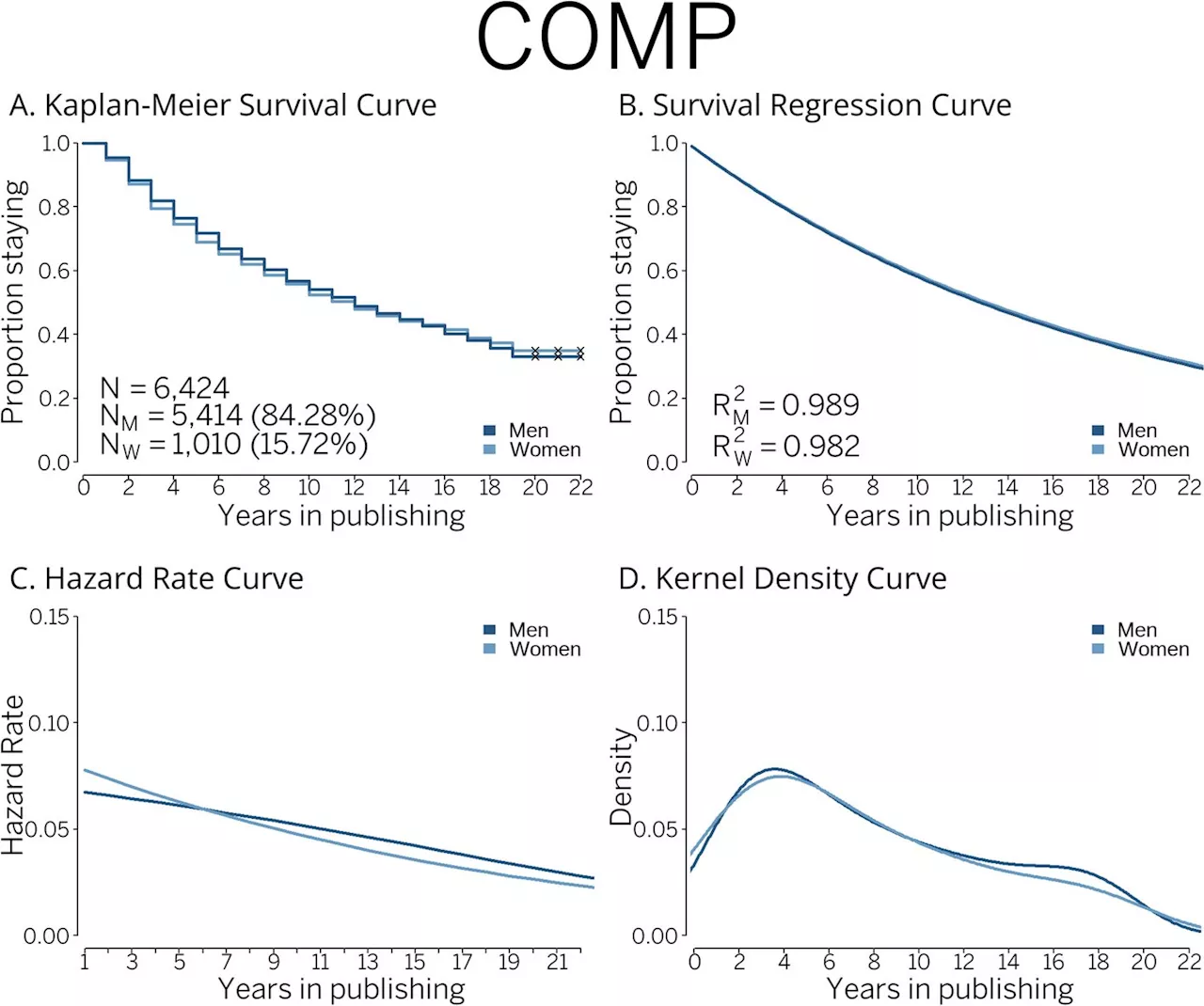 Disappearing scientists: Attrition and retention patterns of 2.1 million scientists in 38 OECD countriesResearch has been showing that women scientists continue to disappear from science at a significantly higher rate and in higher percentages than men. This is what social scientists have thought for decades—but this is no longer the case today, according to a study published in Higher Education.
Read more »
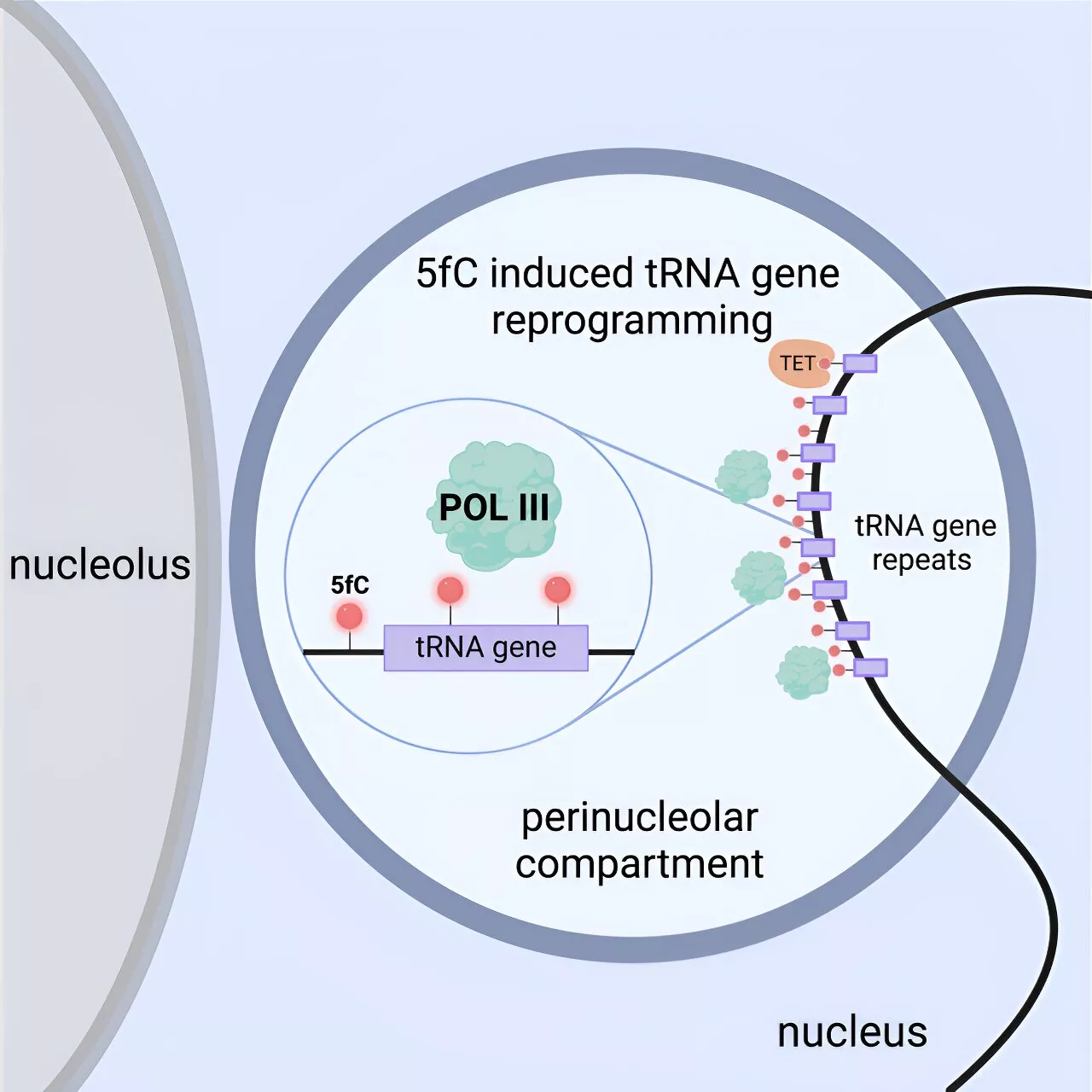 Scientists find new epigenetic switch, revealing how genes are regulated in early developmentThe team of Professor Christof Niehrs at the Institute of Molecular Biology (IMB) in Mainz, Germany, has discovered that a DNA modification called 5-formylcytosine (5fC) functions as an activating epigenetic switch that kick-starts genes in early embryonic development.
Read more »
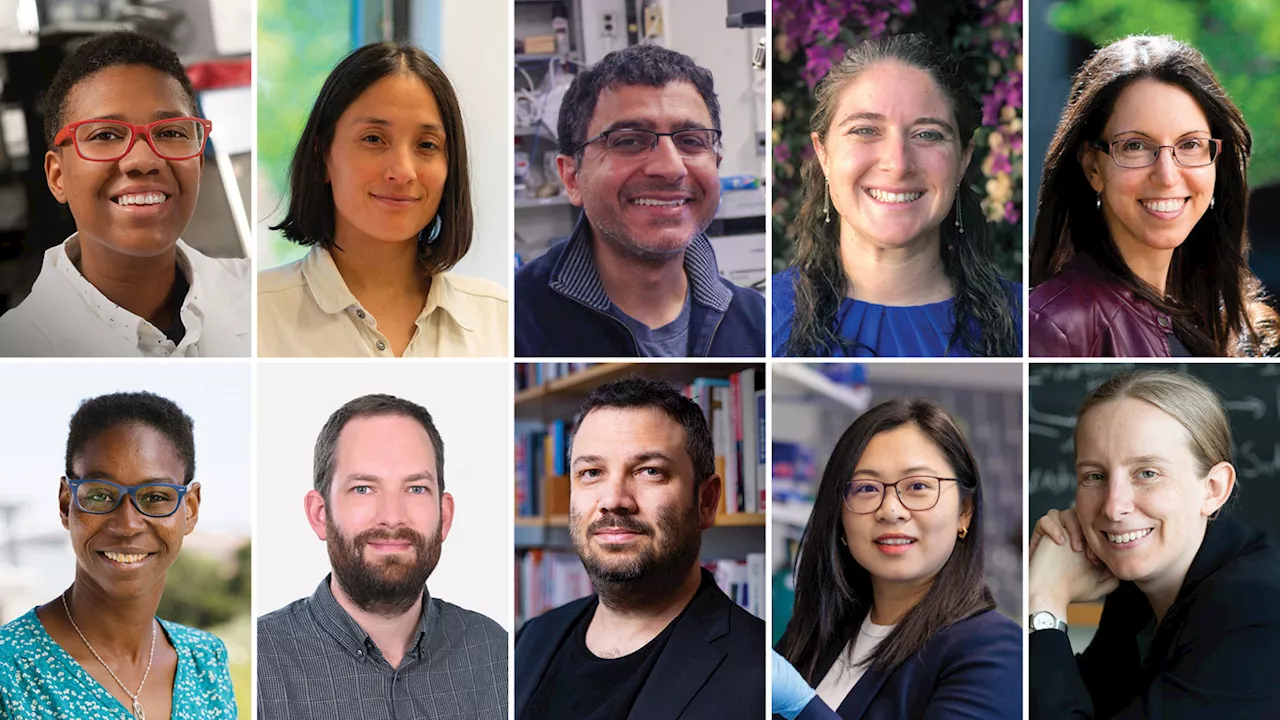 10 early-career scientists tackling some of the biggest problems of todayFor the ninth year, Science News honors researchers in its SN 10: Scientists to Watch list.
Read more »