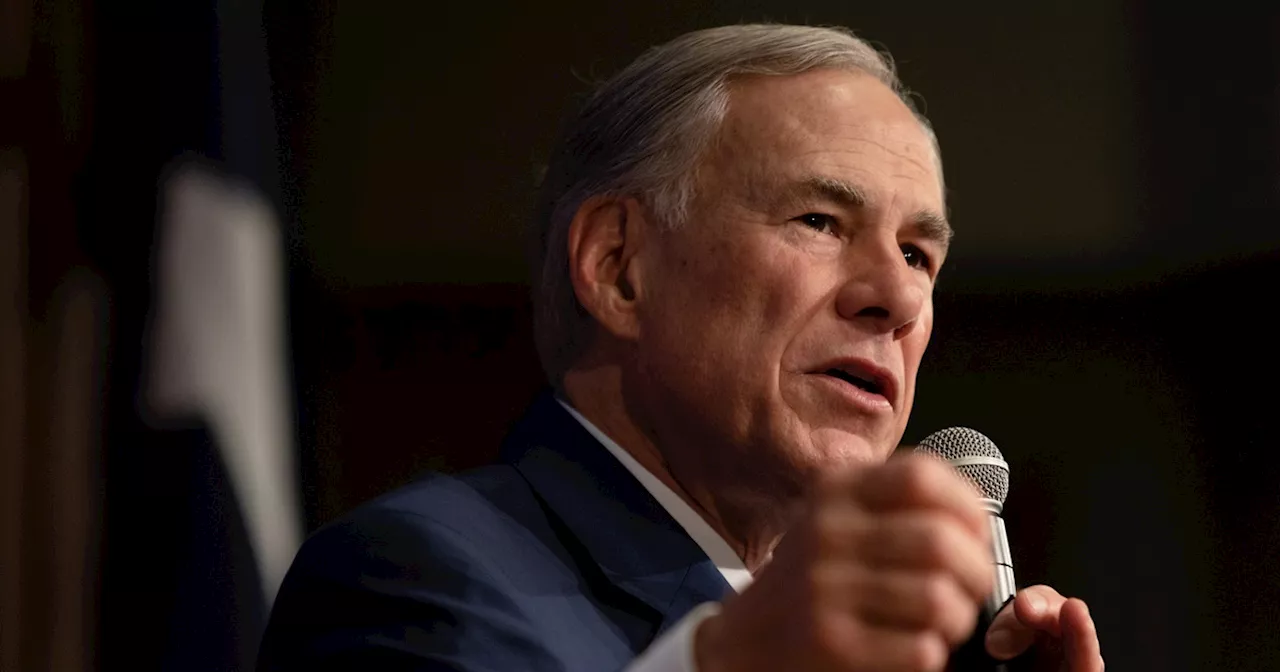
It’s rare for governors to step in to halt executions. In the case of Robert Roberson, it ended up being state lawmakers who took extraordinary steps.
In a state where the death penalty is as ingrained as cowboy boots and conservative politics, news of Robert Roberson’s death sentence broke through in Texas after the rarest of phenoms: a noisy, bipartisan effort that bypassed the governor’s office to save a man from lethal injection.
of Roberson’s capital murder conviction for the 2002 death of his chronically ill, 2-year-old daughter had lumbered through the courts, tracing a byzantine process that often fails to register with residents of the nation’s execution capital, whereBut while lawmakers were making historic interventions, many Texans took note of the silence by the person traditionally empowered to step in at the last minute: Gov. Greg Abbott. “Abbott’s silence is deafening,” said Brandon Rottinghaus, a professor of political science at the University of Houston. After all, Abbott had at his disposal the power to grant a 30-day reprieve for Roberson, whose lawyers claim was wrongfully convicted based on junk science. A U.S. Supreme Court Justice urged him to take that step. If Abbott had, there would have been no frantic and unprecedented rush by lawmakers to issue a subpoena of Roberson and then go to court to block the execution — first to a Travis County judge, then to Texas’ two high courts before Roberson’s execution was finally called off. There’s been no public statement from Abbott about Roberson’s case before or since. If the execution had gone forward, Roberson would have been the first person in the nation to be put to death in a, a diagnosis that has come into question in recent years. Multiple requests for comment to the governor’s office by The Texas Tribune went unanswered. The silence “certainly signals his willingness to go his own way against the Legislature and also reflects that, like Gov. Perry before him, the realization that being tough on crime is an essential element of muscularity for national Republicans,” Rottinghaus said.Unlike the Hollywood image of a governor making a frantic phone call to stop an execution, the reality, especially in Texas, is far less dramatic. Texas governors can only act on a recommendation of clemency from their own appointees to the Texas Board of Pardons and Paroles. Or they can opt for the 30-day reprieve.According to the Associated Press, the Texas parole board has recommended clemency in a death row case only six times since the state resumed executions in 1982. In three of those cases, death row inmates had their sentences commuted to life in prison. In two of the cases, Perry rejected the parole board's recommendation to commute a death sentence to life in prison, and the two prisoners were executed. But despite that limited power, Abbott may have inadvertently raised the Texas public’s expectations of intervention last year. That’s when he was quick to jump in publicly after a jury convicted an Austin man of fatally shooting a Black Lives Matter protester. AbbottBut veteran court watchers say Abbott’s silence on even a high profile death penalty case is not out of the ordinary.on the Texas Court of Criminal Appeals, the state’s highest criminal court, before stepping down in 2018. “Usually, the governor doesn’t get involved.” So far, more than 60 executions have been carried out while Abbott has been governor, a fraction of the more than 200 that occurred when former Gov. Rick Perry was in office. That’s the, who masterminded a murder-for-hire scheme that resulted in the death of his mother and younger brother and injured his construction company executive father, who ultimately forgave his son. Whitaker’s case was reduced to a life sentence. “Even going back to Ann Richards, I don’t think there’s a history of Texas governors in capital cases giving reprieves,” said Kenneth Williams, the Fred Gray Endowed Chair for Civil Rights and Constitutional Law at Texas Tech University. “They rarely do in capital cases.”, have been reluctant to intervene in death penalty cases for fear of appearing ‘soft on crime,’” said Jillson, a political science professor at Southern Methodist University. The added fact that Abbott, before he was first elected governor in 2014, was the state’s longest-serving attorney general, whose office is charged with ensuring a trial court’s death sentence is carried out, could help explain why Texans don’t hear much from him regarding an individual’s case. “He defended these cases, so that may weigh on him as governor,” said Williams, the Texas Tech University law professor, adding that Abbott’s lack of intervention in this or any other case is not out of step with governors in other states. “Most governors are reluctant to grant any kind of clemency after there’s been conviction,” he said. “I don’t think they want the blowback in that.”.Roberson, 57, of Palestine, was convicted of his daughter’s death in 2003 after an autopsy determined his daughter, Nikki, who had been ill with a fever, had died of shaking and blows. Investigators believed that Roberson’s emotionless demeanor was further evidence of his guilt. Roberson has since been diagnosed as having autism, which could explain Roberson’s behavior at the time. A police detective whose investigation sent the East Texas man to death row, now supports Roberson’s claims of innocence. On Wednesday, as both the Texas parole board and the Texas Court of Criminal Appeals rejected Roberson’s last-minute appeals, the House committee members issued their subpoena, arguing that only Roberson could provide unique testimony on Texas’ pioneering— which Roberson had tried, and failed, to use to prove his innocence. Last month, 80 Texas lawmakers, including supporters of the death penalty, wrote Texas parole board members in support of Roberson’s request for clemency. The law is designed to allow defendants an avenue to prove their innocence if they were convicted based on science that is later shown to be faulty. In fact, no Texas death row inmate has successfully used the law to obtain a new trial, leading the Texas Defender ServiceThe steps legislators took to halt the execution were unprecedented, and drew some complaints of overstepping their authority., R-Midlothian, a member of the House jurisprudence committee who began looking into Roberson’s cases a few months ago on the recommendation of a colleague. “We have to protect the integrity of the criminal justice system.” Harrison confirmed that lawmakers contacted Abbott after their subpoena was issued but did not want to discuss specifics of those conversations, describing them only as “professional and productive.” Many of those who tracked the Roberson saga this week were struck more by the actions of the Legislature than the inaction of Abbott. “What is unusual in the case of Robert Roberson is not so much Abbott’s silence, as the bipartisan effort to slow this execution at least long enough to take a closer look,” Jillson said. But Amanda Marzullo, the former executive director of the Texas Defender Service, said it was necessary for the Legislature to step in, given that the use of clemency by American governors has waned. “We have seen a massive atrophy in the clemency power,” she said. “It was something governors did all the time.” She pointed to how more than 200 years ago, a governor’s pardon power was used more often because death was often the punishment for far lesser crimes. "This is how this system was designed,” Marzullo said. “So no one branch is doing all of the work in a particular sector.”Independent Texas reporting needs your support. The Texas Tribune delivers fact-based journalism for Texans, by Texans — and our community of members, the readers who donate, make our work possible. Help us bring you and millions of others in-depth news and information. Will you support our nonprofit newsroom with a donation of any amount?
Texas Politics Texas Policy Texas Government Criminal Justice Death Penalty Politics Texas Death Row State Government Greg Abbott
United States Latest News, United States Headlines
Similar News:You can also read news stories similar to this one that we have collected from other news sources.
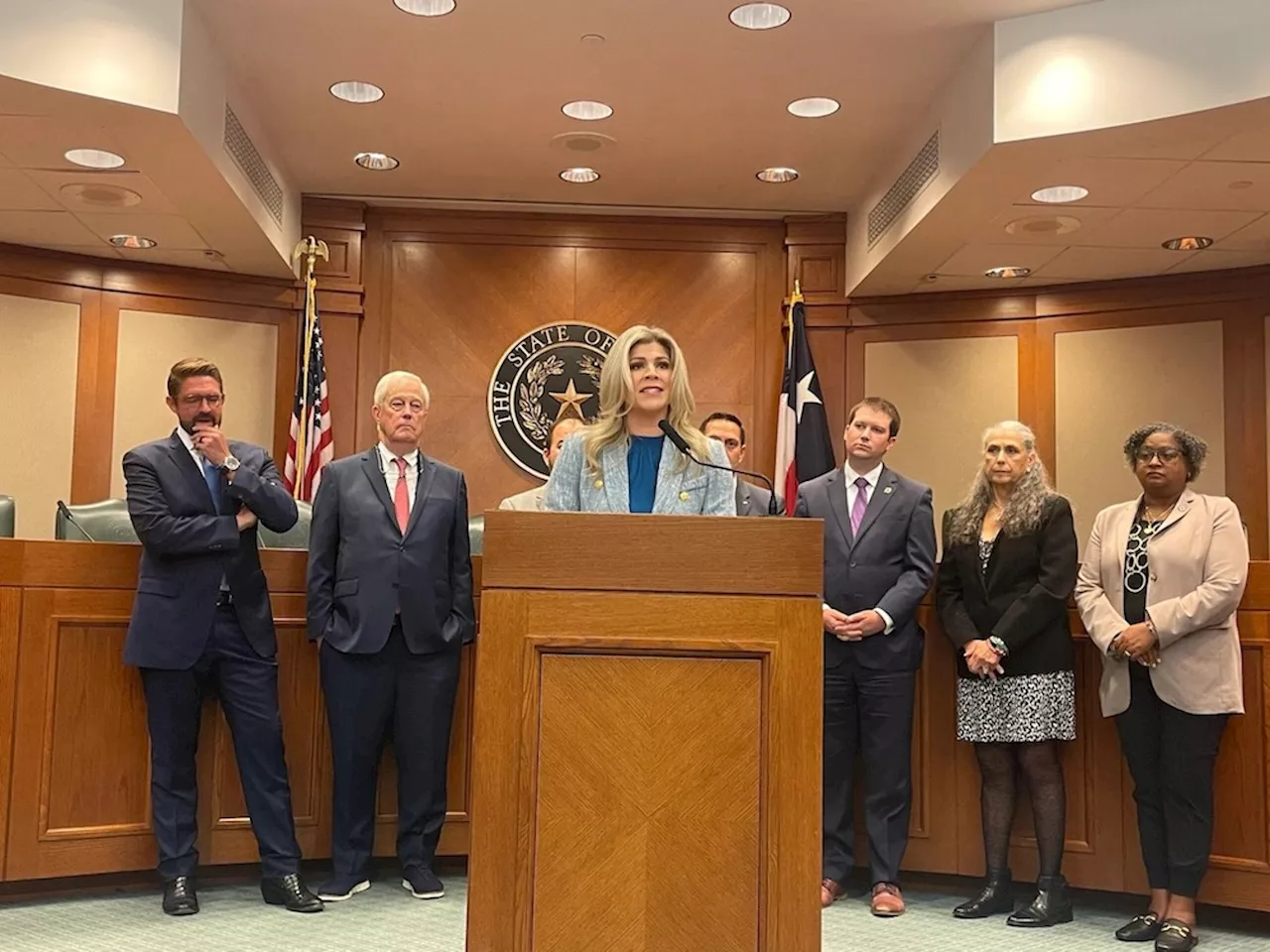 Bipartisan Texas legislators join calls for clemency for Robert RobersonThis article was originally published by the Texas Observer, a nonprofit investigative news outlet and magazine.
Read more »
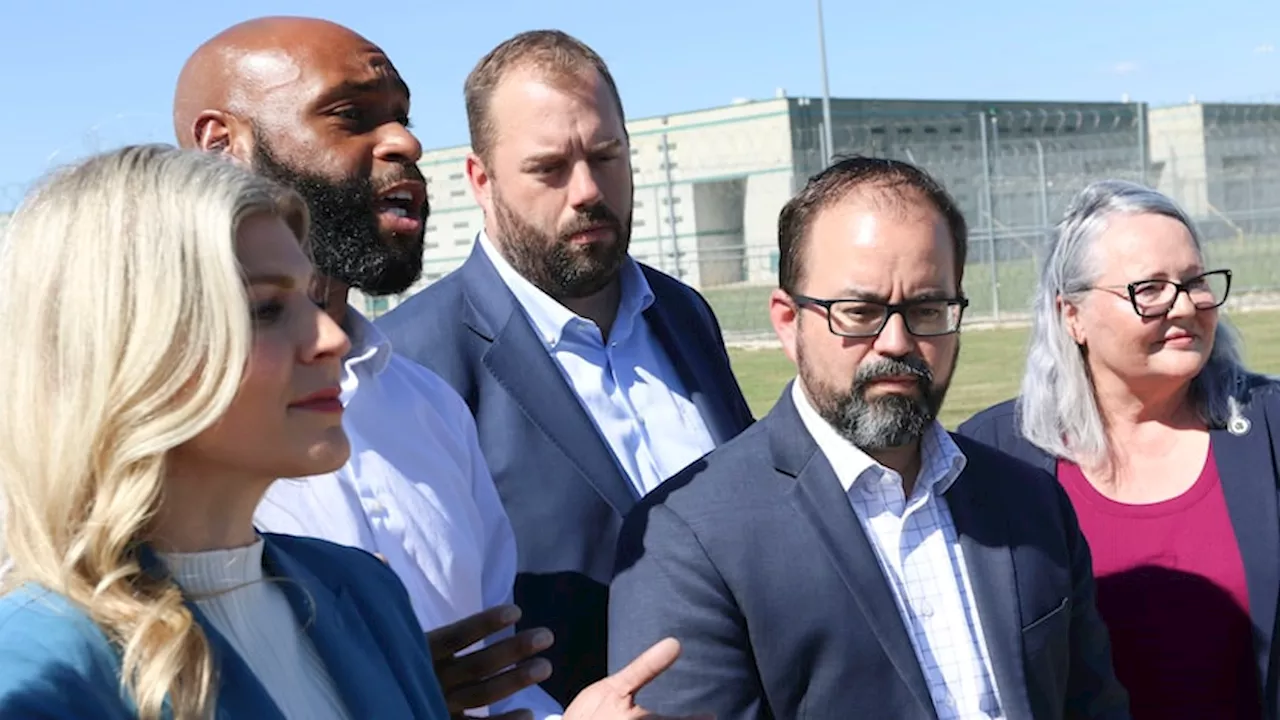 Texas lawmakers visit Robert Roberson as execution date nearsRobert Roberson, 57, was convicted of capital murder in 2003 for reportedly shaking his 2-year-old daughter, Nikki, to death. He is scheduled to be executed...
Read more »
Texas lawmakers visit Robert Roberson ahead of upcoming executionTexas politicians visited death row inmate Robert Roberson Friday just days before his scheduled execution date for the death of his two-year-old daughter.
Read more »
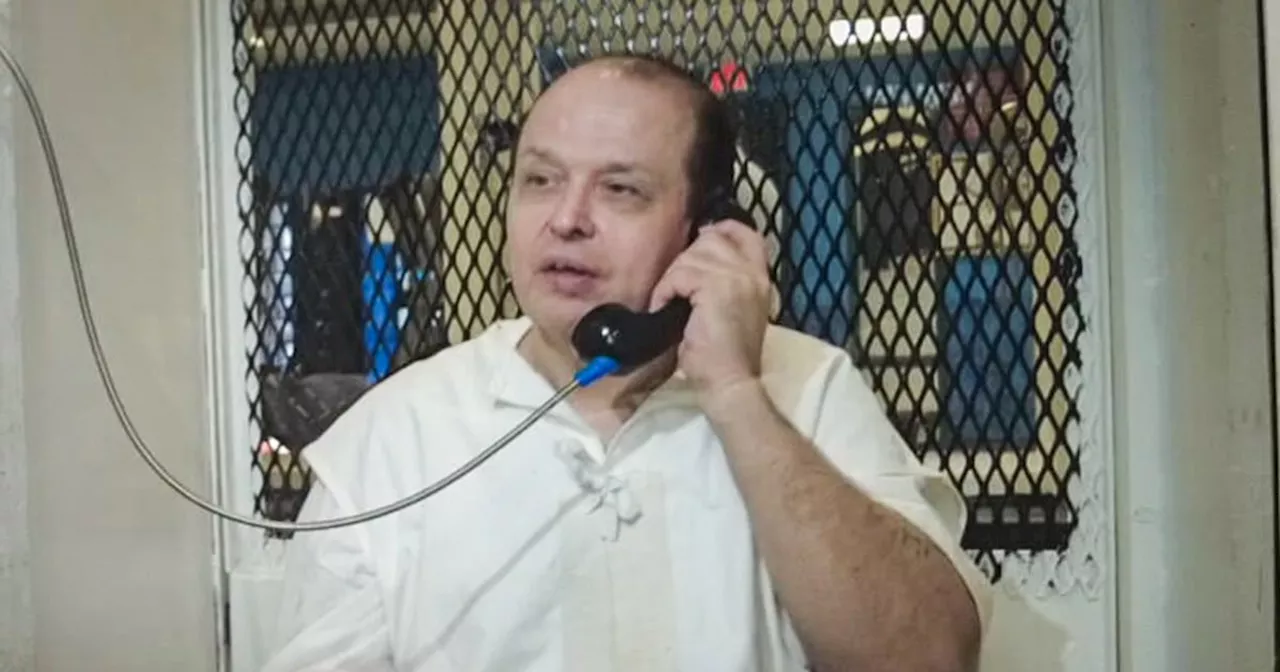 Texas inmate Robert Roberson could be first U.S. execution for case of 'shaken baby' deathErik Ortiz is a senior reporter for NBC News Digital focusing on racial injustice and social inequality.
Read more »
 Robert Roberson loses his appeal to stop Texas executionThe state’s highest criminal court’s refusal to stay the Oct. 17 execution leaves the Palestine man with few options amid widespread support for clemency.
Read more »
 Will a Texas Ruling Give Robert Roberson a Lifeline Before He's Executed?He is set to be put to death this week, but Robbie Roberson's conviction was based on 'junk science' that has been widely discredited.
Read more »