
For media inquiries, please contact:Jasmine Hopkins | jasmine.s.hopkins@nasa.gov
With support from a Tipping Point award managed by NASA’s Flight Opportunities program, U.S.-based Varda Space Industries has manufactured a heat shield based on NASA technology and will test how effectively it protects a spacecraft capsule and the payloads inside it from the extreme heat of speeding through Earth’s atmosphere.
The Varda W-4 capsule launched via SpaceX into a Sun-synchronous orbit on June 23, 2025, containing payloads with potential to leverage microgravity to advance technologies that support human health. These payloads will return to Earth for further study — but first the W-4 capsule must blaze through temperatures up to 7,000 degrees Fahrenheit as it traverses Earth’s atmosphere on the journey home. Protecting the W-4 capsule from this intense heat is a shield made from C-PICA , a powerful yet lightweight protective material originally developed at NASA’s Ames Research Center in California’s Silicon Valley that is enabling commercial space applications. The shield protecting the capsule on its return to Earth includes C-PICA manufactured by Varda. Varda licensed C-PICA from NASA, and the agency’s Flight Opportunities program provided support for flight testing it. This flight test will provide Varda data to evaluate the effectiveness of its C-PICA, comparing it to the standard set by NASA-manufactured C-PICA. The knowledge transfer of C-PICA’s production process and flight testing support exemplifies how NASA is fostering the successful growth of an orbital economy in the United States.This flight is testing the effectiveness of the protection provided by two types of C-PICA: one manufactured by NASA and one manufactured by Varda. This is the first time Varda-manufactured C-PICA tiles are making the journey to space and attempting successful re-entry through Earth’s atmosphere.During Varda’s manufacturing process, the NASA team provided specific data about the characteristics C-PICA must be prepared to withstand as it re-enters Earth’s atmosphere. On Varda’s W-2 flight earlier in 2025, the Flight Opportunities program supported instrumentation of the material, adding sensors to NASA-produced C-PICA. The data from these sensors provided context and guideposts to help maximize Varda’s potential success in manufacturing effective C-PICA heat shield material for its W-4 mission.The full results of the flight test will be seen when the capsule returns to Earth later this year. Its payload is a solution-based crystallization platform that processes pharmaceuticals in microgravity. Researchers aboard the International Space Station and at Varda have found that manufacturing in the near-absence of gravity offers unique opportunities for the development of novel pharmaceutical products.Upon its return to Earth on February 27, 2025, Varda’s W-2 capsule was protected by a NASA-produced C-PICA heat shield, which produced the fiery streak shown here. Sensor instrumentation helped inform Varda’s manufacturing of the material for the upcoming W-4 flight test, which will use Varda-produced C-PICA for the first time.Phenolic Impregnated Carbon Ablator is a lightweight, rigid material with a proven track record of shielding spacecraft from extreme heat while re-entering Earth’s atmosphere. Created at NASA’s Ames Research Center, PICA research begun in the 1980s enabled the Stardust and OSIRIS-REx sample return missions. The Mars Science Laboratory and Mars 2020 missions also used rigid PICA.Increasing Availability of Commercially Produced Thermal Protection System Materials Varda Space Industries is the first company to license NASA’s C-PICA for commercial purposes. Having licensed the technology and produced it commercially for the first time, Varda may scale up production of C-PICA to a level that allows it to supply the material to NASA — a win-win for NASA and for the U.S. commercial space industry. The C-PICA technology is available for license from NASA to other businesses, and the agency is working with several other commercial space companies interested in the material.In 2023, NASA selected Varda to receive a Tipping Point Award from its Space Technology Mission Directorate. The award supported Varda’s effort to begin commercial production of C-PICA, recognizing that Varda’s research may bring meaningful benefit for human health and that pioneering commercial production of C-PICA could help establish a new norm in which private companies routinely return spacecraft to Earth. In this way, NASA’s technical support advances both commercial heat shield production and scientific endeavors, such as pharmaceutical research and production in microgravity.With its Tipping Point Awards, NASA seeks industry-developed space technologies that can foster the development of commercial space capabilities and benefit future NASA missions. A technology is considered at a tipping point if an investment in a demonstration will significantly mature the technology, increase the likelihood of infusion into a commercial space application, and bring the technology to market for both government and commercial applications. The awards, which require a financial match from the company, reflect NASA’s approach to building high-impact public-private partnerships to support the U.S. commercial space industry and benefit future NASA missions. These collaborations maximize impact while saving the agency, and American taxpayers, money.Read how NASA is helping space start-ups stay cool
Armstrong Flight Research Center Commercial Space Flight Opportunities Program Manufacturing Materials 3-D Printing Space Technology Mission Directorate
United States Latest News, United States Headlines
Similar News:You can also read news stories similar to this one that we have collected from other news sources.
 Northern California facing dangerous heat this week, Extreme Heat Watch issuedSome places could even see record-highs, according to the National Weather Service.
Read more »
 Phoenix organizations prepare to offer heat relief for the homeless ahead of summer heatAdam Klepp joins ABC15 Arizona as a multimedia journalist after stops in Yuma and Tucson.
Read more »
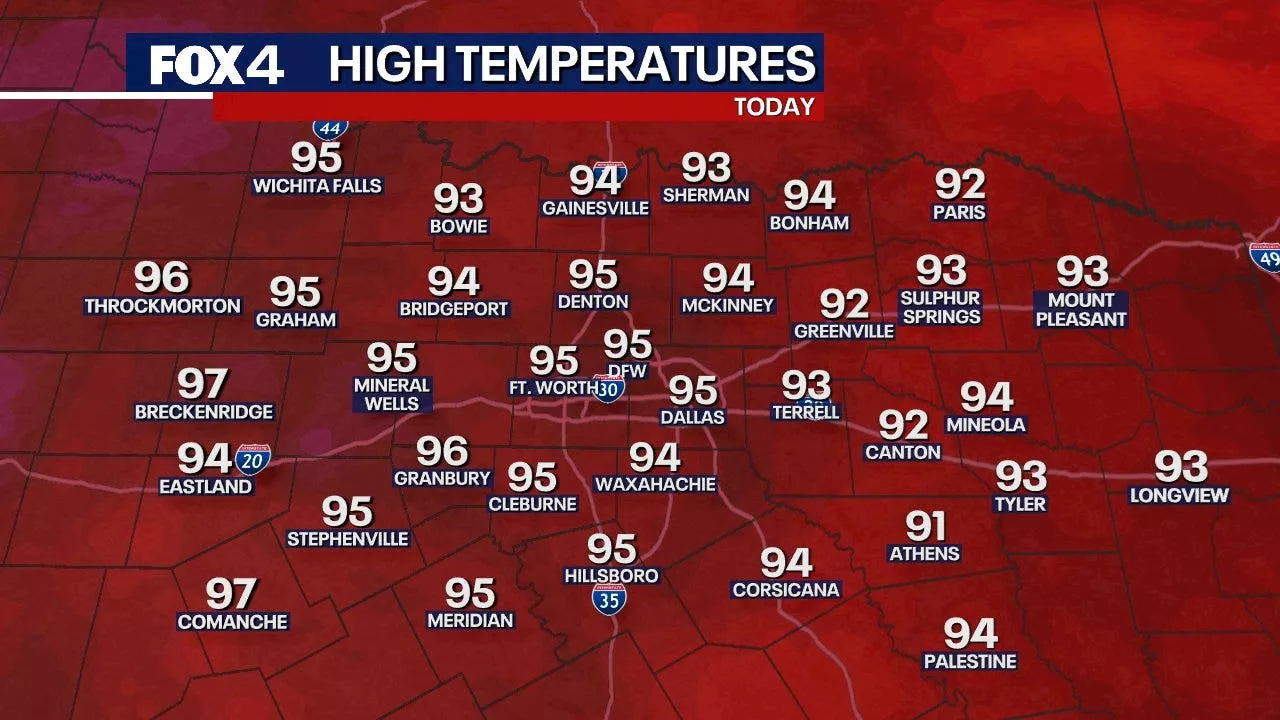 Dallas weather: Summer heat arrives early with 100+ heat indexNorth Texas wraps up spring today with intense heat and humidity, as temperatures feel like 100 degrees or more just before summer officially begins.
Read more »
 Chicago cooling centers, pools, splash pads open during heat wave caused by Midwest heat domeA Midwest heat dome is driving high temperatures and high humidity that will push the Chicago heat index into the triple digits this weekend. Here's where you can go to cool down when the weather gets real hot.
Read more »
 Heat wave increases risk of heat stroke in AlaskaAs a heat advisory is in effect for Alaska, the risk of heat related illness is very high, according to the Chief of the Fairbanks Fire Dept.
Read more »
 Chicago Extreme Heat Warning: Where to find cooling centers, other ways to beat the heatWith dangerously hot weather this weekend, an Extreme Heat Warning has been issued for the Chicago area beginning Saturday morning and lasting through midnight Monday.
Read more »