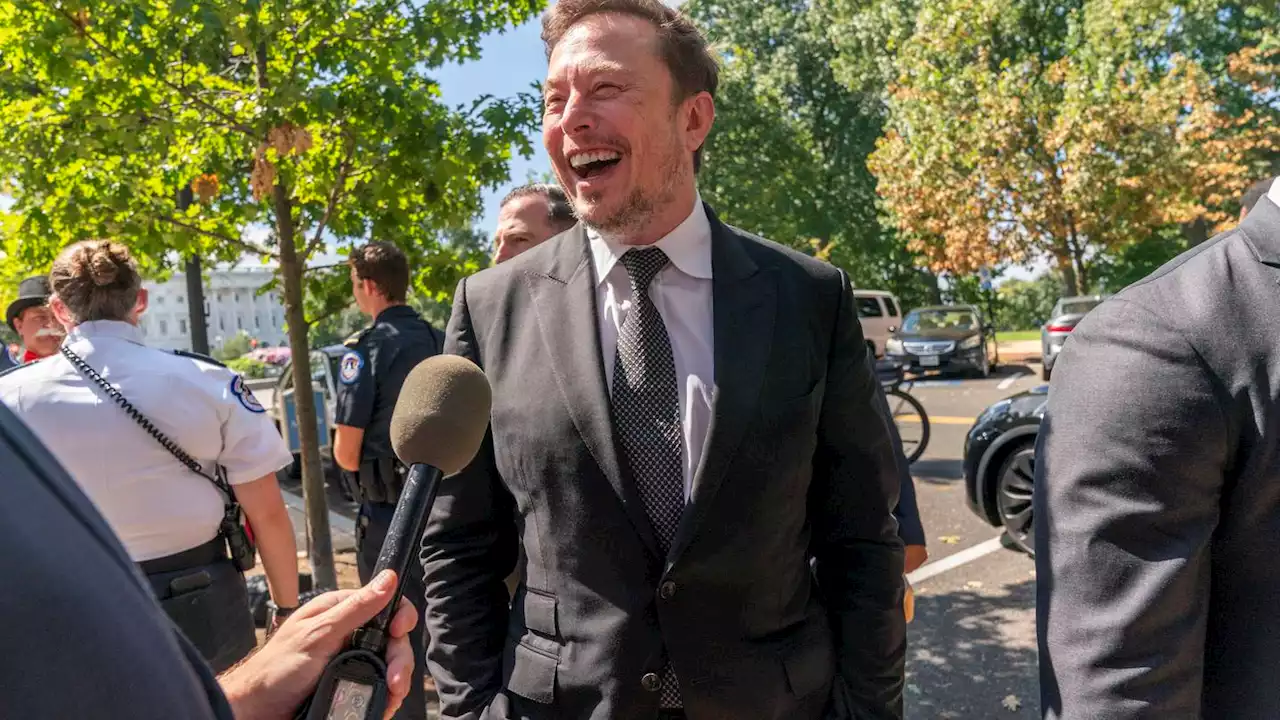
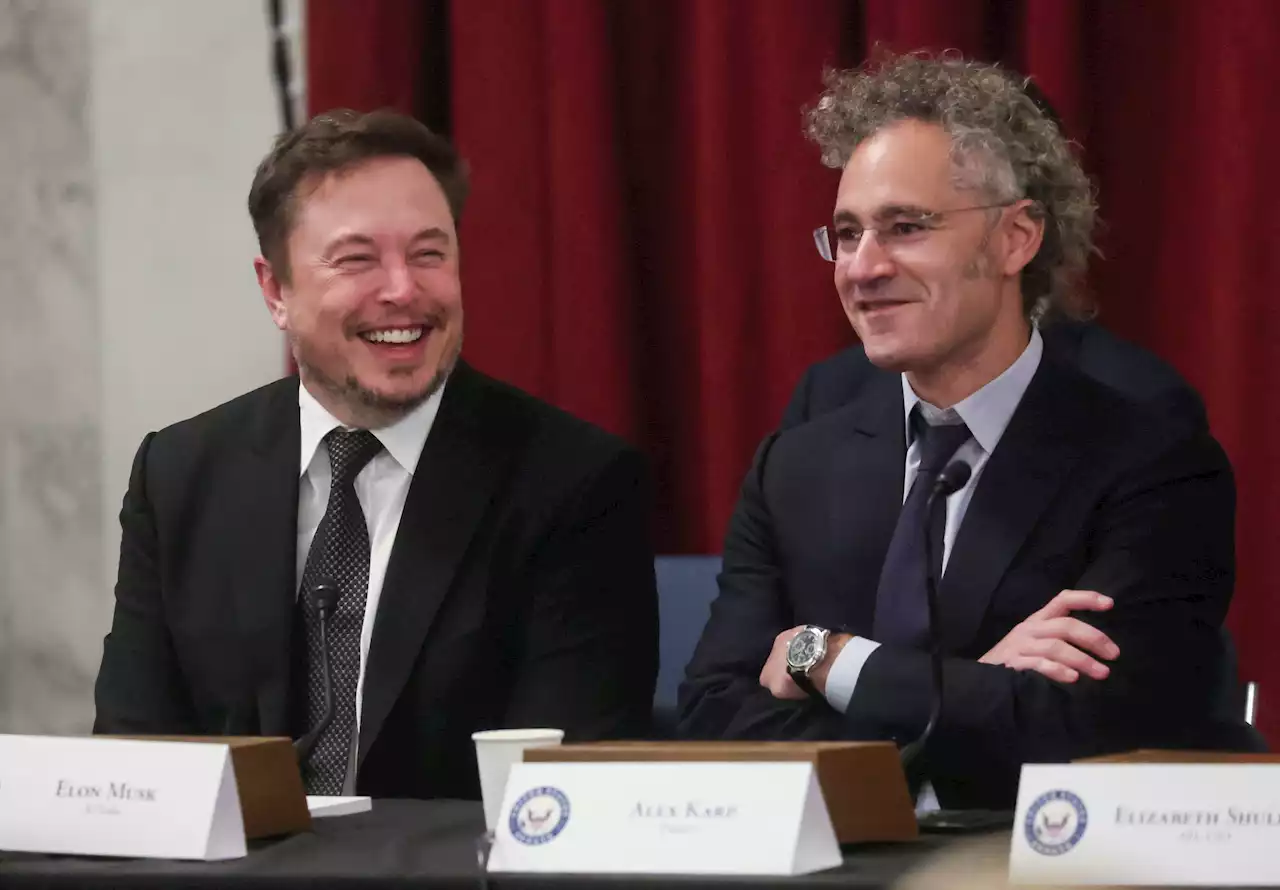
At a closed-door Senate forum, tech leaders loosely endorsed the regulation of artificial intelligence
. Musk said the meeting"might go down in history as being very important for the future of civilization."Congress has a lackluster track record when it comes to regulating new technology, and the industry has grown mostly unchecked by government in the past several decades. Many lawmakers point to the failure to pass any legislation surrounding social media, such as for stricter privacy standards.
“AI is not going away, and it can do some really good things or it can be a real challenge,” Rounds said. Outside the meeting, Google CEO Pichai declined to give details about specifics but generally endorsed the idea of Washington involvement. “I don’t know why we would invite all the biggest monopolists in the world to come and give Congress tips on how to help them make more money and then close it to the public,” Hawley said.
United States Latest News, United States Headlines
Similar News:You can also read news stories similar to this one that we have collected from other news sources.
 Elon Musk, Mark Zuckerberg, other tech giants to descend on Capitol Hill for Senate AI forumTech and AI experts are briefing senators on the technology's rapid advancement behind closed doors on Wednesday.
Read more »
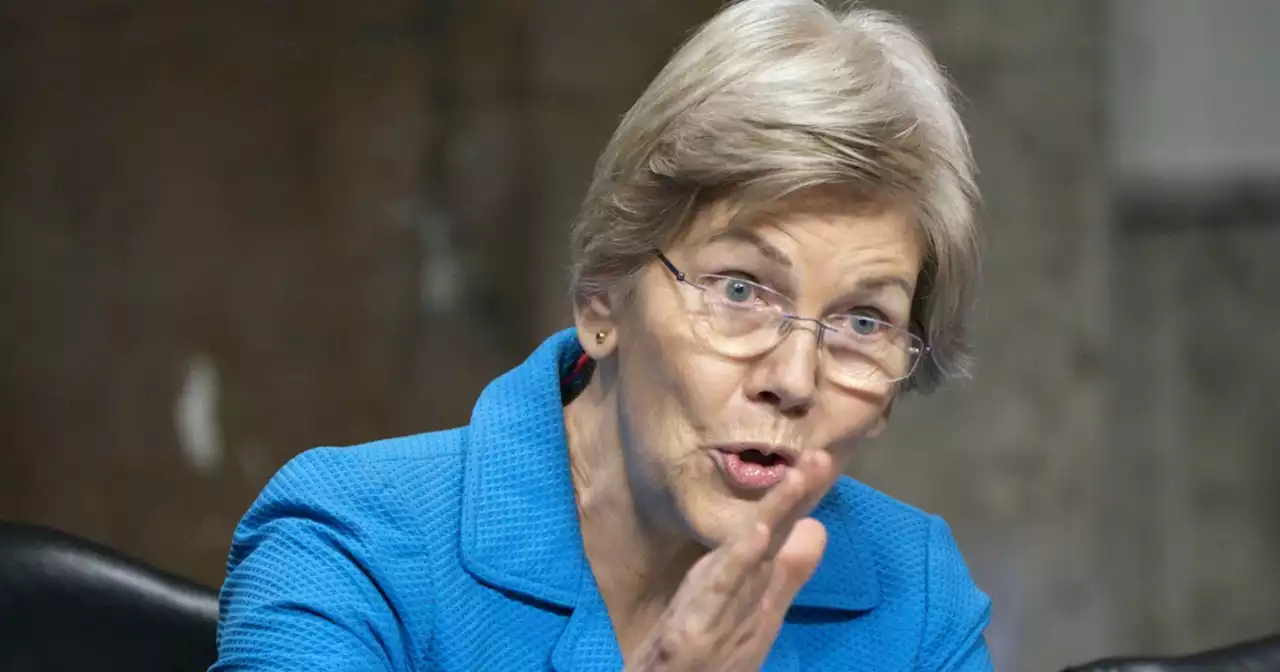 Schumer AI forum draws ire of Big Tech foes in the SenateA bipartisan forum on artificial intelligence has irked populist firebrands who say Big Tech CEOs should not be advising the Senate behind closed doors.
Read more »
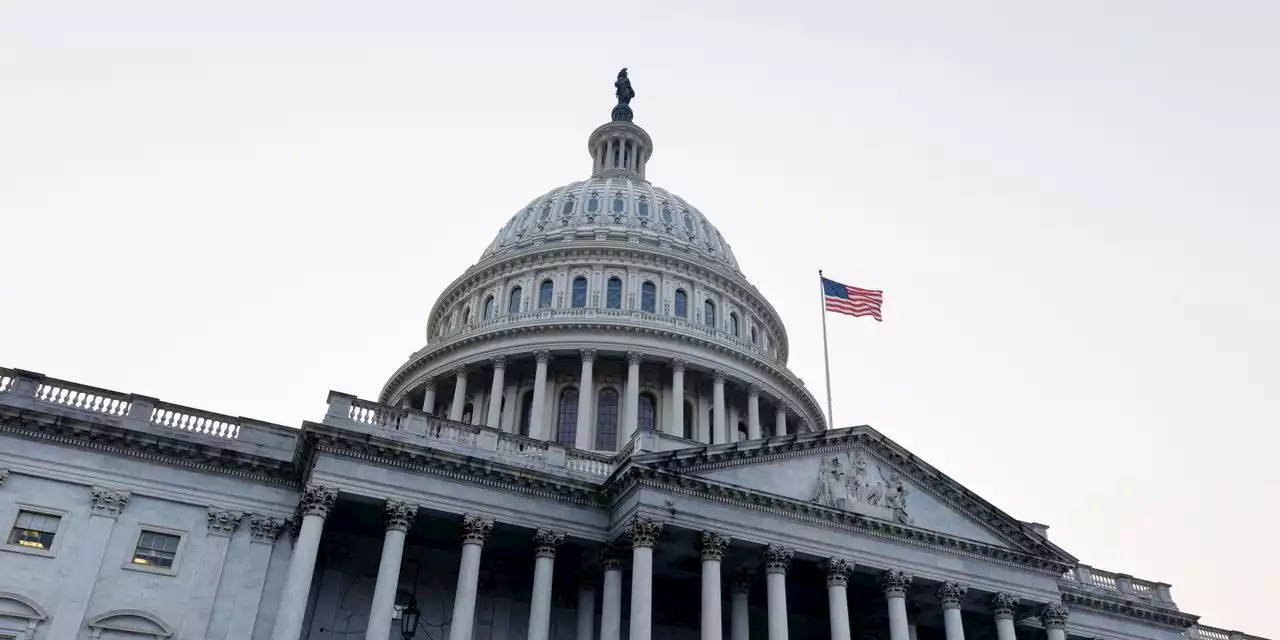 Tech Titans Look to Lobby Washington on AI—In Different DirectionsElon Musk and Mark Zuckerberg may not ever hold their cage match, but they’ll take center stage on Capitol Hill in a debate over the future of artificial intelligence.
Read more »
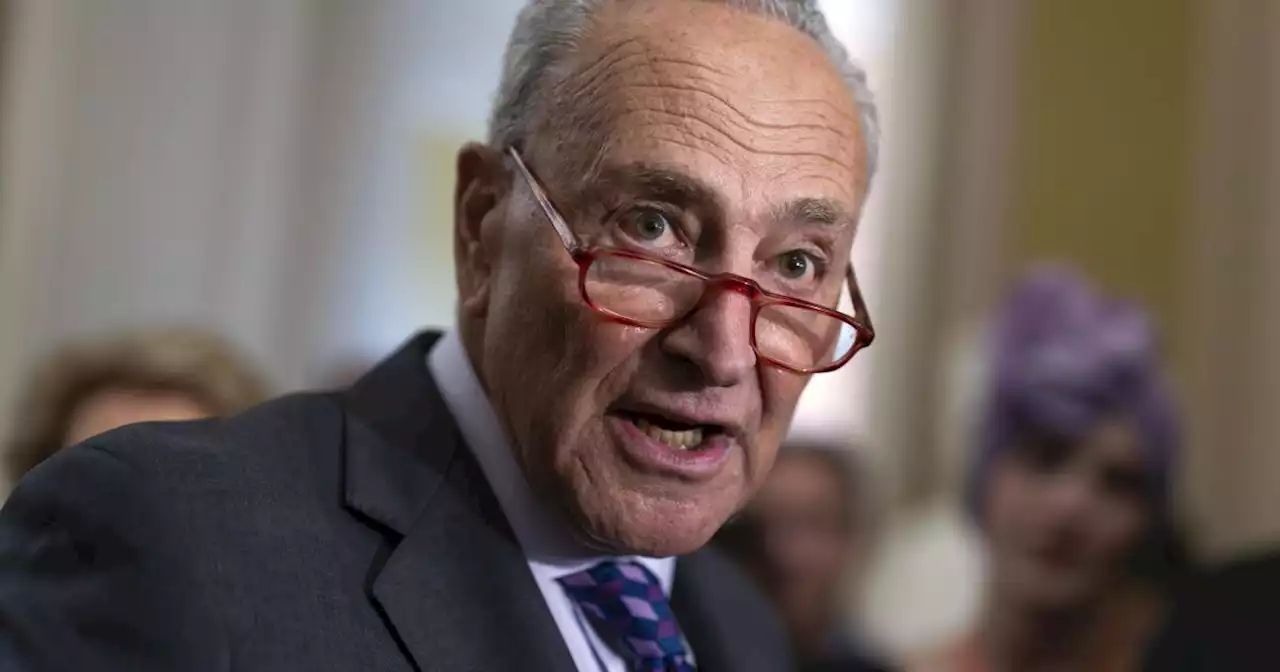 Tech titans go to Washington to suggest their own AI rulesSenate Majority Leader Charles E. Schumer convenes a forum with Mark Zuckerberg, Elon Musk, Bill Gates and other tech figures to discuss mitigating the risks of AI.
Read more »
 Elon Musk, Mark Zuckerberg, Bill Gates and other tech leaders in closed Senate session about AISenate Majority Leader Chuck Schumer, D-N.Y., hosted the panel of tech, labor and civil rights leaders as part of the Senate’s inaugural “AI Insight Forum.”
Read more »
 Tech leaders want “balanced” AI regulation in private Senate meetingMark Zuckerberg, Elon Musk, Sam Altman, and other tech leaders go to Washington, DC.
Read more »