
This week, North America, South America, Africa, and Europe will witness a captivating spectacle: a supermoon lunar eclipse. The Harvest Moon, the full moon closest to the autumnal equinox, will appear slightly larger than usual as it inches closer to Earth. During this partial eclipse, Earth's shadow will darken a portion of the moon, creating a dramatic bite-out effect.
No special eye protection is needed to view a lunar eclipse . Viewers can stare at the moon with the naked eye or opt for binoculars and telescopes to get a closer look.Streaming 24/7: Watch NBC 5 local news and weather for free wherever you are The spectacle will be visible in clear skies across North America and South America on Tuesday night and in Africa and Europe Wednesday morning.
The"Harvest Moon" is the full moon closest to the autumnal equinox. The name dates back to a time before electricity, when farmers depended on the moon's light to harvest their crops late into the evening,A partial lunar eclipse happens when the Earth passes between the sun and moon, casting a shadow that darkens a sliver of the moon and appears to take a bite out of it. Since the moon will inch closer to Earth than usual, it'll appear a bit larger in the sky. The supermoon is one of three remaining this year. “A little bit of the sun’s light is being blocked so the moon will be slightly dimmer,” said Valerie Rapson, an astronomer at the State University of New York at Oneonta.The Earth, moon and sun line up to produce a solar or lunar eclipse anywhere from four to seven times a year, according to NASA. This lunar eclipse is the second and final of the year after a slight darkening in March. No special eye protection is needed to view a lunar eclipse. Viewers can stare at the moon with the naked eye or opt for binoculars and telescopes to get a closer look. To spot the moon’s subtle shrinkage over time, hang outside for a few hours or take multiple peeks over the course of the evening, said KaChun Yu, curator at the Denver Museum of Nature and Science.For a more striking lunar sight, skywatchers can set their calendars for March 13. The moon will be totally eclipsed by the Earth’s shadow and will be painted red by stray bits of sunlight filtering through Earth’s atmosphere.
Lunar Eclipse Supermoon Astronomy Harvest Moon Eclipse Viewing
United States Latest News, United States Headlines
Similar News:You can also read news stories similar to this one that we have collected from other news sources.
 2024 DNC: Biden delivers the keynote on his political career: ANALYSIS'America, America, I gave my best to you,' Biden said.
Read more »
 Uncovering “Snowball Earth”: Hidden Rock Record Unveils Secrets of Earth’s Deep FreezeScience, Space and Technology News 2024
Read more »
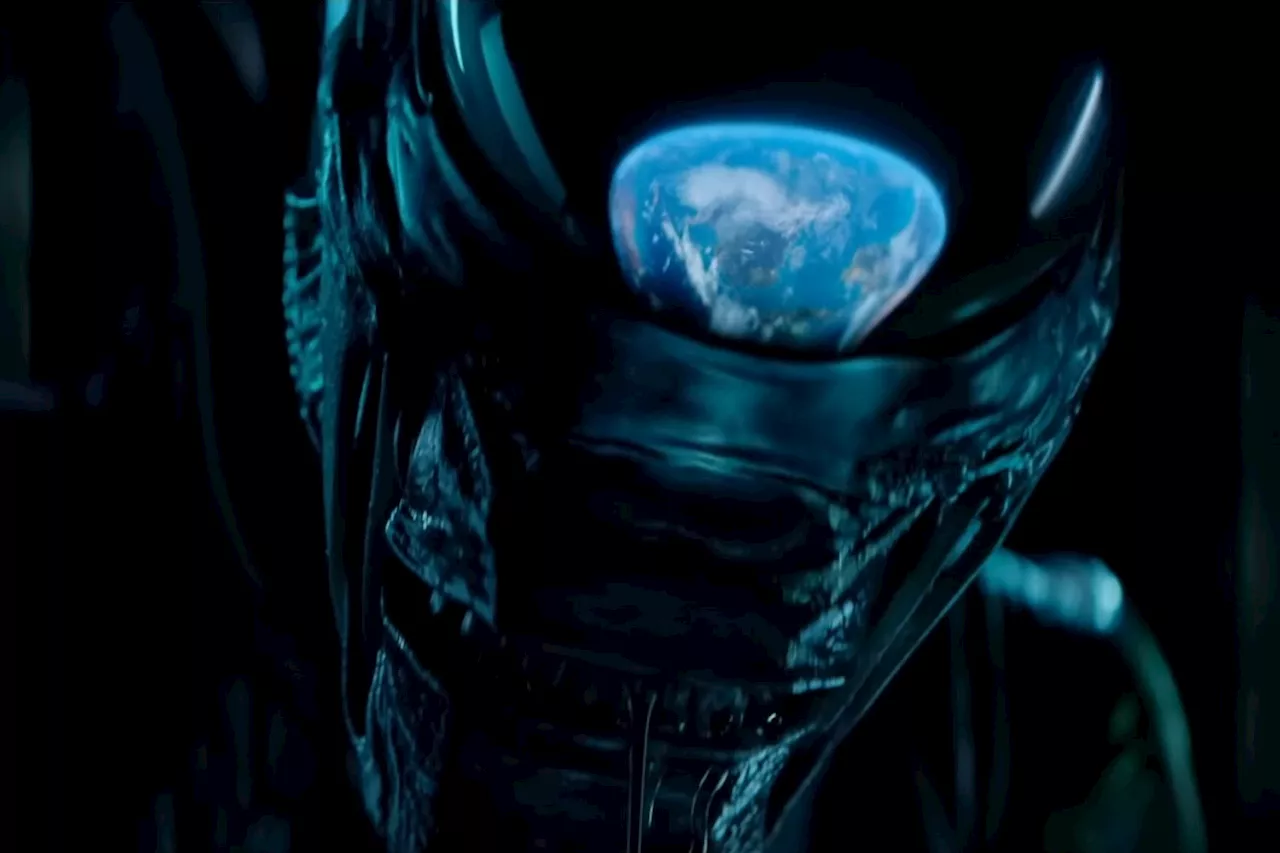 Alien: Earth‘s First Teaser Sure Does Show an Alien and EarthAlien: Earth is a prequel show set before Ellen Ripley's sci-fi misadventures.
Read more »
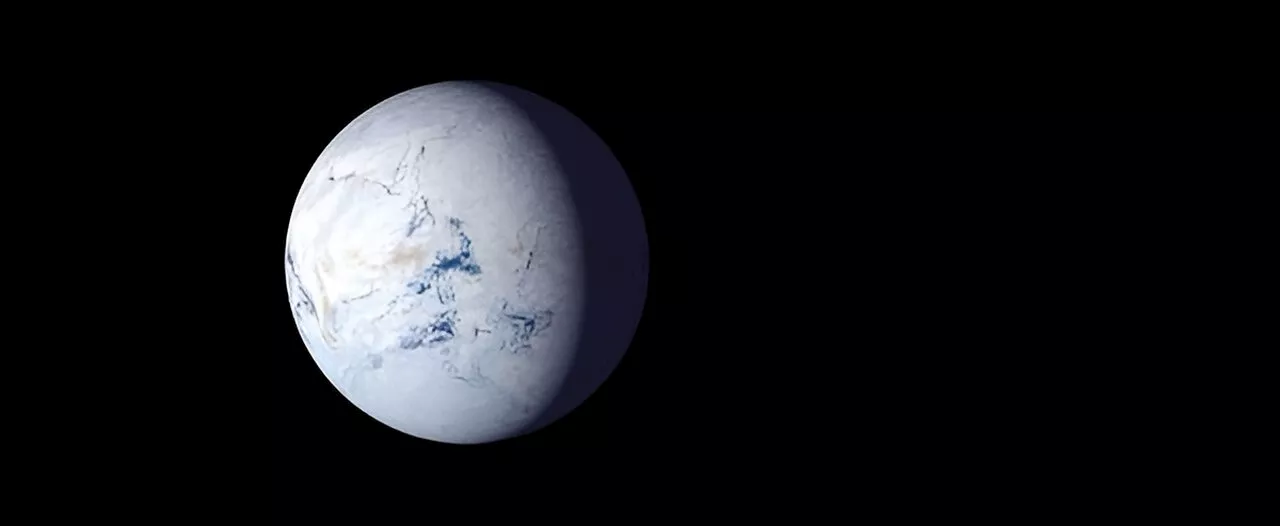 Snowball Earth: Researchers discover unique Scottish rocks record when Earth was first encased in iceMore than 700 million years ago, the Earth was plunged into a state that geologists call 'snowball Earth', when our planet was entirely encased in ice. This happened when the polar ice caps expanded so far that they joined up around the equator.
Read more »
 How to watch the 'Harvest Supermoon' get eclipsed by Earth next weekJamie Carter is a freelance journalist and regular Live Science contributor based in Cardiff, U.K. He is the author of A Stargazing Program For Beginners and lectures on astronomy and the natural world. Jamie regularly writes for Space.com, TechRadar.com, Forbes Science, BBC Wildlife magazine and Scientific American, and many others.
Read more »
 'Supermoon eclipse' will be visible across North America on TuesdayDenise Chow is a science and space reporter for NBC News.
Read more »