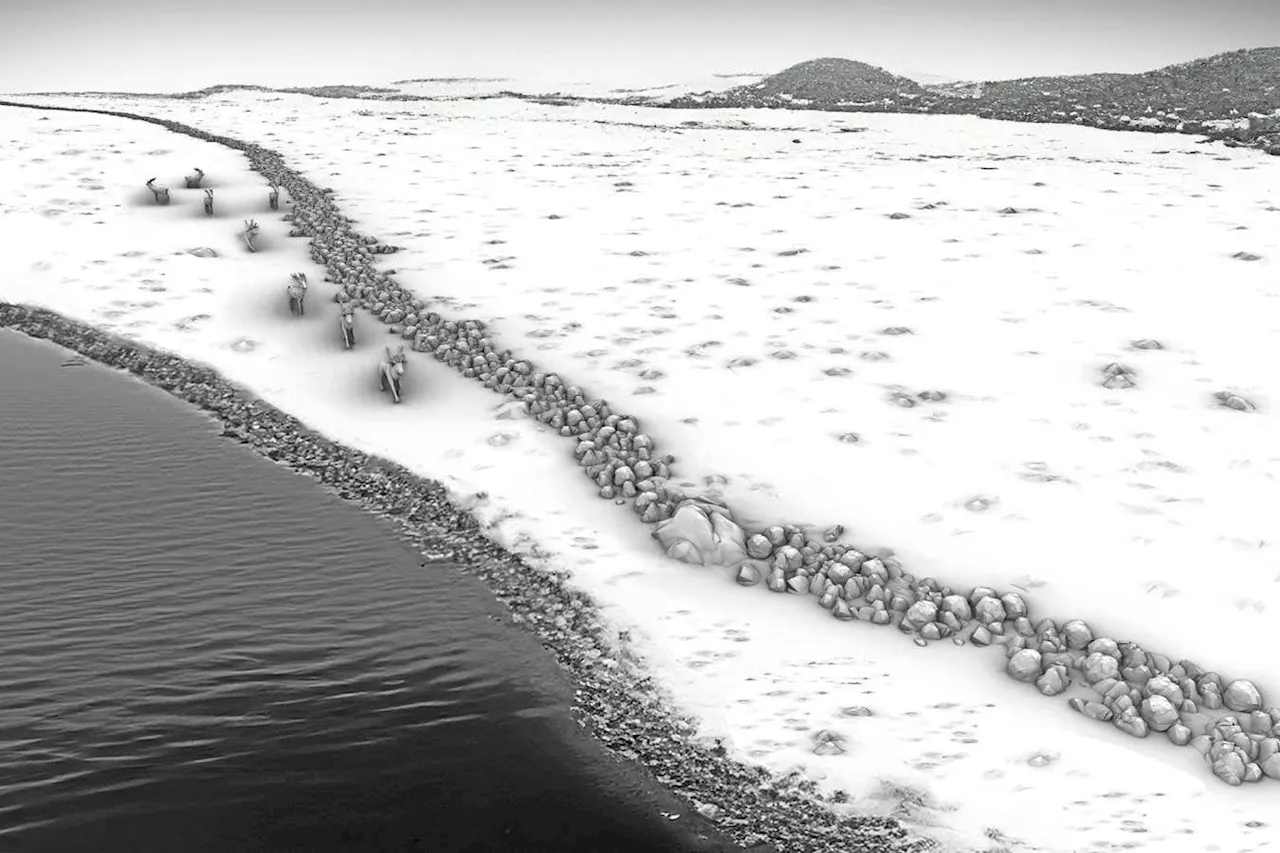
A stone wall nearly a kilometre long found under the Baltic Sea may have been built by ancient hunters to channel deer into a confined space
A low stone wall nearly a kilometre long has been found 21 metres below the surface of the Baltic Sea off the German coast. The wall is thought to have been built around 11,000 years ago to channel reindeer into places where they could more easily be killed, and could be the largestat the Leibniz Institute for Baltic Sea Research Warnemünde in Germany used a multibeam sonar to map the seafloor 10 kilometres offshore from the town of Rerik.
There’s no reason or evidence for a modern structure to have been built underwater at this site, says team member, an archaeologist at the University of Rostock, Germany. Nor can the team think of any natural process that could create such a structure., meaning it must be between 8500 and 14,000 years old, says Bradtmöller.
The most likely explanation is that the structure was used to channel reindeer, he says. “The hypothesis that, at the moment, fits best is a driving wall for hunting.”
United States Latest News, United States Headlines
Similar News:You can also read news stories similar to this one that we have collected from other news sources.
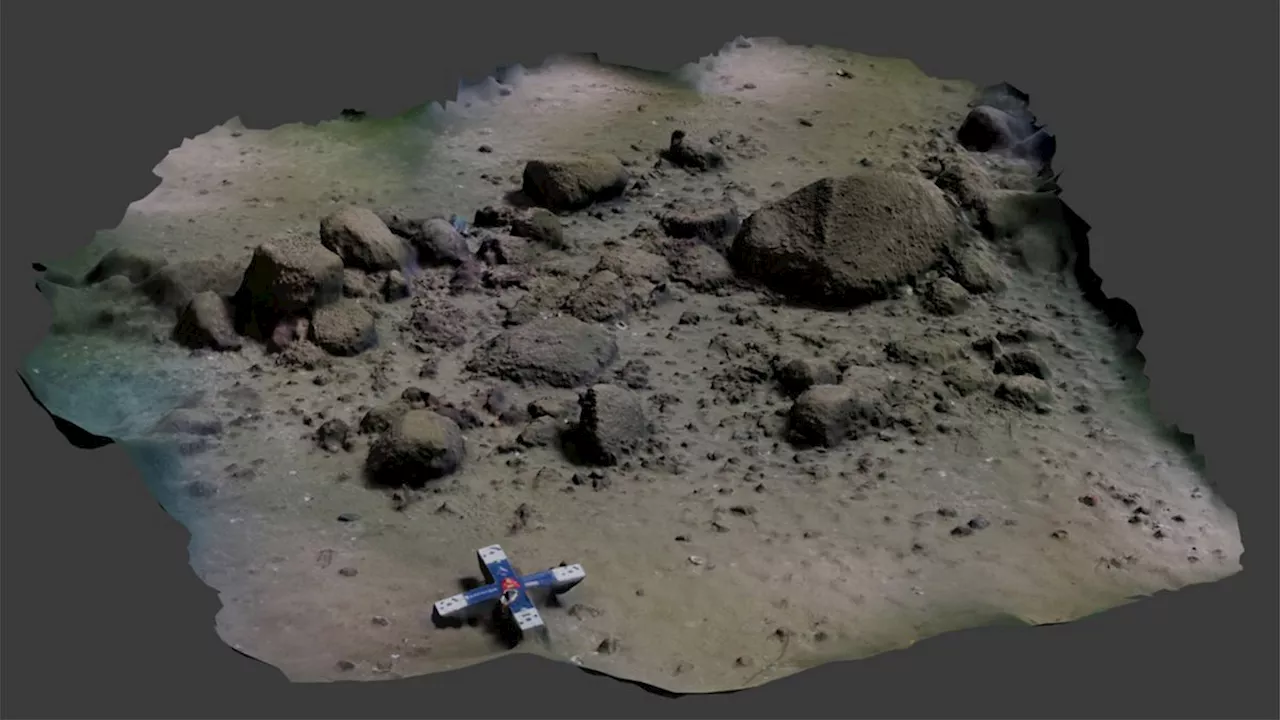 11,000-year-old submerged stone wall discovered off Germany was once used to trap reindeerTom Metcalfe is a freelance journalist and regular Live Science contributor who is based in London in the United Kingdom. Tom writes mainly about science, space, archaeology, the Earth and the oceans. He has also written for the BBC, NBC News, National Geographic, Scientific American, Air & Space, and many others.
Read more »
 Oscars Best Actress Predictions: There's a Non-Stone Worth ConsideringStay up to date with new movie news, watch the latest movie trailers & get trusted reviews of upcoming movies & more from the team at Collider.
Read more »
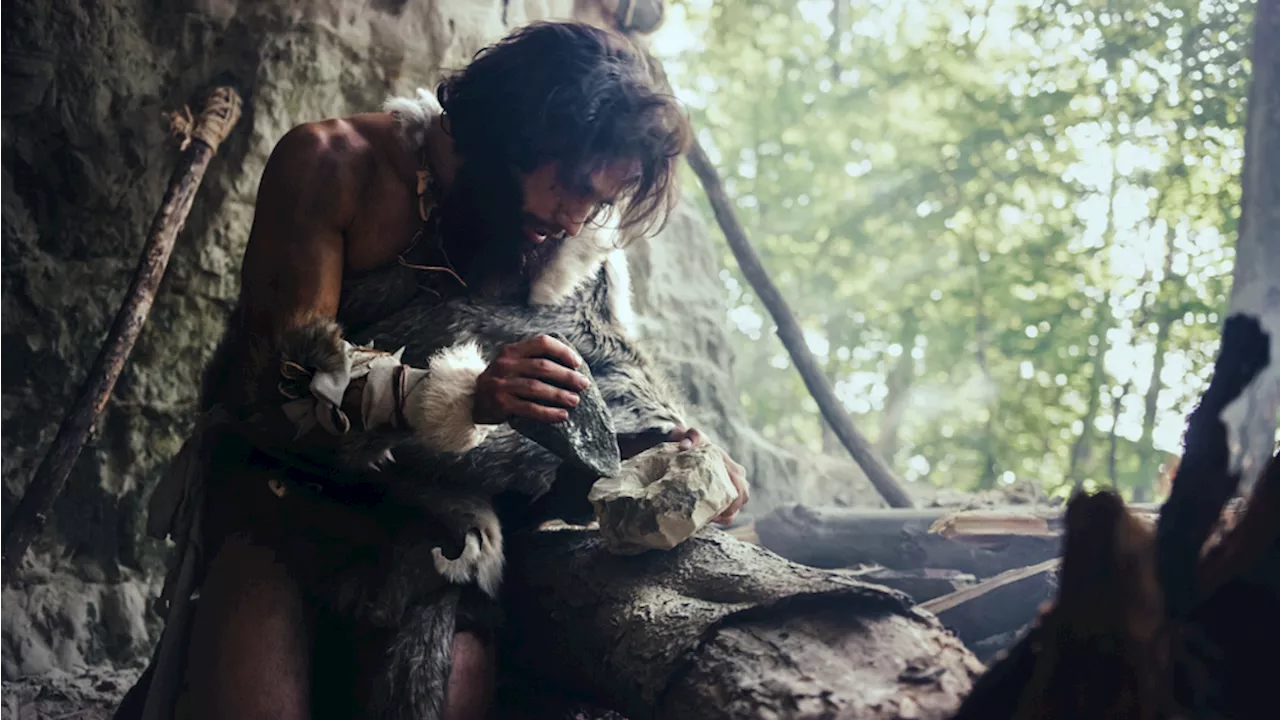 Stone Tools Question the Evolution of Ancient Human Culture and TechnologyA familiar theory of cultural evolution says early humans experienced a 'revolution' in development, but new research shows that the process may have been more gradual.
Read more »
 San Antonio’s La Panadería plans expansion to La Cantera, Stone Oak areasThe owners of homegrown brunch and pastry chain La Panadería plan to bring their brand of bread cultura to San Antonio’s La Cantera and Stone Oak areas, news site MySA reports. Siblings and business partners David and José Cáceres began selling baked goods at the Quarry Farmers & Ranchers Market in 2013.
Read more »
 Where I Live: Stone RidgeScott Ball is getting to know his new neighborhood and enjoying the easy access to McAllister Park.
Read more »
 Eric Stone, Alaska Public MediaLife Informed.
Read more »