
As NHTSA reconsiders a Biden era ruling to mandate automatic emergency braking by 2029, a new study shows steady improvement in the safety technology.
Improvements in safety technology known as advanced driver assistance system, or ADAS, are improving and responsible for a sharp drop in rear-end vehicle-to-vehicle crashes as well as a decrease in collisions with non-motorists, according to a report released Monday by the Partnership for Analytics Research in Traffic Safety, orThe organization is a partnership between 11 automobile manufacturers and the U.
S. Department of Transportation’s National Highway Traffic Safety Administration and operated by MITRE, an independent technology and research and development company.The study revealed a 49% reduction in front-to-rear crashes for vehicles equipped with one ADAS feature in particular, automatic emergency braking, or AEB, across all vehicle segments and model years, since a previous PARTS study released in 2022. Rear-end crashes decreased from 46% across model years 2015–2017 to 52% across model years 2021–2023.How To Get Windows 11 For Free Before Windows 10 Support Ends In addition, there was a 9% reduction in single-vehicle frontal crashes with non-motorists for vehicles equipped with pedestrian automatic emergency braking, or PAEB, marking the first time PARTS was able to quantify a statistically significant measure of PAEB effectiveness.Aside from AEB and PAEB the study looked at lane departure warning, lane keeping assistance and lane centering assistance, with AEB and PAEB showing the most significant improvements. Data for the study was generated by pairing auto manufacturing data with police reports covering 98 million vehicles from model years 2015-2023 representing 168 models from nine automakers, and 21.2 million crashes. That represents a vast increase in data compared with the 2022 study, according to Michelle Michelini, director of surface transportation at MITRE. “We nearly tripled the amount of data that we were able to study, so we were able to statistically significantly show that the results are consistent with previous findings, which was good because we had a much more limited data set,” said Michelini, in an interview. While the much larger data set was key in revealing improved effectiveness of ADAS, the technology has simply improved over time, according to Michelini.“There are advancements in AI technology that contribute to algorithms so the ability to detect a potential collision and make the decision that something's going to happen to begin the feature to work in the in the actual case or crash situation is much more specific and earlier in the process,” she pointed out. “Also we're starting to build this evidence that the integration with other systems is becoming more effective. If you get better integration, you'll get better outcomes.” One better outcome would be evidence ADAS features save lives and prevent injuries. That’s not covered in this study but Micheleni says that’s something “we’re working on” and is likely to be included in a subsequent report. The National Highway Traffic Safety Administration estimates 2.38 million people were injured in traffic crashes on U.S. roadways in 2022 and 40,990 people lost their lives in crashes in 2023. The current report does surmise “Advanced driver assistance systems in motor vehicles have the potential to reduce these crashes, prevent serious injuries, and save thousands of lives each year.” Such documentation is important as automakers spend time and resources to improve and develop these systems, which also add cost to vehicles at a time when affordability is tenuous for many consumers.president and CEO John Bozella wrote, the proposed standard is, “a disastrous decision by the nation’s top traffic safety regulator that will endlessly – and unnecessarily – frustrate drivers; will make vehicles more expensive; and at the end of the day... won’t really improve driver or pedestrian safety.” While not responding to the organizations opposition to the regulation, Michelini said she is hoping the positive results in this latest study showing how the performance of ADAS technologies are improving, will send a strong message to consumers when they’re considering subsequent vehicle purchases. “We really want to encourage consumers to prioritize vehicles equipped with advanced features. We that they save lives. We know that they're helpful in serious outcomes, and when they're making their purchase decisions, to purchase vehicles with these features so that they can protect themselves, their families.”Our community is about connecting people through open and thoughtful conversations. We want our readers to share their views and exchange ideas and facts in a safe space.Insults, profanity, incoherent, obscene or inflammatory language or threats of any kindContinuous attempts to re-post comments that have been previously moderated/rejectedAttempts or tactics that put the site security at riskProtect your community.
United States Latest News, United States Headlines
Similar News:You can also read news stories similar to this one that we have collected from other news sources.
 Goodyear's Smart Tires Could Improve Automatic Emergency BrakingGoodyear has developed a new smart tire technology called SightLine that can detect dangerous road conditions and work with a vehicle's automatic emergency braking (AEB) system to improve safety.
Read more »
 Automakers sue to block Biden’s ‘flawed’ automatic emergency braking ruleThe Alliance of Automotive Innovation is suing the Biden administration to overturn the rule requiring all vehicles to have automatic emergency braking by 2029.
Read more »
 Auto Industry Sues to Block Mandatory Automatic Emergency Braking RuleMajor automakers, represented by the Alliance of Automotive Innovation, challenge the NHTSA's new rule requiring automatic emergency braking in all vehicles by 2029, arguing it is 'flawed' and technologically unfeasible. The NHTSA insists the rule is 'practicable' and necessary to save lives, sparking a debate about the balance between innovation and safety regulations.
Read more »
 Study Shows Emergency Braking Systems Fail To Spot Otherwise High-Visibility Pedestrians At NightCounter to what might be the conventional wisdom, reflective clothing seems to confound the technology.
Read more »
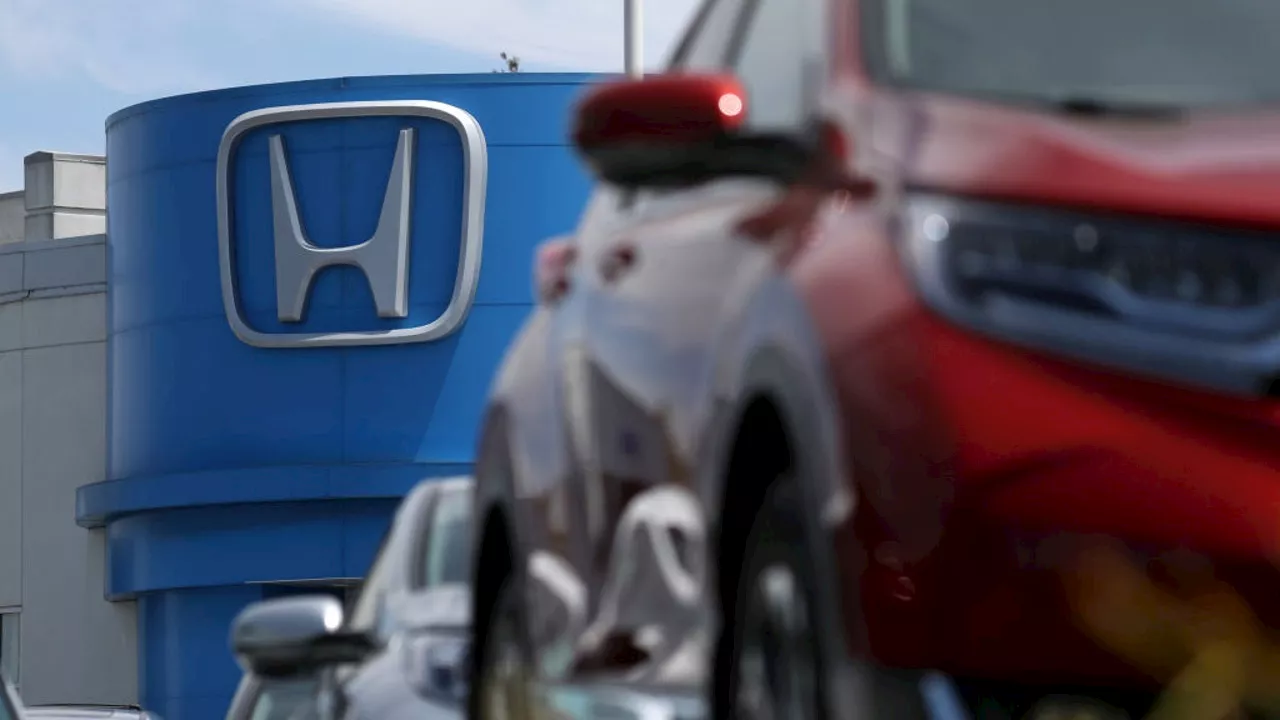 US probing 295K Honda vehicles over inadvertent automatic emergency brakingCertain Honda vehicles with the automatic emergency braking problem are being investigated over reports of crashes and injuries.
Read more »
 Automakers sue US government over mandatory automatic emergency braking ruleThe Alliance for Automotive Innovation, representing major car brands, has filed a lawsuit against the US Department of Transportation to overturn regulations requiring automatic emergency braking (AEB) systems in almost all new vehicles by 2029. While the group supports AEB technology, they argue the strict requirements are impractical and will increase vehicle costs without significantly improving safety. The NHTSA, however, maintains the rule will save 362 lives and reduce over 24,000 injuries annually.
Read more »