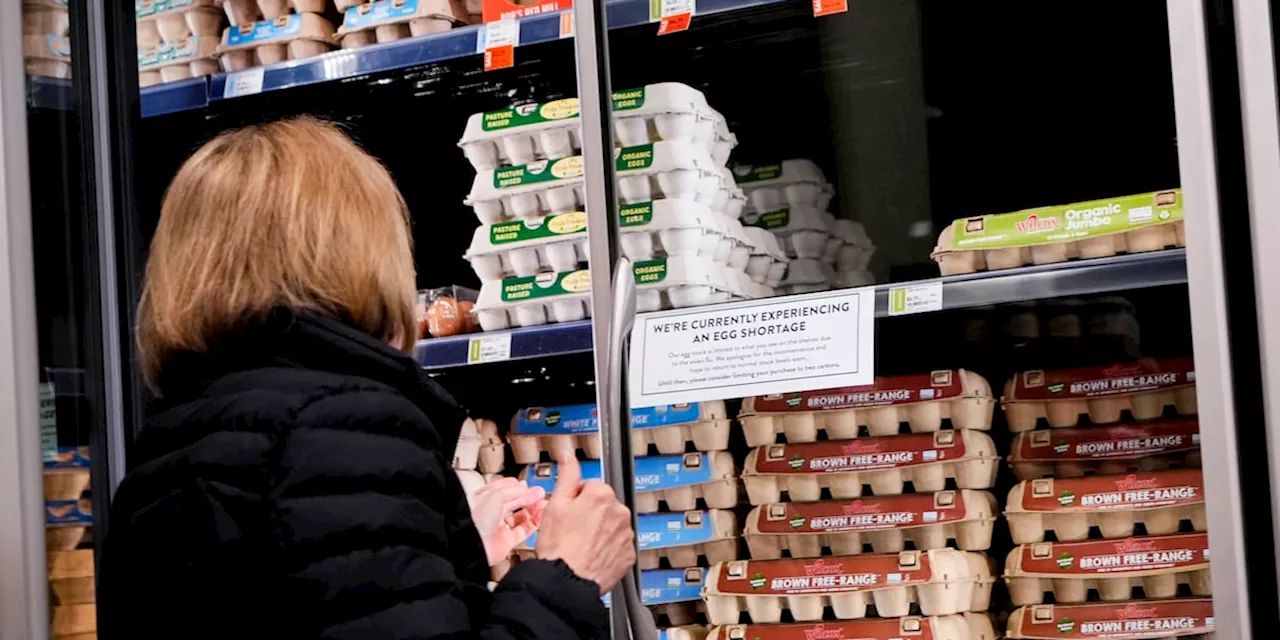
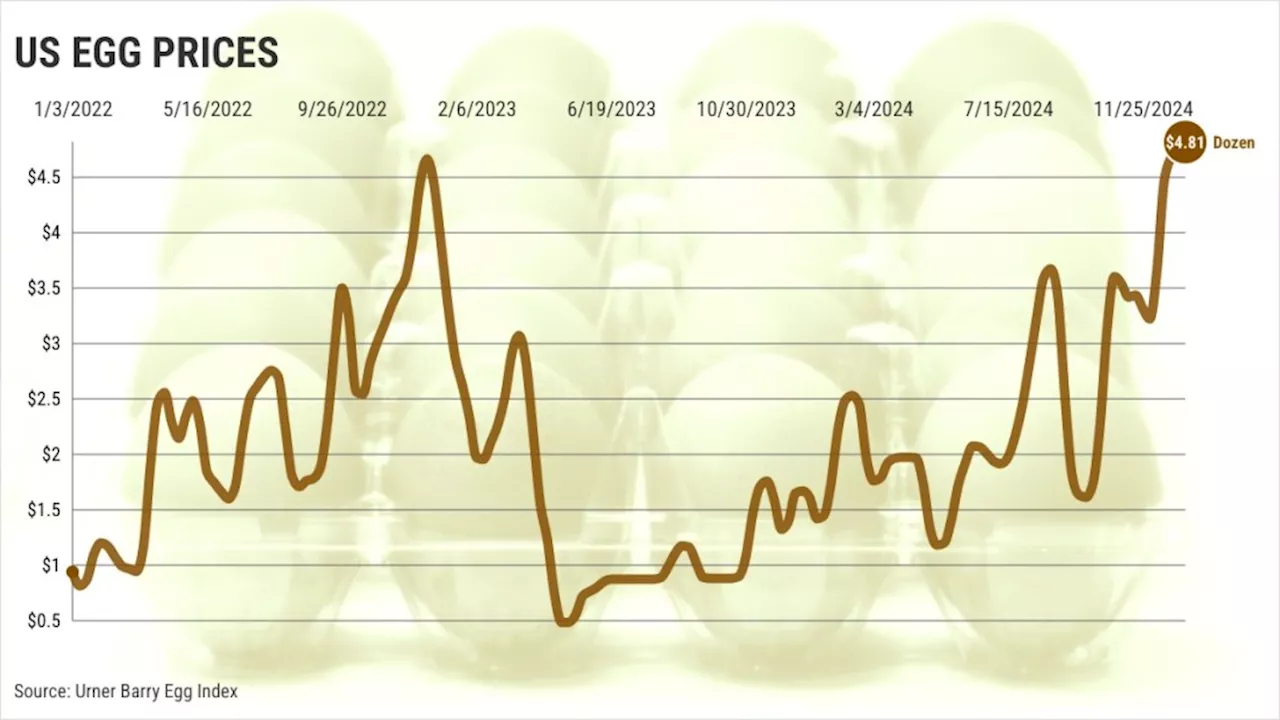
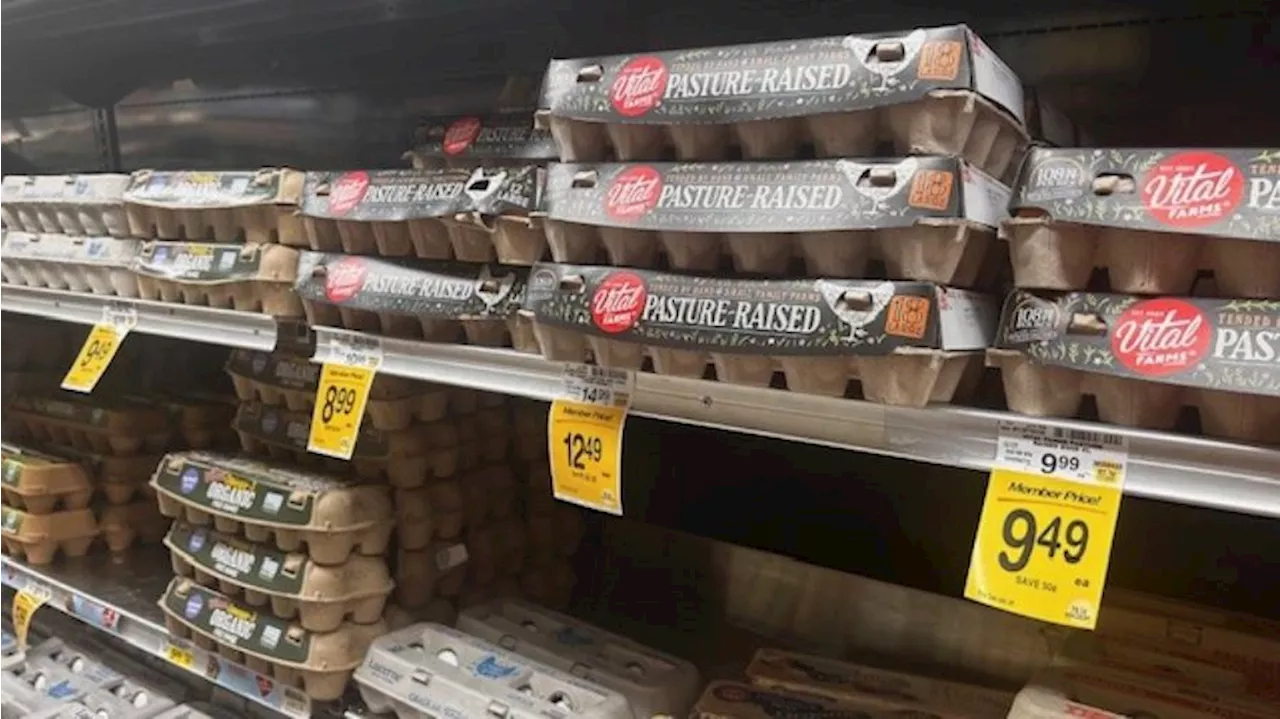
Egg prices have skyrocketed due to the ongoing bird flu outbreak, leaving grocery store shelves bare and consumers frustrated. The virus has led to the culling of millions of chickens, causing a significant supply shortage. Cage-free egg laws and the high demand approaching Easter have also contributed to the price surge.
Walter Sentyrz says he’s barely able to keep eggs on his shelves of his neighborhood store as prices continue to soar. to more than double their cost in the summer of 2023. And it appears there may be no relief in sight, given the surge in demand as Easter approaches.
Shoppers in some parts of the country are already paying more than double the average price, or worse, finding empty shelves in their local grocery stores. Organic and cage-free varieties are even more expensive.“It’s just robbery,” said Minneapolis resident Sage Mills, who bought eggs to bake a birthday cake last week. “Eggs used to be kind of a staple food for us, but now you know, you might as well just go out to eat.”The bird flu outbreak that started in 2022 is the main reason egg prices are up so much. Anytime the virus is found on a poultry farm, the entire flock is slaughtered to help limit the virus' spread. And with massive egg farms routinely housing more than 1 million chickens, just a few infections can cause a supply crunch. The problem tends to linger because it takes months to dispose of all the carcasses, disinfect barns and bring in new birds. More than 145 million chickens, turkeys and other birds have been slaughtered since the current outbreak began, with the vast majority of them being egg-laying chickens. Cage-free egg laws in 10 states may also be responsible for some supply disruptions and price increases. The laws set minimum space for chickens or cage-free requirements for egg-laying hens. They’ve already gone into effect in California, Massachusetts, Nevada, Washington, Oregon, Colorado and Michigan. At a Target in Chicago on Monday, a dozen large conventional eggs cost $4.49 but a dozen large cage-free eggs were selling for $6.19.Bird flu is primarily spread by wild birds such as ducks and geese as they migrate. While it is fatal to a variety of animals, those species can generally carry it without getting sick, which offers the virus a chance to mutate and thrive. The virus can be spread through droppings or any interaction between farm-raised poultry and wild birds. It’s also easily tracked into a farm on someone’s boots or by vehicle.started getting sick last March. That creates more opportunities for the virus to linger and spread and unlike poultry, cattle aren’t slaughtered when they get sick because they rarely die from bird flu.since last March. Nearly all of them worked around sick animals. Health officials haven’t yet found evidence of the disease spreading from person to person.Many poultry farms installed truck washes to disinfect vehicles entering their property and require workers to shower and change clothes before stepping inside a barn. They have also invested in duplicate sets of tools so nothing used in one barn is shared. Some poultry farmers have even invested in lasers that shoot beams of green light in random patterns to discourage ducks and geese from landing. Dairy farmers isolate any sick cattle and do additional testing before moving animals off the farm — especially if there has been a nearby outbreak or if the cows are being sent to a meat processing plant. The government is also testing milk.might help, but it’s not practical to vaccinate millions of chickens through shots, and other countries might refuse to purchase meat from vaccinated birds. Health officials emphasize that any sick birds or cattle are kept out of the food supply. Cooking meat to 165 degrees kills bird flu, E. coli, salmonella or anything else.It is impossible to know how much farmers have spent to seal barns, build shower houses for workers or to adopt other biosecurity measures. “Over the last five years, my small farm alone has spent hundreds of thousands of dollars on biosecurity,” said Minnesota turkey farmer Loren Brey. “But not only that, it’s the time daily that you’re attending to biosecurity.”at least $1.14 billion compensating farmers for the birds they have had to kill. A similar number wasn’t immediately available for how much has been spent to aid dairies. Mike Vickers, a manager at Sentyrz Liquor & Supermarket in Minneapolis, said he can’t even stock any organic, cage-free or brown eggs right now and is limited instead to selling large or jumbo eggs. He understands the pain customers are feeling. “It’s the first time in my life that I’ve ever had to be kind of embarrassed on what I’m selling eggs for,” he said. ”And it’s not our fault. We’re paying today $7.45 for a dozen eggs. We’re selling for $7.59. We’re making $0.14. That’s doesn’t pay the bills.”Funk reported from Omaha, Nebraska. Vancleave contributed from Minneapolis and Durbin from Detroit.Case of meningococcal disease identified in Mobile CountyTrump fills his government with billionaires after running on a working-class message
EGG PRICES BIRD FLU SUPPLY SHORTAGE GROCERY STORES AGRICULTURE
United States Latest News, United States Headlines
Similar News:You can also read news stories similar to this one that we have collected from other news sources.
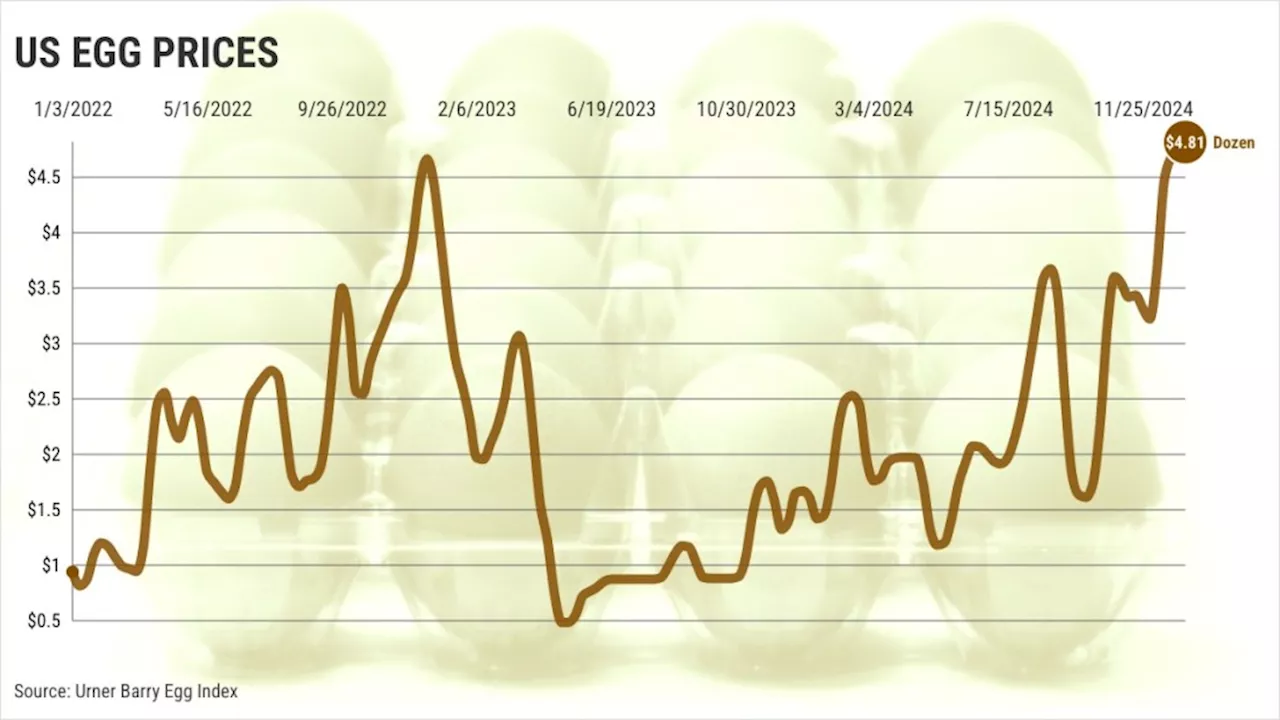
 Bird Flu Ravages Egg Supply, Driving Prices SoaringThe United States is facing a severe shortage of eggs due to another outbreak of avian influenza. Millions of egg-laying hens have been culled, leading to a significant drop in production and skyrocketing prices. The average price of a dozen eggs in California has surged to $8.97, more than double last year's price.
Read more »
 Soaring Egg Prices: Bird Flu to BlameThe US is facing a shortage of eggs due to the widespread outbreak of bird flu, leading to a significant increase in prices. The current situation is expected to last for several months.
Read more »
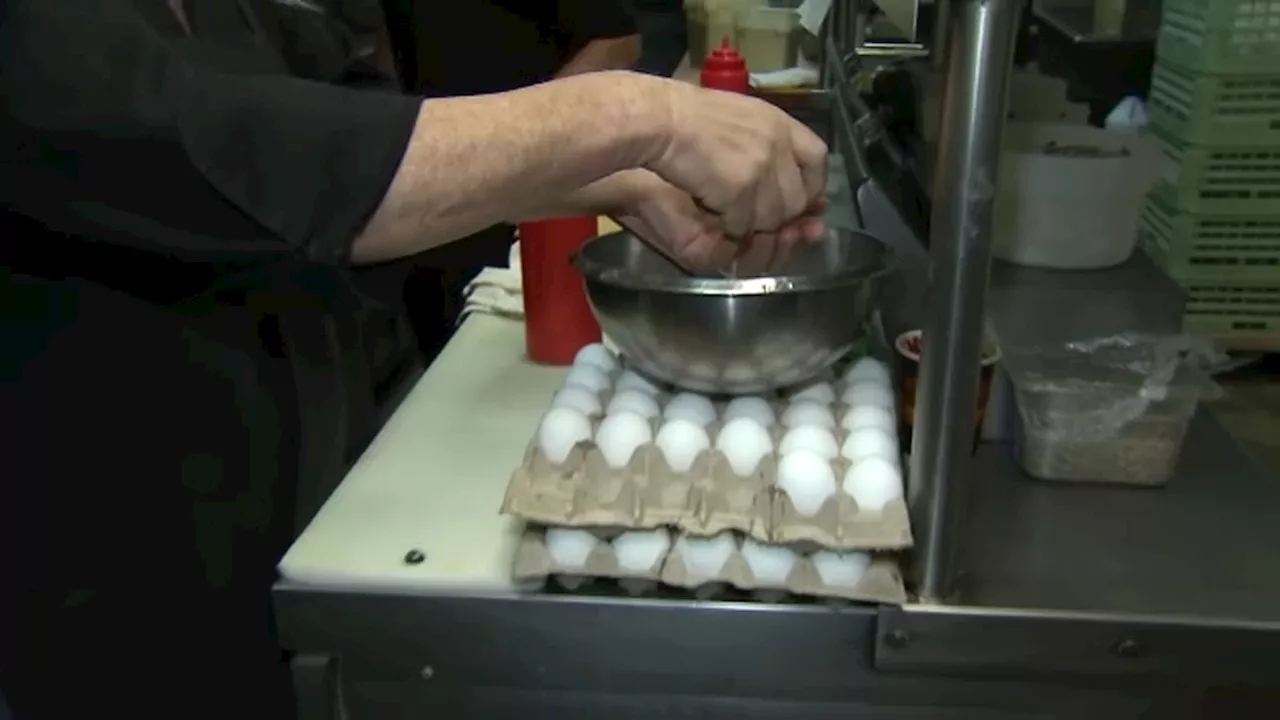 Soaring Egg Prices Threaten Southern California RestaurantsRising egg prices are forcing Southern California restaurants to grapple with higher costs, threatening their profitability. Tony Banuelos, owner of Jake's Roadhouse in Monrovia, shared his struggles with Eyewitness News, highlighting the significant increase in egg prices from $1.90 per dozen in 2022 to $9 per dozen currently.
Read more »
 Bird Flu Fuels Egg Shortage, Sending Prices SoaringAvian influenza is causing widespread egg shortages across the US, forcing consumers to search high and low for this pantry staple. TikTok videos show empty shelves in major retailers like Costco, while prices have skyrocketed nearly 38% in the past year. The USDA reports wholesale egg prices in California reaching almost $9 per carton, leaving some bakeries struggling to cope.
Read more »
 Soaring Egg Prices Strain Family BudgetsThe price of eggs has skyrocketed due to a combination of factors, including the bird flu outbreak, inflation, and increased holiday demand. Shoppers are experiencing sticker shock with prices up over 60% and are struggling to find eggs at all. The bird flu outbreak, the worst in U.S. history, has significantly impacted egg production.
Read more »
 Bird Flu Outbreak Sends Egg Prices Soaring in NYC - Schumer WarnsA bird flu outbreak is causing egg prices to rise in New York City, and Senate Minority Leader Chuck Schumer warns that the situation could worsen if left unchecked.
Read more »