Clean Tech News & Views: EVs, Solar Energy, Batteries
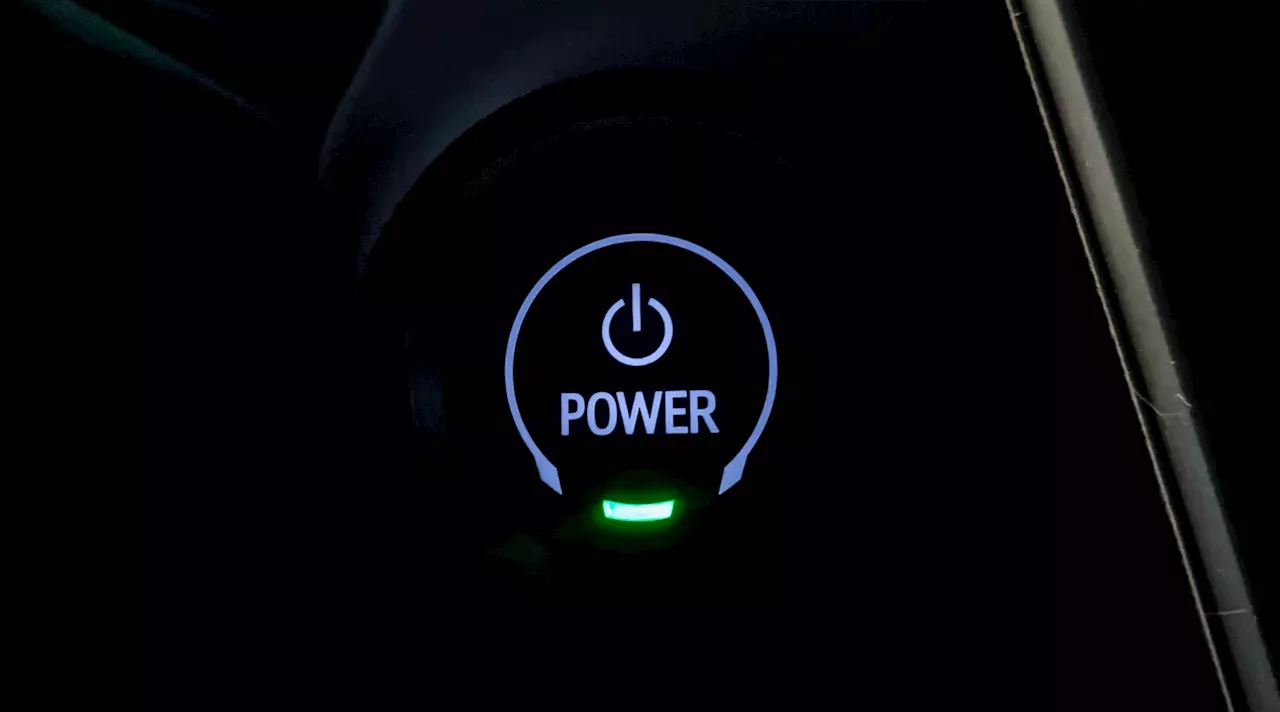
To many readers, what I’m about to get into might sound bizarre. After all, EVs often copy things that Tesla pioneered. So, why would anyone want an EV with an unnecessary start/stop button? But, for me, it’s not that simple.
I’ve driven some Teslas, but I’ve never owned one. At first, they were out of my budget, and later, when they became affordable, the most affordable models weren’t appealing to me. Elon’s authoritarian conservative politics aside, I really just wasn’t a fan of the overly simplified interiors. Don’t take it personally, as I have nothing against people who like Tesla interiors, but they’re just not for me. I’ve thought about the things I’d miss in a newer Tesla. Things like a turn signal stalk, shifter controls, gauge cluster display, and HVAC control buttons just don’t seem like necessary deletions. If anything, weird stuff like touchscreen-controlled vents and power door handles actually add electromechanical complexity to cars instead of following Elon’s stated philosophy of “the best part is no part.” So, in the end, the minimalist philosophy of Tesla really seems to be more about aesthetics than function. Again, if that’s your cup of tea, go for it, but I’ll be drinking something else. I don’t want my car to look like the interior of the space shuttle, but I’d like it to have a few buttons to go with touchscreens. But, one thing I hadn’t really thought about in all of this was the start/stop button. For me, every EV I’ve owned had a button you’d press to activate the drive systems before you go. So, it didn’t really even occur to me that some EVs didn’t have them. I recently came across some social media posts that castigated a new EV from one of the other automakers for having a “primitive” and “unnecessary” button. My knee-jerk reaction is that a car really should have one, but I wanted to think things over first instead of taking my default position.To be fair, I’ll start with the cons. I’m biased in favor of buttons, after all. The biggest obvious issue is that it slows you down. Getting into a car that energizes the EV system by itself when you hit the brake pedal is fast and convenient. There’s no need to hit the button and wait for the computer to let you put the vehicle in D or R. The other issue is extra parts. EVs already have a computer, but adding a circuit and a button to close that circuit to signal to the computer that you’d like to get the vehicle mobilized all cost something. There’s also a non-zero chance of that circuit or the button failing. So, the extra complexity does come at a cost to all involved, even if it’s small. A less important issue is aesthetics, but aesthetics matter a lot to vehicle buyers. A button interrupts otherwise clean lines, takes up dash space, and otherwise must be accommodated. I don’t personally care about this issue, but maybe you do. Finally, it’s a holdover from the ICE age in some ways. EVs don’t have a starter, so there’s nothing to start, right? So, it stands to reason that the concept of “starting” a car doesn’t really apply to EVs. So, this thinking goes, it’s time to get people to move on and embrace the brave new world of EVs instead of pretending to still have an ICE vehicle.On the other hand, there are some downsides to getting rid of the button. First off, it’s familiar to people switching from an ICE vehicle. Obviously, we need to get as many people to switch as possible, so anything that aids a shopper in feeling comfortable is a good thing. We can’t be so busy serving the early adopter class that we hinder the next wave of mainstream buyers. So, we can’t let early adopters who’ve acclimated to Tesla’s different way of doing things push us into making EVs too alien. The button also provides some certainty about the vehicle’s state. If it’s on, it’s on. If it’s off, it’s off. There’s no need to worry about whether the vehicle might start driving while a kid or a dog is climbing around inside or something. Even worse, the issue of being unsure whether a vehicle is disabled has led to emergency personnelWhile there’s no starter, the Start/Stop button does activate an important EV system: the contactors. Before an EV is on, the battery pack’s contactors are in an open state, so there’s no high voltage on the wires in the vehicle. When you turn it on, the contactors close, completing the circuits and putting high voltage onto the thick cables that feed the drive unit. This gives the driver control over a critical system and allows us to more easily disable the system for safety after an accident. So, there are some important safety issues at play here and not just a pathetic need to cling to the past.I’m not about to say that every EV needs to have a mandatory button. I despise safety Karens, and I’m not going to be one of those ladies. Given that Tesla and some other manufacturers have done millions of EVs without a button already, that horse has already left the gate and is a good bit of the way around the track by now. The safety issues already must be addressed by emergency responders, and they’re being addressed. But, I also don’t think it’s wise to pressure automakers into eliminating buttons, either. Manufacturers who want to cater to a more cutting edge audience can skip that, while manufacturers trying to pull in their ICE customers and old fogey types like me can keep the buttons.I don't like paywalls. You don't like paywalls. Who likes paywalls? Here at CleanTechnica, we implemented a limited paywall for a while, but it always felt wrong — and it was always tough to decide what we should put behind there. In theory, your most exclusive and best content goes behind a paywall. But then fewer people read it!! So, we've decided to completely nix paywalls here at CleanTechnica. But...Jennifer Sensiba is a long time efficient vehicle enthusiast, writer, and photographer. She grew up around a transmission shop, and has been experimenting with vehicle efficiency since she was 16 and drove a Pontiac Fiero. She likes to get off the beaten path in her"Bolt EAV" and any other EVs she can get behind the wheel or handlebars of with her wife and kids. You can
Trending
 A gorgeous April afternoon in store across the Denver metro area
  ‘Artemis Mission Cannot Lead To Interplanetary Wild West,’ Astronomer Warns
  Trump says US forces will ‘finish the job’ soon in first prime-time speech since starting Iran war
  Former Wisconsin football player, who left the sport amid mental health struggles, dead at 24
  Drew McIntyre Gives Honest Take About His Recent WWE Title Reign
  U.S. Sen. Bernie Sanders introduces bill that could keep the Padres in San Diego
 United States Latest News, United States Headlines
Similar News:You can also read news stories similar to this one that we have collected from other news sources.
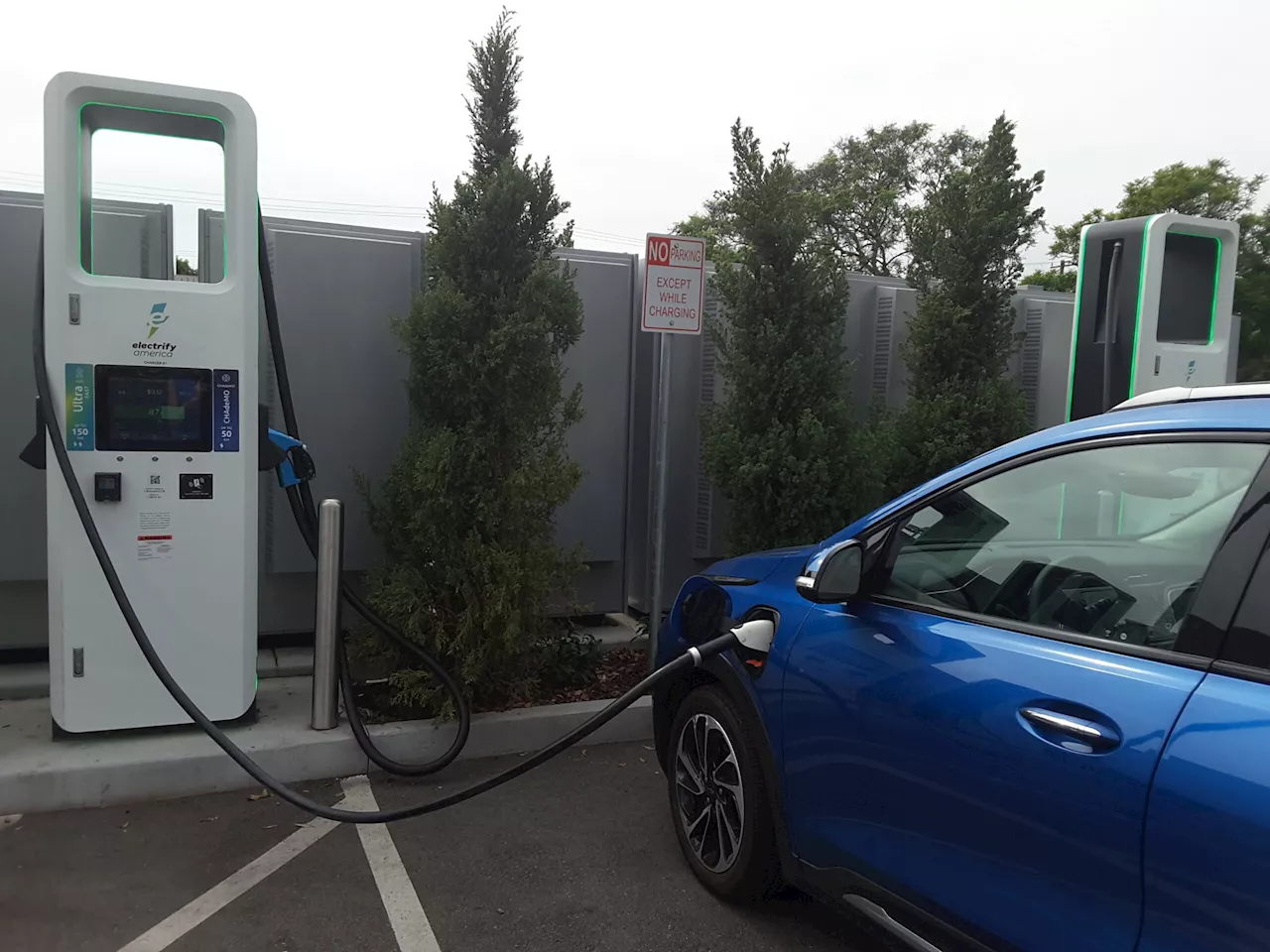 Chevy Bolt EUV long-term review ArchivesClean Tech News & Views: EVs, Solar Energy, Batteries
Read more »
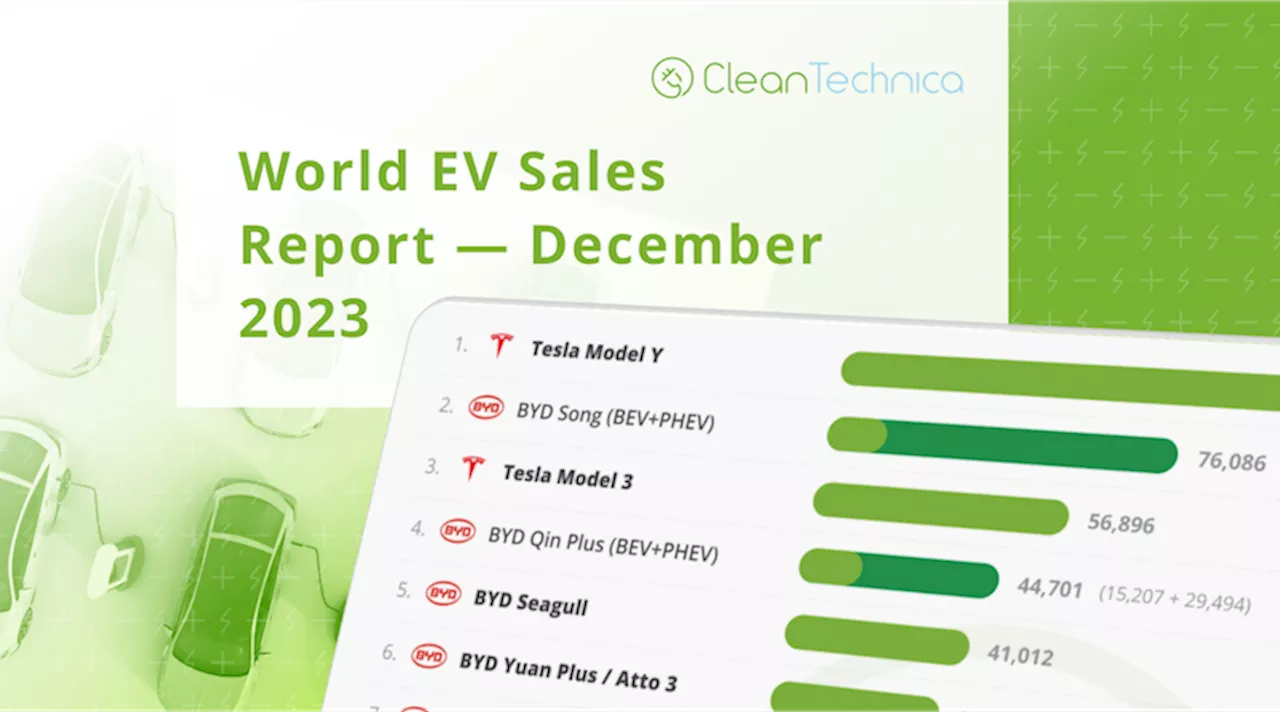 CleanTechnica Reports ArchivesClean Tech News & Views: EVs, Solar Energy, Batteries
Read more »
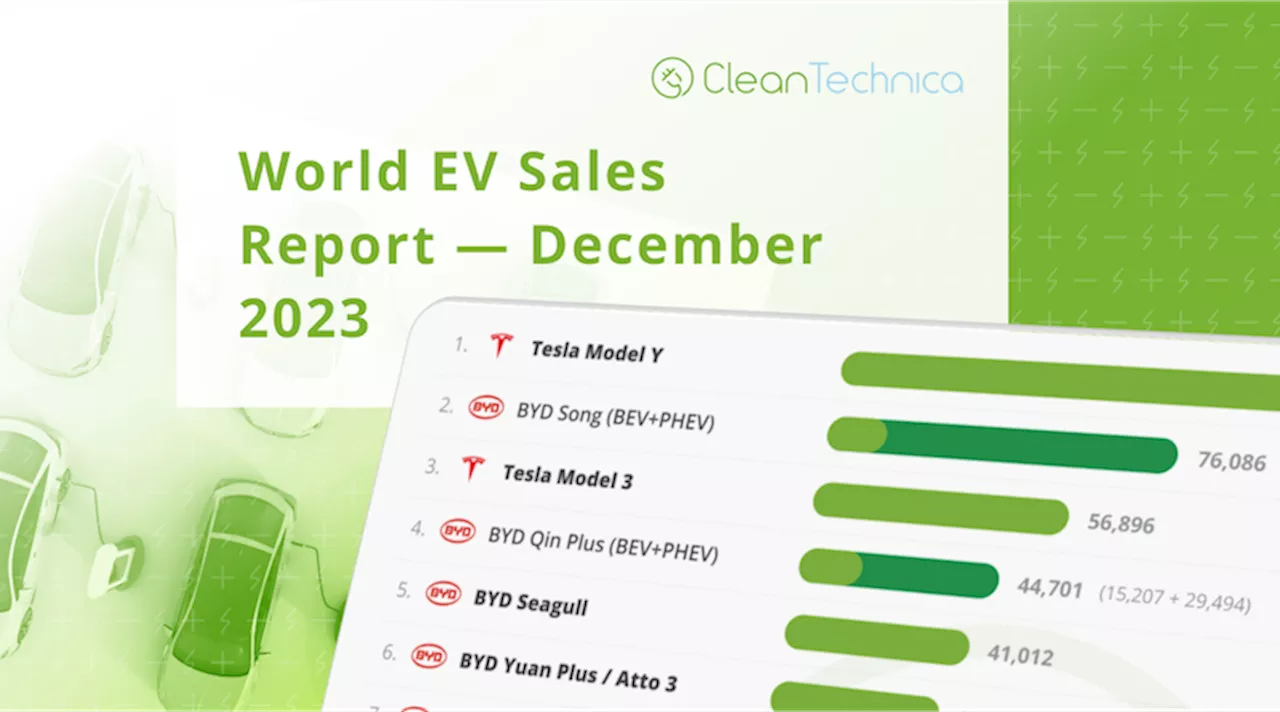 Tesla (Still) #1 in World BEV Sales — 2023 World EV Sales ReportClean Tech News & Views: EVs, Solar Energy, Batteries
Read more »
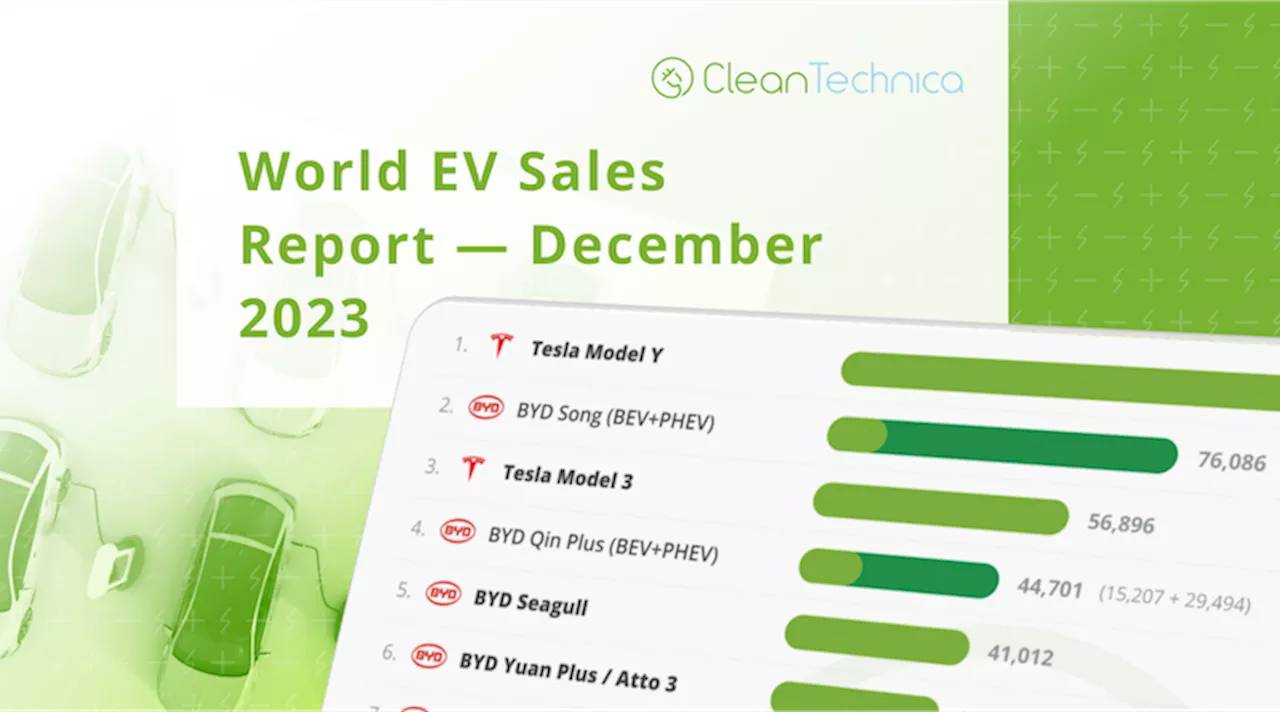 BYD #1 In World In Plugin Vehicle Sales In 2023Clean Tech News & Views: EVs, Solar Energy, Batteries
Read more »
 World EV Sales Report — Tesla Model Y is the Best Selling Model in the World!Clean Tech News & Views: EVs, Solar Energy, Batteries
Read more »
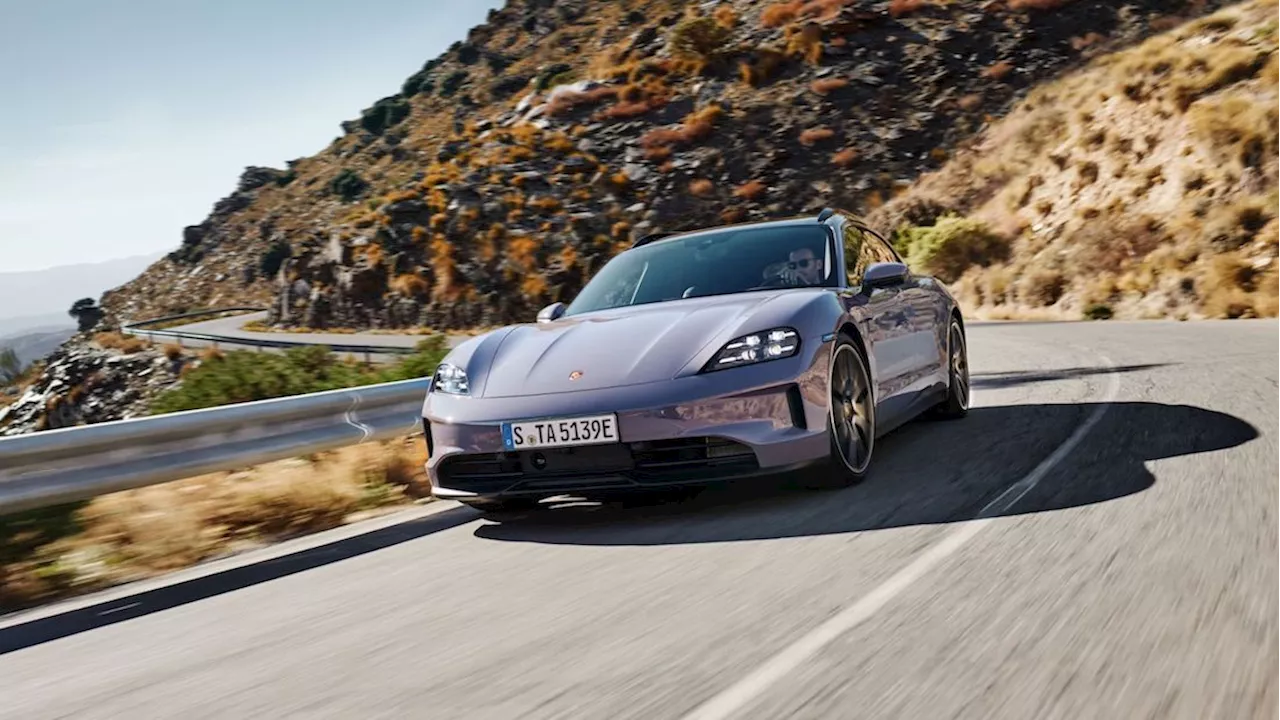 Porsche's new Taycan EVs have more range, faster acceleration and a higher priceSarah Fielding MS, is an acclaimed journalist focusing on mental health, social issues, and tech. At Engadget, she reports on tech news, whether it be a Twitter bot exposing gender pay gaps or a beloved classic game's revival.
Read more »