
A new research study reveals that shallow coastal waters are significant sources of methane emissions, contributing to global warming. The study highlights the influence of tides, seasons, and ocean currents on methane release, and the crucial role of methanotrophic microbes in mitigating these emissions.
Shallow coastal waters are emerging as significant hotspots for methane emissions , releasing substantial amounts of this potent greenhouse gas into the atmosphere and contributing to global warming. A new research project sheds light on the intricate interplay between tides, seasons, and ocean currents in shaping methane emissions from these dynamic ecosystems.
Crucially, the study highlights the vital role played by tiny microorganisms, known as methanotrophs, in mitigating the impact of these emissions.This groundbreaking research, conducted by NIOZ PhD candidate Tim de Groot, will be presented as part of his dissertation defense on January 31, 2025, at Utrecht University. While human-induced methane sources have been extensively studied, natural sources like coastal waters remain relatively under explored. These shallow and ever-changing environments are rich in methane, and due to their limited depth, methane-consuming microbes (methanotrophs) have insufficient time to break it down before it escapes into the atmosphere.The study encompassed three distinct regions: the Doggerbank seep area in the North Sea, the Dutch Wadden Sea, and coastal waters near Svalbard in the Arctic. The findings revealed a profound influence of natural factors, such as tides and seasonal variations, on methane emissions. These fluctuations also directly affect the activity of methane-consuming microbes.In the Wadden Sea, methane levels and emissions peaked during warmer seasons when microbial activity was robust. However, even in colder months, methane concentrations remained elevated, with windy conditions further accelerating atmospheric releases. Tidal currents acted as conduits, transporting methane into adjacent waters, where it could still escape into the atmosphere, emphasizing the widespread impact of coastal methane dynamics.At the Doggerbank seep area, receding tides triggered surges in methane release while simultaneously stimulating microbial activity in deeper waters. Conversely, during cooler autumn months, when water mixing intensified, microbial activity declined, leading to a greater proportion of methane escaping into the atmosphere compared to summer.In the Arctic near Svalbard, methane concentrations were highest near the seabed, where diverse and abundant microbial communities thrived. Ocean currents played a pivotal role in dispersing methane and microbes, hindering their ability to completely decompose the gas before it reached the atmosphere.Laboratory experiments complemented the fieldwork, revealing the remarkable adaptability of methanotrophic microbes. They flourish in a wide range of environmental conditions, including fluctuations in temperature, salinity, and methane levels. 'As ecosystems undergo transformations, methane-consuming microbes exhibit remarkable resilience. When one group encounters challenges, another assumes the role, ensuring the continued functionality of nature's methane filter even in a warming world,' explains Tim de Groot. 'Coastal areas, while occupying a relatively small portion of the ocean, serve as significant hotspots for methane emissions. As climate change reshapes these systems, comprehending how methane emissions will evolve and identifying strategies for mitigation becomes increasingly imperative.
Methane Emissions Coastal Waters Climate Change Methanotrophs Ocean Currents
United States Latest News, United States Headlines
Similar News:You can also read news stories similar to this one that we have collected from other news sources.
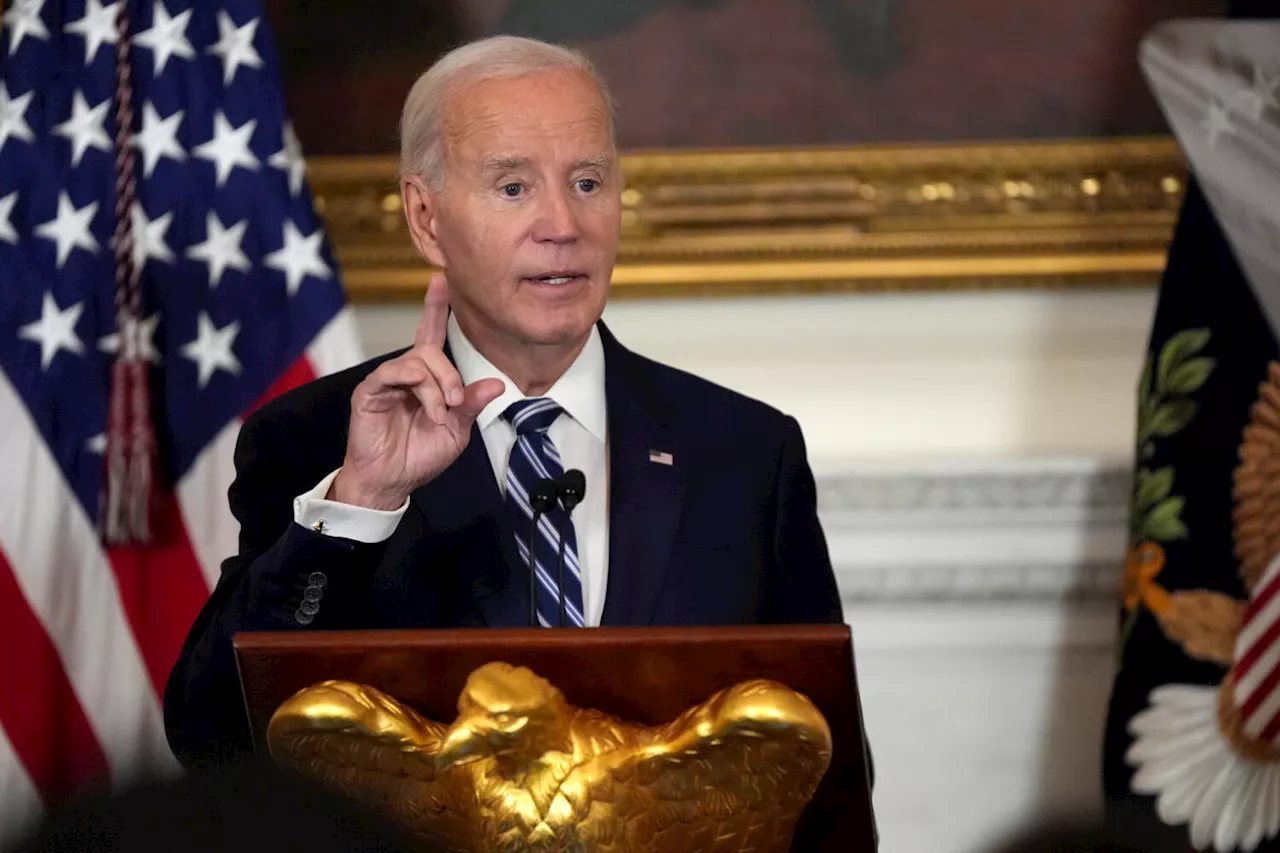 Biden Bans New Offshore Drilling in Most U.S. Coastal WatersPresident Joe Biden is implementing a ban on new offshore oil and gas drilling in most U.S. coastal waters, aiming to prevent potential expansion by the incoming Trump administration. The order, made under the Outer Continental Shelf Lands Act, safeguards areas along the East and West coasts, the eastern Gulf of Mexico, and parts of Alaska's Northern Bering Sea. Biden emphasizes the irreversible damage drilling could inflict on these areas and the necessity of transitioning to clean energy.
Read more »
 Biden Bans New Offshore Oil and Gas Drilling in Most U.S. Coastal WatersPresident Joe Biden is taking steps to prohibit new offshore oil and gas drilling in most U.S. coastal waters, a late-term move aimed at preempting potential efforts by the incoming Trump administration to broaden offshore drilling activities.
Read more »
 Biden Bans New Offshore Drilling in Most U.S. Coastal WatersPresident Biden takes action to protect coastal waters from future oil and natural gas drilling, limiting potential expansion by the incoming Trump administration.
Read more »
 Biden Bans New Offshore Oil Drilling in Most U.S. Coastal WatersPresident Biden issues last-minute order to protect coastal areas from future oil and gas exploration, aiming to thwart potential expansion by the incoming Trump administration.
Read more »
 Biden Bans New Offshore Drilling in Most U.S. Coastal WatersPresident Joe Biden is implementing a ban on new offshore oil and gas drilling in most U.S. coastal waters as a final measure to prevent potential expansion by the incoming Trump administration. The ban, using authority under the Outer Continental Shelf Lands Act, protects areas along the East and West coasts, the eastern Gulf of Mexico, and parts of Alaska's Northern Bering Sea. Biden argues that drilling could cause irreversible damage to cherished coastal environments and is unnecessary to meet national energy needs, emphasizing the importance of climate change mitigation and a clean energy transition.
Read more »
 Biden Bans New Offshore Oil and Gas Drilling in Most U.S. Coastal WatersPresident Biden is implementing a ban on new offshore oil and gas drilling in most U.S. coastal waters. The move aims to prevent the incoming Trump administration from expanding offshore drilling. Biden states the decision is based on the potential for irreversible damage to coastal environments and the unnecessary nature of drilling to meet the nation's energy needs.
Read more »