The NCAA and major college conferences are considering a possible settlement of an antitrust lawsuit that could cost them billions in damages and force schools to share athletics-related revenue with their athletes.
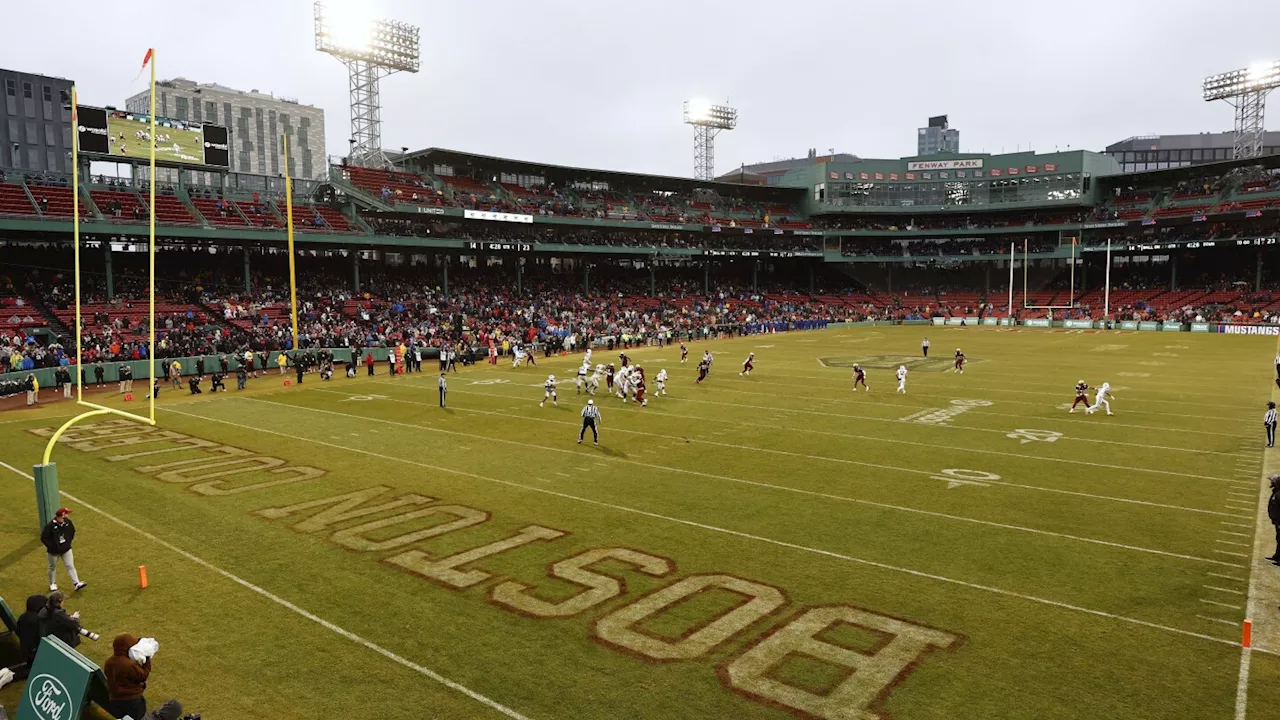
FILE - Boston College play SMU during the first half of the Fenway Bowl NCAA football game at Fenway Park Thursday, Dec. 28, 2023, in Boston. With the expanded College Football Playoff locked in through 2031, questions still remain about what the rest of the postseason will look like.
One thing is certain, there will still be bowl games. SCOTTSDALE, Ariz. — The NCAA and major college conferences are considering a possible settlement of an antitrust lawsuit that could cost them billions in damages and force schools to share athletics-related revenue with their athletes. But even if college sports leaders create a new, more professional model for collegiate athletics they likely would need help from Congress if athletes are not classified as employees.told the AP on Friday the association could pay out $2.9 billion in damages over 10 years to resolve the class-action lawsuit — which is set to go to trial in January. Schools in the Big Ten, Big 12, Atlantic Coast Conference and Southeastern Conference could be on the hook for about $30 million per year, which would include about $20 million annually directed to their athletes. The people spoke on condition of anonymity because settlement negotiations were not being made public, and emphasized a deal is far from finalized. Conditions of an agreement still must be approved by the NCAA board of governors and the presidential boards of each of the four conferences.Group of Five conference football tournament that interferes with playoff would be hard to sellU.S. District Judge Claudia Wilken, who already has ruled on several high-profile antitrust cases against the NCAA in the Northern District of California, ordered the sides to attempt to settle the case months ago. A more developed plan emerged from a meeting of NCAA and conference officials in Dallas last week. Earlier this week, Big 12 Commissioner Brett Yormark declined to discuss anything related to a possible settlement or the gathering in Dallas while speaking with reporters after his conference meetings in Arizona wrapped up. There is quiet acknowledgement among many college sports administrators that a settlement of House is the best course of action. The case, brought by former Arizona State swimmer Grant House, contends college athletes should receive a cut of the billions of dollars in media rights fees that go to the power conferences and the NCAA, dating to 2016. In a previous filing, attorneys for the NCAA and the conferences contend damages in House will be $1.4 billion, though in successful antitrust cases damages are tripled. The NCAA and college sports leaders have been seeking help from Congress in the form of a federal law to regulate NIL compensation for several years, but there has been little movement on that front.Even with a settlement in House and a revenue-sharing plan, the NCAA and major conferences could still need a federal law or antitrust protection to prevent more challenges. “In terms of their legal options one is to go to Congress, two is to recognize the athletes as employees and enter collective bargaining agreements, the other one is to try to operate in a way that is more defensible under the law,” Tulane sports law professor Gabe Feldman said. “The door is still open to re-invent itself to either withstand litigation or gain more support for congressional intervention.” Feldman said a federal law that denies college athletes employment status could face a court challenge without the NCAA and conferences being granted an antitrust exemption by Congress.A recent ruling from an National Labor Relations Board regional director paved the way for members of the Dartmouth men’s basketball team to vote to join a union. The school isBaker himself proposed in December creating a new tier of Division I in which schools would be required to pay at least half their athletes $30,000 per year in trust funds. Baker also encouraged schools to bring NIL activities for athletes in-house instead of solely allowing them to work with third-party entities. Baker’s D-I project proposal has mostly been tabled, but allowing — though not requiring — schools to pay their athletes seems closer than ever to becoming a reality.Russo has been the national college football writer for The Associated Press for two decades. He is a native New Yorker.
General News Domestic News IN State Wire CA State Wire Sports Dallas S Charlie Baker N U.S. News U.S. News
United States Latest News, United States Headlines
Similar News:You can also read news stories similar to this one that we have collected from other news sources.
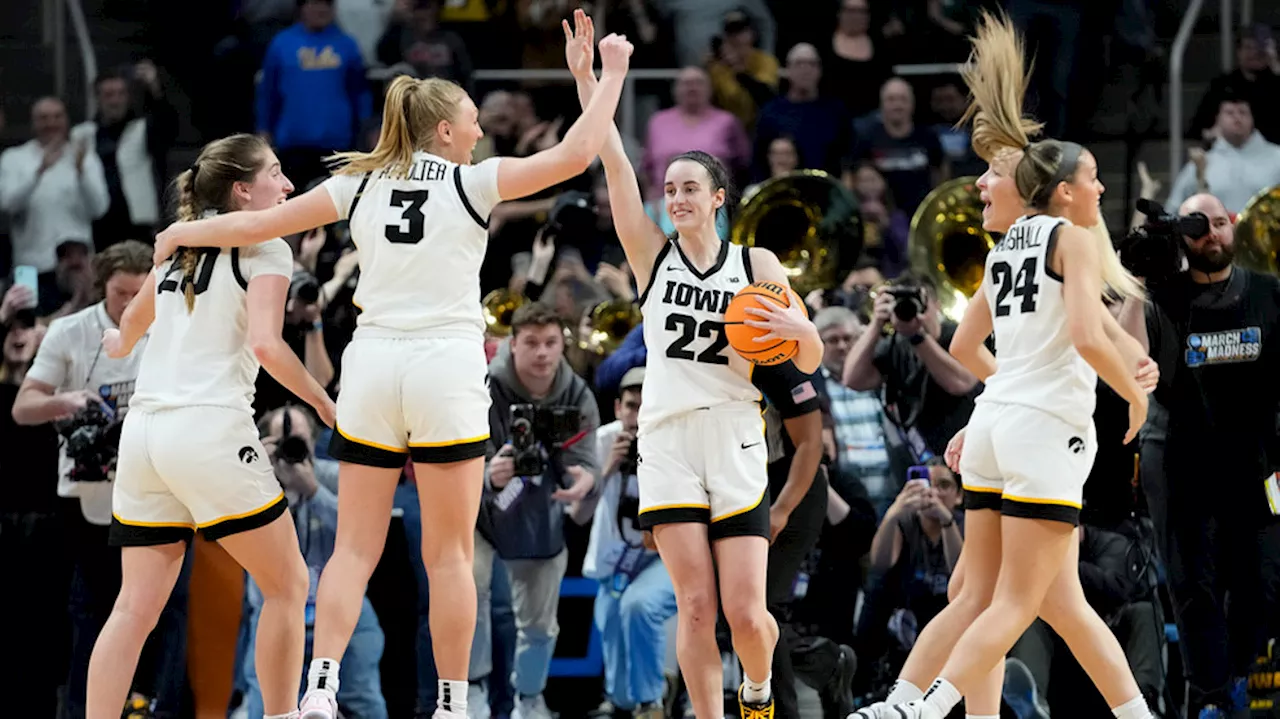 Ticket Prices for NCAA Women's Final Four Double That of Men's SemifinalsThe average price paid for a ticket on the resale market this week was twice as high for the NCAA women's Final Four compared with that for the men's semifinals, according to a technology company that analyzes prices across multiple platforms.
Read more »
 Ticket Sales for NCAA Final Four Reaching Record LevelsStubhub's ticket sales for this week's NCAA Final Four tournament at Glendale's State Farm Stadium are reaching 'record levels' and are on track to be the highest-selling tournament since 2018. Tickets for the Men’s Final Four have more than double the sales compared to last year, while ticket sales for the Women’s Final Four are also outpacing last year’s sales. At least 19% of tickets already sold were bought in Arizona. The average ticket price is currently $698, with the starting price on Stubhub for a ticket to the semifinals being $382.
Read more »
 NCAA women's Final Four ticket prices skyrocket, doubling their male counterpartsThe average price paid for a ticket on the resale market this week was twice as high for the NCAA women's Final Four compared with that for the men's games.
Read more »
 'Pac-2' members Washington St, Oregon St cashing in from NCAA TournamentThanks to four men’s teams from the Pac-12 Conference making the NCAA Tournament — and all winning at least one game — Washington State and Oregon State have added another chunk of change to their coffers over the last couple weeks.
Read more »
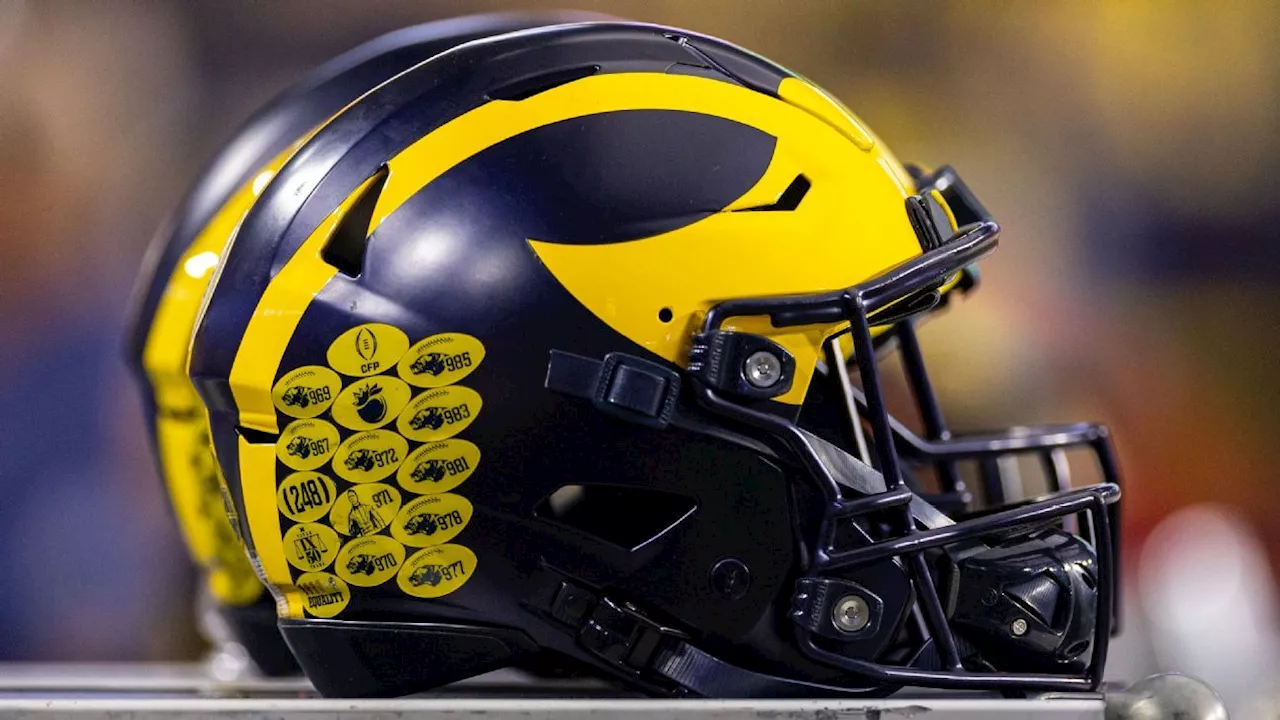 Michigan reaches settlement with NCAA for recruiting violationsMichigan will serve three years of NCAA probation, pay a fine and face recruiting restrictions after the university and five current or former football employees reached an agreement with the NCAA's enforcement staff on recruiting violations.
Read more »
 Settlement could cost NCAA nearly $3 billion; plan to pay athletes would need federal protectionThe NCAA and major college conferences are considering a possible settlement of an antitrust lawsuit that could cost them billions in damages and force schools to share athletics-related revenue with their athletes
Read more »