The Southeastern Conference gathered on the Gulf Coast for its annual spring meetings this week with news of a landmark $2.8 billion settlement that will transform how athletes are compensated still reverberating through college sports.
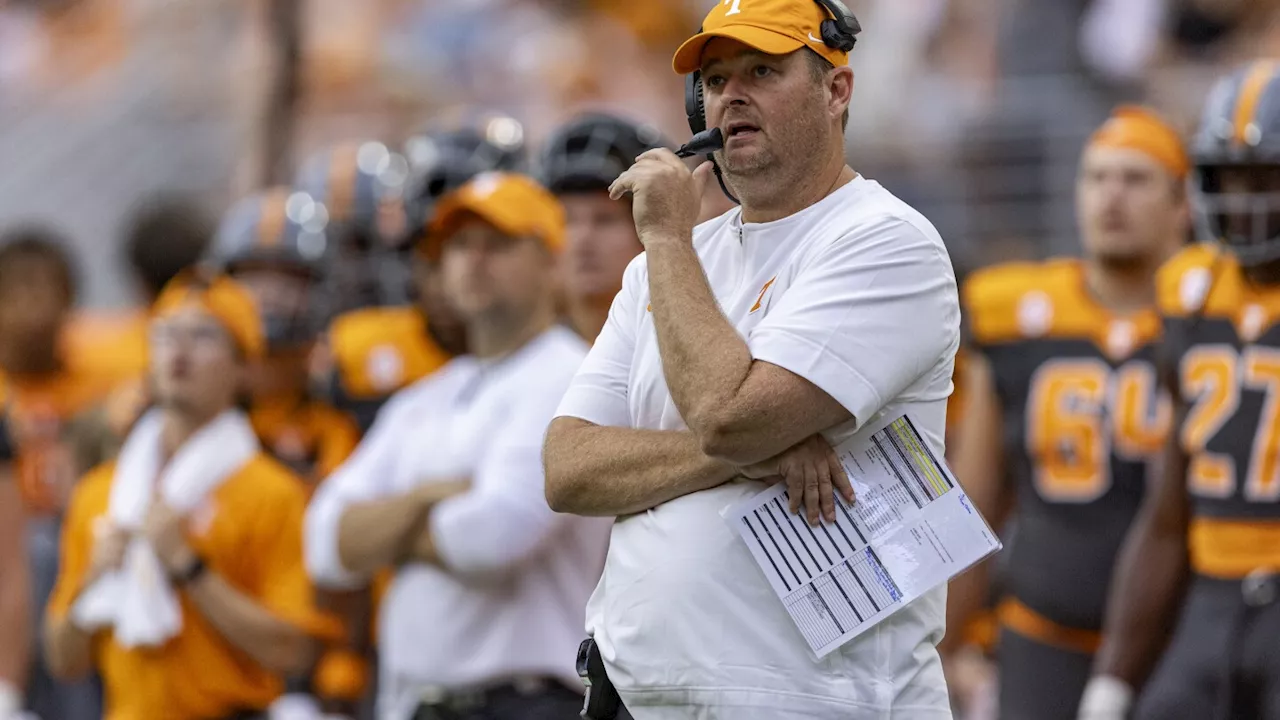
FILE - Tennessee coach Josh Heupel watches play during the eam’s NCAA college football game against Austin Peay on Sept. 9, 2023, in Knoxville, Tenn. The Southeastern Conference gathered for its annual spring meetings this week with news of a landmark $2.
8 billion settlement that will transform how athletes are compensated still reverberating through college sports. “Came in with a lot of question, leaving with a lot more,” Heupel said Wednesday, May 29. FILE - Alabama athletic director Greg Byrne waves as he visits the fields during the NCAA college football team’s spring practice March 6, 2024, in Tuscaloosa, Ala. The Southeastern Conference gathered for its annual spring meetings this week with news of a landmark $2.8 billion settlement that will transform how athletes are compensated still reverberating through college sports. 8 billion settlement that will transform how athletes are compensated still reverberating through college sports. “Came in with a lot of question, leaving with a lot more,” Heupel said Wednesday, May 29. 8 billion settlement that will transform how athletes are compensated still reverberating through college sports. “Came in with a lot of question, leaving with a lot more,” Heupel said Wednesday, May 29. FILE - Alabama athletic director Greg Byrne waves as he visits the fields during the NCAA college football team’s spring practice March 6, 2024, in Tuscaloosa, Ala. The Southeastern Conference gathered for its annual spring meetings this week with news of a landmark $2.8 billion settlement that will transform how athletes are compensated still reverberating through college sports. FILE - Alabama athletic director Greg Byrne waves as he visits the fields during the NCAA college football team’s spring practice March 6, 2024, in Tuscaloosa, Ala. The Southeastern Conference gathered for its annual spring meetings this week with news of a landmark $2.8 billion settlement that will transform how athletes are compensated still reverberating through college sports. DESTIN, Fla. — The Southeastern Conference gathered on the Gulf Coast for its annual spring meetings this week with news of a landmark $2.8 billion settlement that will transform how athletes are compensated still reverberating through college sports. After two days of discussions with coaches, athletic directors and conference officials, no one seemed to be leaving the beach with much clarity about how — exactly — this is going to work. “Came in with a lot of questions, leaving with a lot more,” Tennessee coach Josh Heupel said Wednesday.last week that would settle at least three antitrust cases. The mere agreement of the NCAA and power conferences to share billions of revenue with college athletes is a monumental change, but the settlement is not yet a done deal. The federal judge in California overseeing the case still must approve. The proposal could face challenges from plaintiffs and a fourth, similar lawsuit is not yet part of the agreement. And while much has been made public about the proposal, such as a plan to allow schools to share about $21 million per year in athletic department revenue with their athletes, there are still details in the full agreement that have not been revealed.Suspect arrested in Florida shooting that injured Auburn RB Brian Battie and killed his brother“It’s going to be a process,” Florida athletic director Scott Stricklin said. “And each step in that process is going to give us a little bit more information, but it may be several months before we have a clear path here.” Revenue-sharing will pay athletes more like professionals than even before, but the NCAA and conferences would still prefer the athletes not be deemed employees. Thea number derived from taking 22% of the average Power Five school athletic revenue, is intended to act like something of a salary cap to regulate competitive balance. Though it remains to be seen if schools even in the same conference will agree on how those funds will be allocated by sport. Alabama athletic director Greg Byrne compared the change to other relatively new benefits to athletes that have caused an uptick in expenditures, such as providing unlimited meals or the so-called Alston payments, which amount to a few thousands dollars a year for staying academically eligible. “This is different. This is a big deal,” Byrne said. “We have to recognize we don’t have all the answers right now.”Stricklin said the general idea is to have an approval process for NIL deals done outside of the athletic department to ensure athletes are being paid a fair market value.At top of mind for football coaches is the likelihood that scholarship limits — currently at 85 for the highest tier of Division I — will be going away, replaced by roster-size restrictions. Now, there is no limit on the numbers of players a football team can carry during the season, though not all can play on gameday. But with the cost of keeping a football player on scholarship likely to be on the rise, there will be a tug-o-war between coaches and athletic directors over just how many players a team needs.Mississippi coach Lane Kiffin said college football is awkwardly stuck between two worlds: Trending toward professionalism but still rooted in a model tied to higher education. The changes seem to be transforming college football into NFL-lite, but Kiffin scoffed when asked if his NFL experience prepared him for the current state of the game. “No it doesn’t because the NFL has a system. We don’t really have a system,” Kiffin said. “We don’t have contracts. We don’t have salary caps like all professional sports do. In some areas we want to be professional sports, but we don’t in these other areas and that’s why we have the chaos that you have in college football.” Texas athletic director Chris Del Conte said college football will never be able to fully mimic the NFL. “We’re not set up like the NFL. I have 21 sports now. We’re funding all 21 sports to give them incredible opportunities through the educational model,” he said. “So this landscape, we’re just going to have to adjust to it.”Russo has been the national college football writer for The Associated Press for two decades. He is a native New Yorker.
Southeastern Conference Josh Heupel Sports National Football League
United States Latest News, United States Headlines
Similar News:You can also read news stories similar to this one that we have collected from other news sources.
 Maternal, infant mortality conference aims to tackle disparities in southeastern Pa.Improving maternal and infant mortality rates and ways to reduce disparities, specifically in southeastern Pennsylvania, is the topic of a conference.
Read more »
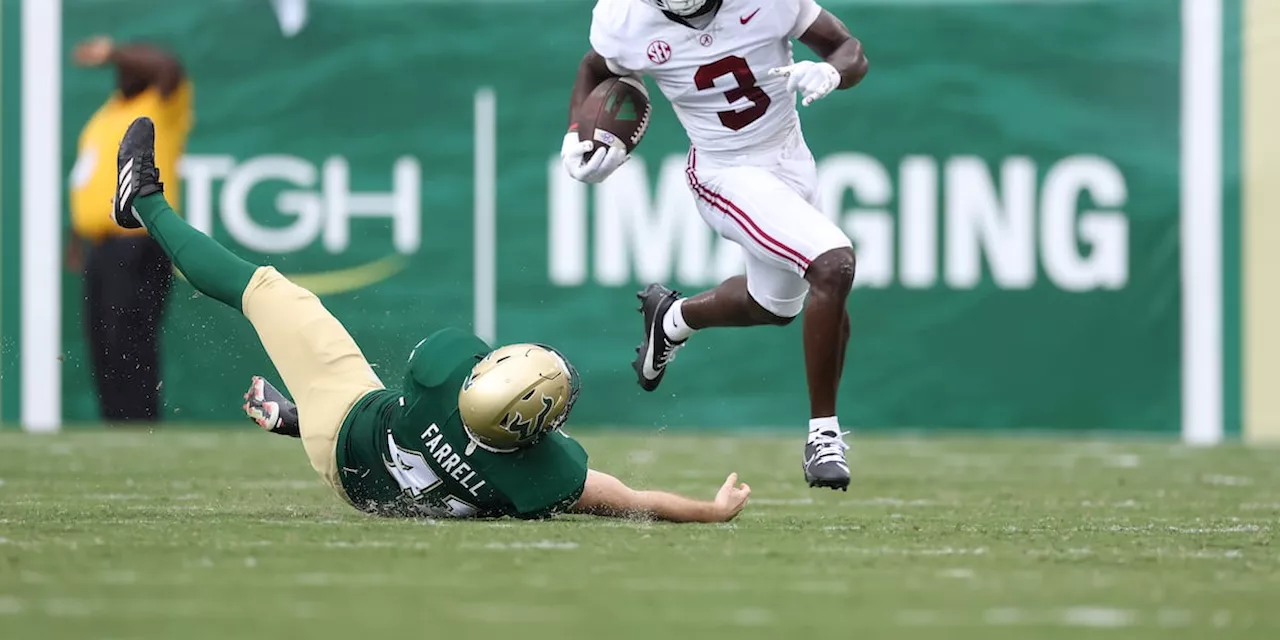 Here are 14 players to watch next season across the Southeastern ConferenceThe Southeastern Conference has reloaded from the high school ranks and the transfer portal.
Read more »
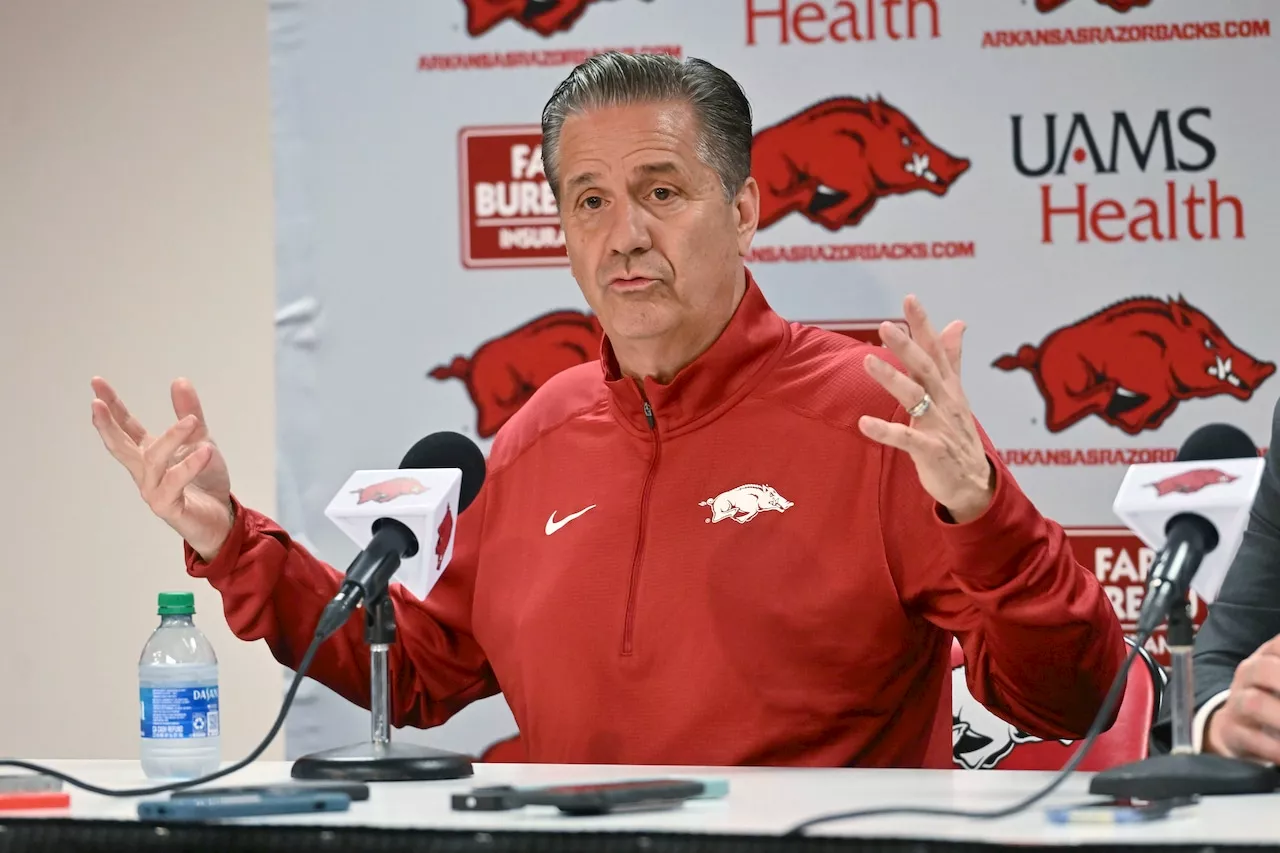 SEC releases 2024-25 conference basketball opponents; Calipari to return to LexingtonKentucky hosts Arkansas next season
Read more »
OU Softball: Three Former Oklahoma Players Earn All-SEC; Jocelyn Erickson SEC PlayerErickson was the best player this year in the Sooners' future conference, while two other former Patty Gasso pupils landed on the All-SEC team.
Read more »
SEC Awards: Trio of LSU Baseball Stars Named to All-SEC TeamsTommy White named to the All-SEC Second Team, five Tigers earn honors on Monday.
Read more »
Big Ten Tops SEC In Revenue: Oregon Ducks' New ConferenceThe Oregon Ducks join the Big Ten in 2024. How did the Big Ten do in revenue in 2024 vs. the SEC conference?
Read more »