
Microplastics were detected in almost every seafood sample found off the coast of the western U.S. in a recent study. The particles were found in the edible tissue of six different species of fish.
Microplastics were detected in almost every seafood sample found off the coast of the western U.S. in a recent study, researchers claim. The study, led by Portland State University , identified 'anthropogenic particles' — which are materials produced or modified by humans — in the edible tissue of six different species of fish.
Those included black rockfish, lingcod, Chinook salmon, Pacific herring, Pacific lamprey, and pink shrimp, according to a PSU press release. MICROPLASTICS FOUND IN OVERWHELMING MAJORITY OF AMERICAN MEAT, WATER, PLANTS: STUDY Specifically, the peer-reviewed study found microplastics — 'tiny particles that shed from clothing, packaging and other plastic products' — in 180 out of 182 samples of seafood that were either purchased at a store or obtained from a fishing boat in Oregon, the release stated. The highest concentration of particles occurred in pink shrimp, and Chinook salmon contained the lowest. 'We found that the smaller organisms that we sampled seem to be ingesting more anthropogenic, non-nutritious particles,' said microplastics researcher and study co-author Elise Granek in the release. BOTTLED WATER FOUND TO CONTAIN TENS OF THOUSANDS OF ‘TINY PLASTIC PARTICLES’ IN NEW STUDY 'Shrimp and small fish, like herring, are eating smaller food items like zooplankton. Other studies have found high concentrations of plastics in the area in which zooplankton accumulate, and these anthropogenic particles may resemble zooplankton and thus be taken up for animals that feed on zooplankton.' 'What we put out into the environment ends up back on our plates.' Susanne Brander, an ecotoxicologist and associate professor in Oregon State University’s College of Agricultural Sciences, added, 'It’s very concerning that microfibers appear to move from the gut into other tissues such as muscle. This has wide implications for other organisms, potentially including humans.' The findings were published in the journal Frontiers in Toxicology. Is it safe to eat seafood? The study authors do not recommend that people specifically avoid seafood, as microplastics have been widely found in other food products, Granek noted in the release. 'If we are disposing of and utilizing products that release microplastics, those microplastics make their way into the environment, and are taken up by things we eat,' she said. 'What we put out into the environment ends up back on our plates.' The high prevalence of microplastics in the seafood samples does not automatically mean that consuming seafood poses an immediate health risk, according to Bing Wang, PhD, associate professor of food safety risk assessment at the University of Nebraska-Lincoln. '’Safe’ is a relative term in toxicology,' Wang told Fox News Digital. 'Toxicity depends on dose and exposure duration — and currently, we lack a definitive understanding of linkage between the oral intake of microplastics and nanoplastics and the adverse effects in human health.' STUDY LINKS MENTAL HEALTH RISKS TO THIS TOXIN FOR THOSE BORN IN '60S OR '70S Experts agree that the nutritional benefits of seafood, such as high-quality protein and omega-3 fatty acids, play a crucial role in a healthy diet, according to Wang. 'There is no current evidence to suggest that seafood consumption poses an immediate danger to human health,' she added. Sources of contamination For this study in particular, Wang said it’s crucial to recognize that beyond microplastics, nanoplastics are also present in the environment and food supply. 'Unlike microplastics, which may pass through the digestive system with minimal absorption, nanoplastics are small enough to cross biological barriers, including the intestinal lining, potentially reaching the bloodstream and accumulating in organs,' she cautioned. CLICK HERE TO GET THE FOX NEWS APP In PSU’s findings, 80% of microplastics detected among the samples were derived from clothing or textile fibers, but there are other sources of contaminants. Since the 1960s, plastic production has increased by approximately 8.7% annually, according to Andrew Ortiz, a PhD student in the department of food science and technology at University of Nebraska-Lincoln. 'Much of the contamination comes from everyday human activities, such as improper disposal of plastic products, littering, and inadequate waste management systems, which lead to plastics entering waterways and eventually reaching the oceans,' Ortiz told Fox News Digital. Completely avoiding microplastics is challenging, Wang emphasized. CLICK HERE TO SIGN UP FOR OUR HEALTH NEWSLETTER 'They are pervasive in the environment and present in various food sources, not just seafood,' she said. 'While this study is the first of its kind in the Oregon region, its findings align with global research on microplastic contamination in seafood,' said Wang. 'In fact, the levels reported in this study are within the global average.' 'There is no current evidence to suggest that seafood consumption poses an immediate danger to human health.' 'Given that humans already consume microplastics from multiple sources — including water, air and packaged foods — the presence of microplastics in seafood should be considered within this broader context rather than as an isolated risk,' she added. For more Health articles, visit www.foxnews.com/health The PSU study was funded by Oregon Sea Grant at Oregon State University.
United States Latest News, United States Headlines
Similar News:You can also read news stories similar to this one that we have collected from other news sources.
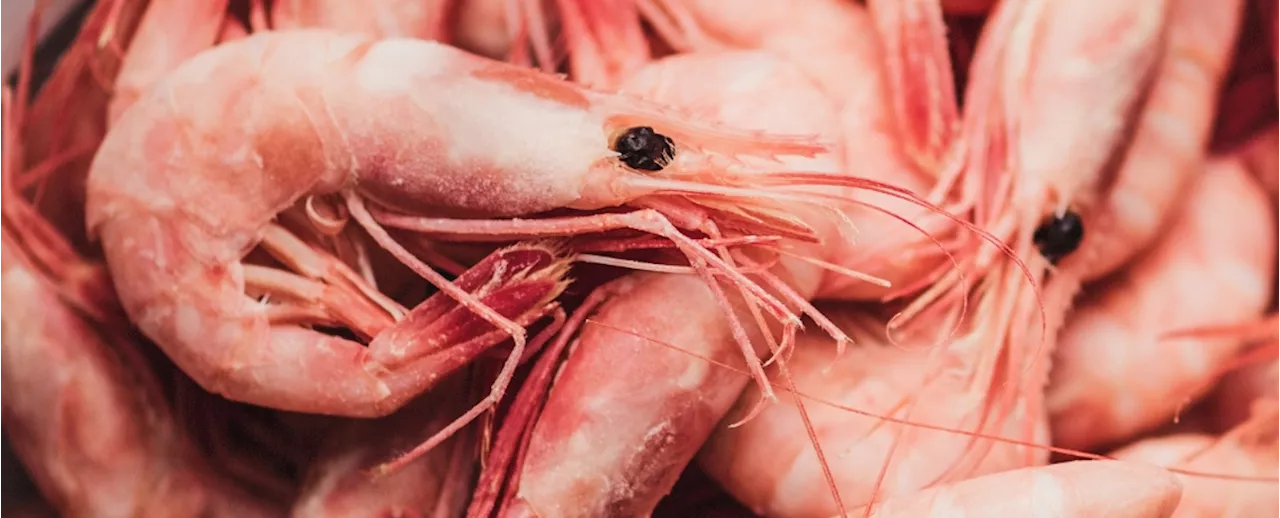 Microplastics Found in Nearly All Seafood Sampled Off Oregon CoastA new study reveals that microplastics, originating from human waste and pollution, have been detected in the edible tissues of nearly all fish and shellfish examined off the Oregon coast. Researchers found microplastics in a wide range of species, including rockfish, lingcod, Chinook salmon, Pacific herring, Pacific lamprey, and pink shrimp. The presence of these particles raises concerns about their potential impact on human health, although further research is needed to determine the long-term effects.
Read more »
 Microplastics Found in Tea Bags: A Growing Health ConcernA new study has revealed the presence of microplastics in tea bags, adding to the growing body of evidence indicating widespread contamination. Researchers warn of potential health risks associated with microplastic ingestion, including organ damage, hormone disruption, and inflammation.
Read more »
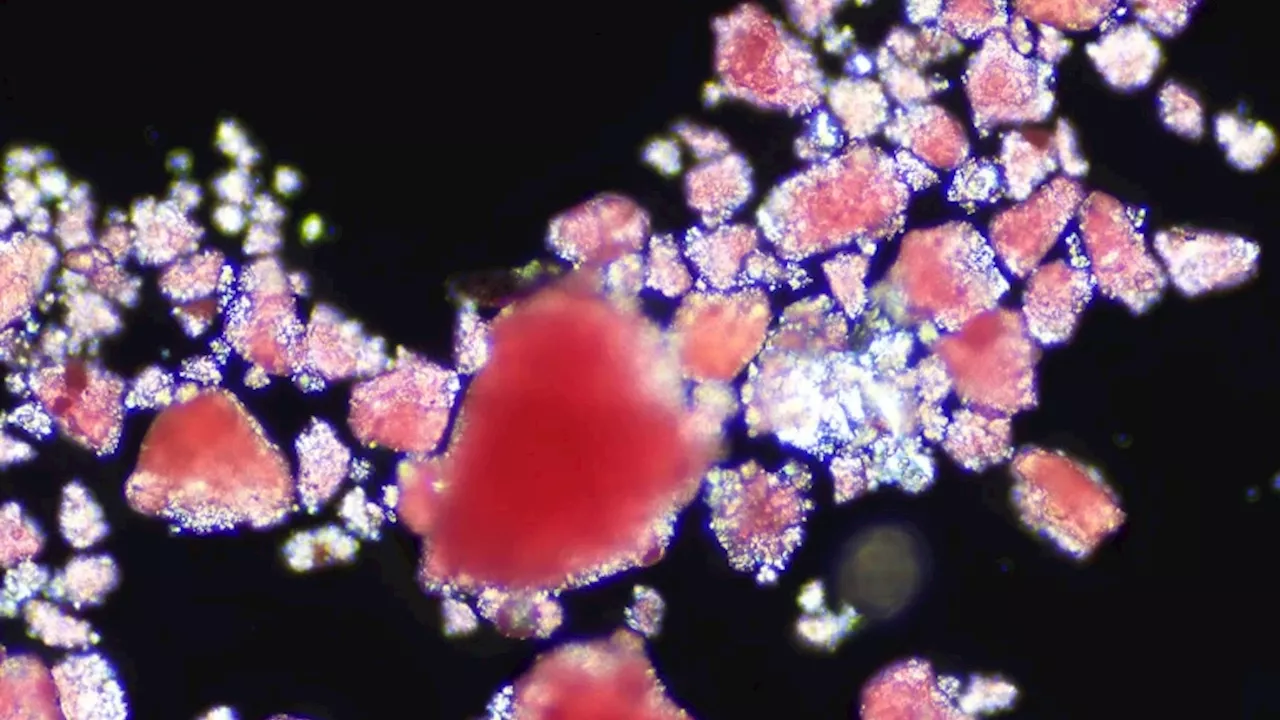 Microplastics Found to Form 'Car Crashes' in Mouse Brain Blood VesselsFor the first time, researchers have visually tracked the movement of microplastics through brain blood vessels in mice, revealing a concerning accumulation that resembles a microscopic 'car crash.' The findings, published in Science Advances, provide further evidence of microplastics' potential neurotoxicity.
Read more »
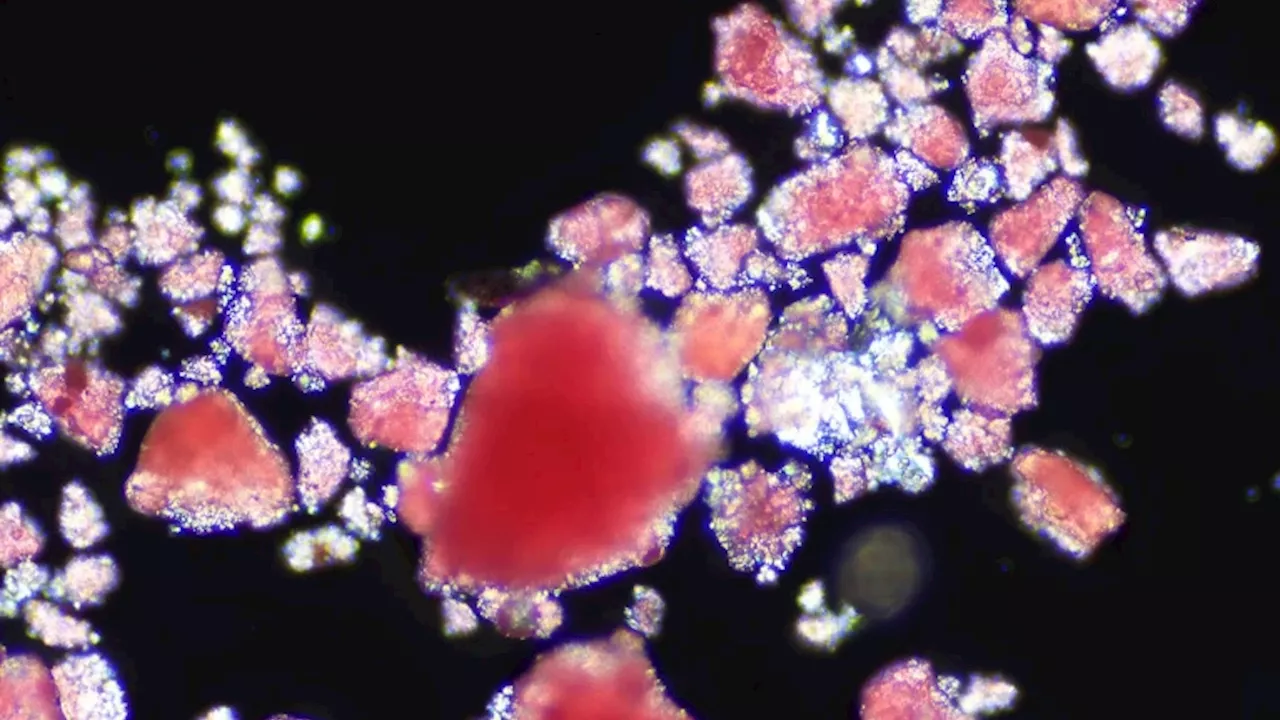 Microplastics Found to Form 'Car Crash' Blockages in Mice Brains, Raising Health ConcernsA groundbreaking study using two-photon microscopy reveals that microplastics ingested by mice accumulate in brain blood vessels, forming blockages resembling microscopic 'car crashes.' This discovery raises concerns about the potential neurotoxicity of microplastics and their long-term health effects on humans.
Read more »
 Microplastics Found to Clump in Brain Blood Vessels Like 'Car Crash'For the first time, researchers have visually tracked the movement of microplastics through brain blood vessels in mice, revealing that they can accumulate and form blockages resembling a 'car crash.' The study, published in Science Advances, sheds light on the potential neurotoxicity of microplastics and the implications for human health.
Read more »
 Microplastics Found to Cause Brain Blood Flow Obstructions in Mice, Raising Concerns for Human HealthA new study reveals that microplastics can lead to dangerous blood flow blockages in the brain, potentially impacting cognitive function. Researchers tracked microplastic movement in mouse brains in real time, observing their disruption of blood circulation and impact on behavior.
Read more »