
A combination of warm waters, bad food and disease have scientists theorizing an answer to declining chinook salmon on the Yukon River.
Published: May. 14, 2024 at 6:52 PM AKDTFAIRBANKS, Alaska - Research on declining populations of chinook salmon on the Yukon River have led scientists to a theory that combines the stress of warm water and the damage of disease.
As salmon runs on the Yukon River continue to decline, most notably that of chinook salmon, those that rely on the fish have faced “hardship lots of cultural loss,” said Keith Herron, a masters student in the College of Fisheries and Ocean Sciences at UAF. While these fish have historically been a staple of the Yukon diet, run sizes have decreased in return from the ocean but researchers have also “seen a difference between estimates when they’re counted when they enter the river and when they go into Canada,” explained Herron. “Those estimates do not match and there’s like 40,000 fish potentially missing and there’s been no harvest.” Herron and others in the field have already noticed the impact of warming waters on species across Alaskan waters. Notably this includes crabs and other salmon species. Some have seen population crashes, while some simply declined and others might be moving north towards cooler water. However, Herron thinks disease is playing a critical role in the decline of chinook salmon in the Yukon River. Specifically a disease called ichthyophonus. “It’s a pathogen, they get it through food,” said Katherine Howard, the Salmon Ocean Ecology Program lead scientist for the Alaska Dept. of Fish & Game . This disease causes a great deal of damage to the muscle tissue in salmon and it has a massive impact on the heart. One of the leading theories behind the massive decline is the combination of ichthyophonus and increasing water temperatures have placed greater strain on the already stressed out salmon, causing a greater die-off during migration. The disease is acquired while the chinooks are out at sea. They contract it by eating other fish that are infected with the disease. “But usually other fish are able to clear the disease with time,” said Howard. The chinook salmon on the other hand don’t seem to be as successful and fighting it off. “One of the issues with maturing chinook salmon is that because they are going from this cooler ocean water to warmer fresh water that the warmer temperature kicks up how well the disease can progress in the chinook,” Howard said. Additionally, there’s little to no relief once they enter the Yukon River. “In the lower 48 you’ll have what they call cold water refuge, where the salmon can kind of hang out for a while until the sun goes down in a shady spot and then make their way further up once it’s cooler.” The lack of these shady areas on the Yukon leaves these chinook more vulnerable to the elements creates more stress on the diseased body. As to how long this may go on or if there’s a solution, remains unknown but for the time being the salmon and the people that rely on it continue to see tougher times. While this disease and other environmental factors have hindered subsistence food security, ichthyophonus cannot be transferred to people by eating infected salmon. Unfortunately though, most infected fish are not considered edible due to the poor quality of the meat.
Yukon River Bristol Bay Canada Keith Herron UAF CFOS College Of Fisheries And Ocean Sciences Alaska Department Of Fish And Game ADFG Fish And Game Ichthyophonus Kathrine Howard
United States Latest News, United States Headlines
Similar News:You can also read news stories similar to this one that we have collected from other news sources.
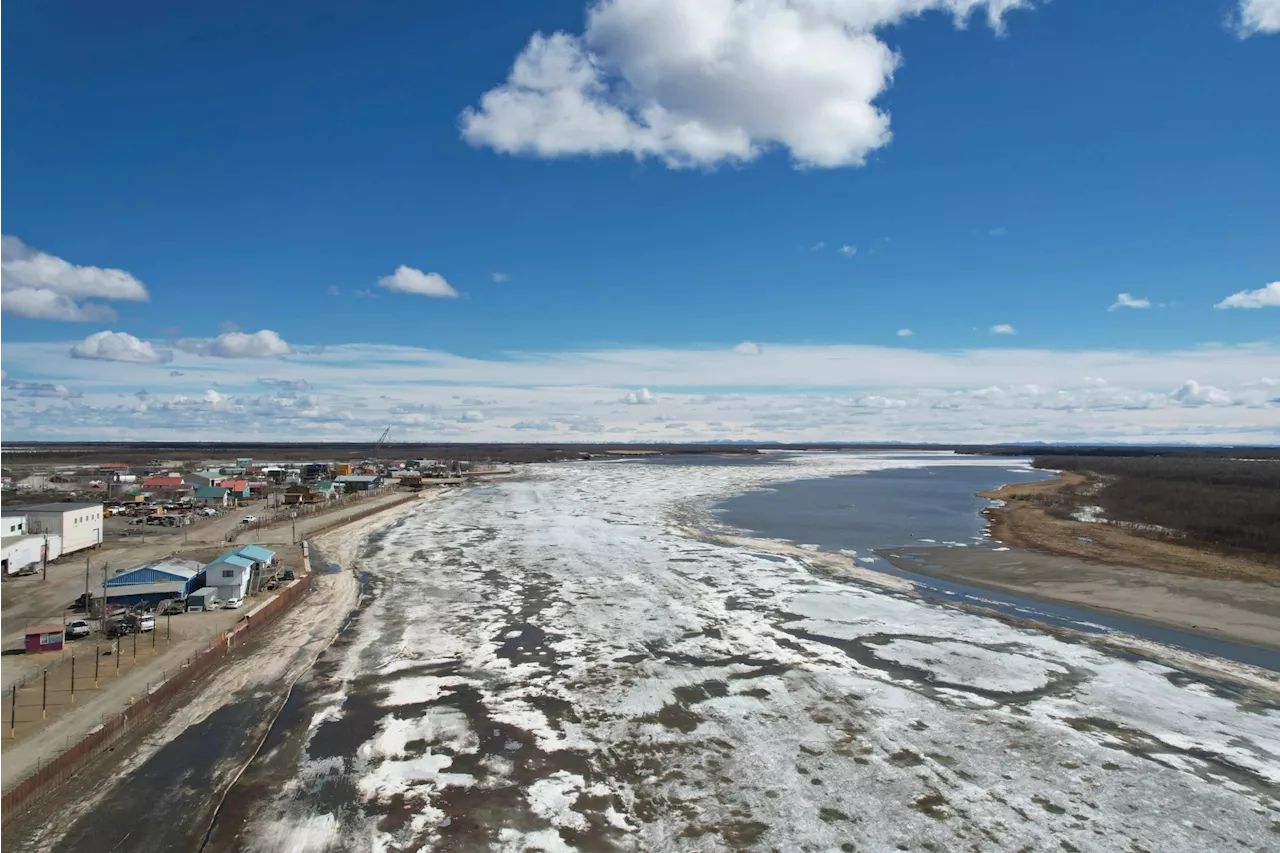 River forecast shows Kuskokwim, Yukon breakups could be delayed this yearAlaska-Pacific River Forecast Center staff say spring breakup of ice on the Western Alaska rivers could happen a few days later than usual this year.
Read more »
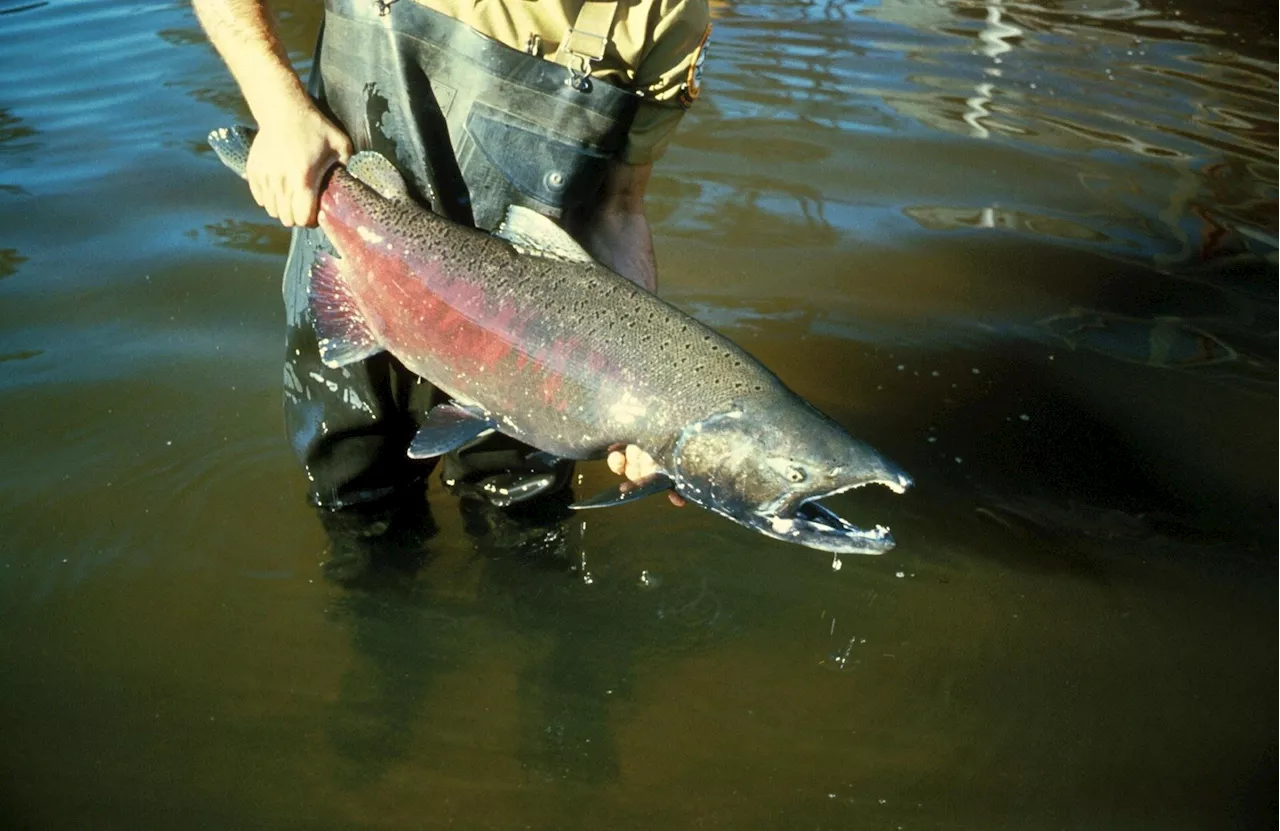 Scientists confine, study Chinook at restored Snoqualmie River habitatIn newly restored river channels on the Snoqualmie, baby Chinook salmon are confined in 19 enclosures about the size of large suitcases as they munch on little crustaceans and invertebrate insects floating or swimming by.
Read more »
 Colorado River Water 'Extremes' Forecast by ScientistsA new study reports that the river's future may be brighter than originally thought, as precipitation is likely to replenish its flows.
Read more »
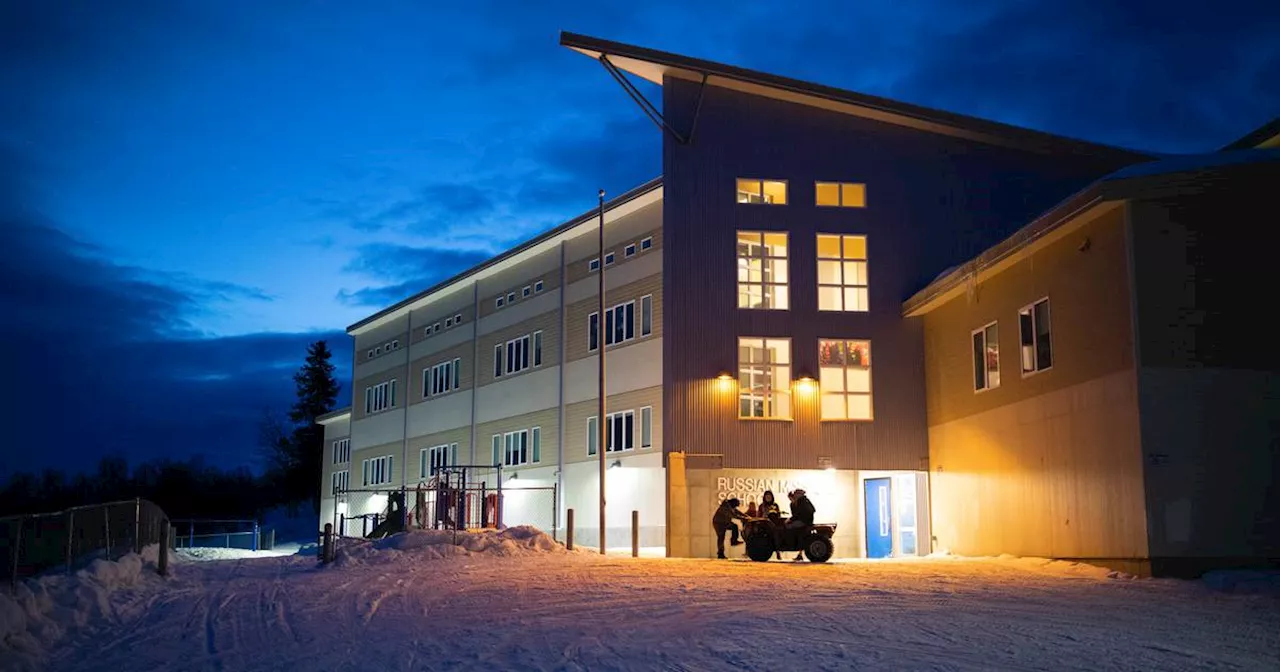 Photos: Life in Russian MissionRussian Mission is a Yukon River village of about 340 people.
Read more »
 EPA: Yukon River tributary threatened by Interior Alaska gasoline spill estimated at over 8,000 gallonsA gasoline spill near milepost 77 on the Dalton Highway has authorities concerned about its effect on a Yukon River tributary.
Read more »
 Couch potato kids more likely to have heart damageScientists says light physical activity can reverse the risk, say scientists.
Read more »