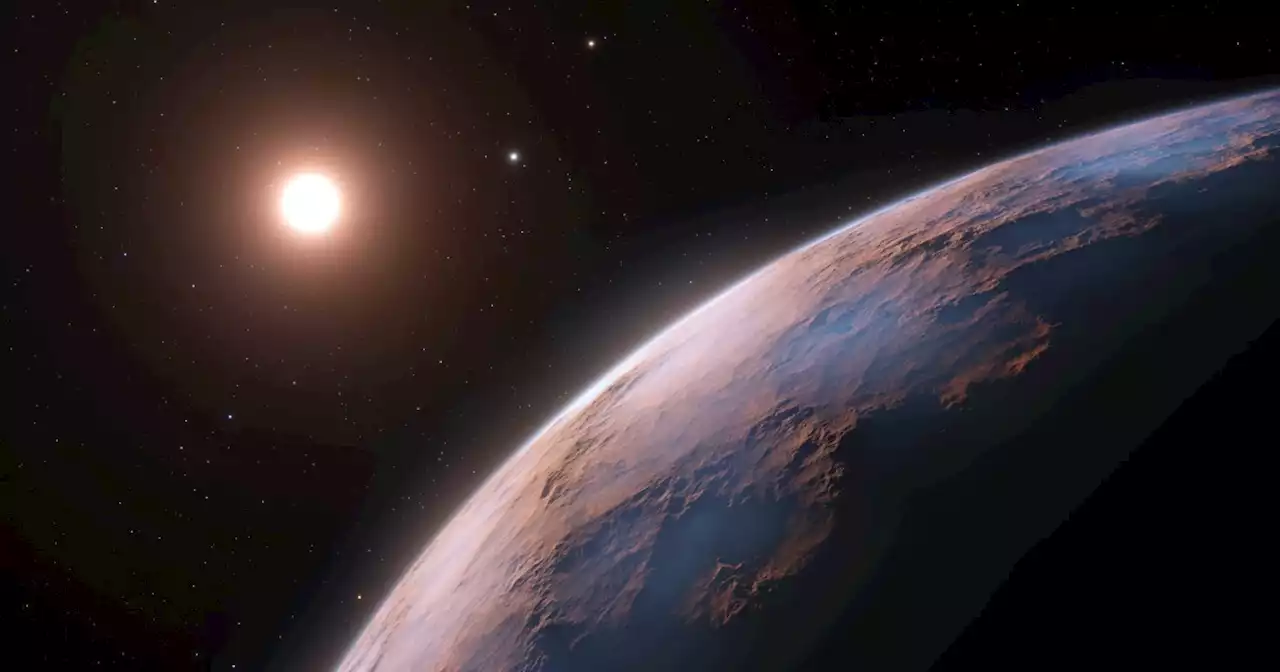
Astronomers find evidence of a third planet around the closest star to the sun.
“We are now able, in terms of instrumental precision, to detect such small signals, which opens the possibility of finding planets like the Earth around stars like the sun in the not-so-distant future,” Faria said.
Only the light from its two brightest stars, Alpha Centauri A and Alpha Centauri B, can be seen with the naked eye. Technically, Proxima is the closest star to the sun — about a trillion miles closer than the others — until its orbit takes it further away in about 25,000 years . But it’s still possible that life could have evolved on at least one of its planets, said Guillem Anglada-Escudé, an astronomer at the Institute of Space Sciences in Barcelona, Spain.in 2016. That planet was found to be about the size of Earth and within Proxima’s narrow habitable or “Goldilocks” zone, where it’s neither too hot nor too cold — “just right” — for oceans of water on its surface.
United States Latest News, United States Headlines
Similar News:You can also read news stories similar to this one that we have collected from other news sources.
 California to Unveil Shift to ‘Endemic' Approach to VirusCalifornia officials will unveil later Thursday a new state plan that aims to coexist with the pandemic as the coronavirus is in retreat but not expected to disappear anytime soon.
Read more »
 USDCAD Forecast, News and Analysis - FXStreetCheck our updated for USDCAD News including real time updates, forecast, technical analysis and the economic latest events from the best source of Forex News.
Read more »
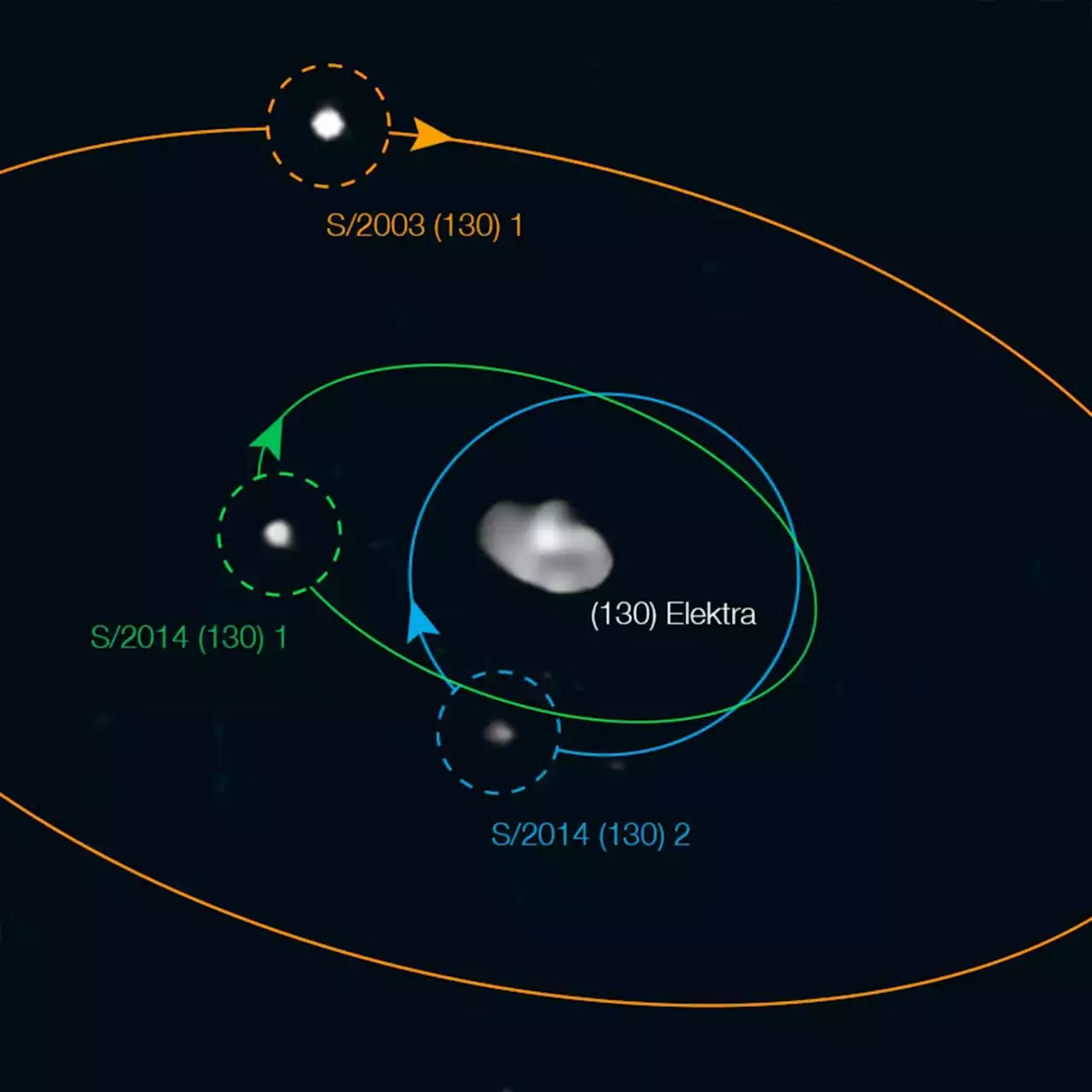 Astronomers Find First-Ever Quadruple Asteroid | Sci-News.comAstronomers have discovered a third moon orbiting the main-belt asteroid (130) Elektra, making it the first quadruple asteroid ever found.
Read more »
 USD/CAD Price Analysis: Bounces off three-week-old support, seesaws around 1.2700USD/CAD Price Analysis: Bounces off three-week-old support, seesaws around 1.2700 By anilpanchal7 USDCAD Technical Analysis ChartPatterns SwingTrading SupportResistance
Read more »