Science, Space and Technology News 2024
A recent study reveals that archaea, ancient microorganisms, utilize hydrogen gas to survive in extreme environments, offering insights for potential biotechnological applications in hydrogen production and a sustainable green economy.
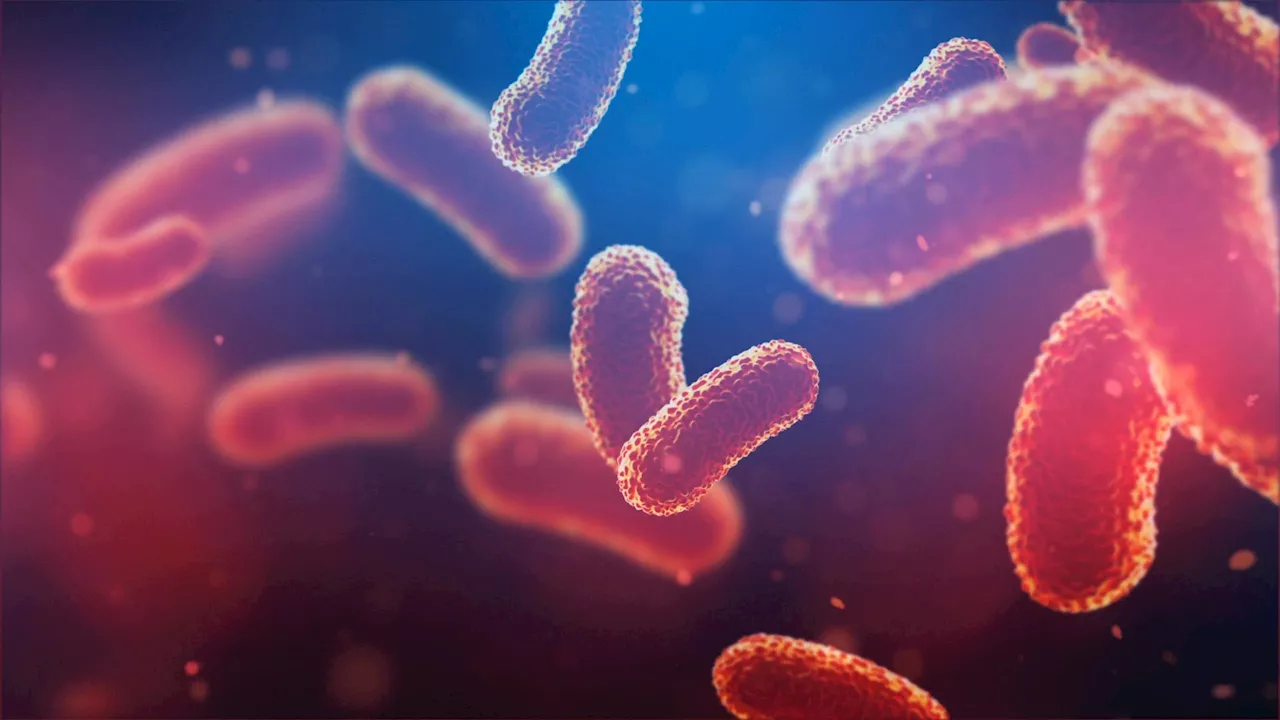
An international team of scientists has transformed our understanding of archaea, ancient microbial ancestors of humans dating back two billion years, by demonstrating their utilization of hydrogen gas., reveal how these microorganisms generate energy by consuming and producing hydrogen. This straightforward yet reliable method has enabled them to survive and prosper in some of Earth’s most extreme environments for billions of years.Dr. Bob Leung said this discovery about one of Earth’s most ancient forms of existence may also support human existence, including devising new ways to use hydrogen for a future green economy. “Humans have only recently begun to think about using hydrogen as a source of energy, but archaea have been doing it for a billion years. Biotechnologists now have the opportunity to take inspiration from these archaea to produce hydrogen industrially.” At the very top of the pyramid of life, there are three “domains” of life: eukaryotes , bacteria, and archaea. Archaea are single-celled organisms that can live in Earth’s most extreme environments. The most widely accepted scientific theory also suggests that eukaryotes, such as humans, evolved from a very ancient lineage of archaea merging with a bacteria cell through exchanging hydrogen gas. “Our finding brings us a step closer to understanding how this crucial process gave rise to all eukaryotes, including humans.,” Leung says The team analyzed the genomes of thousands of archaea for hydrogen-producing enzymes and then produced the enzymes in the lab to study their characteristics. They discovered that some archaea use unusual types of enzymes called -hydrogenases.The archaea making these hydrogen-using enzymes were found in many of Earth’s most challenging environments, including hot springs, oil reservoirs, and deep beneath the seafloor. These hydrogenases were thought to be restricted to only two “domains” of life: eukaryotes and bacteria. Here, the team has shown that they are present in archaea for the first time and that they are remarkably diverse in their form and function.The paper shows some archaea have the smallest hydrogen-producing enzymes of any life form on Earth. This could offer streamlined solutions for biological hydrogen production in industrial settings. Professor Chris Greening said these discoveries into how archaea use hydrogen have potential applications for transitioning to a green economy. “Industry currently uses precious chemical catalysts to use hydrogen. However, we know from nature that biological catalysts’ function can be highly efficient and resilient. Can we use these to improve the way that we use hydrogen?” With ancient origins and potential applications in biotechnology, archaea continue to captivate researchers and hold promising avenues for further discovery and translation. Reference: “Minimal and hybrid hydrogenases are active from archaea” by Chris Greening, Princess R. Cabotaje, Luis E. Valentin Alvarado, Pok Man Leung, Henrik Land, Thiago Rodrigues-Oliveira, Rafael I. Ponce-Toledo, Moritz Senger, Max A. Klamke, Michael Milton, Rachael Lappan, Susan Mullen, Jacob West-Roberts, Jie Mao, Jiangning Song, Marie Schoelmerich, Courtney W. Stairs, Christa Schleper, Rhys Grinter, Anja Spang, Jillian F. Banfield and Gustav Berggren, 11 June 2024,SciTechDaily: Home of the best science and technology news since 1998. Keep up with the latest scitech news via email or social media.The brain exhibits structural criticality near phase transitions, consistent across species, potentially guiding the development of new brain models. When a magnet is heated, it…
United States Latest News, United States Headlines
Similar News:You can also read news stories similar to this one that we have collected from other news sources.
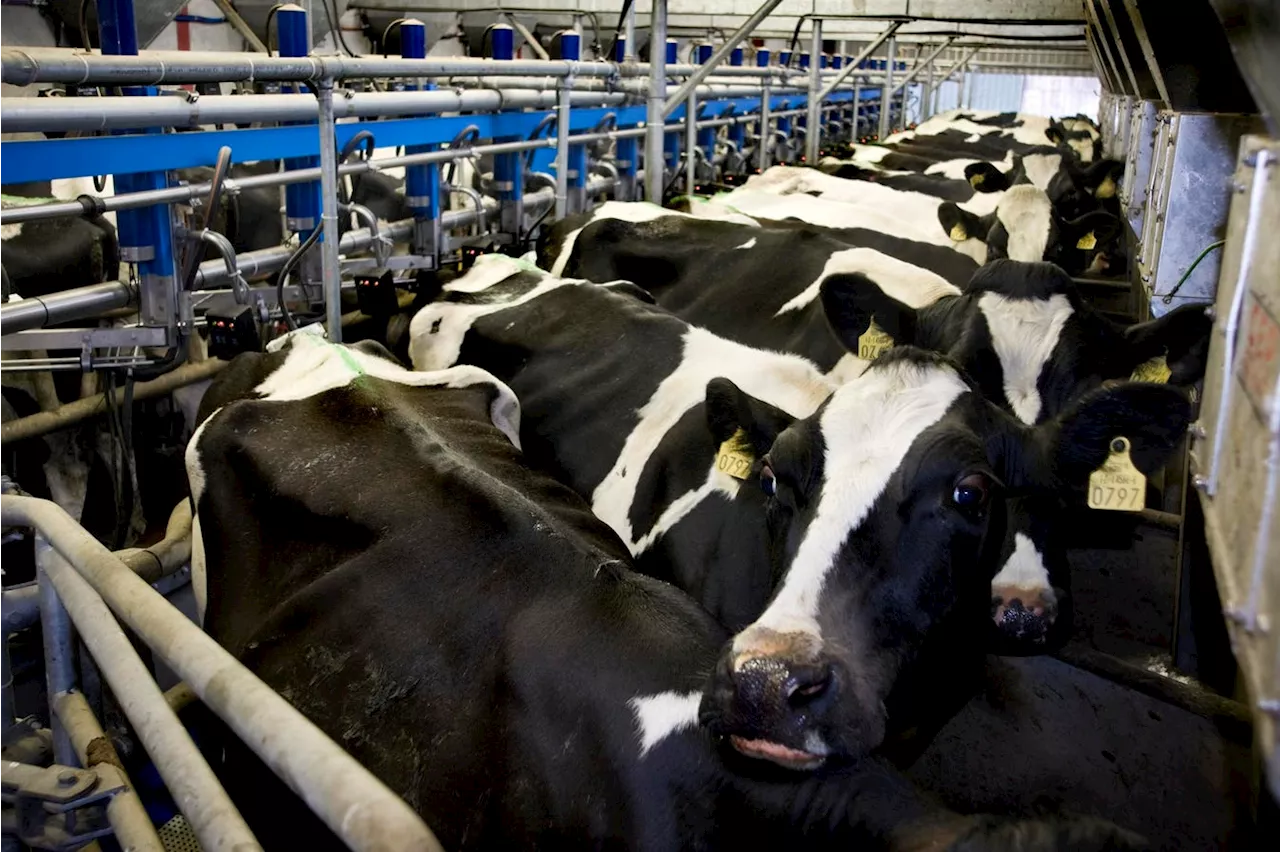 Avian Flu Virus Transmitted To Mice By Milk, According To ResearchersA Professor of Biology at Davidson College, David Wessner teaches courses about introductory biology, microbiology, and HIV/AIDS. His research interests include viral pathogenesis. He recently co-authored Microbiology, a textbook for undergraduate biology majors, and The Cartoon Guide to Biology.
Read more »
 Scientist Proposes a New Universal Law of Biology That May Explain AgingThe Best in Science News and Amazing Breakthroughs
Read more »
 Updated Covid-19 Vaccine Recommended By FDA PanelA Professor of Biology at Davidson College, David Wessner teaches courses about introductory biology, microbiology, and HIV/AIDS. His research interests include viral pathogenesis. He recently co-authored Microbiology, a textbook for undergraduate biology majors, and The Cartoon Guide to Biology.
Read more »
 The JWST is rewriting astronomy textbooksWhen the James Webb Space Telescope was launched at the end of 2021, we expected stunning images and illuminating scientific results. So far, the powerful space telescope has lived up to our expectations. The JWST has shown us things about the early universe we never anticipated.
Read more »
 Survey: Nearly 60% of Biden Voters Confused About Basic BiologySource of breaking news and analysis, insightful commentary and original reporting, curated and written specifically for the new generation of independent and conservative thinkers.
Read more »
 New Definition Of Long Covid Recommended By Expert PanelA Professor of Biology at Davidson College, David Wessner teaches courses about introductory biology, microbiology, and HIV/AIDS. His research interests include viral pathogenesis. He recently co-authored Microbiology, a textbook for undergraduate biology majors, and The Cartoon Guide to Biology.
Read more »