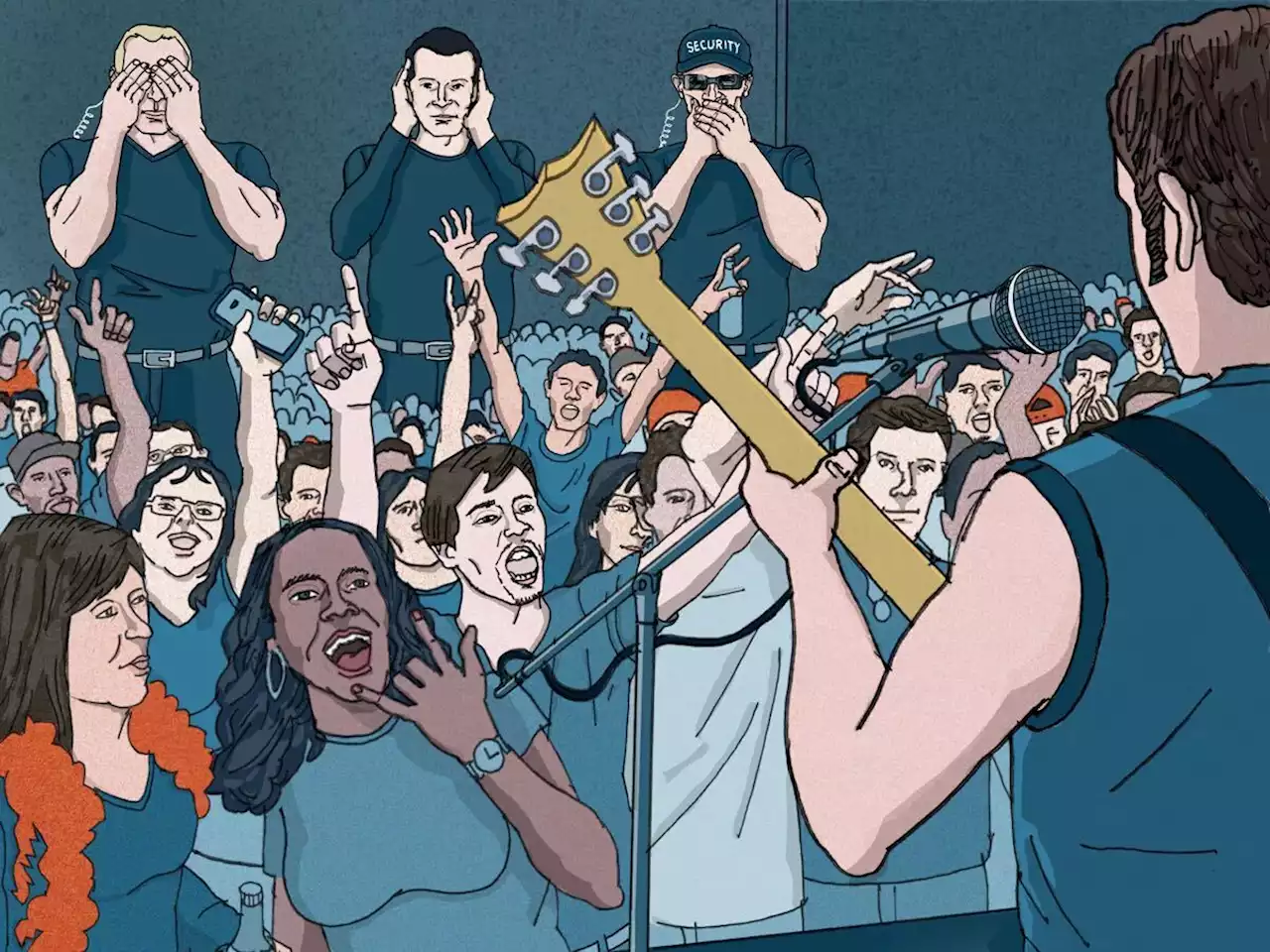
'Do police and hired security have a place in live music? Or is the community of fans, artists, venues, and presenters better able to keep itself safe?' | LeadholmKira
And perhaps most obviously, the presence of police or security is usually a given at all but the smallest licensed music venues. Law enforcement at concerts can seem like a necessary evil—bringing together a large number of people who are likely to be drinking or using drugs often leads to physical altercations and medical emergencies.
. But hired security and police are frequently ill-equipped to keep concertgoers safe in those situations. What viable alternatives exist to the status quo? Music venues have reopened to a society that’s reexamining its relationship with police, and many of them are asking themselves this question.Racism is baked into modern policing practices. Since 2015, Black Americans have been killed by police at a rate more than twice as high as white Americans,that began with data from that year. Of the 49 people killed by police in Chicago since 2015, 36 were Black, according to the same data. So when Chicago erupted with protests in summer 2020, it wasn’t only about abolition. Activists were calling to dismantle a system that relies on white supremacist values to regulate society.patrons, artists, and staff safe—specifically those of color. And while some venues implemented meaningful reform, others responded in ways that felt performative or dismissive. In summer 2020, a business posting on social media without acknowledging the ongoing, generation-defining struggle for racial justice could seem tone-deaf and callous. So when South Loop rock venue Reggiesa few days after the George Floyd protests broke out, a Boston-based artist manager felt it demonstrated a disregard for promoting anti-racism. He’d been primed to react that way, he explains, by memories of Reggies security officers he says were racist toward his Black clients. “Pretty much every time I’ve been through Reggies—and you know, this could be coincidental, maybe it’s not—but it’s Black artists, specifically, that I’ve had bad experiences with,” he says. In 2017, one of the manager’s clients, a well-known rapper, played a Lollapalooza aftershow at Reggies. When the artist and team tried to enter the building, the manager says, security assumed they were gate-crashing and became aggressive. “[Security] was, for whatever reason, questioning our credentials,” he recalls. “It’s humiliating, you know, to go to a show where you’re billed, being paid to perform, and security’s basically like, ‘Get the fuck out of here.’” Credential checks are essential and a sign of diligent security, the manager says, but the problem lies in what he sees as the guards’ assumption that a Black artist must be trying to game the system and sneak people into the show. This assumption reinforces the. He says this issue isn’t unique to Reggies; it’s a consistent problem in venues across the country. Communication, the manager says, can prevent some of these issues. “What makes for great security is when they’re communicative,” he says. “When there’s an effort on security’s side to understand who the personnel is.”For music venues, heeding the call to dismantle white supremacist systems of policing has meant adopting measures to keep all patrons, artists, and staff safe—specifically those of color.Metro has received similar criticism, though not for being silent at the wrong time. Days after George Floyd was murdered, Metro sent an email to subscribers with the subject line “How can you combat racism?” To K.D., a former audio engineer and artist manager who’s going by her initials to protect past clients, the email felt disingenuous. K.D. went to Metro only as a patron, not in her professional capacity, and in her view, she says, the security at the venue acted racist every time she attended a show. “Their security were assholes. That’s the best way I can put it,” K.D. says. “And it seems like when I was with certain people, it was heightened. Because I’m not white, but I’m white passing.” K.D. recalls a Big K.R.I.T. concert she attended in 2015 with a friend. When the two of them went through security, K.D. says the guards spent extra time patting down her friend, a Black man, compared to white patrons. “It was like they was checking him for weapons and things like that. They went out of their way to just do extra, like going under his arm, checking genitalia, his rear. He was uncomfortable,” she says. In response to a particularly bad experience with security at Metro in 2013, K.D. took to Facebook to tell her story. The post received comments from four or five friends, she says, who’d had similar experiences. “I don’t think that they actually look to combat racism, just by the way they treat their patrons,” K.D. says, explaining her reaction to Metro’s email. “It’s almost like they’re doing it just for marketability.” Metro declined to comment for this story, but it did point to its safety policy: “Metro does not tolerate acts of violence, victimization, or predation. We always encourage our patrons to voice their concerns and want you to know that we not only hear you—we support any effort that makes our local music scene safer and more equitable.” Other venues used the protests as an opportunity to revise their approach to concert safety. In summer 2020, Schubas Tavern in Lakeview circulated a list of alternatives to calling the police among staff and posted safety information around the venue. The safety info is still up today, and the staff list remains in force. “We’re always constantly re-evaluating and looking at where we can improve, but with security, we’ve really been communicating to the patrons in the venue that security is a resource to them,” says Dan Apodaca, talent buyer at Schubas. Schubas made headlines late last year when its CEO and president, Michael Johnston, faced accusations of secretly videotaping two women in his home; each had worked for him in several roles, including nanny, house manager, and personal assistant, and he used hidden motion-activated cameras to film them in the bathroom. Johnston has pled not guilty. In March, two more women—a former dog- and house-sitter and a former housekeeper—accused Johnston and his wife of illegally videotaping them, according to. Johnston’s attorney did not respond to a request for comment regarding the recent charges. Audiotree, the parent company of Schubas and sister venue Lincoln Hall, removed Johnston from his positions following the first set of accusations, and Apodaca says that Schubas has enhanced its workplace safety measures. “We’re refining and expanding our internal training practices for every employee and equipping our managers with the tools to lead recurring pre-shift training and discussion sessions with staff on various topics like bystander intervention and the avenues available for reporting workplace harassment,” Apodaca writes in an email. He also says the venue will continue to do everything in its power to ensure patron safety at its concerts. Even before defunding the police entered mainstream conversation, Apodaca says, Schubas emphasized de-escalation strategies, collaborated with, and treated calling the police as a last resort. The venue employs in-house security, which Apodaca sees as preferable to outside security because guards feel accountable to the venue. “I think that helps reinforce our philosophical approach of security being as much a hospitality role as a security role,” he says. The Golden Dagger, a small venue in Lincoln Park formerly called the Tonic Room, also employs in-house security trained in de-escalation strategies. “When we hire security, we specifically ask if they are able to intervene and protect the venue in moments of contention without calling the police,” saysIf Victoria had to call the police—which at the time of our interview she hadn’t yet—she says she would notify everyone within the venue. “The bottom line is, if we call the police to our venue, we are making it unsafe for people,” she says. “We have a really big queer audience, a lot of young people, and a lot of people whose identities don’t necessarily allow them to be protected by the police.” Victoria says it’s incumbent upon talent buyers and venue owners to adopt an anti-racist and abolitionist ethos. “It’s really easy to talk a big talk and make the Instagram post and donate to the big organization,” she says. “But what needs to happen right now is direct mutual aid and uncomfortable conversations in meeting rooms.”The propensity of police and venue security toward confrontation and racial bias may result in part from poorly conceived training. Data suggest that the increasingly common military-style approach to training primes recruits to act as soldiers rather than as mediators, which all but encourages violence. And the training used by CPD and private security to address implicit racial bias appears inadequate as well.on the training of nearly 135,000 recruits in 664 state and local police academies found that recruits received on average 168 hours of training in firearms, self-defense, and use of force. By comparison, each recruit spent about ten hours learning to respond to mental health crises and about nine on conflict management. The same study found that nearly half the recruits received training that emphasized the military-style “stress” model, even thoughPolice agencies also heavily recruit military veterans: vets comprise nearly 20 percent of police officers in the U.S. despite being about
United States Latest News, United States Headlines
Similar News:You can also read news stories similar to this one that we have collected from other news sources.
 Magic Ride - Chicago Reader“They scream ‘me’ and who I am as a person,” 20-year-old Joey Prette says, adding that mushrooms are really cool and edgy right now. Reader contributor chicagolooks finds shrooms and weird are the styles of the season 🍄
Read more »
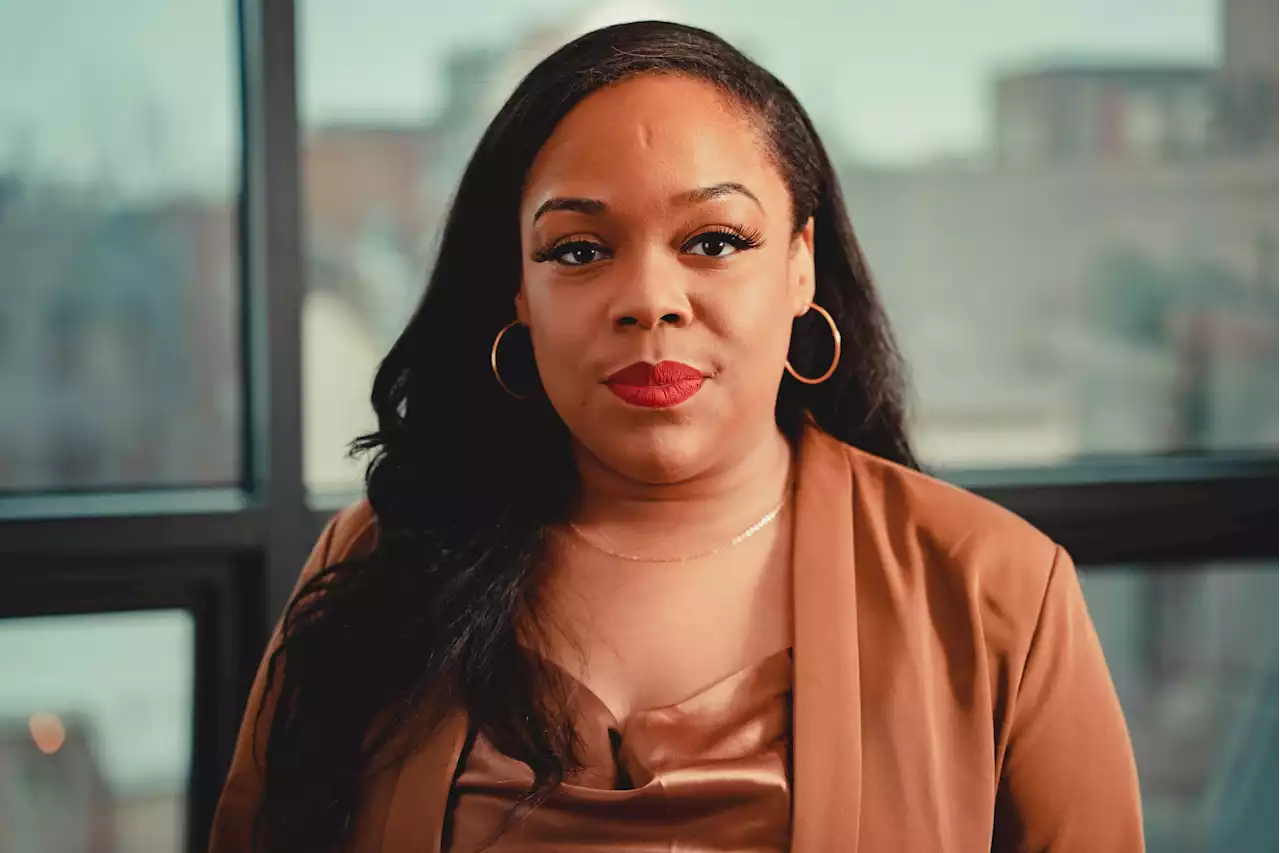 Second time’s the charm? - Chicago Reader'Gun-violence advocate Kina Collins takes another run at Danny Davis.' | jimdaleywrites
Read more »
 Archive dive: On house music - Chicago ReaderSince house music was born in Chicago, and since the Reader has had plenty to say about this homegrown cultural legacy over the years, imLeor rounded up some of our house coverage for you here 👇
Read more »
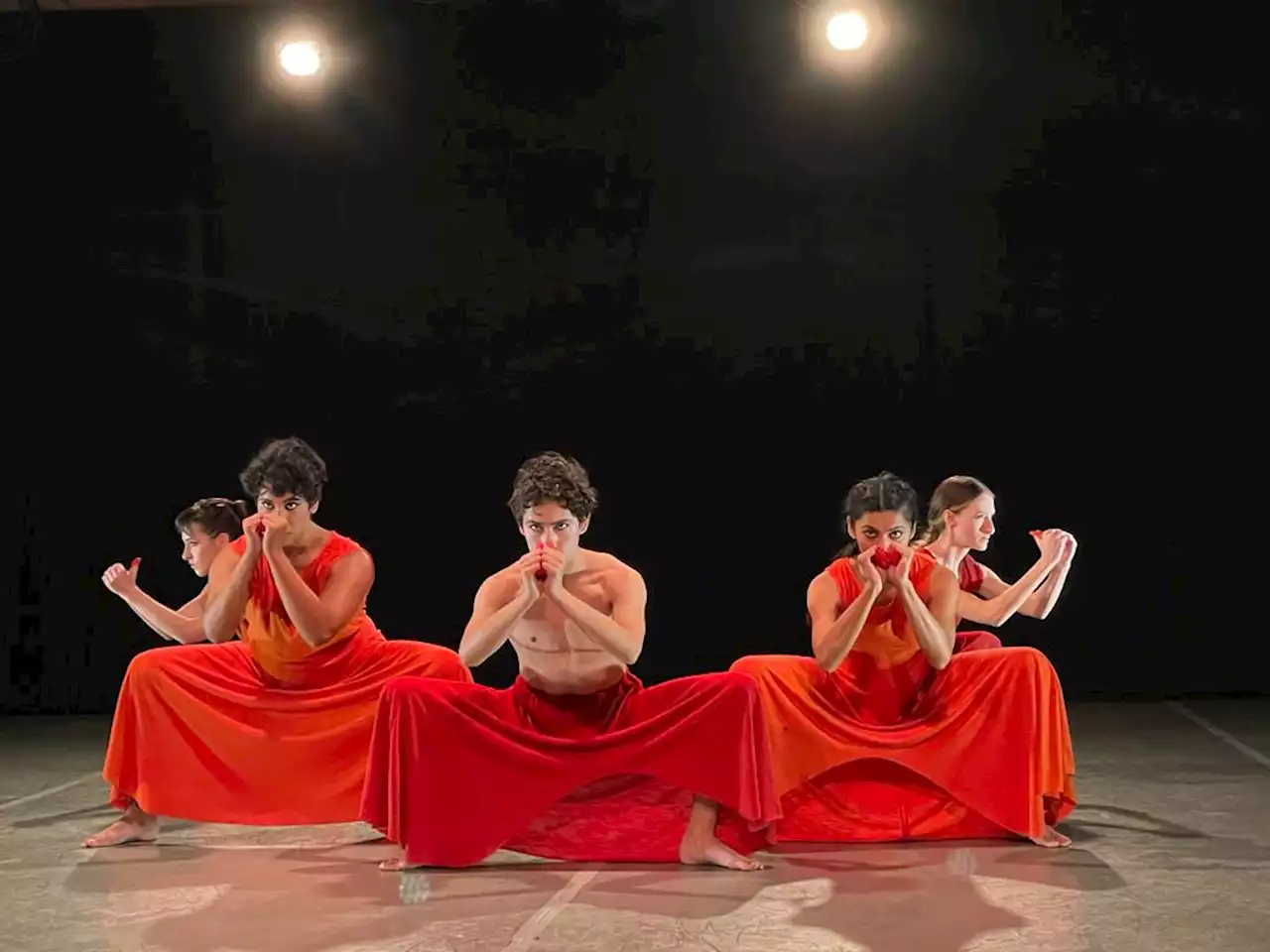 Hot weather, hot shows - Chicago Reader☀️ In addition to the shows and artists we profiled in our summer arts preview issue this week, we’ve got just a few suggestions for other offerings in theater, dance, and opera that look promising! 👇
Read more »
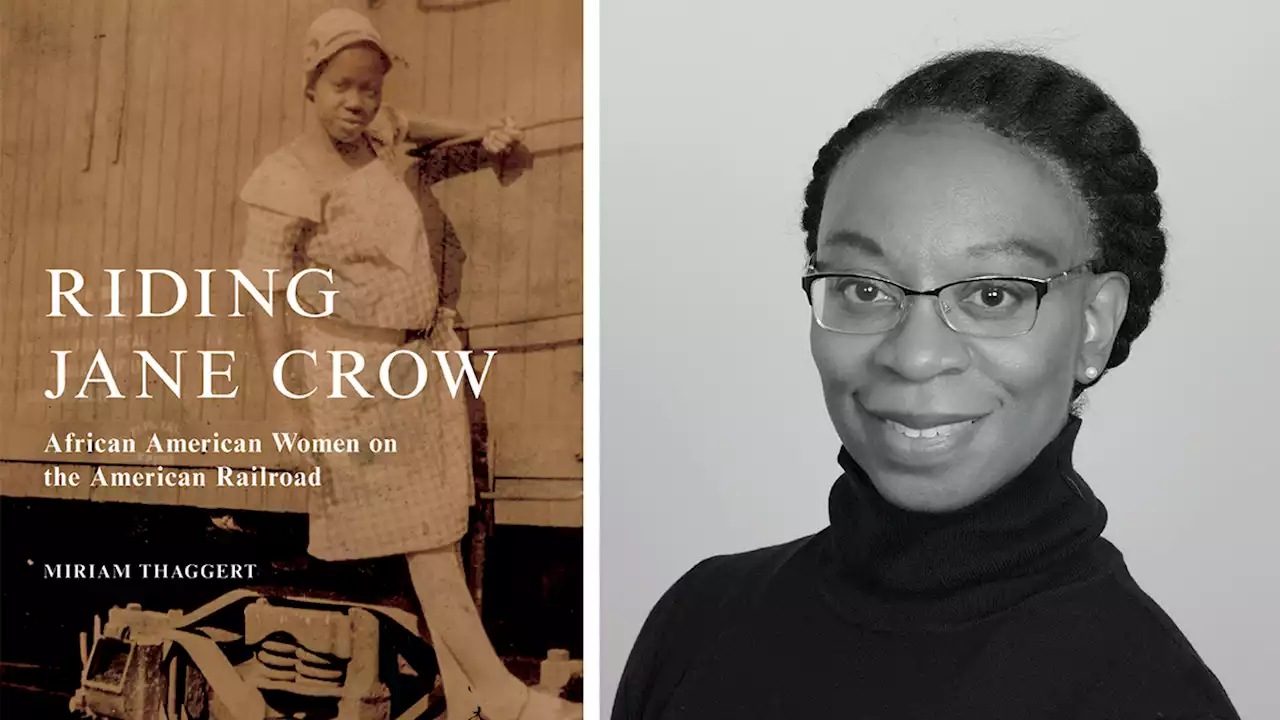 Sun, surf, summer: time to head to the library - Chicago ReaderThere’s a whole lot of story in history. And so much depends on the perspective of the storyteller. What, for example, will the future think it knows of our fraught time? What will be included? What will be omitted? What will be the spin on events like the war in Ukraine or the 2020 presidential […]
Read more »