
20 Years Later
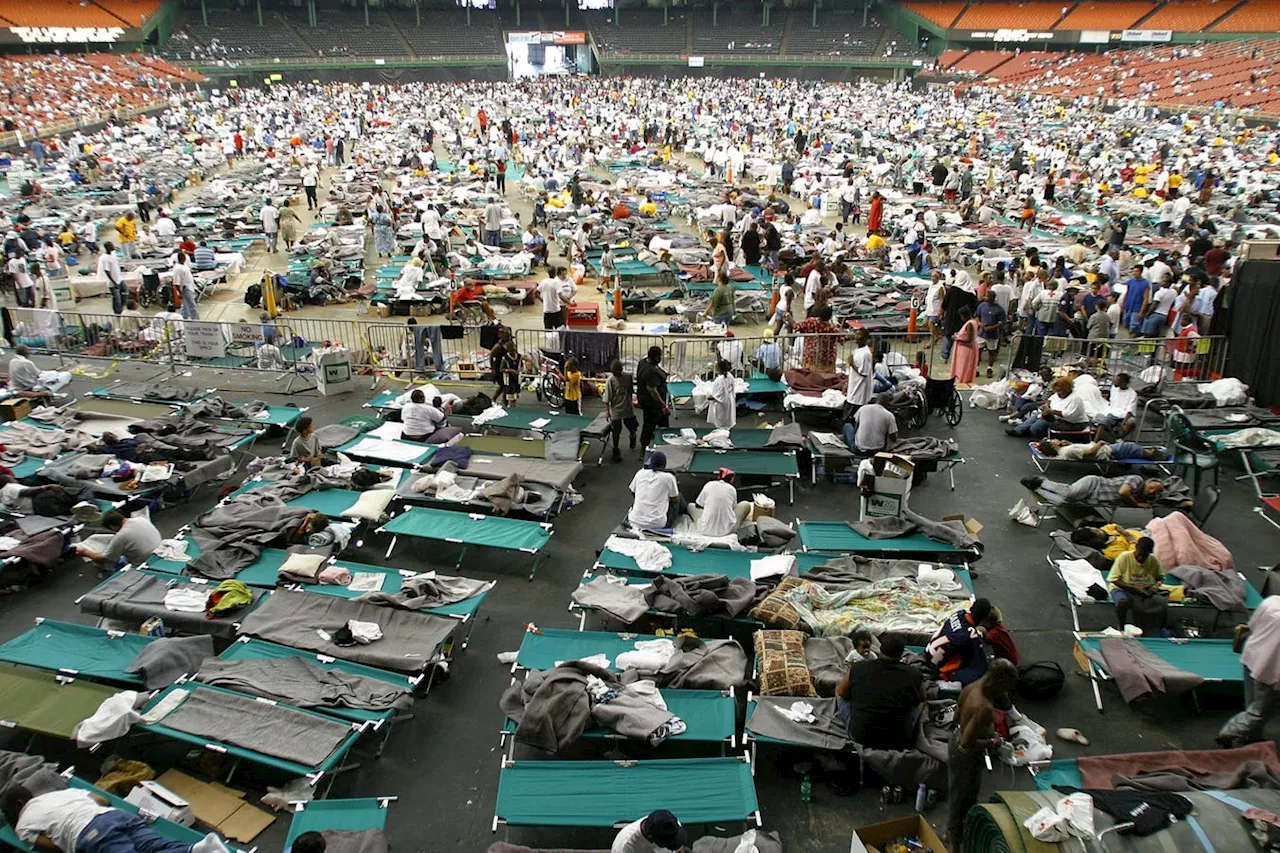
20 years ago, Hurricane Katrina tore through the southeastern United States, causing much destruction. This video features thoughts from NOAA staff who were involved in the forecasting and response. They share their memories of this tragic natural disaster, and the further forecasting advancements since then.
MAX MAYFIELD: Katrina did not even become a… when it came across South Florida, it was only a Category 1, low-end Category 1 hurricane. They had rain, they had wind, but it wasn’t devastating. But then it, the bottom dropped out.SAMUEL P. DeBOW JR.: So I called my operations center in Tampa, and I said, “What’s the possibility of me flying up into the hurricane?” They said, “You be here tonight, sir. We’re going up at 0800. You’re going in.” So I flew into the eye of Hurricane Katrina on our NOAA Hurricane Hunter, which is probably one of the most unbelievable things I’ve ever done in my entire life. It was scary. It was exciting. EDWARD RAPPAPORT: In terms of Katrina, yes, it was an extreme event. But it was the same forecast cycle, same forecast product. Yes, we ratcheted up what we said during the communications; the risks certainly were greater and over a larger area than many other storms. But it was the same kind of approach. But there are always lessons learned. One of the lessons learned was despite what was a good forecast, especially in the last two or three days, and what we thought was adequate – what we call warnings and watches – that even outside the New Orleans area where they had the levee system failure, that there were many lives lost along the Mississippi coast, almost entirely from the storm surge. ROY CRABTREE: It was just astonishing to see all the damage. I mean, parts of Mississippi were just leveled from it. And then you would see shrimp boats just all over everywhere, high and dry, just all over the place. I remember going into New Orleans right after Katrina, and there was just nobody there. GARY SHIGENAKA: So a lot of the storage facilities and refineries wound up releasing a lot of oil. So it was dealing with basically broad-scale oil spills. There was probably about eight or nine million gallons of oil that was released. NIR BARNEA: And after that there was, it created a big, huge marine debris problem and there was a need to survey and remove debris. So money was awarded and the Marine Debris Program was involved. EDWARD RAPPAPORT: That storm, and some of the others, had because of their storm surge losses prompted us to put a greater emphasis on the science and the communication of storm surge. It’s not to say that we weren’t doing it already; we’ve known all along that storm surge is a deadly hazard, but it became even more clear with storms like Katrina and ultimately that led to what I consider to be a great advance, if not a breakthrough, in terms of communication of the risk from storm surge in that we…within the past two, three years…we’ve introduced not only a new product, graphical product, but watches and warnings that are explicitly tied to the storm surge hazard.
Heritage Heritage History Hurricanes Extreme Weather Severe Storms Hurricane Hunters
United States Latest News, United States Headlines
Similar News:You can also read news stories similar to this one that we have collected from other news sources.
 Robin Roberts to revisit New Orleans, Mississippi 20 years after Hurricane Katrina'Hurricane Katrina: 20 Years After the Storm With Robin Roberts' airs Aug. 29.
Read more »
 'Good Morning America's' Robin Roberts returns to Gulf Coast 20 years after Hurricane Katrina'Hurricane Katrina: 20 Years After the Storm With Robin Roberts' will air Friday, Aug. 29, on ABC.
Read more »
 Hurricane Katrina by the Numbers, 20 years laterWith numbers that still stagger today, Hurricane Katrina was one for the record books.
Read more »
 Hurricane Katrina: 20 years later, a legacy of devastation and resilienceTwenty years ago this week, Hurricane Katrina began its catastrophic journey, forming near the Florida coast on August 23, 2005. By the time it reached the cent
Read more »
 20 years after Katrina, hurricane risks to Gulf Coast rising, scientist warnsThe Gulf Coast of the United States is increasingly vulnerable to hurricanes, a scientist has warned in a new study, 20 years after Katrina devastated New Orleans and hundreds of miles of coastline.
Read more »
 Reflections On Forecasting Hurricane Katrina, 20 Years LaterMeteorologist and DTN GM for Weather and Climate Intelligence, Renny Vandewege reflects on reporting Hurricane Katrina and the lessons that apply 20 years later.
Read more »