
A fossil of a Mesozoic bird, Navaornis hestiae, dating back about 80 million years, may transform our understanding of how modern birds' unique brains evolved from prehistoric ancestors. This discovery fills a crucial gap in evolutionary history.
A remarkable fossil discovery of a Mesozoic bird, Navaornis hestiae, could dramatically enhance our knowledge about the evolution of avian intelligence. The fossil, which is nearly 80 million years old, provides a unique insight into the development of the bird brain, filling in a significant gap in our understanding of the evolution of modern birds.
The complete and well-preserved skull, approximately the size of a starling, allows researchers to reconstruct the brain structure of this ancient bird, providing evidence of an intermediate stage in the evolution of the avian central nervous system. This finding is crucial for understanding how modern birds evolved from their prehistoric ancestors
Navaornis Hestiae Avian Intelligence Mesozoic Era Evolution Fossil Discovery
United States Latest News, United States Headlines
Similar News:You can also read news stories similar to this one that we have collected from other news sources.
 Archaeologists make remarkable discovery of 4,000-year-old town hidden in Arabian oasisToday's Video Headlines: 11/6/24
Read more »
 Archaeologists make remarkable discovery of 4,000-year-old town hidden in Arabian oasisToday's Video Headlines: 11/6/24
Read more »
 Bakery Patron Makes Remarkable Discovery That Owner Is His Long-Lost MotherA Chicago man recently received the surprise of a lifetime upon learning that the local bakery he frequented was owned by his mother who put him up for adoption as a baby 50 years ago.
Read more »
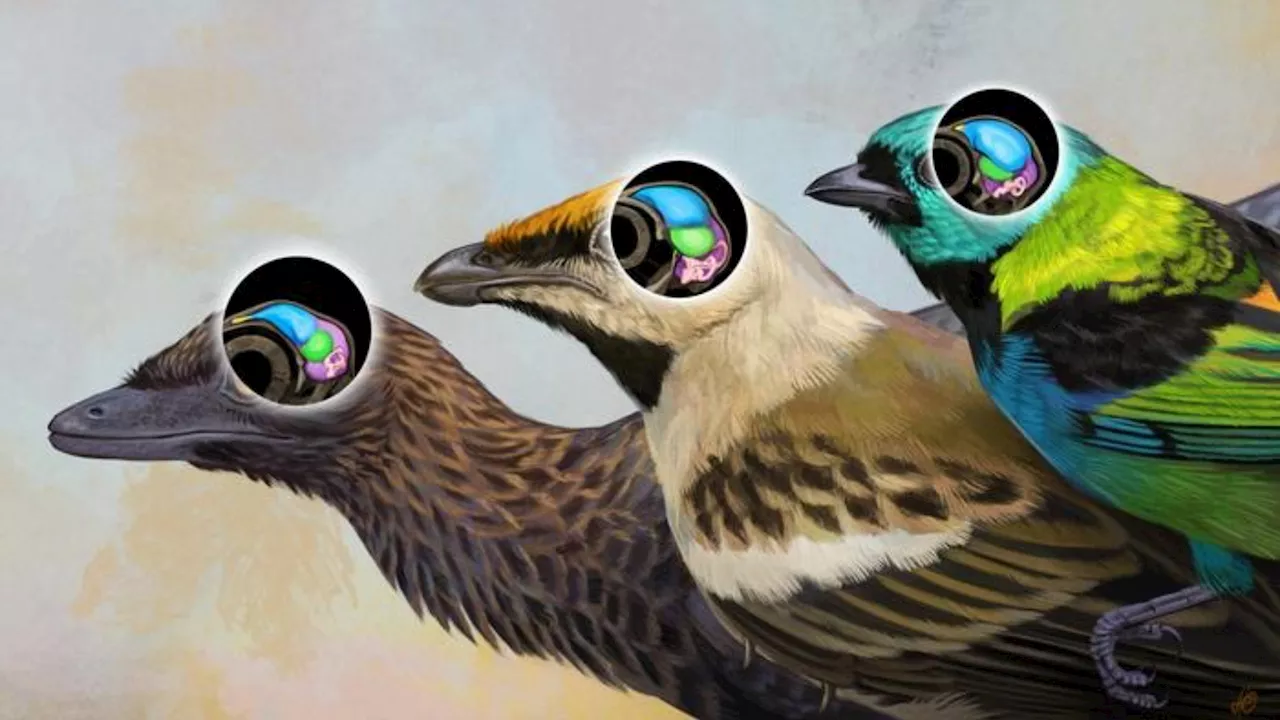 80 million-year-old dinosaur-era fossil bird offers insight into brain evolutionInterestingly, this fossil fills a 70-million-year-long gap in our knowledge between the early bird-like dinosaurs (Archaeopteryx) and modern birds.
Read more »
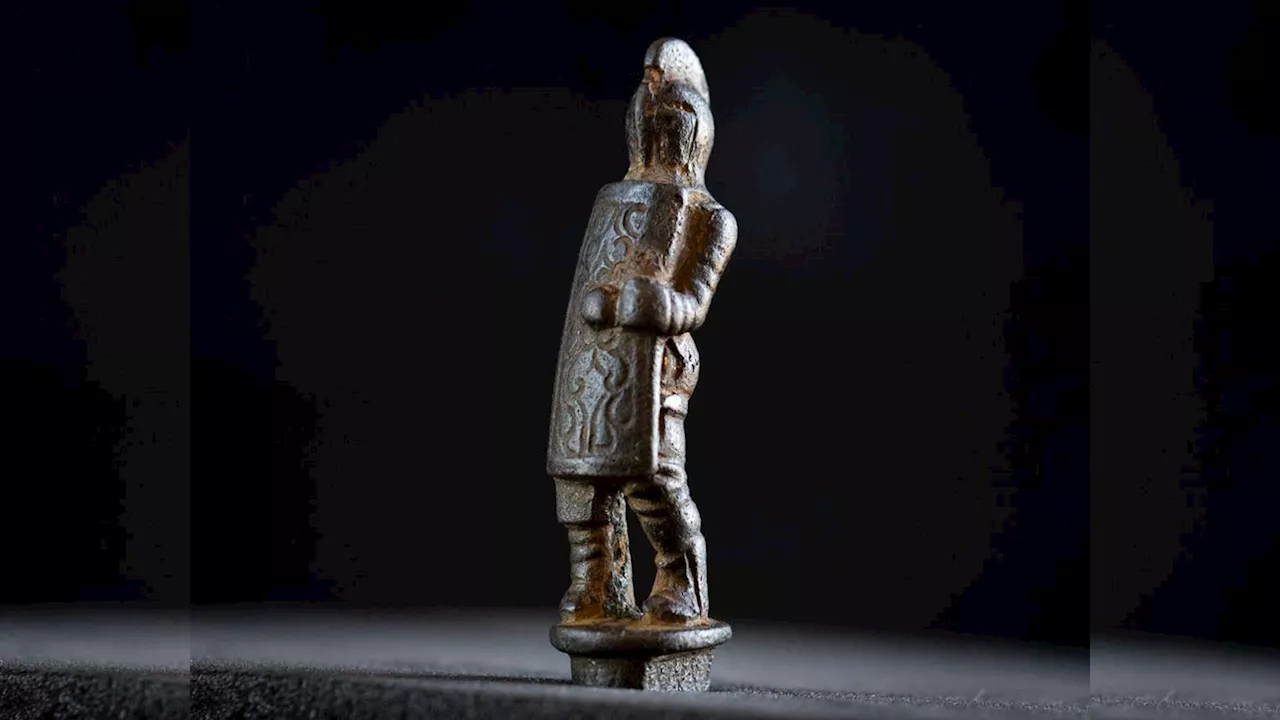 ‘Remarkable’ 2,000-year-old gladiator knife handle discovery shows Rome’s reachRemarkably, the figurine is left-handed—a historically notable detail, as left-handedness was considered a bad omen in ancient Rome.
Read more »
 FRED: 100,000 discovery sites recorded in world’s only open fossil databaseInterestingly, New Zealand is the only nation with a fully cataloged, open-source database of its identified fossil specimens.
Read more »