
Scientists at Tufts University are exploring a groundbreaking approach to tooth regeneration using pigs as a model. Their research has shown early success in growing human-like teeth in pigs, potentially paving the way for natural tooth replacement in humans in the future.
Losing a tooth can be a frustrating and costly experience. Current solutions like dentures and implants can be expensive, uncomfortable, and require ongoing maintenance. But what if we could regrow missing teeth naturally? That’s the idea behind new research led by scientists at Tufts University, who are exploring a new approach to tooth regeneration in humans. At the heart of this research is what might be a surprising model for tooth regeneration: pigs.
Unlike humans, pigs can grow up to five or six sets of teeth throughout their lifetime. Pamela Yelick, a professor at the Tufts School of Dental Medicine, believes that understanding how pigs replace their teeth could unlock the key to doing the same for people. Pigs are the unlikely model for this latest research into regenerating human teeth. In a recent study, Yelick and her team successfully grew human-like teeth in pigs. To accomplish this successful tooth regeneration, the researchers took living tissue from both human and pig teeth and combined them in a laboratory. From there, they transplanted the teeth into a mini pig’s mouth. Within a few months, the tissue developed into a fully formed bioengineered tooth, resembling a natural tooth in structure. The researchers say these developers are still in the very early stages, and tooth regeneration in humans is not yet a reality. However, Yelick is optimistic that advancements in regenerative medicine and dentistry could accelerate the development of practical solutions—much in the same way anti-aging medicines are helping to regenerate aging tissue in some tests. Currently, most tooth replacement methods have remained largely unchanged for over a century. While effective, these solutions do not replicate the natural process of tooth growth. Regenerative dentistry could provide a longer-lasting, natural alternative—eliminating the need for artificial replacements altogether. The next step for researchers is to better understand the mechanisms behind tooth regeneration in pigs and find ways to replicate this process properly in humans. Exactly how long that might take is unclear, though
TOOTH REGENERATION PIGS DENTISTRY Regenerative Medicine BIOLOGY
United States Latest News, United States Headlines
Similar News:You can also read news stories similar to this one that we have collected from other news sources.
 How AI Is Augmenting The Human In Human ResourcesAI is significantly transforming HR by streamlining processes, improving decision-making, and enhancing employee experiences.
Read more »
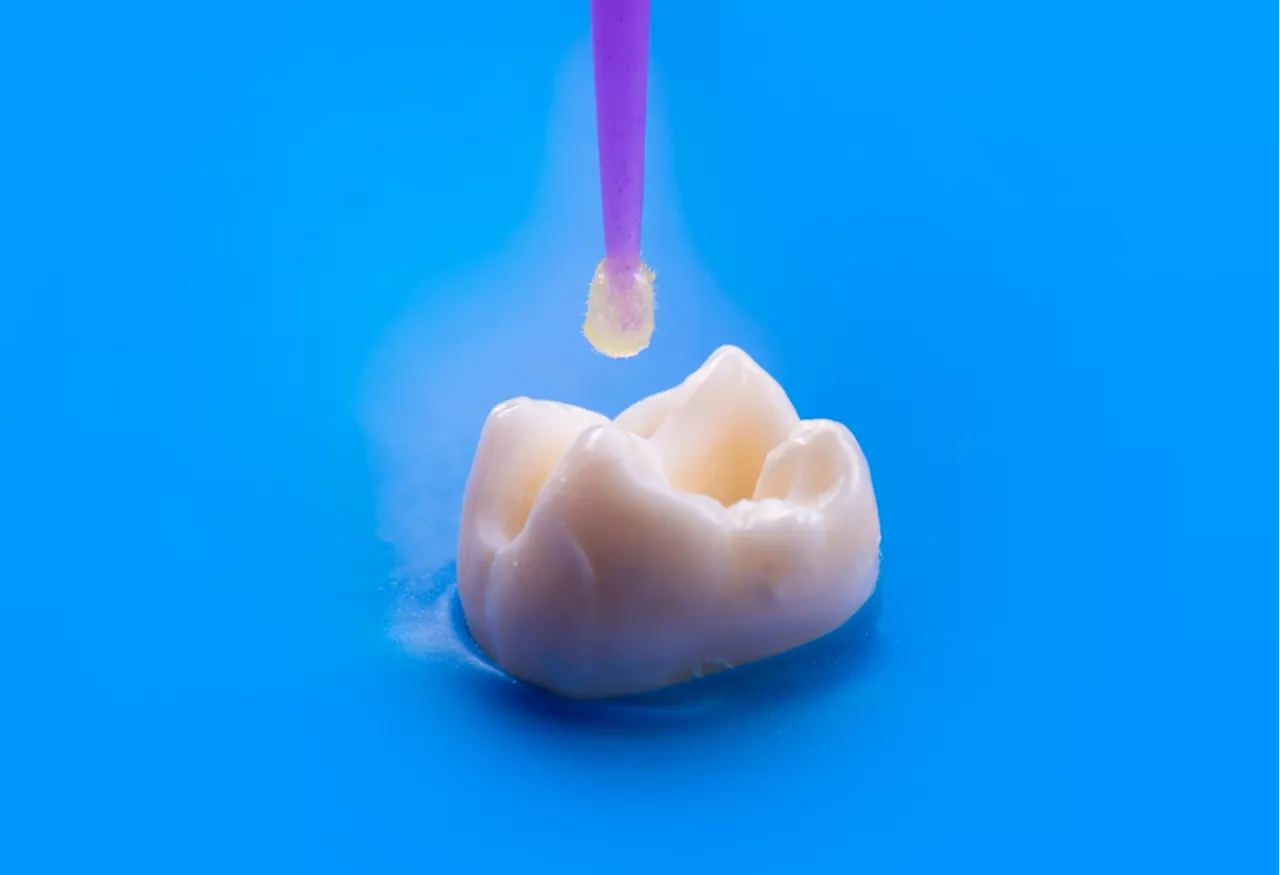 The Future of Dentistry: Regrowing TeethCutting-edge research is exploring revolutionary ways to replace damaged teeth without costly implants. From RNA-based medicines to stem cell therapy and mineral regeneration, scientists are making significant strides towards regrowing teeth. This article delves into the promising approaches being developed, highlighting the potential of these treatments to transform the future of dentistry.
Read more »
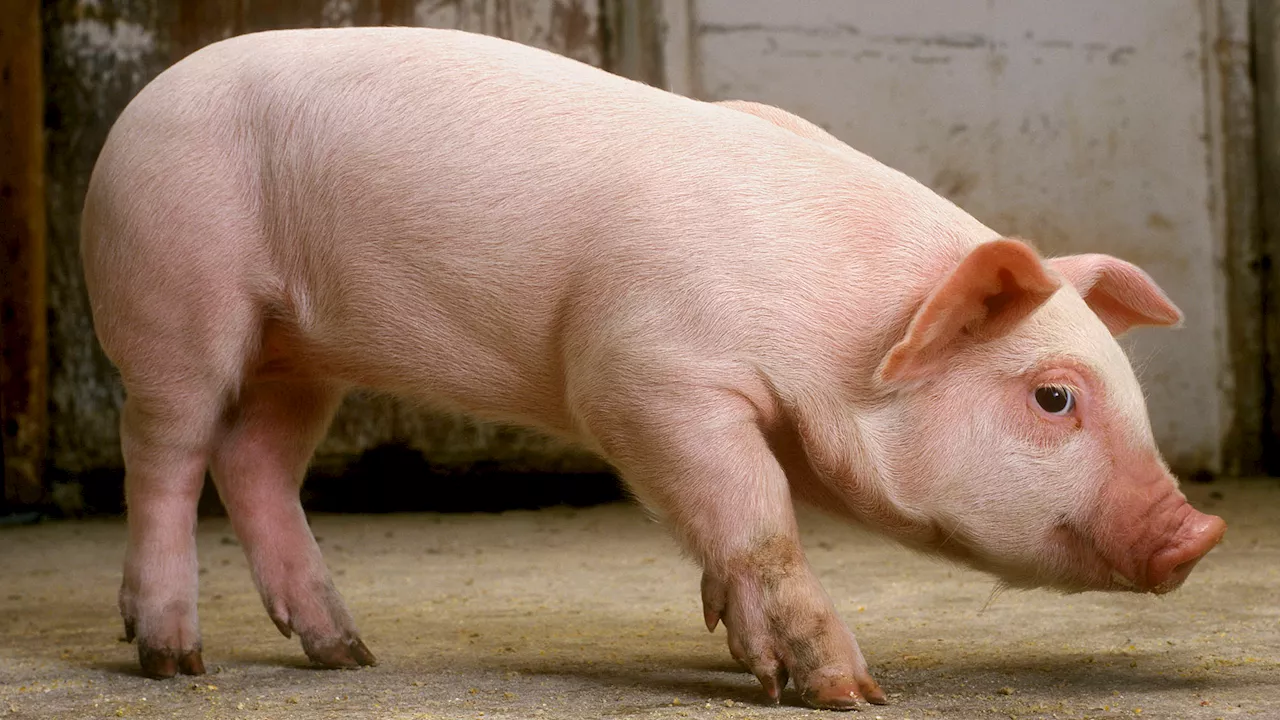 Lab-Grown Human Teeth Take Root in PigsResearchers have successfully cultivated lab-grown human teeth cells within pigs' mouths, marking a potential breakthrough in the field of bioengineering. This development could pave the way for biological tooth substitutes in the future, addressing the limitations of synthetic dental implants.
Read more »
 H5N1 Bird Flu: Expert Warns of Potential Human-to-Human TransmissionAn infectious disease expert warns that the H5N1 bird flu virus, already widespread in animals, could soon mutate and become transmissible between humans. The expert emphasizes the need for rapid surveillance and reporting of any new cases, as well as coordinated efforts from government agencies to prepare for a potential pandemic.
Read more »
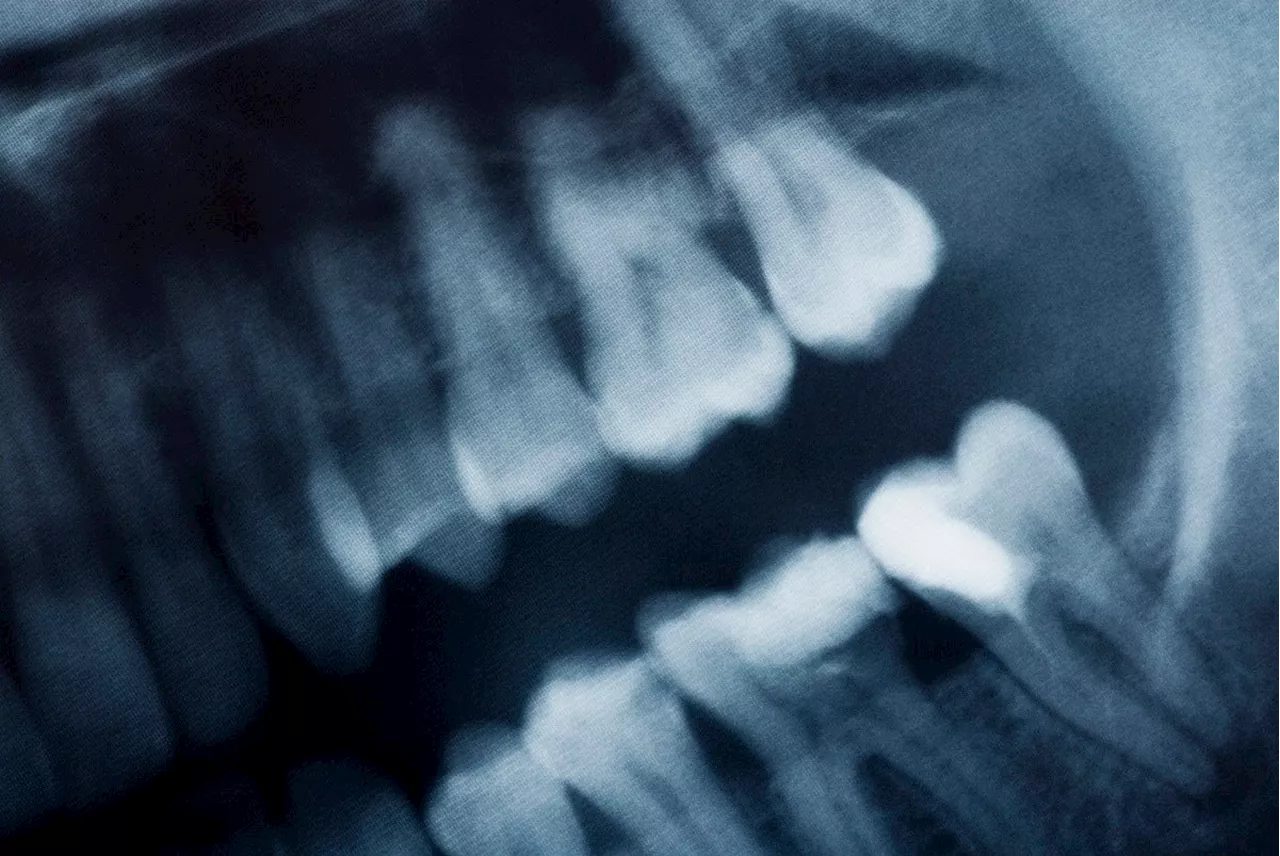 Scientists Grow Human-Like Teeth in PigsResearchers at Tufts University have successfully grown human-like teeth in a lab and implanted them into the mouths of miniature pigs. This breakthrough marks a significant step towards developing innovative dental implants that perfectly match a person's mouth. The team used a combination of bovine and human tooth cells, cultivated within fragments of pig teeth, to create the implants.
Read more »
 Scientists Grow Tooth-Like Structure from Human and Pig TissueTufts University researchers have successfully grown a tooth-like structure using material from human and pig teeth. This breakthrough could pave the way for creating living tooth replacements in the future. The team combined soft tissue from both human and pig teeth and transplanted it into a mini pig's mouth, resulting in a bioengineered tooth that closely resembles a natural one. While this technology is not yet ready for human use, researchers are optimistic that advancements in regenerative medicine and dentistry will accelerate the development of new teeth and other organs.
Read more »