
The Quadrantids meteor shower, named after a non-existent constellation, is set to peak this weekend, offering viewers a chance to witness up to 120 meteors per hour. Learn about the source of the shower and tips for optimal viewing.
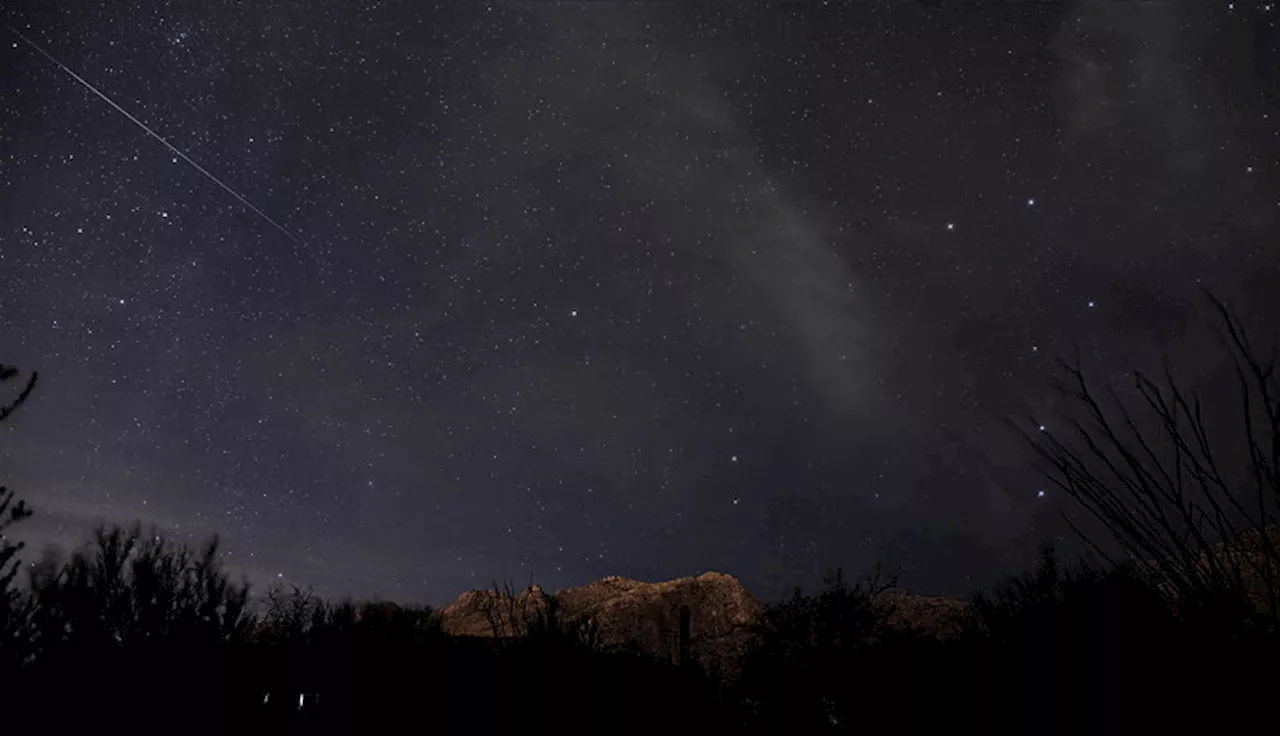
Most meteor showers are named for the constellations where they appear to originate from in the night sky. But the Quadrantids 'take their name from a constellation that doesn't exist anymore,' said NASA's William Cooke. These meteors usually don't have long trains, but the heads may appear as bright fireballs. The peak may reveal as many as 120 meteors per hour.As the Earth orbits the sun, several times a year it passes through debris left by passing comets — and sometimes asteroids.
The source of the Quadrantids is debris from the asteroid 2003 EH1.When these fast-moving space rocks enter Earth's atmosphere, the debris encounters new resistance from the air and becomes very hot, eventually burning up. Sometimes the surrounding air glows briefly, leaving behind a fiery tail — the end of a 'shooting star.' You don't need special equipment to see the various meteor showers that flash across annually, just a spot away from city lights.The best time to watch a meteor shower is in the early predawn hours, when the moon is low in the sky. Competing sources of light — such as a bright moon or artificial glow — are the main obstacles to a clear view of meteors. Cloudless nights when the moon wanes smallest are optimal viewing opportunities. And keep looking up, not down. Your eyes will be better adapted to spot shooting stars if you aren't checking your phone.Montgomery Count
METEOR SHOWERS QUADRANTIDS SPACE ROCK ASTEROID 2003 EH1 OPTIMAL VIEWING
United States Latest News, United States Headlines
Similar News:You can also read news stories similar to this one that we have collected from other news sources.
 Winter’s Best Meteor Shower Begins Tonight: How To See The QuadrantidsDust and debris left in the inner solar system by asteroid 2003 EH1 is about to cause the annual Quadrantid meteor shower.
Read more »
 Geminid meteor shower peaks this weekend in spectacular show: How to watchThe Geminids originate from a 'dead' asteroid, rather than a comet.
Read more »
 Ursid meteor shower 2024: Where and when to see the final meteor shower of the yearGretchen Rundorff is an astronomy enthusiast who is passionate about science communication and empowering people to learn about the night sky. She has seen multiple meteor showers, has seen a partial solar eclipse in 2016, has photographed the 2024 total solar eclipse, and has used telescopes to view planets and star clusters.
Read more »
 How to catch the Quadrantids, the first meteor shower of 2025The Quadrantid meteor shower will be the year’s first chance to see fireballs in the sky. A waning crescent moon means good visibility under clear and dark conditions. These meteors usually don’t have long trains, but the heads may appear as bright fireballs. NASA says Friday's peak may reveal as many as 120 meteors per hour.
Read more »
 Quadrantids Meteor Shower Peaks This Weekend, Alongside a 'SuperSun' and Lunar Pair UpThe first weekend of 2025 offers multiple celestial events, including the Quadrantids meteor shower, a 'SuperSun', and a lunar planetary conjunction. The Quadrantids are expected to peak around January 3rd, with a Zenithal Hourly Rate (ZHR) of 80. This year's shower favors the northern Pacific region at dawn, but observers in North America and Europe can watch for the peak on January 3rd and 4th. The source of the Quadrantids is asteroid 2003 EH1, a rarity among meteor showers. Alongside the shower, Earth reaches its closest point to the Sun (perihelion) on January 3rd, coinciding with the peak of the Quadrantids.
Read more »
 How to catch the Quadrantids, the first meteor shower of 2025The Quadrantid meteor shower will be the year’s first chance to see fireballs in the sky.
Read more »