
A team from the University of Trieste proposes a novel asteroid landing system inspired by human proprioception.
Exploring asteroids and other small bodies throughout the solar system has gotten increasingly popular, as their small gravity wells make them ideal candidates for resource extraction, enabling the expansion of life into the solar system. However, the technical challenges facing a mission to explore one are fraught – since they’re so small and variable, understanding how to land on one is even more so.
A team from the University of Trieste in Italy has proposed a mission idea that could help solve that problem by using an ability most humans have but never think about. Have you ever closed your eyes and tried to touch your fingers to one another? If you haven’t, try it now, and you’ll likely find that you can easily. It’s possible to do even without guidance from your five normal senses. That is what is known as proprioception – our hidden “sixth” sense. It is that ability to know where objects are in relation to one another – in this case, where your hands are in relation to one another without any other sensory indication. Taking that basic idea and extrapolating it to a mission to an asteroid, the basic concept of the mission involves a lander with what seems like a dome with a ton of little balls on it, each facing a slightly different direction. Those balls are then ejected from the dome with varying degrees of force and land on various parts of the asteroid or comet.They then create what is known in networking as a “mesh” system by connecting through one another and back to the main lander, which has a higher power output and larger communications array. They also contain a series of sensors, such as a camera, a magnetometer, and, importantly, an inertial measurement unit, or IMU. IMUs are commonly used in cell phones to tell which direction the phone is oriented—that’s why your phone’s screen will flip upside down if you hold it upside down. They can also measure acceleration, which is why many are used in modern rocketr
ASTEROID EXPLORATION PROPIOCEPTION LANDING SYSTEM SENSOR TECHNOLOGY
United States Latest News, United States Headlines
Similar News:You can also read news stories similar to this one that we have collected from other news sources.
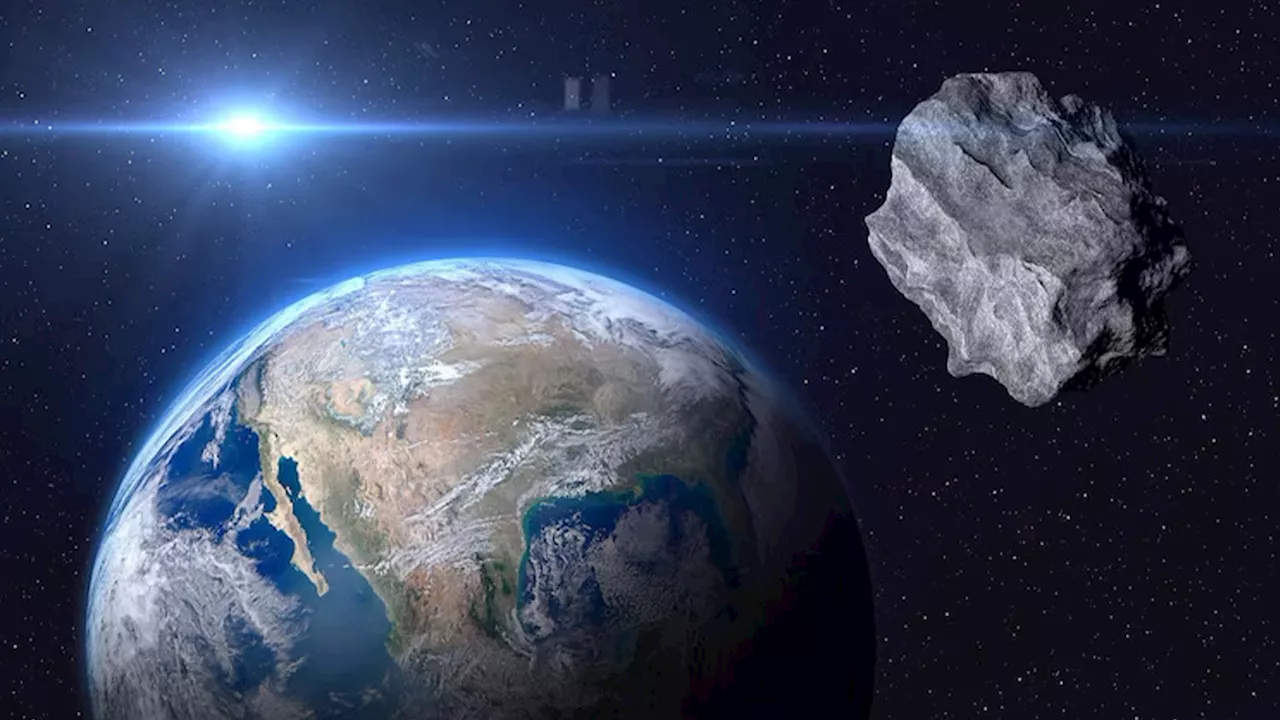 Asteroid nearly hits Earth in Siberia, with a 2nd massive asteroid passing this weekThe asteroid entered the atmosphere Tuesday morning in northeastern Siberia.
Read more »
 Dramatic video shows bicycle tire-sized asteroid nearly hit Earth as 'nice fireball in the sky' illuminates SiberiaAsteroid dramatically illuminates night sky over Siberia
Read more »
 Asteroid nearly hits Earth in Siberia, with a 2nd massive asteroid passing this weekThe asteroid entered the atmosphere Tuesday morning in northeastern Siberia.
Read more »
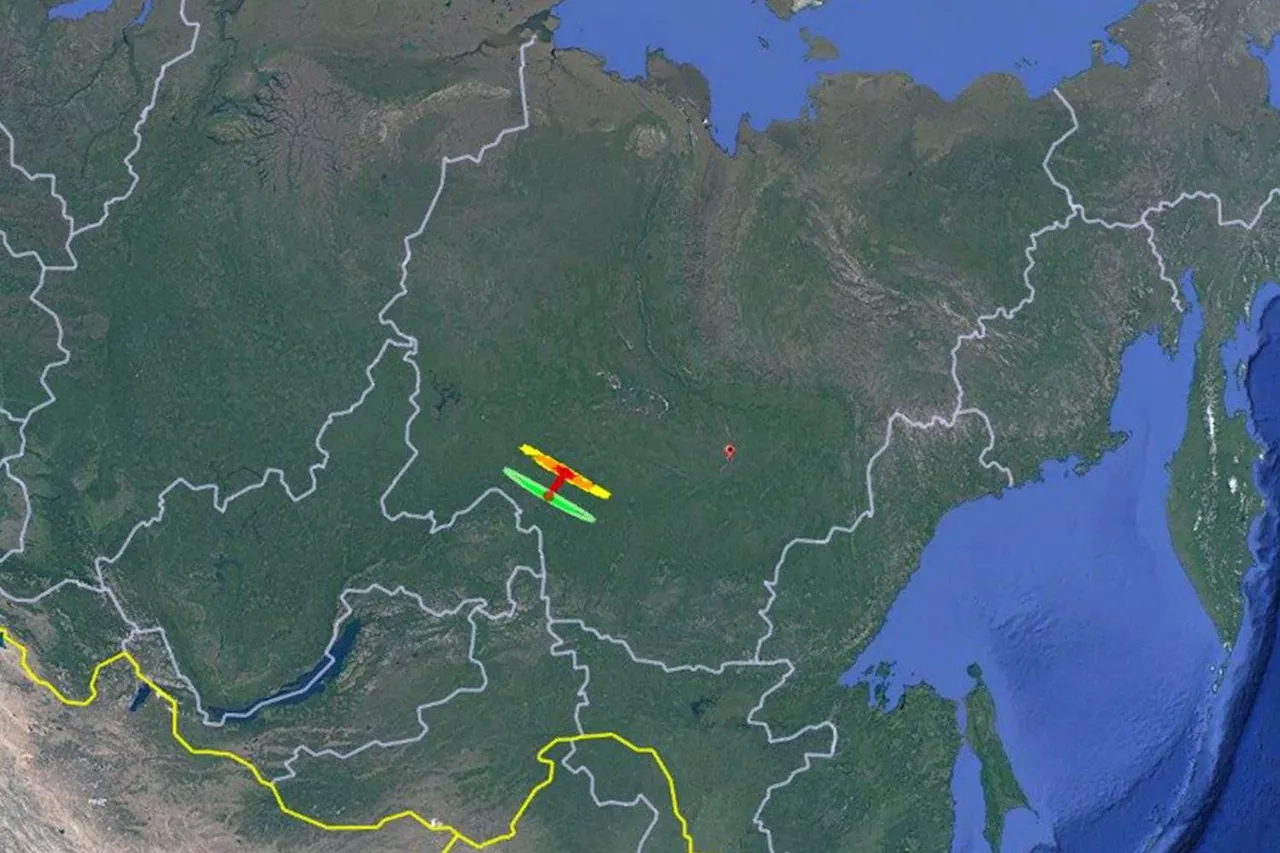 Asteroid Heading Toward Earth Blazes Across Sky in Fireball Over SiberiaA small asteroid on a collision course with Earth made a blazing fireball across the sky.
Read more »
 Air Canada Flight Makes Emergency Landing in Halifax After Landing Gear MalfunctionAn Air Canada flight from St. John's to Halifax experienced landing gear trouble, causing a skid and engine fire, prompting an emergency landing. Passengers were safely evacuated and checked by paramedics. Flights at Halifax airport were temporarily suspended.
Read more »
 Passengers report flames as Air Canada flight suffers ‘suspected landing gear issue’ after landingAn Air Canada Express flight “experienced a suspected landing gear issue” after arriving at Halifax Stanfield International Airport in Nova Scotia on Saturday night, though no injuries were reported, according to the airline.
Read more »