
After a protracted legal battle and negotiations, ranches within Point Reyes National Seashore will be shutting down within the next 15 months. This marks the end of an agricultural era dating back to the region's early days. Ranchers will receive financial assistance and support to transition away from dairy farming.
Dairy cows on their way for milking at the A Ranch off Sir Francis Drake Boulevard in Point Reyes, Calif., on Sunday, July. 28, 2024. For more than 150 years, ranchers have prevailed in an unending struggle with mud, fog and wind on the wild reaches ofannounced Wednesday night, giving up their leases in exchange for money and ending an agricultural era that began long before the creation of the park about 30 miles north of San Francisco.
The agreement was reached after protracted closed-door mediation resulting from a lawsuit brought against the National Park Service by environmental groups, including thejoined the negotiations in 2022 to help find incentives for a settlement, seeing it as a once-in-a-generation opportunity to re-imagine the future of 28,000 acres of coastal prairie so close to the Bay Area’s 7.5 million residents. “‘It is truly sad. But you need to move forward,” said Bob McClure, 62, a fourth-generation rancher who sold his 500 organic Holsteins to a Texas dairy operation several years ago as water supplies shrank and regulatory restrictions, as well as extreme anti-ranching activism, grew. Over the decades, a once-warm and supportive relationship with the National Park Service had cooled. When abandoned, the pastures will be managed in a collaboration between the National Park Service and The Nature Conservancy, a well-funded environmental nonprofit that is restoring other former ranches, such as the 13,500-acre Las Piletas Ranch in Southern California. An inventory of the landscape is planned, then a management strategy will be drafted. Tools include “targeted grazing” by cattle, as well as mowing and perhaps prescribed fire, to reduce fire risk, deter weed growth and provide habitat for grassland species such as Western meadowlarks. “It is extraordinary to have this restoration opportunity within the only national seashore on the West Coast,” said Michael Bell, director of protection at The Nature Conservancy. “It could be quite a platform for science and monitoring — and create an awesome opportunity for the expansion of that learning beyond the national seashore.” The agreement allows some beef ranching to continue at two ranches at the windswept national seashore and seven ranches in the sheltered Olema Valley between Point Reyes Station and Bolinas. Two of the ranches, which were not involved in the lawsuit, are managed by grass-fed beef pioneers David Evans of Marin Sun Farms and Bill Niman of Niman Ranch. But it prioritizes ecological protection, wildlife conservation and continued recreational access, according to the National Park Service and Nature Conservancy. Eleven ranches in the seashore — including three multi-generational dairies of the Nunes, Mendoza and Spaletta families near the famed Lighthouse and Chimney Rock peninsula — must shut down within 15 months.reported that ranchers will receive a share of an estimated $30 to $40 million settlement fund. An estimated $2 million has been set aside for relocation of farmworkers. More than half of the funding has been raised for this transition, but additional support is needed to complete this deal, according to The Nature Conservancy. An estimated 90 ranch workers and their families will be offered severance pay, financial assistance and support services to find new housing and jobs. The fate of the estimated 300 homes, barns and other structures, many of them listed on the National Register of Historic Places, is unknown. According to The Nature Conservancy, the restoration plan will abide by federal regulations. Some buildings may be restored; others may be demolished. The three scattered herds of tule elk — currently at Tomales Point, Drakes Beach and Limantour/Estero Road — will be free to multiply and stray beyond their historic bounds. About 16,000 acres of the former agricultural lands will be rezoned into a “Scenic Landscape Zone,” which prioritizes conservation. Bob McClure, who managed the largest dairy in Point Reyes National Seashore, walks by a century-old equipment shed on Jan. 9, 2025. Attracted to the region by lush grasses, his family has prospered on Tomales Point for four generations. “This is an exciting moment for Point Reyes National Seashore,” said Seashore superintendent Anne Altman in a statement. Local environmentalist Woody Elliott applauded the settlement. “The National Park Service will now have the opportunity to manage the natural and cultural resources of the Seashore — as they should have been doing, provided adequate funding is available,” he said. But historian Dewey Livingston called it “a huge loss to our community, culture and lives. The Point Reyes ranches have anchored the West Marin community for 170 years.” Others worry it will transform the vibrant village of Point Reyes Station into a quaint tourist destination. Beyond the dispute over ranching, “this is about the people who live there, and have lived there for generations,” he said. “One ranch to be evicted consists of four living generations of strong and vital women, who have contributed to the community and possess a level of personal integrity hard to find in this world.” The region has long attracted farmers and ranchers for its lush grasses, which are watered by moderate rains and extended by summer fogs, according to Livingston. Ranching got its start soon after the power of the missions faded, when the newly created Mexican government began awarding land grants to faithful Mexican solders and Anglo supporters. It exploded with the Gold Rush, after prominent San Franciscans purchased the peninsula and supplied the growing city with prized butter and cheese. Point Reyes dairies were among the first large-scale and high-quality dairies in the state. Attorneys James and Oscar Shafter divided their property into 30 dairy ranches between 1858 and 1870, designating the ranches by letters of the alphabet, according to Livingston. “A Ranch” is near the lighthouse; “Z Ranch” is near the summit of Mt. Wittenberg. These lettered ranches were leased to tenants, newly arrived immigrants from Ireland, Switzerland and the Azores. Over time, the tenants became owners. Visitors horseback ride past the historic Pierce Ranch at Point Reyes National Seashore in Point Reyes, Calif., on Saturday, July. 27, 2024. Traffic stops as dairy cows cross Sir Francis Drake Boulevard on their way for milking at the A Ranch in Point Reyes, Calif., on Sunday, July. 28, 2024. View of the historic Pierce Ranch and the fog at Point Reyes National Seashore in Point Reyes, Calif., on Saturday, July. 27, 2024. A male tule elk keeps an eye on its herd as they graze on the pastures of Point Reyes National Seashore in Point Reyes, Calif., on Saturday, July. 27, 2024. Dairy cows move on their way for milking at the A Ranch off Sir Francis Drake Boulevard in Point Reyes, Calif., on Sunday, July. 28, 2024. An interpretive sign describes the history of the milking and hay barn of the historic Pierce Ranch at Point Reyes National Seashore in Point Reyes, Calif., on Saturday, July. 27, 2024. Hay bales sit inside the milking and hay barn of the historic Pierce Ranch at Point Reyes National Seashore in Point Reyes, Calif., on Saturday, July. 27, 2024. Herds of tule elk look on as they graze on the pastures of Point Reyes National Seashore in Point Reyes, Calif., on Saturday, July. 27, 2024. Visitors horseback riding as they look at herds of tule elk at Point Reyes National Seashore’s Tomales Point in Point Reyes, Calif., on Saturday, July. 27, 2024. The milking and hay barn of the historic Pierce Ranch at Point Reyes National Seashore in Point Reyes, Calif., on Saturday, July. 27, 2024. A male tule elk bugles as they graze on the pastures of Point Reyes National Seashore in Point Reyes, Calif., on Saturday, July. 27, 2024. Visitors horseback ride past the historic Pierce Ranch at Point Reyes National Seashore in Point Reyes, Calif., on Saturday, July. 27, 2024. The region became threatened by housing developments in the 1950s. While ranchers worried what the creation of a national park would mean for their future, they formed an uneasy alliance with environmentalists. During the creation of the national seashore in the 1960s, Congress crafted a compromise that sought to protect the land while assuring the ranchers their livelihood. Ranchers sold their properties in exchange for long-term leases. Those lease agreements have expired. Now the ranches are operating under short-term leases, leaving them unable to get the bank loans needed to maintain their operations. They’ve faced increasing restrictions by the National Park Service on herd size, pasture management and many basic activities, such as creating silage to feed herds. In 2021, in a controversial update to its general management plan, the National Park Service said it would offer 20-year leases. Environmental groups sued, saying that cows have no role in a national park. Last year, E. coli bacteria levels well above health standards were found in several water bodies around the Seashore. A working ranch can be muddy and malodorous. A steady drumbeat of pressure to eliminate the ranches grew louder. The pragmatic vision of the Seashore that held sway in the 1970s was, over time, replaced by a plan to create a more pristine landscape.“This has been a difficult journey, but we are relieved that an agreement has been reached,” said Tim Kehoe, a Seashore dairy farmer, in a statement. “The mediation made the best out of a bad situation,” he said, “and we’re grateful that we’ve reached a solution that puts this years-long conflict to rest.”What’s that picture on Melania Trump’s collar at Jimmy Carter funeral?Macy’s, Kohl’s prep Bay Area store closures as retail chains struggle‘Like you’re on a different planet:’ Malibu left decimated by Palisades fireWhat the Los Angeles fires might mean for the Bay Area home insurance market Sex tape, secrets, and snitches: In failed attempt to dismiss police brutality case, ex-Antioch cop airs department’s dirty laundry Sex tape, secrets, and snitches: In failed attempt to dismiss police brutality case, ex-Antioch cop airs department’s dirty laundryIt’s a snowplow-naming smackdown. Here are the finalists.
National Park Ranching Environmentalism Conservation Point Reyes National Seashore
United States Latest News, United States Headlines
Similar News:You can also read news stories similar to this one that we have collected from other news sources.
 Lawsuit delays removal of Point Reyes elk fenceThe National Park Service took down about 850 feet of the 2-mile barrier within days of announcing its new management plan.
Read more »
 Three Close Calls: From Stalker to Sinister Ranches and Unexpected Drugstore EncountersThree women share chillingly close calls they experienced - from a late-night stalker to the unsettling vibes of a hippie ranch and a creepy encounter at a drugstore.
Read more »
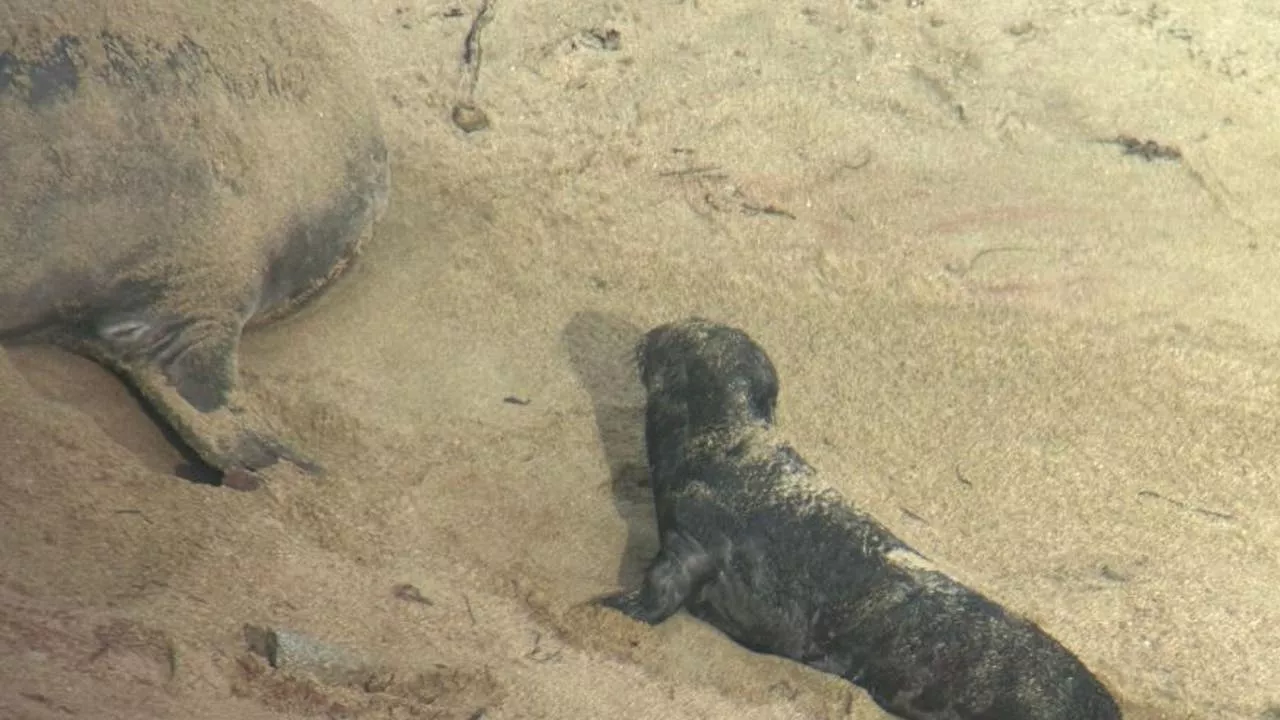 Elephant Seal Pups Born at Point Reyes National SeashoreThe first elephant seal pup of the season has been born at Point Reyes National Seashore, marking the start of birthing and mating season. Beaches near the Point Reyes Headlands are closed through March to protect the growing colony.
Read more »
 Ranches in Southern Arizona Adapt to Colder TemperaturesRanches in Southern Arizona, despite ongoing development, continue traditional practices, including providing extra care for their animals during colder weather. TRAK and Medella Vina Ranch increase feed and use blankets to keep horses warm when temperatures drop below certain thresholds.
Read more »
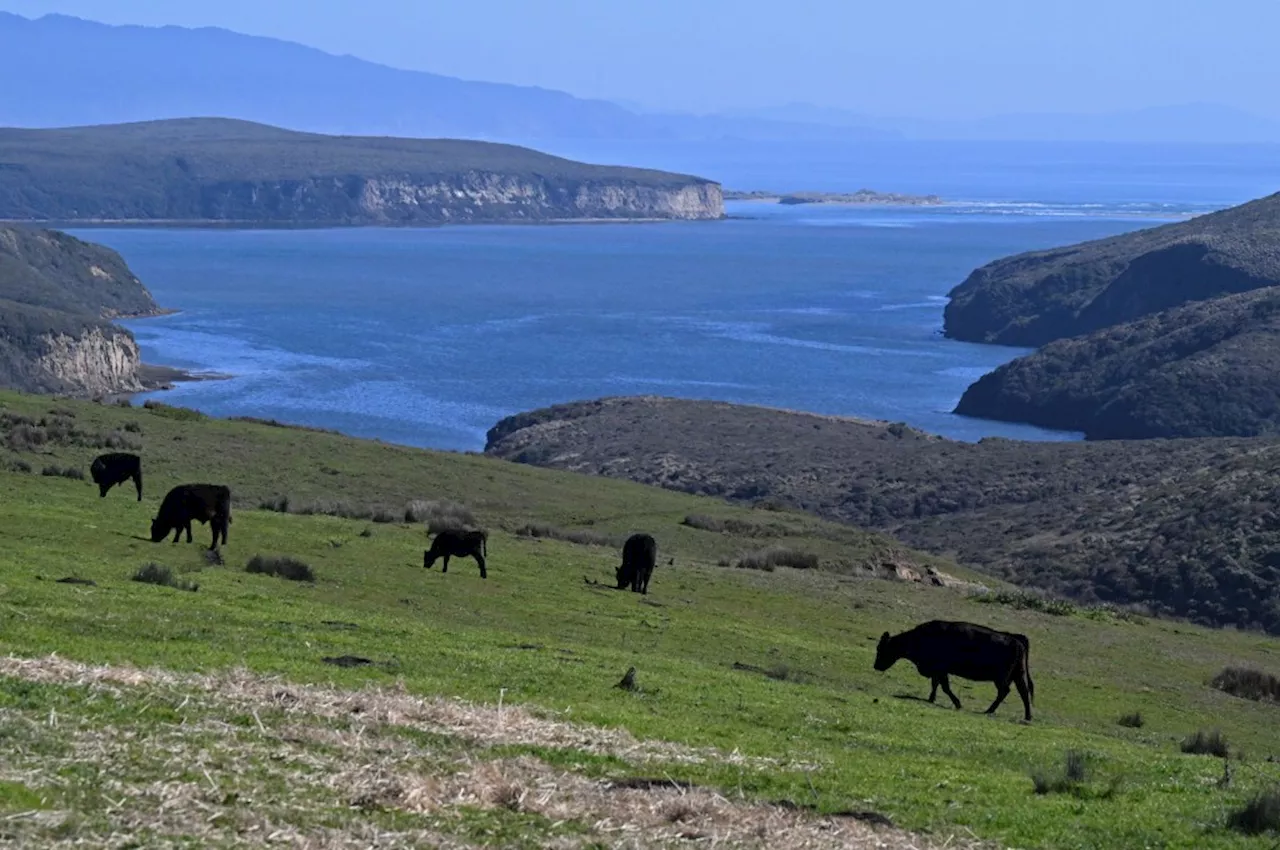 In historic deal, Point Reyes ranchers, National Park Service and environmentalists reach agreement on disputed landPoint Reyes ranchers will soon surrender their leases to settle a contentious land-use dispute, ending an agricultural era.
Read more »
 Point Reyes National Seashore Reverses Course, Prioritizes Tule Elk Over RanchingThe National Park Service agrees to modify its land management plan at Point Reyes National Seashore to benefit tule elk, ending a long-standing dispute with environmental advocates.
Read more »