
Researchers have synthesized a bio-inspired polymer for water purification. The polymer was designed to mimic phytochelatin, a plant protein that selectively captures and neutralizes harmful heavy metal ions.
Researchers have synthesized a bio-inspired polymer for water purification. The polymer was designed to mimic phytochelatin, a plant protein that selectively captures and neutralizes harmful heavy metal ions.
The hyperconfinement of the polymer enabled a flow-through system and effectively removed cadmium ions from contaminated water, making it safe to drink. The system was selective for heavy metals and provides a new way to remove specific contaminants from water. Clean drinking water is a basic demand for our health and wellbeing. However, as the global population grows, achieving this for all communities worldwide becomes more challenging., researchers from the HeKKSaGOn Alliance -- involved were scientists from Kyoto University, Osaka University and Heidelberg University -- have taken inspiration from a protein found in plants, creating a new way to remove harmful heavy-metal ions from water. Although current water-purification methods are effective for the large volumes of water involved, they are generally not specific for heavy-metal ions. This means that they also remove ions that are not harmful, making these methods less efficient. Phytochelatin, a highly conserved protein in plants, doesn't have this problem. Phytochelatin specifically binds to heavy-metal ions and then moves them to the cellular compartment where they are unable to cause harm. The researchers wanted to know how phytochelatin achieves this. The team looked at the basic building blocks of phytochelatin to determine how it singles out and binds to certain ions, in this case, cadmium."We identified two groups -- carboxylate and thiolate -- and synthesized a polymer containing these groups," explains lead author Masaki Nakahata from Osaka University. By attaching the polymer to silica beads and cellulose membranes the team was able to concentrate them into an ultra-small volume. The researchers then flowed contaminated water past the polymer, which removed cadmium ions from the sample very effectively, achieving an approved drinking level in one hour. Having both carboxylate and thiolate groups present in the polymer structure was shown to be key to its success. Confining it to an ultra-small volume and creating a flow-through system dramatically pushed up the loading capacity of the polymer. The system had high specificity for cadmium ions compared with metal ions essential to health, such as magnesium and calcium. This polymer can also show a comparably high affinity to mercury ions, indicating that it could be effective in removing other heavy metals. "It is no surprise to us that plants gained such a highly sophisticated machinery during the evolution, because biology doesn't make nonsense," says Motomu Tanaka, senior author and a scientist at both Heidelberg University and Kyoto University."However, we were excited to see that our plant-inspired polymer manages to even surpass what plant proteins can do." The research team's achievement, synthesizing a polymer inspired by a plant protein to capture cadmium ions, is promising because the polymer is specific to toxic heavy-metal ions and works with a flow-through approach. These features are expected to improve the efficiency of water treatment -- a win for clean water.Masaki Nakahata, Ai Sumiya, Yuka Ikemoto, Takashi Nakamura, Anastasia Dudin, Julius Schwieger, Akihisa Yamamoto, Shinji Sakai, Stefan Kaufmann, Motomu Tanaka.Engineers have developed a new sponge that can remove metals -- including toxic heavy metals like lead and critical metals like cobalt -- from contaminated water, leaving safe, drinkable water ... Heavy metals like zinc -- which are present in industrial effluents when they are released into water bodies -- can accumulate in fishes, causing toxicity. Korean scientists studied the changes in ... Removing salt is only one step in creating clean water from ocean or brackish water. Toxic compounds, from metals to human-made carcinogens, must be removed by subsequent processing. Chemists have ... A team of scientists has designed a new material -- called ZIOS -- that targets and traps copper ions from wastewater with unprecedented precision and speed. The ...How Researchers Turn Bacteria Into Cellulose-Producing Mini-Factories
Inorganic Chemistry Materials Science Chemistry Water Atmosphere Drought Research Recycling And Waste
United States Latest News, United States Headlines
Similar News:You can also read news stories similar to this one that we have collected from other news sources.
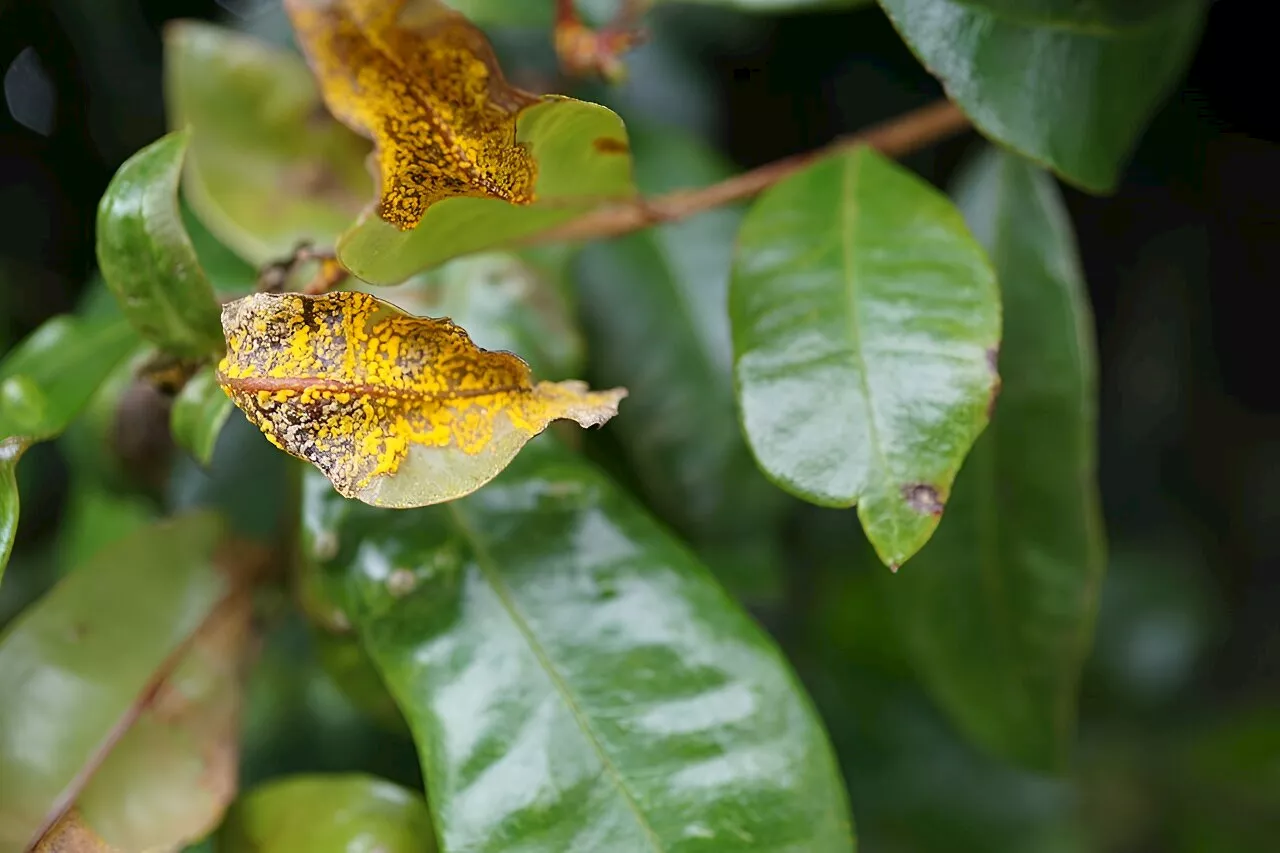 Researchers reveal how myrtle rust pathogen breaks into a host plantA recent study looking at the molecular foundation of myrtle rust reveals how the pathogen breaks into a host plant and how the host plant responds. This insight will inform the design of useful tools to prevent future break-ins and safeguard plant health.
Read more »
 Researchers pore through dusty records, modern databases to identify every creature and plant in MinnesotaSome of the records are in journals filed away in cabinets of small universities around the state. Some are in the hand-scribbled notes that priests and nuns used a century ago to teach about Minnesota's plants. Others are in the meticulously kept collections, computers and notebooks of professors, bird watchers and botanists.
Read more »
 Researchers spot potential hazard with private well water treatmentSystems designed to treat arsenic in private well water may be malfunctioning and endangering the health of people who count on them to keep their water safe, according to Rutgers researchers.
Read more »
 Researchers discover site of 1893 schooner wreck in Lake Michigan in just 50 feet of waterThe November 1975 shipwreck of the Edmund Fitzgerald is probably the most famous one of the Great Lakes, thanks to Gordon Lightfoot's hit ballad. But a new discovery is putting another ship - the Margaret A. Muir - on the map.
Read more »
 Researchers testing autonomous aircraft, water 'boba balls' to slow spread of CA wildfiresAlthough nobody moves at the speed of a wildfire, a Bay Area startup is working on a way to potentially knock out the flames before they have a chance to accelerate.
Read more »
 Plant biologists discover an ancient gene family is responsible for plant prickles across speciesAccording to Greek mythology, red roses first appeared when Aphrodite pricked her foot on a thorn, spilling blood on a white rose. Since then, roses' thorns have captured the imaginations of countless poets and forlorn lovers.
Read more »