
Pharmaceutical benefit managers (PBMs) are facing increasing scrutiny for accusations of driving independent pharmacies out of business and inflating drug prices. The debate centers around their role as intermediaries between drugmakers, insurers, and pharmacies, with critics arguing that their practices are anticompetitive and detrimental to consumers.
Pharmaceutical benefit managers (PBMs) are facing increasing scrutiny and accusations of anticompetitive practices that are driving independent pharmacies out of business. PBMs act as intermediaries between drugmakers, insurance companies, and pharmacies, negotiating drug prices and managing prescription drug formularies.
Critics argue that the three dominant PBMs – CVS Caremark, OptumRx, and Express Scripts – have become monopolistic entities, prioritizing profit over consumer welfare and fair competition. They point to practices like spread pricing, where PBMs charge insurers higher prices for medications than they reimburse pharmacies, keeping the difference as profit. PBMs are also accused of steering patients toward their own pharmacies and promoting costly brand-name drugs to maximize rebates from drugmakers. These practices, critics contend, leave independent pharmacies with little room to negotiate, forcing them to close and contributing to a growing number of “pharmacy deserts” where consumers have limited access to medications.The Federal Trade Commission (FTC) has launched a three-year investigation into PBMs, releasing reports that highlight their anticompetitive practices, including a $7.3 billion revenue gain from 2017 to 2022 through price markups. The FTC also filed a lawsuit against PBMs last September, alleging their “unfair” rebating practices artificially inflated the price of insulin. Meanwhile, independent pharmacies across the country are organizing protests and urging state lawmakers to implement PBM reforms. States like Massachusetts and Arkansas have taken steps to regulate PBMs, prohibiting certain payments and imposing fees for inadequate reimbursement practices. PBMs, on the other hand, argue that they play a crucial role in saving patients money by negotiating lower drug prices and increasing access to medications. They claim that critics cherry-pick cases and ignore the vast amounts of data demonstrating their value to the healthcare system. CVS Caremark, for example, highlights its high client and member satisfaction rates, as well as the significant savings it delivers to consumers. They also point the finger at “Big Pharma,” accusing pharmaceutical companies of profiting from a weakened PBM system and driving up drug prices.The debate surrounding PBMs is complex and multifaceted, with valid arguments on both sides. Whether PBMs are ultimately viewed as necessary cost-containment tools or as predatory entities driving up drug prices and stifling competition remains to be seen. However, the growing pressure from independent pharmacies, consumer advocates, and regulatory bodies suggests that significant changes to the PBM landscape are on the horizon
Pharmaceutical Benefit Managers Pbms Anticompetitive Practices Independent Pharmacies Drug Prices Healthcare Regulation
United States Latest News, United States Headlines
Similar News:You can also read news stories similar to this one that we have collected from other news sources.
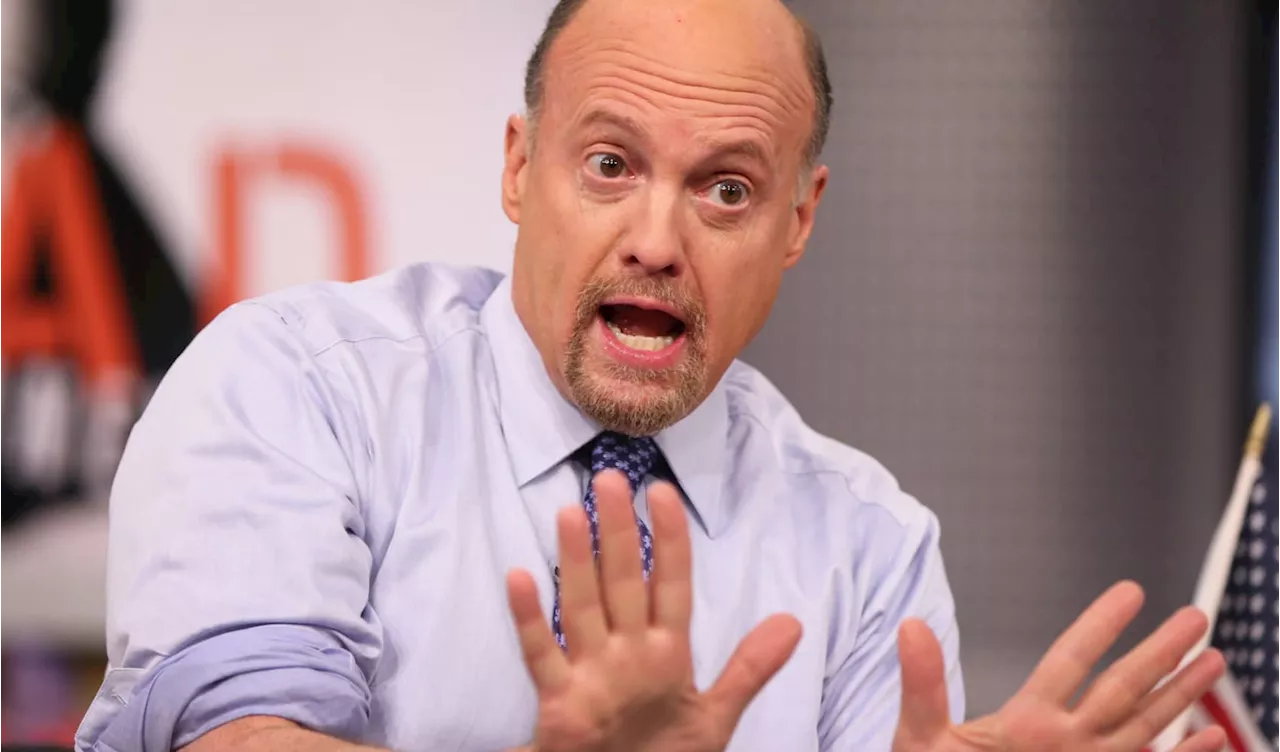 Cramer: Invest in Pharmaceutical Stocks for Long-Term GrowthCNBC's Jim Cramer encourages investors to look beyond the current market dip in healthcare and focus on the promising long-term growth potential of pharmaceutical companies. He highlights specific companies like Eli Lilly and Merck, emphasizing their innovative products and research pipelines.
Read more »
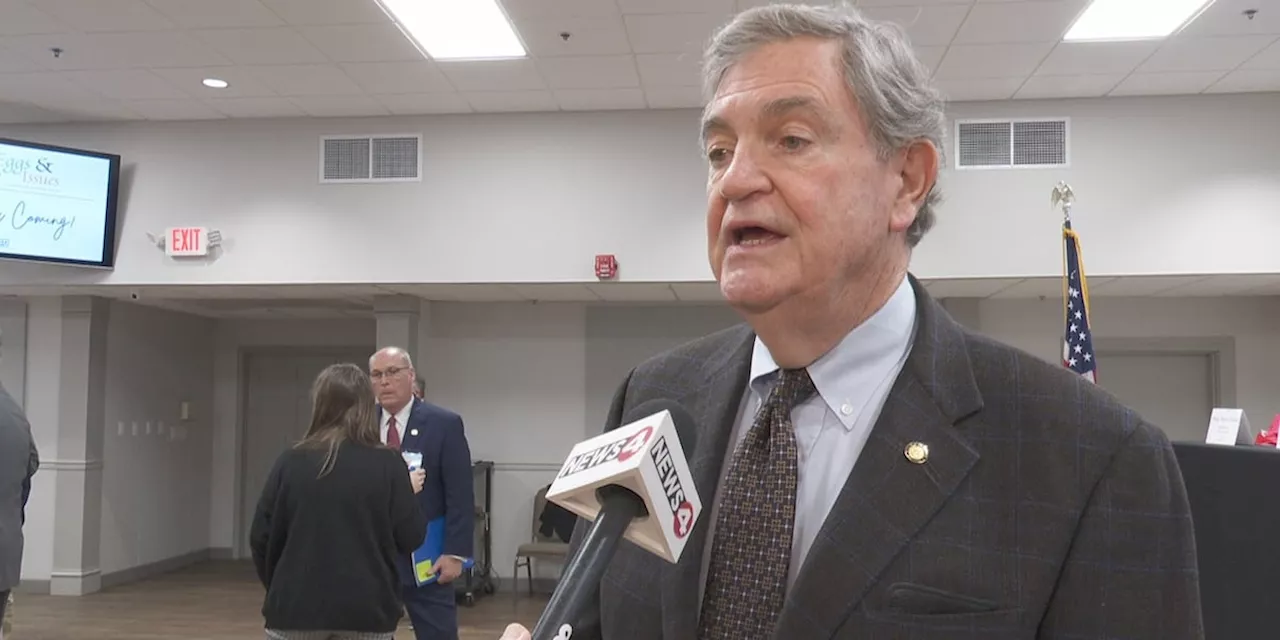 Alabama Lawmaker Wants to Regulate Pharmacy Benefit ManagersRep. Billy Beasley of Alabama believes Pharmacy Benefit Managers (PBMs) are too powerful and exploit the system by paying pharmacies less than the cost to dispense certain drugs. He aims to introduce legislation during the 2025 session to regulate PBMs and address their pricing practices, which he says are driving pharmacies out of business.
Read more »
 Pharmaceutical Companies Hope for More Pro-Business Policies Under TrumpPharmaceutical companies are cautiously optimistic about the potential for more favorable policies under a Trump administration, anticipating a shift away from Biden's stricter stance on the industry. Drugmakers are hopeful for initiatives that target pharmacy benefit managers (PBMs) while emphasizing drug innovation and patient access to treatments. They particularly seek changes to the Inflation Reduction Act provision allowing Medicare to negotiate drug prices. Trump's approach, though not yet fully defined, is expected to be more business-friendly, potentially easing pressure on pharmaceutical pricing and promoting industry growth.
Read more »
 Congress Can't Wait—Reform Pharmacy Benefit Managers and Deliver Lower-Cost Drugs for PatientsCongress must build on the reforms drafted in 2024 that require PBM transparency.
Read more »
 L.A. wildfire survivors struggling with FEMA applications could benefit from disaster case managersOf the 118,000 FEMA applications made following the L.
Read more »
 Tech Giants Rethink DEI Goals, Ford Faces 2025 Challenges, and Pharmaceutical Industry Reports Mixed ResultsThis news piece covers three distinct but interconnected developments in the business world. Firstly, it highlights Google's decision to abandon its diversity, equity, and inclusion goals, reflecting a broader trend among tech companies. Secondly, it delves into Ford Motor Company's cautious outlook for 2025, anticipating market headwinds. Finally, it examines contrasting performances within the pharmaceutical industry, with Eli Lilly exceeding expectations while Bristol Myers Squibb falls short.
Read more »