
Neuroscientists at Washington University in St. Louis develop a groundbreaking method to create personalized brain models based on non-invasive brain scans, offering insights into individual neural dynamics and paving the way for advancements in neuroscience and personalized medicine.
The human brain, with its 86 billion neurons and over 100 trillion connections, is a marvel of complexity. It enables abstract thinking, language acquisition, advanced reasoning and problem-solving, and the capacity for creativity and social interaction. Understanding how variations in brain signaling and dynamics produce unique cognition and behavior in individuals has long been a goal of neuroscience research. However, many phenomena remain unexplained.
A new study from neuroscientists and engineers at Washington University in St. Louis addresses this knowledge gap by introducing a novel method to create personalized brain models. These models offer valuable insights into individual neural dynamics. Led by ShiNung Ching, associate professor in the Preston M. Green Department of Electrical & Systems Engineering, and Todd Braver, professor in the Department of Psychological & Brain Sciences, the research, published January 17th, presents a framework that allows researchers to construct individualized brain models based on detailed data from noninvasive, high-temporal resolution brain scans. This technique holds significant promise for both research and clinical settings. Personalized brain models could support advances in neuroscience and contribute to the development of more effective treatments for neurological conditions. A key advantage of this method is its ability to identify individual variations in the generation of alpha and beta waves and link them to global changes in the brain. Alpha waves are associated with relaxed states, such as meditation, while beta waves are linked to alert and active states, such as decision-making and problem-solving. The study reveals a correlation between differences in alpha- and beta-frequency oscillations and brain-wide variation in the balance between excitatory and inhibitory neurons. The researchers validated their personalized models by demonstrating their ability to reproduce global individual alpha and beta patterns and accurately forecast future brain-wide activity, confirming the explanatory power of their framework. This innovative approach has the potential to unlock new insights into the mechanisms underlying individual brain dynamics based on noninvasive measurements of brain activity. It could pave the way for personalized medical interventions and novel strategies for enhancing cognitive functioning, such as through neurostimulation
NEUROSCIENCE BRAIN MODELS PERSONALIZED MEDICINE BRAIN DYNAMICS NEURONS INHIBITORY NEURONS EXCITATORY NEURONS ALPHA WAVES BETA WAVES
United States Latest News, United States Headlines
Similar News:You can also read news stories similar to this one that we have collected from other news sources.
 Hurts and Barkley Gift Eagles' Offensive Line Personalized Golf CartsJalen Hurts and Saquon Barkley, stars of the Philadelphia Eagles, gave a unique holiday gift to their offensive line: personalized golf carts.
Read more »
 Unlocking shared value for our global energy transition: 3 proven models for LSM-ASM collaborationNo 1 source of global mining news and opinion
Read more »
 Unlocking new insights into in-plane magnetic field-induced hall effectsIn-plane magnetic fields are responsible for inducing anomalous Hall effect in certain films, report researchers. By studying how these fields change electronic structures, the team discovered a large in-plane anomalous Hall effect.
Read more »
 Brain Age Gap Linked to Health and Lifestyle FactorsA Swedish study suggests that the difference between a person's predicted brain age and their actual age (brain age gap) can be a valuable indicator of brain health. Researchers found that an older-looking brain was associated with higher inflammation, glucose levels, and cerebrovascular disease risk. Lifestyle factors like physical activity, stroke history, and diabetes also played a role.
Read more »
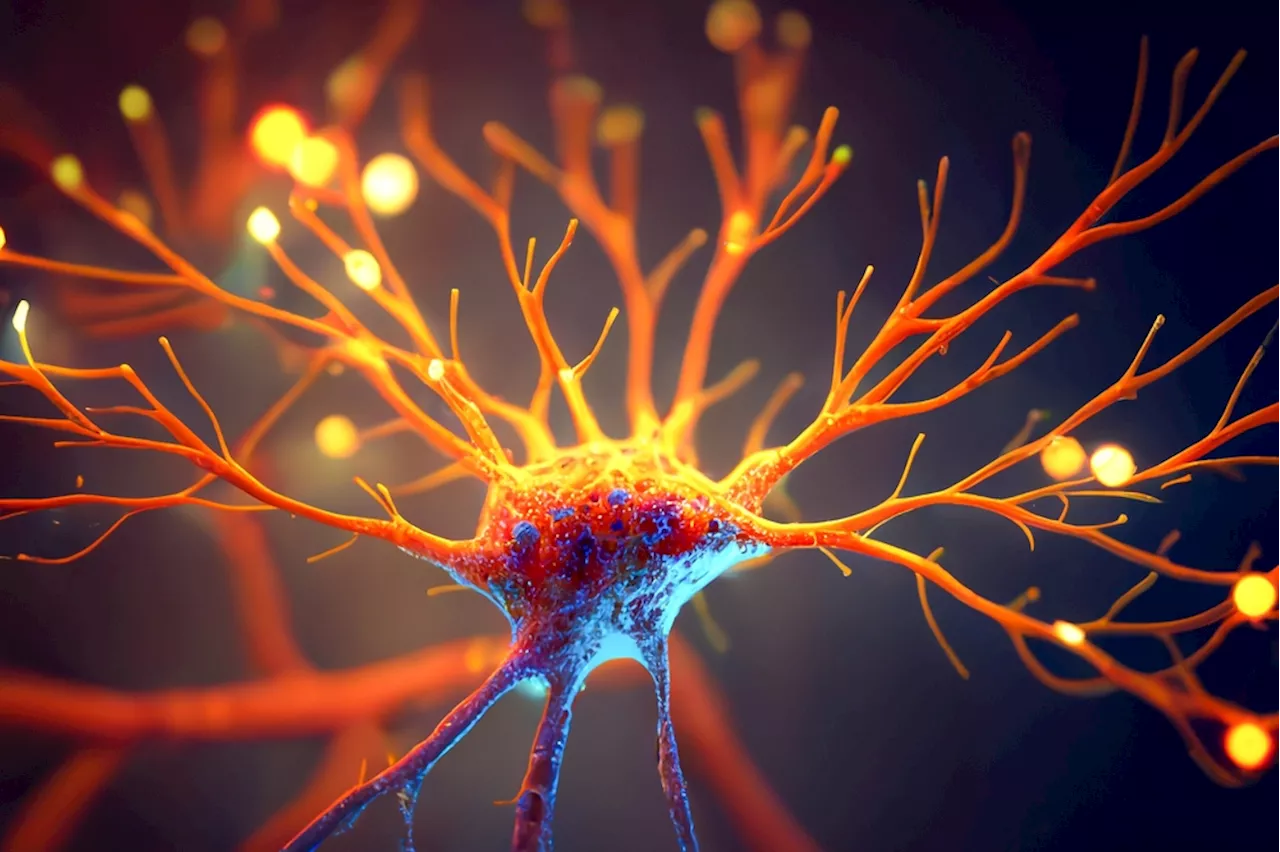 Unlocking the Secrets of Neurogenesis: Can We Rejuvenate the Aging Brain?This article delves into the fascinating world of neurogenesis, the generation of new neurons in the adult brain. It explores the historical context, scientific evidence, and potential implications for treating neurodegenerative diseases and promoting brain health.
Read more »
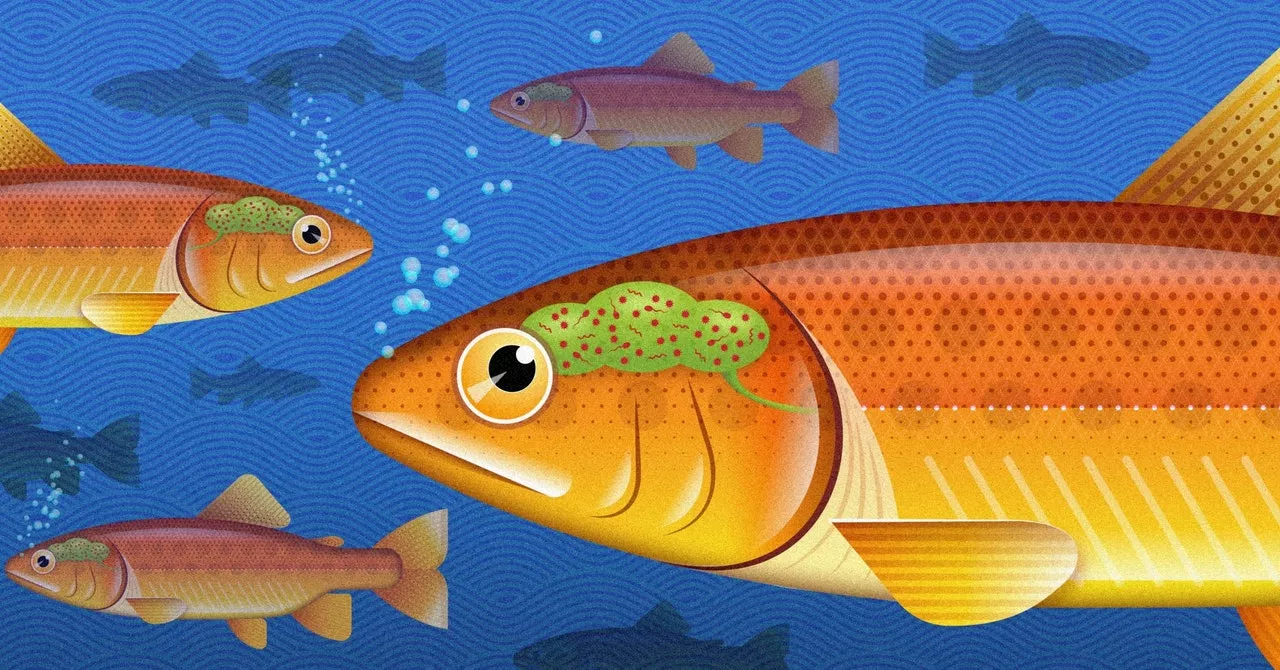 Bacteria Found Thriving in Fish Brains, Raising Questions About Human MicrobiomeRecent research has provided compelling evidence that bacteria can exist in the brains of healthy vertebrates, specifically fish. This challenges the long-held belief that the brain is protected from outside microbial invasion by the blood-brain barrier. The study, published in Science Advances, found diverse communities of bacteria in the brains of salmon and trout, with some species showing adaptations to survive in brain tissue and cross the blood-brain barrier. While fish physiology differs from humans, this discovery raises intriguing possibilities about the existence of a human brain microbiome and its potential impact on neurobiology.
Read more »