
U.S. officials are warning about a potentially life-threatening issue with smartphone apps that help manage diabetes.
How a photographer from Jacksonville built a lasting legacy by capturing key moments in the Civil Rights Movement Read full article: How a photographer from Jacksonville built a lasting legacy by capturing key moments in the Civil Rights MovementMan believed to be responsible for at least 8 church break-ins in Northwest Jacksonville arrested Read full article: Man believed to be responsible for at least 8 church break-ins in Northwest Jacksonville arrested FILE - Florida Gov.
Ron DeSantis speaks during a news conference Sept. 16, 2024, in Orlando, Fla. Gov. DeSantis says GEICO, Progressive among auto insurance companies to decrease rates statewideGet ready for some fabulous Insider Deals that will help you enjoy a cozy night's sleep and some that will elevate your style and beauty game.Freshen your space with this NASA-inspired odor eliminator — no filters neededFILE - A U.S. Food and Drug Administration building is seen behind FDA logos at a bus stop on the agency's campus in Silver Spring, Md., on Aug. 2, 2018. – Patients who use smartphone apps to manage their diabetes could face serious health problems if they miss notifications needed to control their blood sugar, U.S. health officials warned.of users missing or not hearing important medical alerts from their phones, leading to cases of dangerously low blood sugar and even death.The agency's warning applies to a growing field of wearable devices that track patients’ sugar levels or automatically deliver insulin, the hormone that helps manage glucose in the blood and break it down into energy. These days, many devices are programmed through apps on patients’ phones. But the FDA warns that certain phone settings, such as pausing notifications, may cause patients to miss critical updates. In other cases, connecting the phone to a new audio source, such as a car stereo, could change the volume of the alerts users are accustomed to hearing. “Even if configured correctly, certain hardware or software changes can interrupt the expected operation of these critical devices, which can lead to patient harm if undetected,” said Courtney Lias, a division director in the FDA's device center, in a release. Roughly 37 million Americans have diabetes. People with the disease either don’t make enough insulin or they have become resistant to it. Continuous glucose monitors are small devices that use a sensor under the skin to measure blood sugar, sending regular readings to a smartphone or smartwatch. Automated insulin pumps deliver the hormone through a catheter attached to the abdomen and can be programmed to deliver extra insulin before meals.— Turn off automatic updates on your smartphone until you’ve confirmed the new operating system is compatible with your diabetes app. — After connecting your smartphone to a new accessory, such as Bluetooth headphones, confirm that app alerts are still being delivered and can be heard clearly.FDA regulates only some health app features Since the introduction of iPhone and Android devices, thousands of apps have launched claiming to help users manage their health, from calorie counters to mental health apps. The FDA doesn’t regulate the vast majority of them because they don’t pose much risk to consumers if they malfunction, according to regulators. The agency mostly enforces safety requirements on apps that turn smartphones into the equivalent of devices, for example, by monitoring heart rhythms or other critical medical readings. The FDA said Wednesday it is talking to “manufacturers to ensure that smartphone alert configurations of their devices are carefully evaluated prior to use by patients.”The Associated Press Health and Science Department receives support from the Howard Hughes Medical Institute’s Science and Educational Media Group and the Robert Wood Johnson Foundation. The AP is solely responsible for all content. Copyright 2025 The Associated Press. All rights reserved. This material may not be published, broadcast, rewritten or redistributed without permission.Get ready for some fabulous Insider Deals that will help you enjoy a cozy night's sleep and some that will elevate your style and beauty game.Freshen your space with this NASA-inspired odor eliminator — no filters needed
United States Latest News, United States Headlines
Similar News:You can also read news stories similar to this one that we have collected from other news sources.
 Success in Osteoporosis Research Can Lead to Underrecruitment ChallengesA research team in Australia encountered a surprising problem: their successful tracking of osteoporosis patients through medical records actually hindered their ability to recruit participants for a clinical trial. The team, led by Christopher White, PhD, had developed a comprehensive database of over 30,000 patients with osteoporosis and their fracture risks. However, they underestimated the severity of vertebral fractures in some patients, leading to underrecruitment. This experience prompted White to collaborate with other centers facing similar challenges, leveraging AI and AES coding to identify patients at risk for osteoporotic fractures more effectively.
Read more »
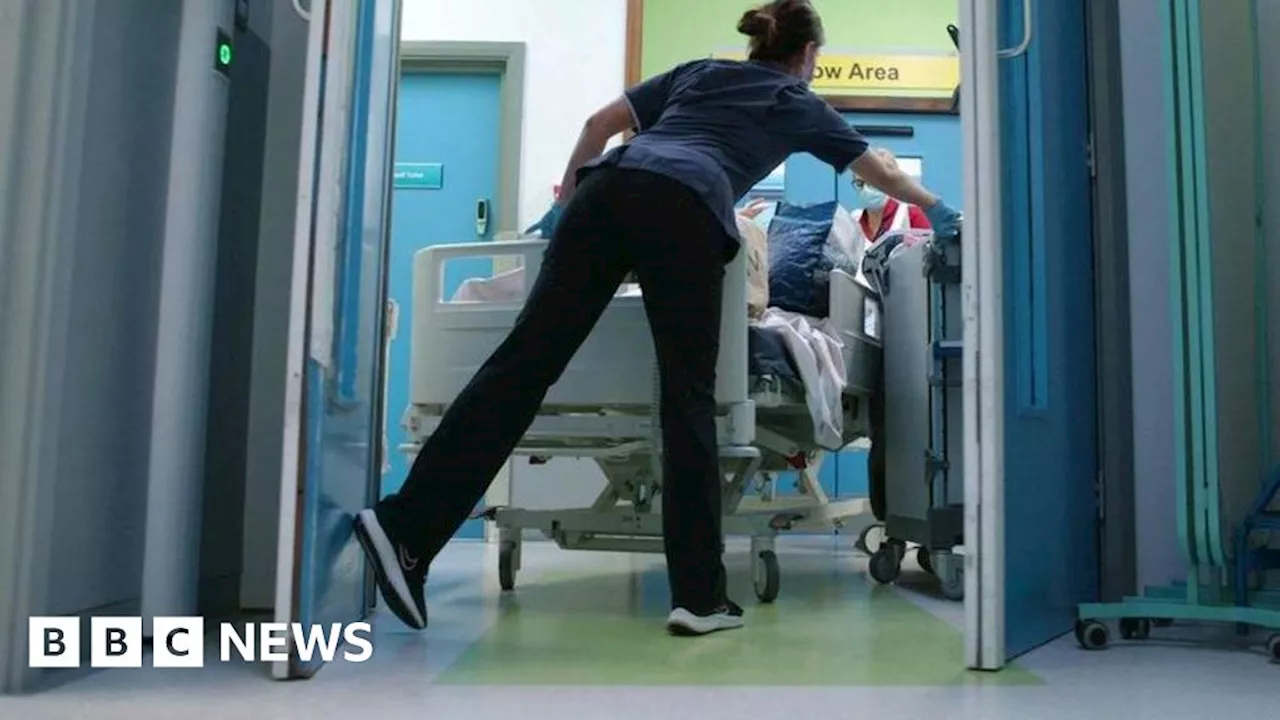 Corridor Care: Hospitals Overflowing as Patients Face Dilapidated ConditionsHospitals across the UK are overwhelmed, leading to patients being treated in corridors, bathrooms, and even car parks. The Royal College of Nursing (RCN) reports heartbreaking stories of patients dying in these makeshift areas, pregnant women miscarrying in side rooms, and elderly patients left in soiled clothing for days. Nurses warn that the lack of space and resources is putting patients at risk, hindering their ability to provide proper care and access essential equipment like oxygen and heart monitors.
Read more »
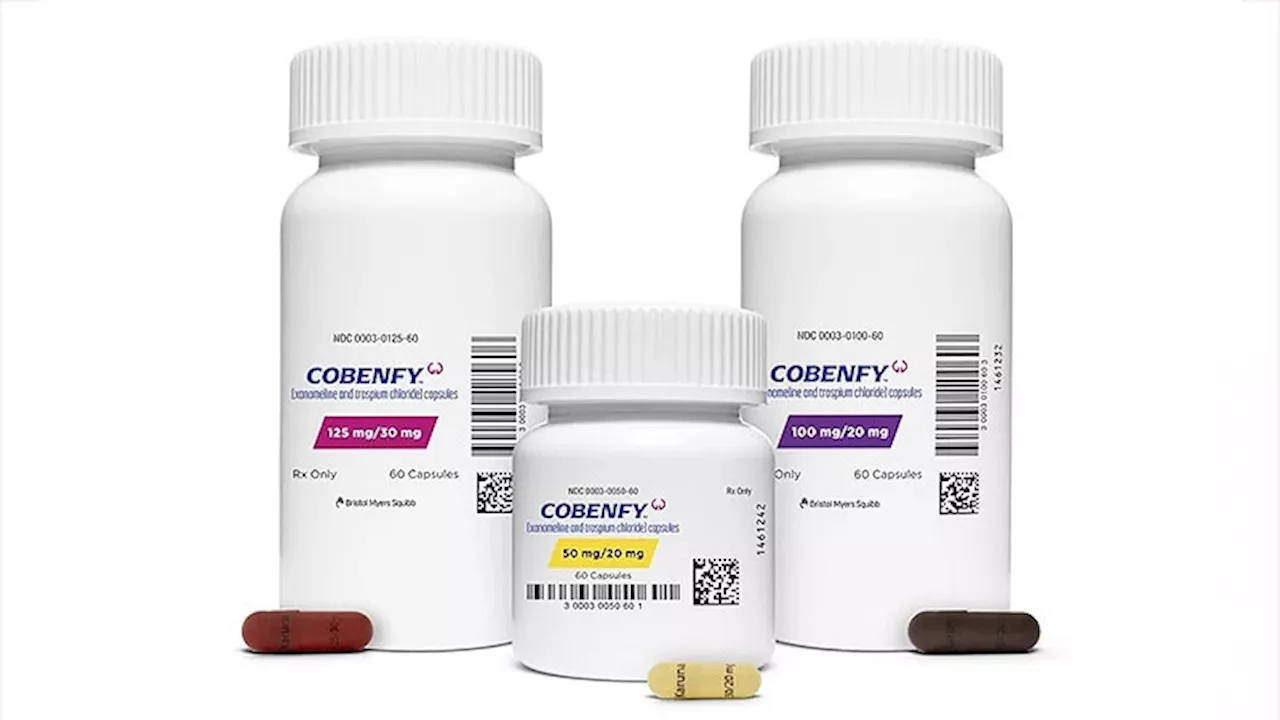 Xanomeline/Trospium Shows Cognitive Improvement in Schizophrenia PatientsA new study found that xanomeline/trospium chloride, a novel M1/M4 muscarinic receptor agonist, significantly improved cognitive function in patients with acute schizophrenia and cognitive impairment. The analysis combined data from two 5-week inpatient phase 3 trials involving 357 adult patients. Patients receiving xanomeline/trospium showed the largest improvement in verbal recognition memory, with additional benefits observed for sustained attention and executive functioning. The treatment effect was most pronounced in patients with more severe baseline cognitive impairment.
Read more »
 Patients Before Monopolies Act: A Game Changer for Patients, Pharmacists, and Prices?The act would prohibit pharmacy benefit managers and pharmacies from being under common ownership, potentially creating a more equitable and competitive healthcare landscape.
Read more »
 Lawsuit accuses gynecologist at California women's prison of abusing patients for yearsA lawsuit filed this week alleges that the only full-time gynecologist at the California Institution for Women in Chino subjected women to abusive procedures and unwanted exams, with other medical staff and prison officials accused of failing to take action despite red flags.
Read more »
 FDA Warns Patients Using Diabetes Apps: Don't Miss Critical AlertsThe Food and Drug Administration (FDA) has issued a warning to patients using smartphone apps to manage their diabetes, urging them to be vigilant about receiving critical alerts. The warning comes after reports of users missing or not hearing crucial notifications, potentially leading to dangerous drops in blood sugar levels and, in some cases, even death. The FDA's concern extends to the growing field of wearable devices that track blood sugar or automatically deliver insulin. Many of these devices rely on smartphone apps for programming and alert delivery, but certain phone settings and connections can disrupt these notifications.
Read more »