
Researchers have created flat lenses called Fresnel zone plates (FZPs) using standard semiconductor manufacturing equipment for the first time. These lenses, while currently less efficient than traditional ones, have the potential to revolutionize optics in various fields.
Paper-thin optical lenses simple enough to mass produce like microchips could enable a new generation of compact optical devices. Researchers have fabricated and tested flat lenses called Fresnel zone plates , but did so for the first time using only common semiconductor manufacturing equipment, the i-line stepper, for the first time.
These flat lenses currently lack the efficiency of in-production lenses, but have the potential to reshape optics for industries ranging from astronomy to health care and consumer electronics. Paper-thin optical lenses simple enough to mass produce like microchips could enable a new generation of compact optical devices. A team with researchers at the University of Tokyo and JSR Corp. fabricated and tested flat lenses called Fresnel zone plates , but did so for the first time using only common semiconductor manufacturing equipment, the i-line stepper, for the first time. These flat lenses currently lack the efficiency of in-production lenses, but have the potential to reshape optics for industries ranging from astronomy to health care and consumer electronics. Flat lenses, such as metalenses, exist, but they come with hefty price tags and a high degree of complexity, and only a small number of devices are available. In the race to increase the quality, performance and efficiency of devices whilst reducing costs, manufacturers, through the work of academic researchers, seek alternatives. FZPs have become a good candidate to improve optical devices where space is critical. And for the first time, researchers crafted sample lenses with just a few straightforward steps using industry standard machinery. "We developed a simple and mass-producible method for FZPs using a common semiconductor lithography system, or stepper," said Associate Professor Kuniaki Konishi from the Institute for Photon Science and Technology."This is due to a special type of photoresist or mask called a color resist, which was originally designed for use as color filters. By simply coating, exposing and developing this material, we produced lenses capable of focusing visible light down to only 1.1 microns, around 100 times thinner than a human hair." The current drawback with the new FZPs is that they only have a light-gathering efficiency of 7%, meaning they produce excessively noisy images. But already the team is working on ways to increase this fourfold by changing the way they use the color resists. However, this would require a greater degree of control over the color resists' physical properties than was afforded the researchers at the time of this study, though the ability to do this does exist. "In addition to efficiently fabricating FZPs, we also devised simulations which are confirmed to match our experiments very tightly. What this means is, we could tailor designs to match specific applications in different fields, such as medicine, before committing to production," said Konishi."Furthermore, we envisage environmental and economic benefits too, as unlike traditional manufacturing methods, the FZP production process eliminates the need for toxic etching chemicals and significantly reduces energy consumption." So, it might be a while before FZPs help you capture moments in high visual fidelity with your ultrathin smartphone, but this, or technology inspired by it, will likely come along soon. Ryohei Yamada, Hiroyuki Kishida, Tomohiro Takami, Itti Rittaporn, Mizuho Matoba, Haruyuki Sakurai, Kuniaki Konishi.Lenses are used to bend and focus light. Normal lenses rely on their curved shape to achieve this effect, but physicists have made a flat lens of only three atoms thick which relies on quantum ... Photonics researchers have created a potentially disruptive technology for the ultraviolet optics market. Solid-state 'metalens' transform long-wave UV into focused 'vacuum UV,' a type of light used ... A new study could pave the way to revolutionary, transparent electronics for potential integration in glass, flexible displays and smart contact lenses -- bringing to life futuristic 'scifi-like' ... Smart contact lenses could soon become mainstream thanks to a new manufacturing process that has allowed researchers to develop a multifunctional ultra-thin sensor ...Revealing the 'True Colors' of a Single-Atom Layer of Metal Alloys
OPTICAL LENSES SEMICONDUCTOR MANUFACTURING FRESNEL ZONE PLATES CONSUMER ELECTRONICS Astronomy
United States Latest News, United States Headlines
Similar News:You can also read news stories similar to this one that we have collected from other news sources.
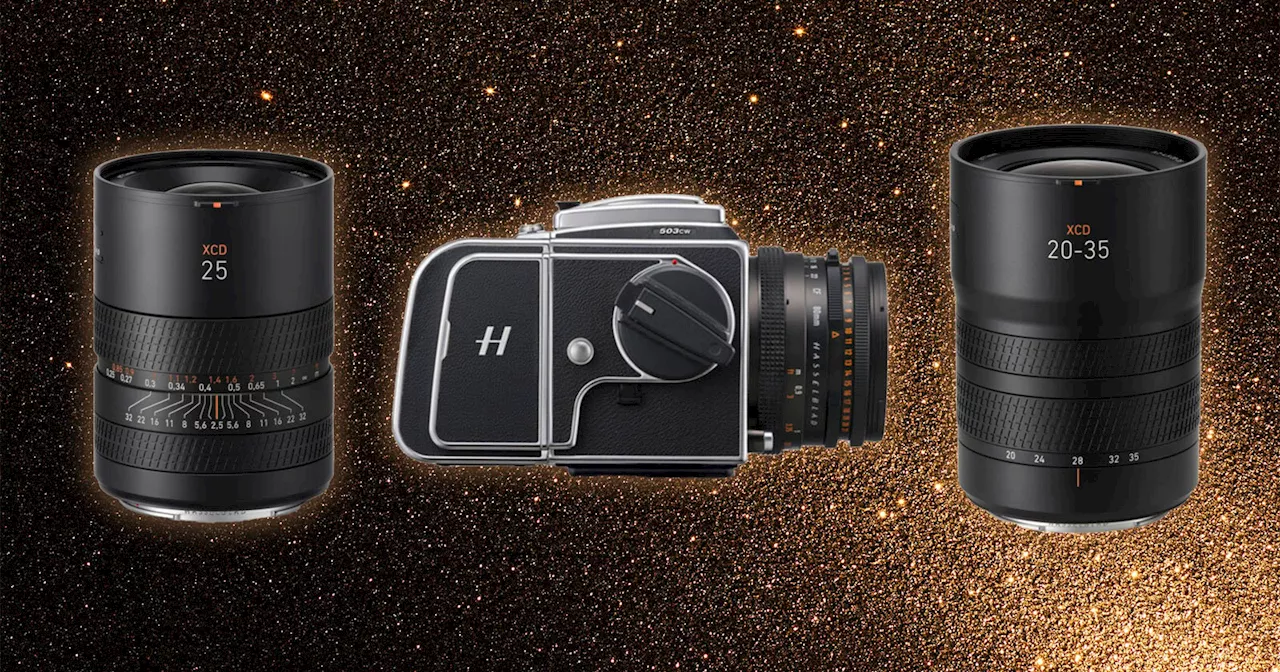 Hasselblad in 2024: A Fun New Camera and a Trio of Excellent LensesHasselblad had a relatively busy 2024. The legendary Swedish camera maker released one new camera and three new lenses.
Read more »
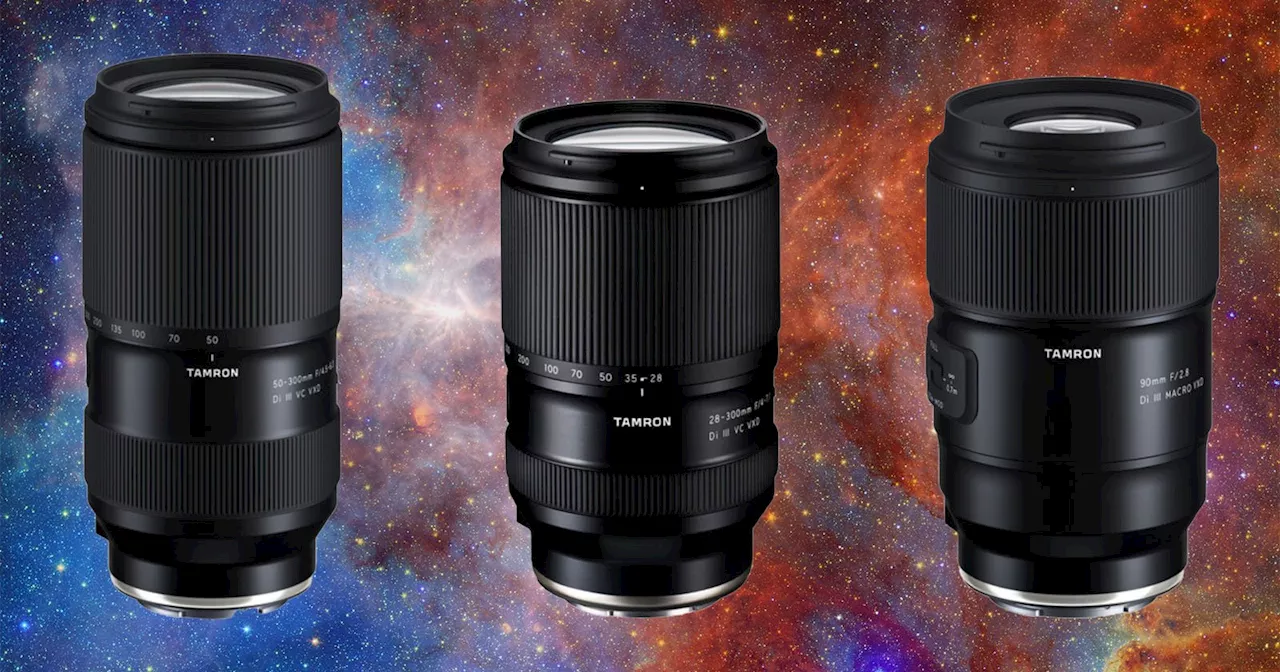 Tamron Releases Three New Lenses in 2024Tamron continues its tradition of releasing new lenses with three additions in 2024. The new lineup includes a versatile 50-300mm zoom, a compact 28-300mm all-in-one zoom, and a high-quality 90mm macro lens.
Read more »
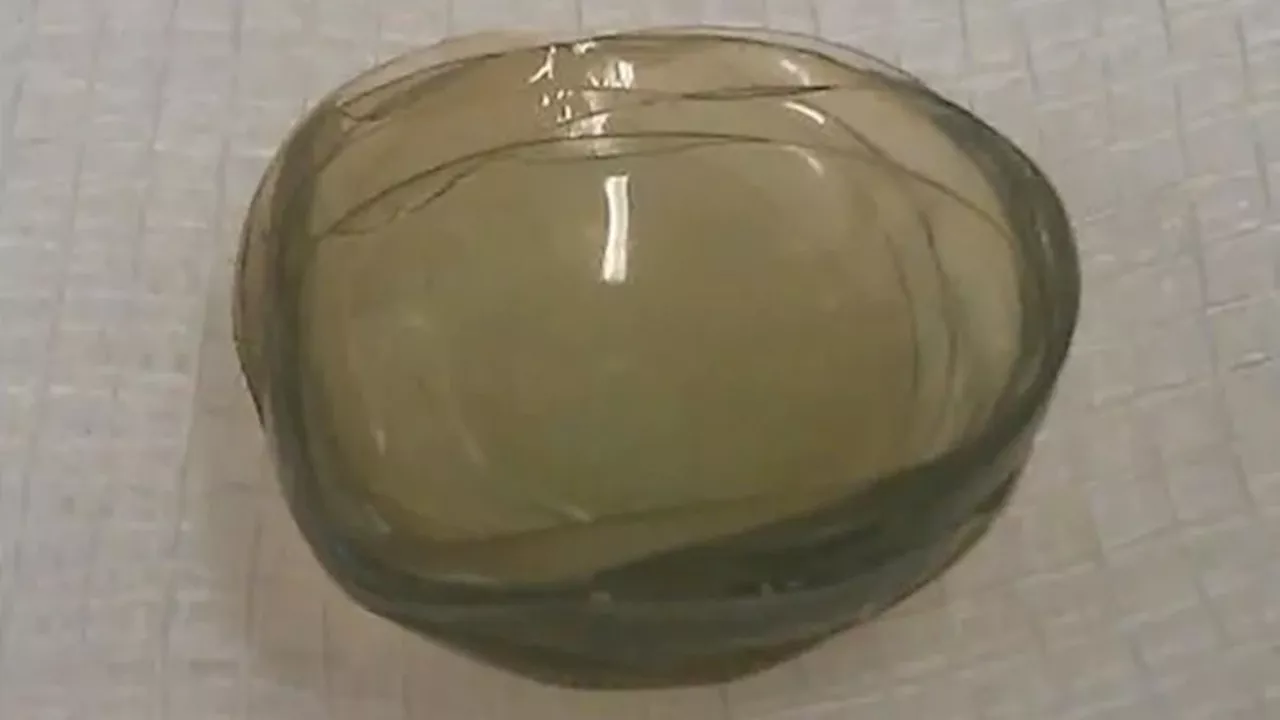 Woman's Eye Had 27 Contact Lenses Stuck InsideA 67-year-old woman in the U.K. was scheduled for routine cataract surgery when doctors discovered 27 disposable contact lenses stuck in her eye. The lenses, which had been accumulating for years, were found during anesthesia administration. Doctors treated the woman and postponed her surgery due to the potential for bacterial buildup and infection.
Read more »
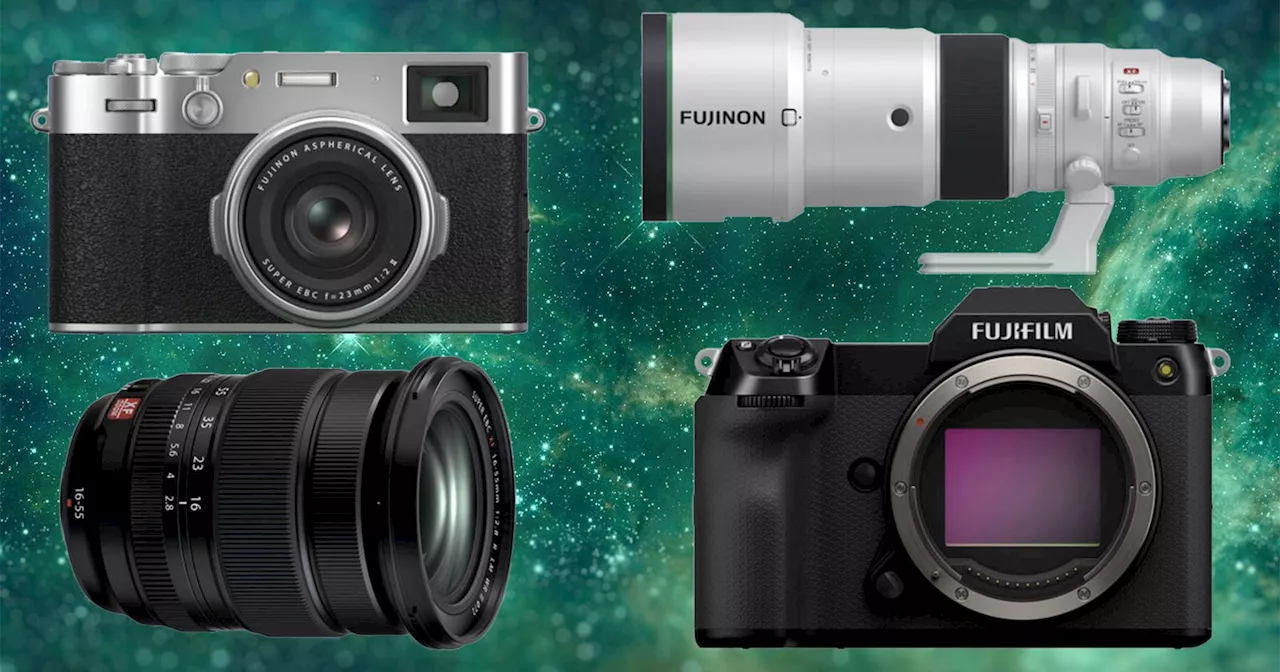 Fujifilm in 2024: 6 Cameras and 4 Lenses Propel Fujifilm to Superb YearFujifilm had an excellent 2024, releasing four new digital cameras, a pair of instant cameras, and four lenses.
Read more »
 Zoom Lenses Reign Supreme in 2024 Camera Lens PopularityA recent analysis of best-selling camera lenses reveals a clear preference for zoom lenses, both new and used. The Sony 24-70mm f/2.8 GM II and Nikon Z 24-120mm f/4 S stand out as popular choices.
Read more »
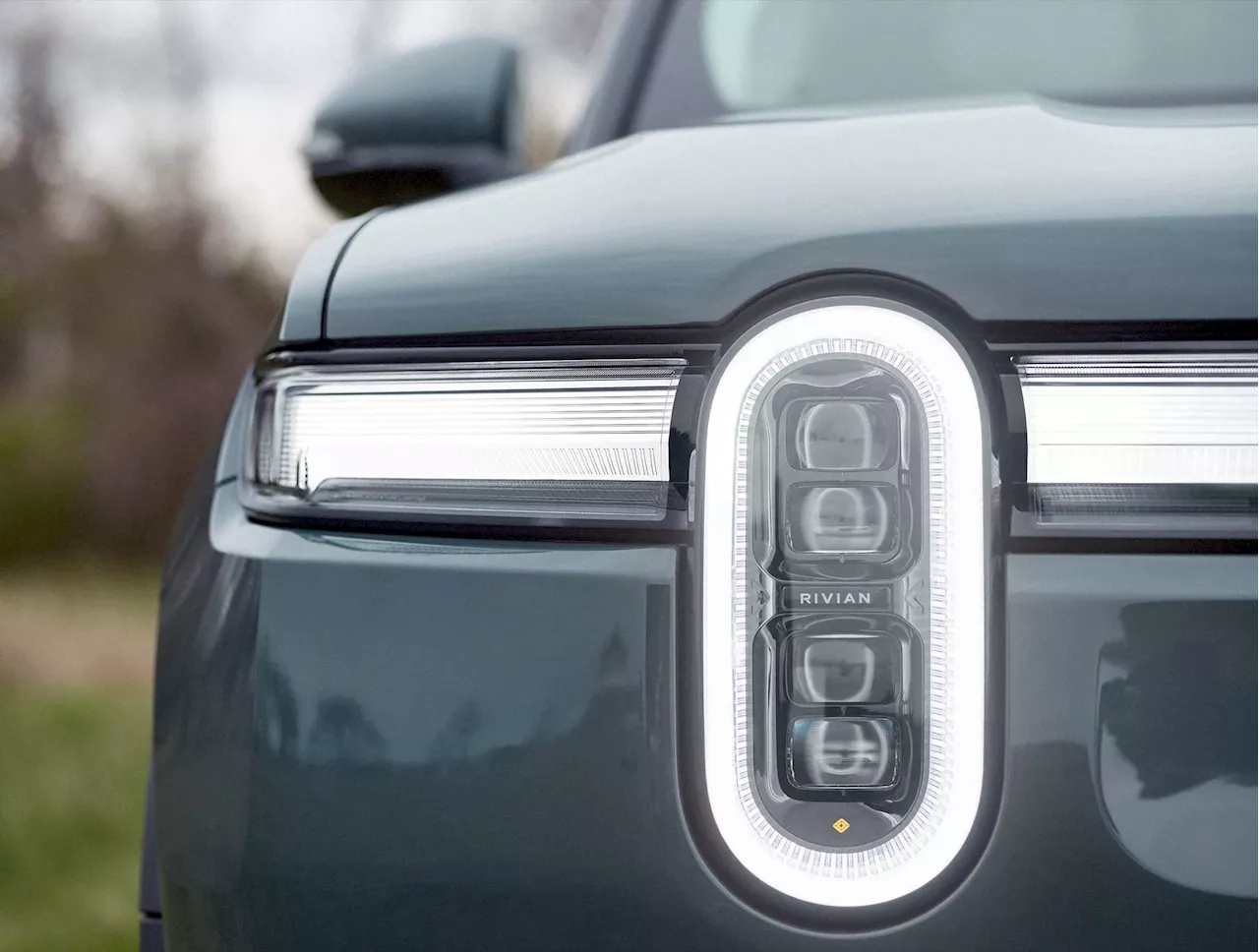 Rivian Patents Heated Headlight Lenses to Prevent Snow and Ice BuildupRivian has patented a design for headlights that incorporate carbon nanotubes and heating elements to melt snow, ice, or moisture buildup. This innovation addresses the issue of reduced visibility caused by accumulated elements on LED headlights, which don't generate as much heat as traditional HID or halogen lights.
Read more »