
View the San Francisco for Thursday, November 28, 2024
Workers at St. Anthony’s dining room in the Tenderloin serve meals Tuesday, just ahead of the Thanksgiving holiday. The St. Anthony Foundation continues to provide the basics for unhoused Tenderloin residents, even as the nonprofit explores further building up its services ahead of its 75th anniversary next year.
, and its free-clothing program, to name a few — and its expanding medical and behavioral-health care are all built upon the same foundation, said Dr. Larry Kwan, the organization’s CEO. “The common ground is that sense of love in whatever we do,” he said. “In the end, the outcome is a sense of, ‘I’m important enough to be loved.’”Dr. Larry Kwan, CEO of St. Anthony Foundation: “The common ground is that sense of love in whatever we do.” Spokesperson Sally Haims said the organization is preparing 4,000 pounds of turkey, 900 pounds of mashed potatoes, and 1,600 servings of challah for its annual Thanksgiving meal. On a daily basis, St. Anthony’s serves around 2,000 meals at its 121 Golden Gate Ave. dining room, serving breakfast from 7 a.m. to 8:30 a.m. and lunch from 10:30 a.m. to 1 p.m. Beryl Voss, 92, told The Examiner on a recent visit that she has volunteered and served breakfast at least twice a week for the last nine years. “The guests come first,” she said. “The guests are just absolutely wonderful. Knowing them, and knowing about them is just absolutely wonderful.”But her favorite part, she said, is getting to walk through the Tenderloin from her home in Nob Hill on her way to her shifts, and getting to greet people along the way. “They say hi to you,” she said, miming how she’ll smile and wave to passersby. “It’s a nice way to start the day.” Laura Flannigan, the chief operating officer of St. Anthony’s, said the chefs behind the operation take pride in their work, too. They recently started baking fresh bread daily, including focaccia and pastries. “Choice is always on the menu ... it’s not just a soup kitchen,” she said. “It really is somewhere where the chefs take a lot of pride in the culinary skills and the offerings that they produce over there.” Upstairs from the dining room is arguably The City’s most exclusive boutique: St. Anthony’s longstanding appointment-only free-clothing program, which started soon after the nonprofit’s 1950 inception and distributes clothes to unhoused residents of all ages and genders. St. Anthony Foundation Free Clothing Program serving the Tenderloin neighborhood in San Francisco on Tuesday, Nov. 26, 2024.“I think people know about Goodwill, Salvation Army because they’re national and they’re all over the place,” he said. “We’re just here. We’re a lot more reliant on word of mouth.” The program relies entirely upon donations, and largely from those of individuals. Merry said men’s clothing is most in demand, with “ up about 60% of our guests that we see here.” “The big difference is that we just give it straight to the people that need it,” Merry said of the donations. “I think when people learn that about us, they’re like, ‘That’s great, I’d just rather do that.’” St. Anthony Foundation Hygiene Hub serving the Tenderloin neighborhood in San Francisco on Tuesday, Nov. 26, 2024. St. Anthony’s efforts have grown as it has remained rooted in the heart of the Tenderloin. Its new Hygiene Hub, for instance, provides showers and laundry services by appointment. Walter Parenteau, a service lead, estimated that 55 people shower and about 40 do laundry on a daily basis.The hub opens at 7:30 every weekday morning, but people often begin signing up as early as 6 a.m. There is growing demand, too, for medical and behavioral health care, according to Kwan. Dr. Terry Osback, a psychiatrist, started at theOsback said the idea is to bring psychiatrists, spiritual-care leaders, specialists and even patients’ companions “into the clinic to support the primary-care providers in providing the best care for our patients on their health journey.” Dr. Terry Osback, Psychiatrist at St. Anthony Foundation in San Francisco on Tuesday, Nov. 26, 2024. “We look at those cases comprehensively, as a group, with all the leaders of each of those disciplines to try to figure out what more we can do to keep those people in care, and it allows us to leverage off the relationships that our clients have developed,” he said. Ultimately, Kwan said, St. Anthony’s is aiming to launch a full-scale medical hub in the Tenderloin. The nonprofit doesn’t have the means to expand to such a size just yet, Kwan said, but that St. Anthony’s leadership will discuss in greater detail next year how to scale up. “Primary care, ambulatory, addiction, mental health — that kind of ambulatory setting where we can be a medical home ... for a neighborhood and a community,” Kwan said. Early next year, St. Anthony’s will also focus on extending a pandemic-era street closure on the 100 block of Golden Gate Avenue, which has become known as. The closure is set to expire in January, and St. Anthony’s has joined neighbors such as Larkin Street Youth Services, Mercy Housing, and the Tenderloin Community Benefit District in a campaign to permanently close the block to vehicular traffic. “Part of the issue about the Tenderloin is we’re so focused on the urgent crisis that people do walk right by without knowing that the Tenderloin has more kids per capita than any other neighborhood in the city,” said Geoffrey McFarland, the community engagement manager for St. Anthony’s. About 3,500 children live in the Tenderloin, out of more than 30,000 total residents. Boeddeker Park at 246 Eddy St. is one of only a few public-recreation spaces in the neighborhood, many of which McFarland said residents don’t necessarily feel safe using amid visible homelessness and drug use. McFarland said the hope is that with St. Anthony’s maintaining the Golden Gate Greenway, recreation for the rest of the community can coexist side by side with homeless services. “They can hold it and create a model for The City where, yes, people can receive essential services, and that doesn’t need to displace a safe place for kids to play,” he said. Kwan said St. Anthony’s could encounter legal issues with its clients and patients next year. The nonprofit has “a large immigrant population,” he said, and incoming President Donald Trump has pledged to carry out mass deportations once his term begins Jan. 20. Ultimately, Kwan said, the organization will stand behind its clients, just as it has done so for almost 75 years. “We’re about to hit a time when I think there will be some new needs,” he said. “Our focus will stay on the guests and making sure they’re met.”Program Coordinatior Leanne Wu, left, and Program Clinician Dennis Chen work Monday at the Community Youth Center, one of four organizations that make up the Coalition for Community Safety and Justice. Janice Li said she posed a simple question to a small group of Cantonese-speaking seniors last year, and the conversation stuck with her.“Who here has actually called the police before when something bad happened?” Li then asked.“It was the most fascinating thing ever,” Li recalled. “I was like, ‘Wait, you all think that we need more police to feel safe, but none of you go to the police for anything?’” Li said the group was by no means a representative sample of The City’s population, let alone its Chinese American contingent. Nonetheless, she said the interaction was symbolic of the power of community space and open dialogues — and, most importantly, centering the actual people in the community. “You just have to talk to people,” Li said. “You have to engage them on this issue, and you have to work with people who are most directly impacted.”Janice Li, pictured outside San Francisco City Hall in 2019, serves as director of the Coalition for Community Safety and Justice. That sentiment is at the heart of the work of CCSJ, a first-of-its-kind coalition between four of San Francisco’s deeply rooted Chinese American community organizations: the Chinese Progressive Association, the Chinatown Community Development Center, the Community Youth Center, and Chinese for Affirmative Action. Through their alliance, the quartet of clubs says it aims to reimagine personal and community safety for Asian Americans in San Francisco. Organizers say they want to ensure every Asian American in The City feels safe by addressing what they perceive as the roots of violence and fear rather than the symptoms. The crux of their advocacy centers on a restorative justice approach to safety, which leans on humanizing and rehabilitating violent-crime perpetrators while also centering survivors, victims and the community at large. Social workers fluent in languages and cultures of The City’s Asian American population provide a series of services, including wellness checks, monetary assistance, mental-health screenings and legal assistance for victims of violent crimes. It also hosts community get-togethers, such as listening sessions, focus groups, and cross-racial gatherings aimed at preventing violence and promoting solidarity. Li said that the coalition also runs a series of workshops aimed at teaching restorative justice to Asian Americans by both demystifying misconceptions about the concept and giving the community tools to understand and resolve conflict.Chyanne Chen, candidate for District 11 Supervisor at Aaron Peskin’s campaign rally for mayor by the William McKinley Monument in Golden Gate Panhandle Park in San Francisco on Saturday, Oct. 26, 2024. The joining of forces is the first time the four clubs — which have each been around for more than 50 years and were the starting points for many prominent Asian American leaders in The City — have allocated their resources together this intimately, Li said.“ was based on this idea that we can rally all day,” said Li, who is also a member of the BART board of directors and serves on the Democratic County Central Committee. “We can be at the steps of City Hall for a press conference. But what does the work actually look like? What does it mean to support our communities around safety issues?” At a basic level, Li said, the coalition is founded on a core principle that “everyone in our community deserves to feel safe.” CCSJ has developed a three-pronged approach to accomplish that mission: strengthening public-safety systems. providing support to victims and survivors of crime, and creating spaces for cross-racial healing.In 1986, 16-year-old Zheng and two other teenagers kidnapped the family of a San Francisco Chinatown shop owner at gunpoint. Just four years after Zheng arrived in the U.S., he and his compatriots robbed the family, tied up and hit the husband, locked the children in a bathroom, took off the wife’s clothes and threatened to rape her.Eddy Zheng, a founder of New Breath Foundation, speaks to the crowd during the rally at the Civic Center Plaza on May Day, Saturday, May 1, 2021, in San Francisco. Zheng was arrested that night, and he was eventually convicted and sentenced to seven years to life in prison. He ended up spending nearly 20 years behind bars, mostly at San Quentin. While in prison, Zheng finished his education and became a restorative-justice advocate, hosting crime-prevention workshops and lecturing at-risk immigrant youth.which withdrew a deportation order that had been hanging over him since he left prison. A year earlier, he had written a public apology to the victims’ family. “All the work that I’ve done in the last 20 years, like it really is a testament to the power of transformation, the power of restorative justice,” he told The Examiner.called the New Breath Foundation , said he and other local leaders from the organizations noticed many newly formed groups sprouting in 2019 amid the movement opposing anti-Asian racism. “That was great,” Zheng said. “But the way they were looking at it was not, ‘How do we create long term personal and public safety?’ Instead they were looking at band-aid solutions, which created more harm.” Zheng said the four longstanding nonprofits got together and decided to pool their existing infrastructures together to create a unified front tackling the underlying issues and creating long-term solutions. Each organization serves a different role within the coalition based on its decades-old area of focus. But the collective effort centers on advocating for victims and bolstering togetherness in the community to prevent violence before it happens. “The coalition really acts as the incubator and the connector between so many incredible, different organizations,” said Michelle Wu, a member of the Community Youth Center. “It’s so impactful to have CCSJ as a larger coalition always guide us as a North Star, always allow us to realign as a larger community, to make sure that we are working towards the right things together and there’s no redundancy.”Community Youth Center runs a victim-services program, which Li described as one of the “core” parts of the coalition. Wu said the organization provides “wraparound services” designed to aid victims at every step of their journey through the criminal-justice process and beyond. It can be an act as small as picking up avocados from Trader Joe’s to providing monetary support for legal expenses or rent, or even acting as a liaison for the victims with the District Attorney’s Office and San Francisco Police Department.Zheng said having institutions similar to CCSJ in place when he was growing up in Oakland Chinatown could have made a “huge difference.” As a new immigrant arriving in a foreign country who didn’t know English nor have much money, Zheng said he was not equipped to “survive in the space, get adjusted and get assimilated to a new country and culture.” “Those vital services would have helped me,” Zheng said. “I don’t know if it was gonna change my life or not. We don’t know that. But for me, had I had that, I’d say it would have lessened my chance of creating harm and hurting other people.”Norma Perilla hands out diapers during the Children’s Council City Kids Family Fair in October. The fair included children’s activities, a food and diaper giveaway, and resources for parents to find child care in San Francisco. What do cigarettes, liquor and baby diapers have in common? They are all items ineligible for purchase under SNAP, the leading federal nutrition assistance program . For nearly 10 years, San Francisco has supplied the basic necessity of diapers to residents who otherwise qualify for government assistance. In 2015, San Francisco became the first U.S. city to run a free diaper bank, partnering with the Bay Area nonprofit Help a Mother Out to distribute hundreds of thousands of diapers a year to residents who qualify for CalWORKs, CalFresh, or Medi-Cal benefits. The San Francisco Diaper Bank has had to scale back its operations after losing state funding, but Help a Mother Out continues to provide a form of support that research indicates provides major benefits for parents’ and children’s physical and emotional wellbeing. “I would say it breaks my heart that we had to do that, because we’re very proud of the work that we’ve done in partnership with ,” Help a Mother Out founder Lisa Truong said.Clean diapers canBefore Help a Mother Out partnered with San Francisco to launch The City’s diaper bank, Truong said, there was no “safety net” for families in need. What eventually became a first-in-the-nation support system started as a simple kitchen-table concept, she said. In 2009, Truong — then a stay-at-home mom on maternity leave — and a group of friends sought to deliver donations to local social-services agencies that benefit families with young children. They quickly found that toys and clothing were in surplus, and that the most sorely needed items were diapers. “Then through that process, we also learned that diapers were not covered under federal assistance programs,” she said. “We felt like we were socially aware of issues pertaining to women, specifically children, and that was a really big surprise. And then we just got really upset that there was this gap in the safety net.” Researchers are just beginning to link diaper need with adverse physical and mental-health outcomes, including increased pediatric visits for diaper dermatitis and urinary tract infections, and increased rates of maternal postpartum depression.among low-income women was published in 2013, two years before San Francisco partnered with Truong to establish The City’s first free diaper bank. That study found that more than a quarter of women surveyed reported not being able to afford the basic necessity. Those parents reported putting off changing a child’s diapers when their supply was running short, or “stretching” diapers — washing disposable diapers or even using other materials, such as newspapers, for a makeshift supply. Truong said she learned of similar stories over the years of mothers who went without eating to afford diapers, or resorted to stealing. “We’ve heard stories from the field that tear up old bed sheets to use as diapers, or reuse disposable diapers, by shaking excrement off of the diaper and letting it dry out and putting it back on the child,” she said.Tennema Sirleaf, left, a volunteer with Help A Mother Out, hands over a box of diapers to Victoria Farlow, the mother of 17-month-old Phoenix Farlow, during the Children’s Council City Kids Family Fair in October 2023. Not being able to afford diapers leads to consequences that can further propel families into poverty, according to the Institute for Research on Poverty. Day cares often require parents to send kids with a half-dozen or more diapers each day. Parents who can’t afford them might not send their children to day care, thereby missing days of work. Those receiving CalWORKs benefits need to be looking for a job or be in job training. Truong said access to clean diapers is a “potential barrier to employment.” San Francisco Diaper Bank distribution sites include the Bayview Hunters Point YMCA, Compass Connecting Point, OMI Family Resource Center, Sunset Family Resource Center, Visitation Valley Strong Families and Children’s Council of San Francisco.“We know that this essential service is vital for families with young children and helps lessen the worry and stress of the financial burden,” Children’s Council CEO Barbara Coccodrilli Carlson told The Examiner. “No family should have to decide on whether diapers or food are more important for their children.” But Help a Mother Out’s funding model — as with many nonprofits — is precarious. Help a Mother Out is funded by both the state of California and private donations, and as recently as last summer, Truong and diaper-bank advocates had to make the case to keep babies’ needs in the state budget. In June, she had received word that funding for Help a Mother Out would not be included in the governor’s budget, and so she scrambled to advocate for its funding alongside the California Association of Diaper Banks. Truong said she was certain California Gov. Gavin Newsom would nix the state’s investment into the program, funding for which only dated back to 2019. Then, at the 11th hour — “probably 11:59 pm,” Truong said — the association was told funding for diaper banks would be secured, albeit less than previous fiscal years. In San Francisco, the loss of funding meant The City’s free diaper banks had to scale back on distribution and lower the age cutoff from 3 years old to 2 this fall. Truong said she believes that loss of funding will have a “knock-on effect” for other organizations that serve vulnerable residents. Coupled with an overall downturn in philanthropic efforts and the federal government’s reluctance to include diapers as a basic necessity among SNAP benefits, Truong said she fears the potential loss of the initiative. Meanwhile, diaper need is growing throughout the country. The National Diaper Bank Network estimated that half of all U.S. families cannot afford enough diapers to keep their infants or children clean and healthy. The network is currently embarking on a multiyear study to measure the economic effect across the U.S. of providing free diapers, the first national study of its kind. “The benefits of free diapers that have been documented in state-level studies are simply too big to ignore, both in economic and fiscal impact and in family health,” NDBN CEO Joanne Goldblum said in a statement. “If we come anywhere near replicating those results nationally, that will produce actionable information at a time of tremendous economic need,” Goldblum said. San Francisco invested in babies’ needs early on, and Truong said she is hopeful such support will continue and serve as a beacon of hope for other cities and states, as well as struggling families. Truong said donating and advocating to local politicians are all necessary in keeping Help a Mother Out and free diaper banks afloat. But she said those who want to help struggling families can also do so by volunteering their time or donating directly to the organization, so Help a Mother Out can continue providing this critical resource to San Francisco families.Click and hold your mouse button on the page to select the area you wish to save or print. You can click and drag the clipping box to move it or click and drag in the bottom right corner to resize it. When you're happy with your selection, click the checkmark icon next to the clipping area to continue.This is the name that will be displayed next to your photo for comments, blog posts, and more. Choose wisely!Create a password that only you will remember. If you forget it, you'll be able to recover it using your email address.Forgot Password An email message containing instructions on how to reset your password has been sent to the email address listed on your account.
United States Latest News, United States Headlines
Similar News:You can also read news stories similar to this one that we have collected from other news sources.
 Page A1View the San Francisco for Wednesday, November 6, 2024
Read more »
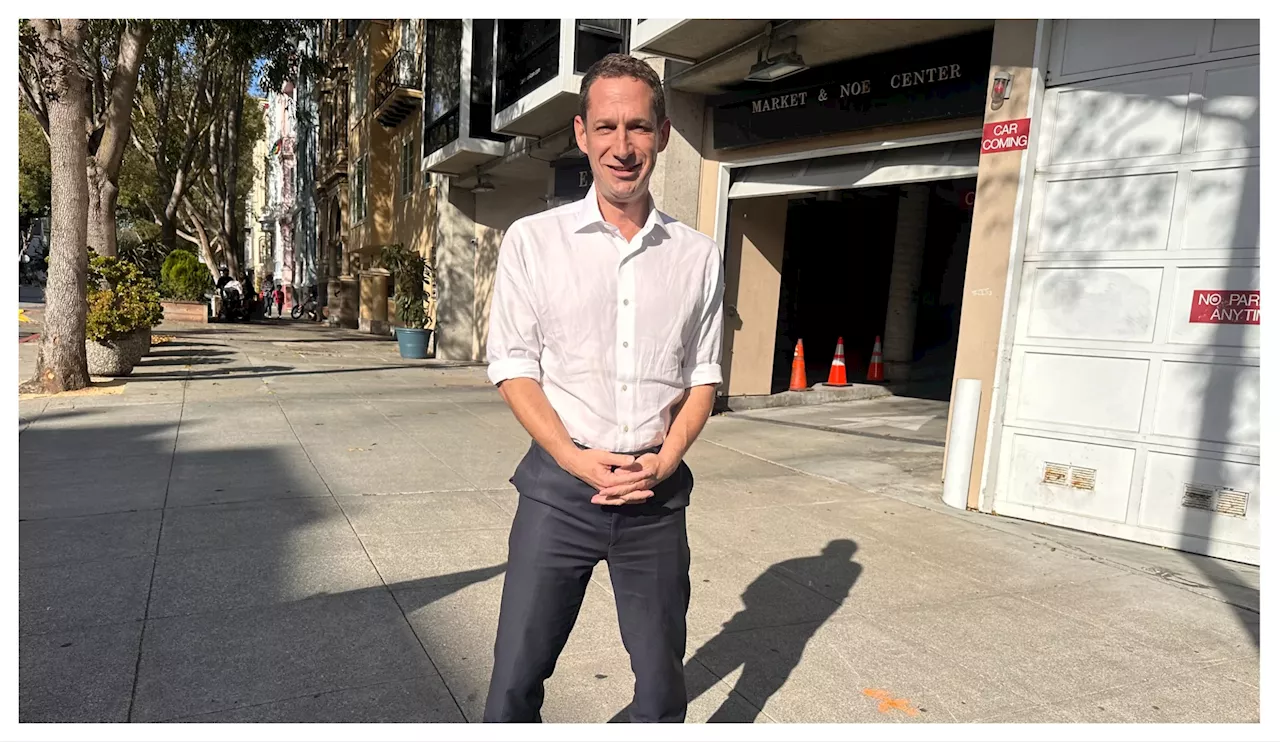 San Francisco mayoral race: Billionaire Daniel Lurie topples San Francisco Mayor London BreedPolitical News and Conservative Analysis About Congress, the President, and the Federal Government
Read more »
 Page A1View the San Francisco for Sunday, November 10, 2024
Read more »
 Win Tickets To FanExpo San Francisco With Our Exclusive GiveawayFanExpo San Francisco Ticket Giveaway - a hand holds a ticket for FanExpo San Francisco
Read more »
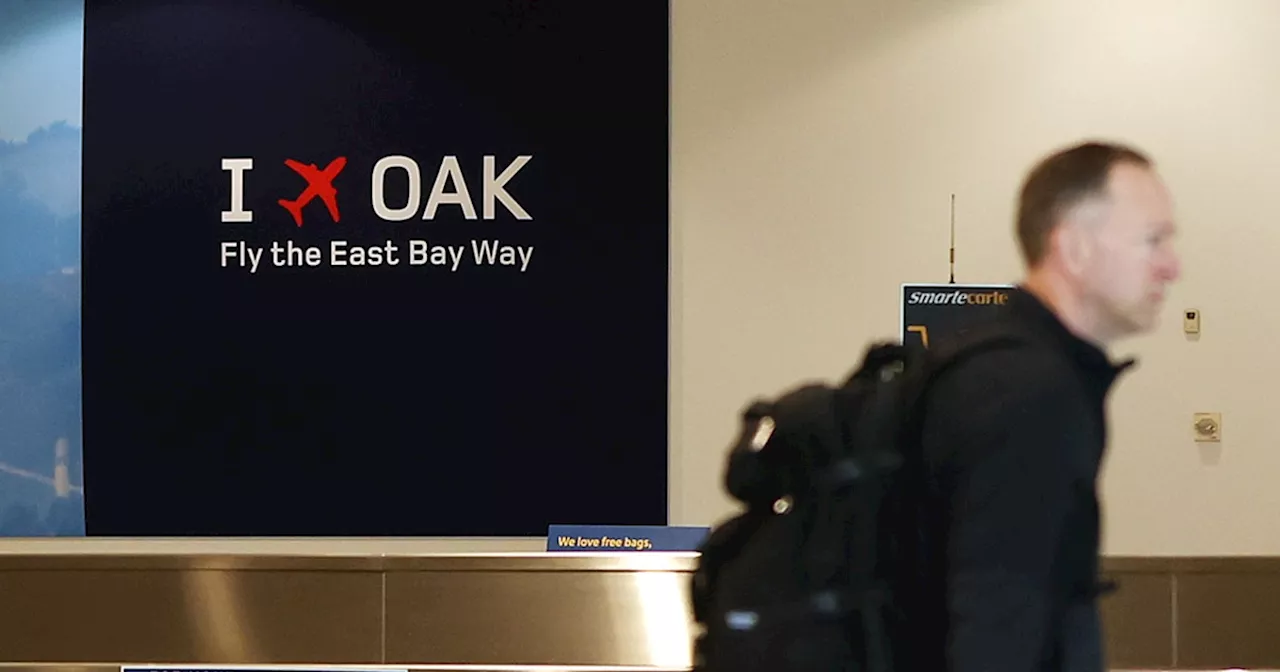 San Francisco wins order blocking Oakland’s airport from using ‘San Francisco’ nameReuters
Read more »
 Page A1View the San Francisco for Wednesday, November 13, 2024
Read more »