Experiences elsewhere show the need to maintain and modernize the infrastructure needed to produce electricity.
For example, on June 15, the Australian Energy Market Operator suspended its spot market in eastern Australia and urged household consumers in New South Wales to conserve power. Planned and unplanned outages at several aging coal-fired plants, combined with lower wind and solar power output, an increase in heating needs due to a cold snap, and higher prices for coal and gas resulted in soaring prices and the unprecedented move.
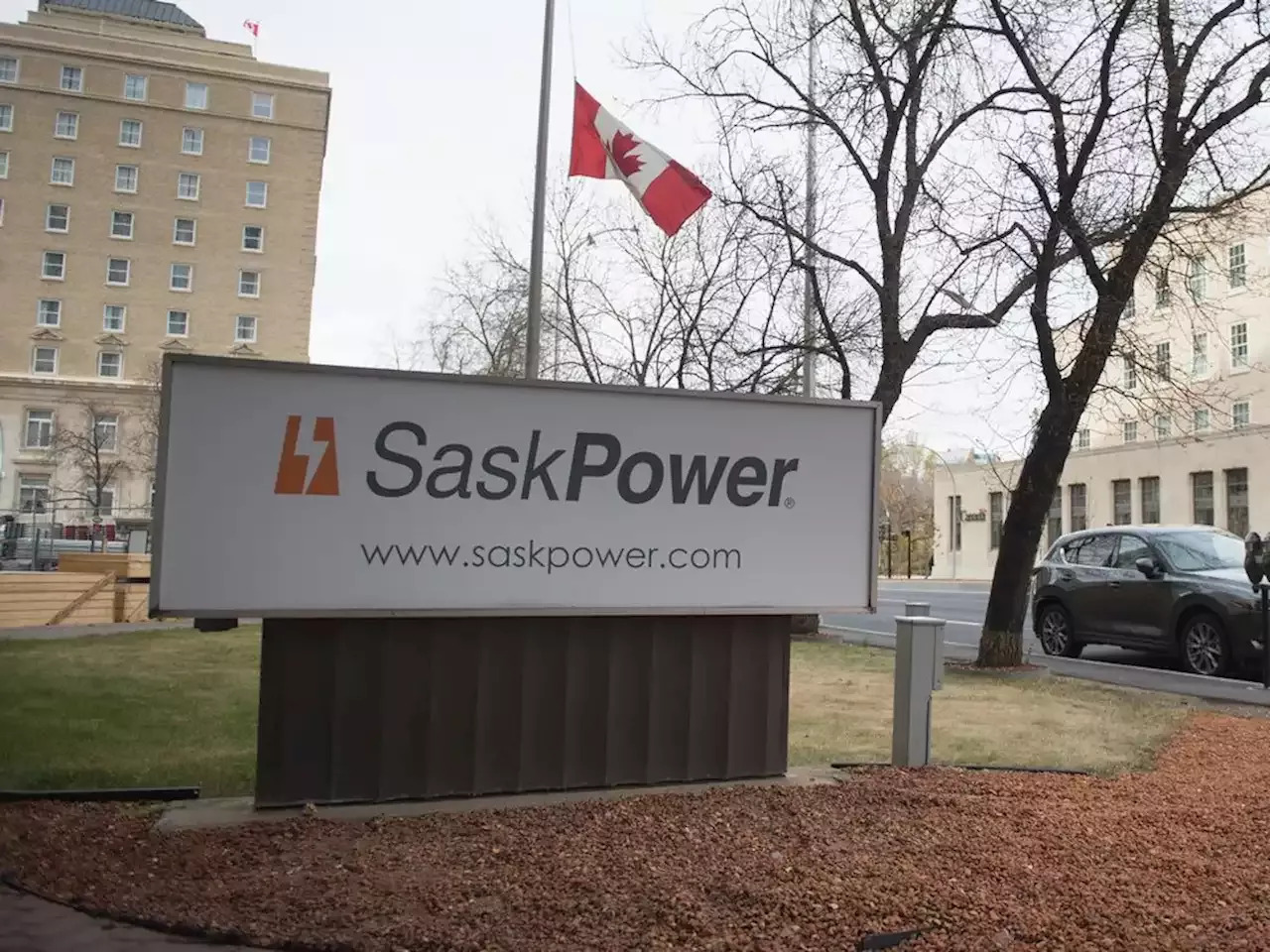
Australia has two big power producers, AGL Energy and Origin Energy; both are publicly traded companies. Daniel Westerman, AEMO’s chief executive, was blunt in stating that, “Right now we see the market is not able to deal with all the factors thrown at it. Frankly, those factors are quite extreme.” Similarly, France, a country that exports electricity, is also facing the risk of rolling blackouts this winter. About 70 per cent of France’s electricity is produced by 56 nuclear reactors, but half of them are currently offline. Corrosion and faulty welding seals in a cooling system were discovered during a recent routine 10-year reactor inspection at the Chinon plant in western France. Subsequently, 12 reactors were disconnected from the grid for inspection, and there were already 16 reactors offline for upgrades. The reactors are operated by Électricité de France , a largely state-owned company. However, EDF is about CDN$59 billion in debt, resulting in delays in reinvestment and transformation of France’s nuclear fleet.Article content As Yves Merignac of the négaWatt think-tank in Paris noted, “The more EDF delays, the more skills keep getting lost, technical problems accumulate and there is a snowball effect.” Closer to home, on May 23, a deadly windstorm in Ontario and Quebec resulted in widespread power outages, including in the nation’s capital where some areas were without power for almost two weeks. State and privately owned operators are facing aging power plants and electrical grids and more frequent, severe weather events. The emergence of distributed and privately owned renewable energy sources is also increasing the financial challenges of central utilities as they lose revenue previously generated through energy production. Escalating oil and natural gas prices are compounding these issues. SaskPower is therefore to be commended for investing in replacing and improving aging infrastructure and for its rural infrastructure investment to enhance power reliability. However, as Mr. Merignac indicated, we also need to invest in people’s skills and technical knowledge through training and research and development. Esam Hussein is the dean of engineering and applied science at the University of Regina. He retires on June 30.
United States Latest News, United States Headlines
Similar News:You can also read news stories similar to this one that we have collected from other news sources.
 Kerrobert, Sask. opens 102-year-old time capsuleWhen workers removed the datestone, which had been in place since the building was completed in 1920, they found a copper box inside.
Read more »
 Marcel the Shell with Shoes On's Adventure Is Small but MightyThe fantastic and moving Marcel the Shell with Shoes On will make you feel stronger, taller, and better for having watched it. TaraDBennett's review:
Read more »
 It’s almost time for the Phillies to focus on 2023 and beyond. Almost.With an injured MVP and a hopeless pitching staff, the Phillies need to keep their focus on the future as the MLB trade deadline draws closer.
Read more »
 Reproductive rights rally marches on Sask. legislatureOrganizers hope the rally will solidify the message that choice matters, and catch the attention of lawmakers in the province who can affect change.
Read more »
 Robotics engineer alarmed over Saskatchewan education cutsFresh off big robotics competition, Misha Kovarsky worries today\u0027s Sask. students don\u0027t have same opportunities he did.
Read more »