


 +34

'We have failed to protect our Black and Brown youth—and this is a public health crisis.' | Terrance Weeden
Police tape litters the ground at the scene of a February 2017 shooting in Chicago, streamed live on Facebook, that killed a toddler and a man authorities say was the intended target.As a Black male pediatrician in Chicago, I am deeply concerned about the ongoing effects that community and state-sanctioned gun violence have on Black and Brown youth and their families.
We, as a society, continue to devalue the lives of Black and Brown youth. The sad reality is that 2021 was Chicago’s deadliest year, with 791 homicides—more than any other American city, and the most Chicago has experienced since 1996. Nearly 300 victims were under the age of 25. This year, there have already been 114 homicides in Chicago, and at least 42 victims were under the age of 25. As a Black male pediatrician, it disturbs me to know that gun violence disproportionately affects young Black men more than any other age, racial, or ethnic group.Chicagoans, myself included, have become desensitized toward gun violence. It is easy to offer condolences and prayers, and use hashtags on social media, when you are not personally affected by the staggering homicide rates in Chicago. But something must be done.Let’s discuss the devastating effects of community and state-sanctioned gun violence on the mental and physical health of our Black and Brown youth in Chicago. Children who experience or witness trauma, including the trauma of gun violence, can suffer lasting effects that range from substance abuse to suicide, as Nerissa Bauer noted in a 2021Black youth have historically not been considered at high risk for suicide. But trends that began appearing even before the COVID-19 pandemic suggest this may be changing. According to a 2018 study published in JAMA Pediatrics, between 1991–2017, suicide attempts increased by 73 percent among Black adolescents. In 2019, the crisis of Black suicide became so acute that the Congressional Black Caucus. The report noted that the rate of death from suicide has increased faster among Black youth than any other racial or ethnic group. Black adolescents are less likely to receive mental health care than white teens due to the many barriers to treatment, which include stigma around mental health, lack of access to and representation in health care, and mistrust of health-care providers. The results are dire: A lack of mental health care is a major risk factor of suicide for those who already suffer from depression. The same barriers and lack of resources leave Black and Brown youth vulnerable, resulting in an even higher risk of suicide and gun violence in a time of hopelessness and desperation. In a 2019 survey of American high school students conducted by the Centers for Disease Control and Prevention, 38 percent of students in Chicago reported they felt sad or hopeless in the past two weeks, 17 percent said they seriously considered suicide, 13 percent said they had made a plan to attempt suicide, 10 percent had attempted suicide, and more than 3 percent had a suicide attempt that resulted in an injury, poisoning, or overdose. I would imagine these percentages have only increased during the pandemic. As a Black pediatrician in Chicago, when I watch the local news, I can’t help but wonder if one of my patients has been a victim of gun violence, whether state-sanctioned or within the community. How many more mothers and fathers must mourn the untimely loss of their child? I often think about the mental health of the parents and siblings deeply affected by these tragedies. Parents should not experience the heartbreak of losing their child. I think of the grief of the victims’ siblings. I think of the emotional distress that occurs during a stop and frisk, or from being pulled over by the police while riding or driving in a car, or from experiencing police brutality. As a Black male, I witness the devaluing of Black and Brown lives every day, and I feel an urgent responsibility to change the status quo of gun violence affecting communities of color in Chicago.I believe this crisis is a result of gross disinvestments from communities of color. Chicago—a city famous for historical redlining, segregation, and heavy-handed policing of Black and Brown communities—has closed dozens of public schools, hospitals, and mental health clinics in those very same communities in recent years. Last year, the city spent $281 million, or nearly 60 percent, of COVID financial relief from the CARES Act to fund the Chicago Police Department. Discussions about protecting youth from gun violence and homicide should include businesses, policy makers, and elected officials. Such discussions should aim towards investing money into public schools, after-school programs, extracurricular activities such as sports, music, and arts—anything to enrich our children’s lives and keep them out of the streets. We cannot place the blame for gun violence on a lack of parental involvement. It is instead the result of generations of structural racism that have created disproportionate rates of incarceration and deportation and worsening wealth disparities that prevent poor Black and Brown parents from being as present in their children’s lives as they might otherwise be. We must eradicate food deserts, provide equitable access to education and health care, and enforce stricter laws, including more comprehensive background checks and restrictions on access to guns and ammunition. And a true solution to violence will remain unattainable unless we erase the longstanding mistrust of police and health-care professionals that exists within BIPOC communities. The American Academy of Pediatrics recommends that the safest home for a child is one without guns. The risk of homicide among youth is three times higher when there are guns at home. Guns should be unloaded with ammunition stored separately and locked away. Parents should ask about guns and gun safety in houses of friends, neighbors, and relatives: “Is there a gun in your house, if so, is it locked and unloaded?” Politicians, judges, lawyers, and police officers: please value the lives and potential of youth of color and consider the emotional and mental trauma that they face when interacting with police. Black and Brown youth are robbed of their innocence and potential to be future world and community leaders, athletes, scientists, lawyers, and businesspeople. This op-ed is in honor of the victims under the age of 25 who have already lost their lives by homicide in 2022:
Scratch the next story
United States Latest News, United States Headlines
Similar News: You can also read news stories similar to this one that we have collected from other news sources.
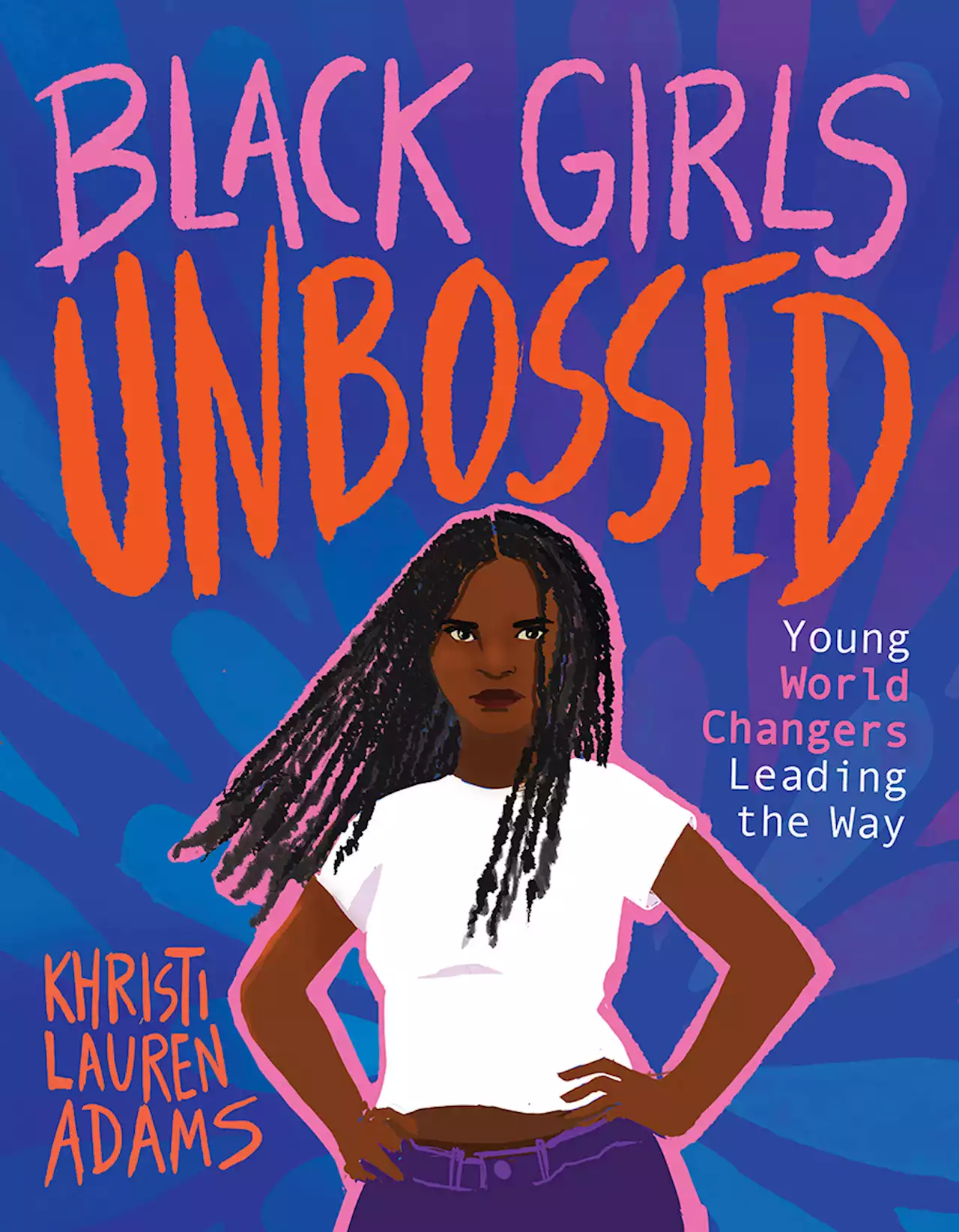 Author Khristi Lauren Adams Centers the Activism of 'Black Girls in Black Girls Unbossed' - Women’s Media Center“If you are a teenager and you’re reading this, you are not too young, and it is not too early for you to use your voice and gifting for good in this world. If you have an audience of one or over a thousand, you can spark change.” via WMC's the_fbomb
Read more »
 Heavee knows the code to bind footwork and video-game music - Chicago Reader'heavee773's new Audio Assault (Hyperdub) favors the trancelike side of the video-game sound world, and he keeps a foot in those dreamlike environs even when his loops cycle so fast that they seem to jitter nervously.' | imLeor
Read more »
8 Things to Do in Chicago this weekend: Ballet Hispánico, Restaurant Week and Chicago Cultural Center reopeningThings to do around Chicago this weekend include Chicago Restaurant Week and “La Cage aux Folles” starring Ginger Minj
Read more »
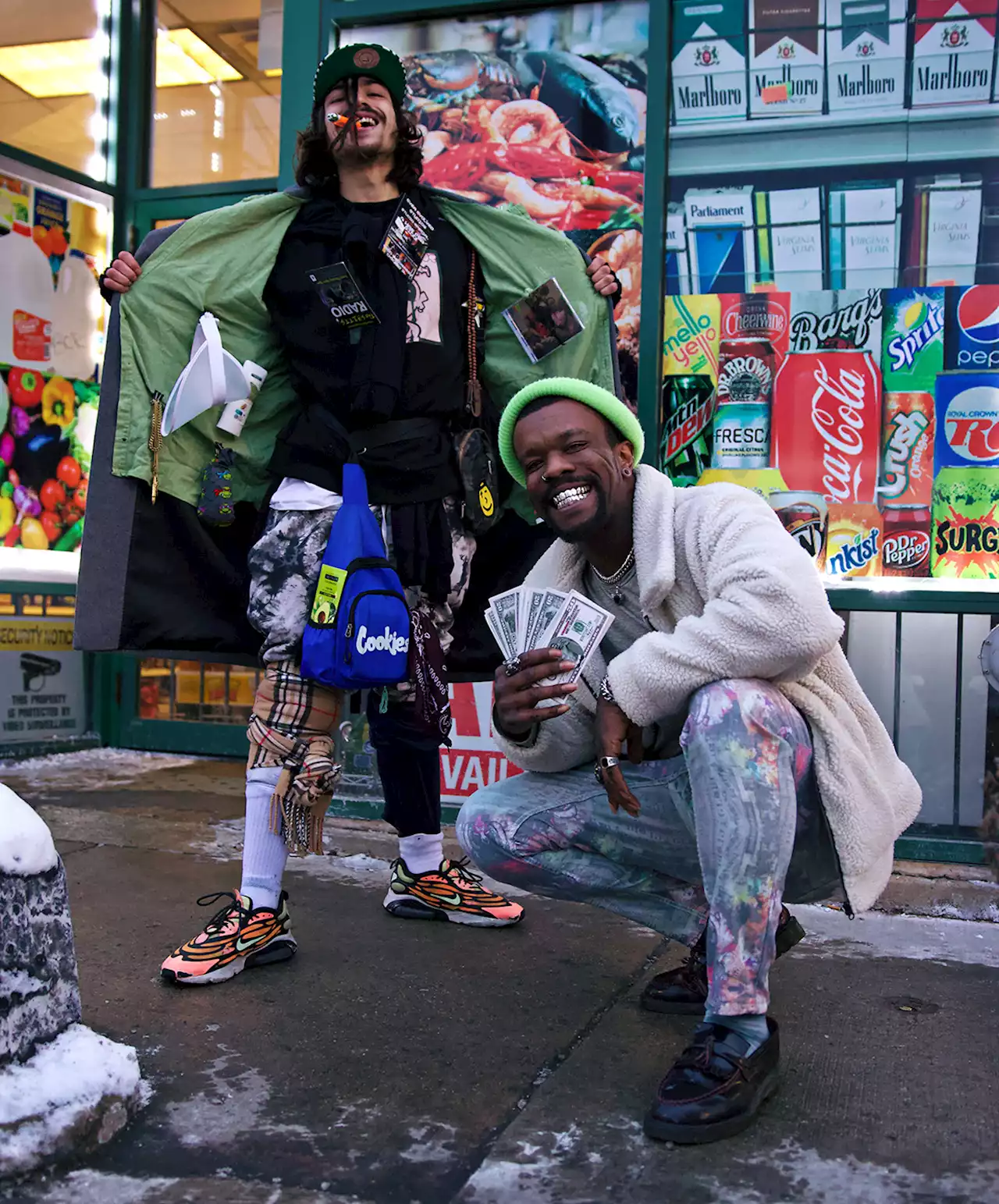 Chicago rapper CantBuyDeem makes loosies with more energy than most radio hits - Chicago ReaderEnglewood rapper CantBuyDeem pays homage to Chicago's hardworking street hustlers on his spirited new mixtape 'CDs, DVDs, Loose Squares.' —imLeor
Read more »