
OpenAI takes a significant step towards user-centric AI development by releasing a comprehensive and publicly accessible Model Spec, outlining ethical guidelines and behavioral standards for its AI models. The expanded document emphasizes transparency, user customization, and 'intellectual freedom' while addressing recent controversies and exploring new approaches to handling sensitive content.
OpenAI is taking a significant step towards transparency and user control by releasing a greatly expanded version of its Model Spec , a document outlining how its AI models should behave. This 63-page specification, a substantial increase from its previous 10-page version, provides comprehensive guidelines for AI models on diverse topics, from navigating controversial subjects to accommodating user customization.
OpenAI emphasizes three core principles: customizability, transparency, and what they call 'intellectual freedom.' This means users should have the ability to modify the model's behavior and explore ideas without arbitrary restrictions. Notably, the updated Model Spec incorporates the lessons learned from recent AI ethics debates and controversies. For instance, OpenAI addresses the infamous 'trolley problem' scenario where users questioned how AI should respond to hypothetical situations involving difficult moral choices.The release of the updated Model Spec coincides with the imminent launch of OpenAI's next-generation model, GPT-4.5 (codenamed Orion). The company acknowledges the impossibility of creating a single model that satisfies every user's ethical and behavioral expectations. While OpenAI maintains certain safety boundaries, it empowers users and developers to customize many aspects of the model's behavior. The Model Spec delves into a multitude of queries and provides examples of compliant and non-compliant responses, outlining scenarios like handling copyrighted material, avoiding self-harm prompts, and navigating controversial topics. OpenAI is also rethinking its approach to mature content, exploring the possibility of incorporating 'grown-up mode' features for appropriate adult content while strictly prohibiting harmful content. This shift signifies a pragmatic approach to AI behavior, aiming to facilitate sensitive content understanding without generating it, demonstrating empathy without mimicking human emotions, and establishing clear boundaries while maximizing usefulness. OpenAI emphasizes that these guidelines are subject to public feedback, highlighting their commitment to an open and collaborative development process
AI Openai Model Spec Transparency User Control Ethical Guidelines AI Behavior Controversial Topics Mature Content GPT-4.5
United States Latest News, United States Headlines
Similar News:You can also read news stories similar to this one that we have collected from other news sources.
 Microsoft and OpenAI Adjust Partnership, Allowing OpenAI Access to Competitors' ComputeMicrosoft and OpenAI have modified their partnership to enable OpenAI to utilize compute resources from other providers. This change addresses concerns about OpenAI's access to sufficient computing power and reflects the evolving landscape of AI development.
Read more »
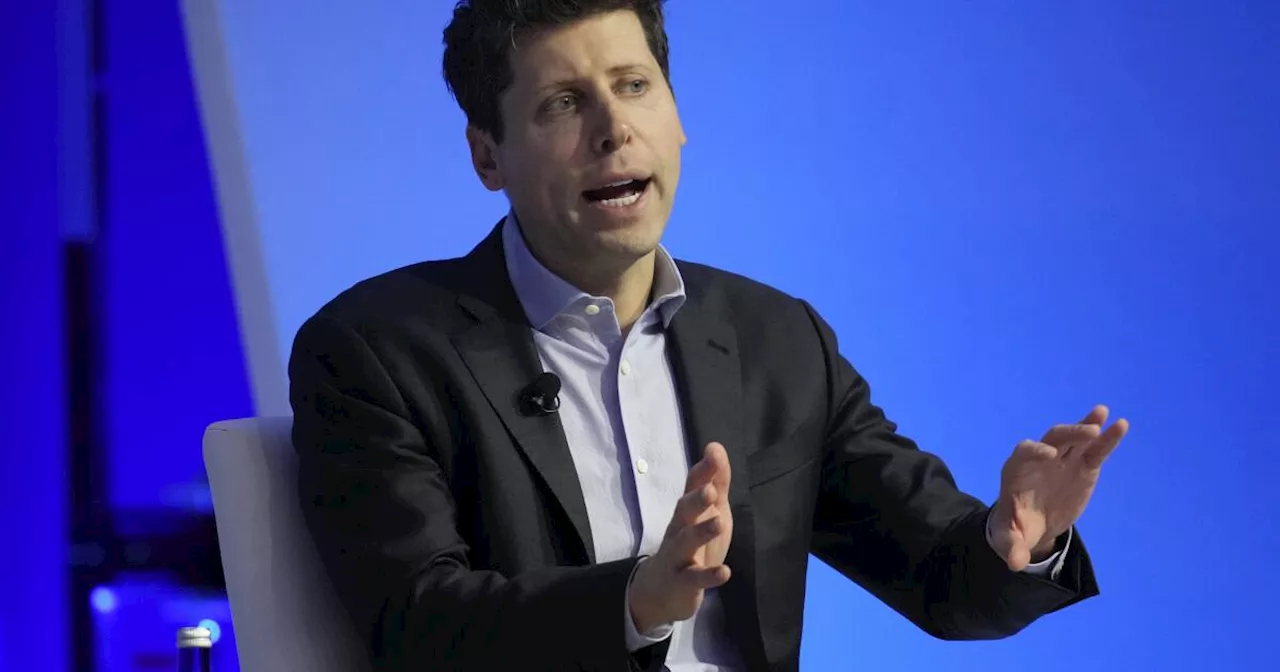 OpenAI accuses China of stealing its content, the same accusation that authors have made against OpenAIIrony of ironies: Authors and artists have accused OpenAI of stealing their content to 'train' its bots--but now OpenAI is accusing a Chinese company of stealing its content to train its bots.
Read more »
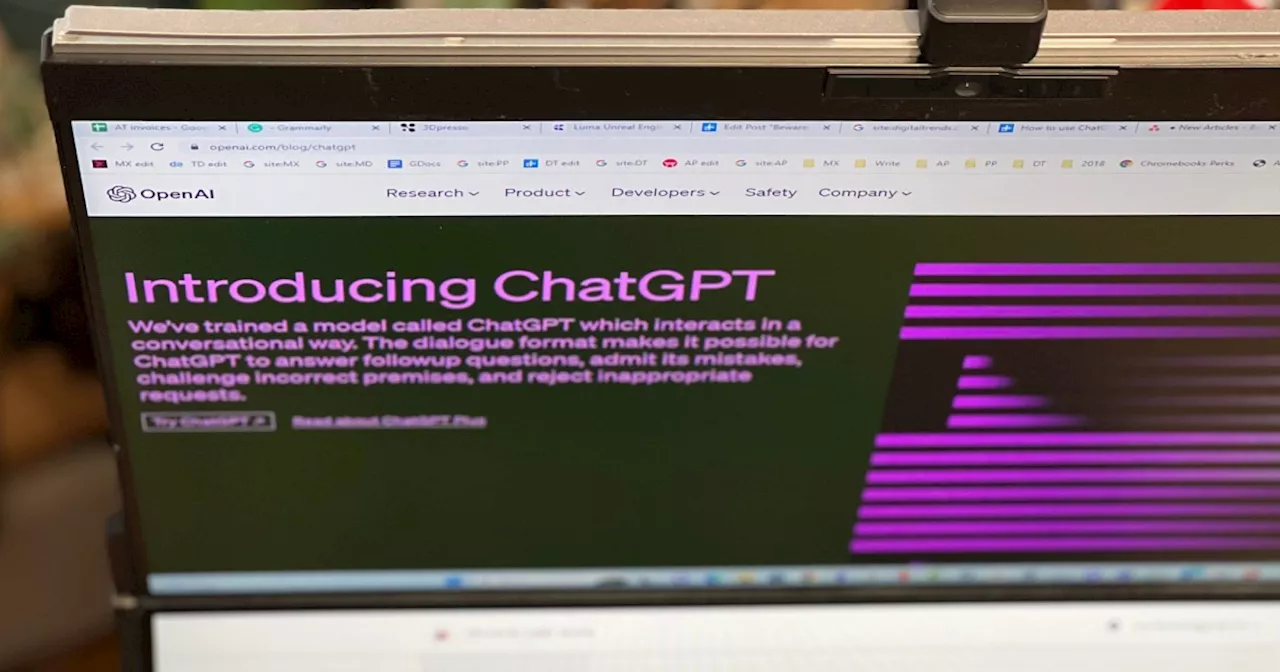 OpenAI Releases o3-mini Reasoning Model to All ChatGPT UsersOpenAI has made its o3-mini reasoning model accessible to all ChatGPT users starting Friday. The model, designed for STEM tasks, offers accuracy checks and specialized capabilities for technical domains. Access varies by subscription tier, with free users having limited access and paid tiers receiving increased query limits and access to the o3-mini-high variant.
Read more »
 OpenAI Releases Smaller, More Efficient AI Model, o3-mini, for FreeOpenAI counters DeepSeek's open-source AI model R1 with a free, efficient version of its powerful AI model, o3-mini. This move demonstrates OpenAI's commitment to efficiency and its ongoing efforts to remain at the forefront of AI development.
Read more »
 OpenAI Releases Cost-Efficient Reasoning Model Amidst Chinese AI CompetitionOpenAI launches its first small reasoning model, o3-mini, as a rival to DeepSeek's open-source R1, raising questions about the future of AI development and competition.
Read more »
 OpenAI Accuses Chinese Rival DeepSeek of Data Theft for AI Model TrainingOpenAI, the creator of ChatGPT, alleges that Chinese AI company DeepSeek used OpenAI's data to train its competing models, potentially violating OpenAI's terms of service. Microsoft security researchers detected suspicious data exfiltration from OpenAI accounts linked to DeepSeek. OpenAI claims evidence of 'distillation,' a technique where smaller models are trained using data from larger ones, suggesting DeepSeek leveraged OpenAI's expensive GPT-4 training data. While OpenAI acknowledges its own past use of web data without explicit consent, it emphasizes the need to protect its intellectual property and calls for collaboration with the US government to safeguard advanced AI technology.
Read more »