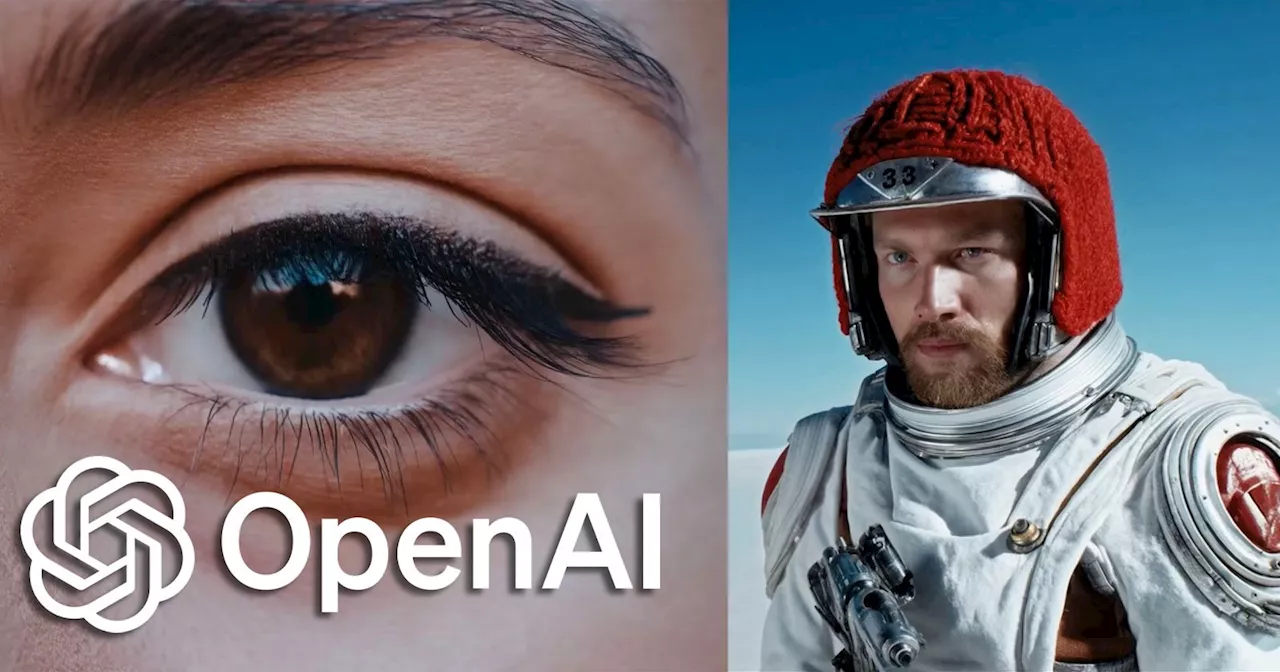
If the Adobe-made VoCo, a 'photoshop for audio' was deemed too much of a risk to release, what the heck is OpenAI's Sora?
In 2016, Adobe developed a technology that was best described as “Photoshop for audio.” It would be able to change words in a voiceover simply by typing new words. Sounds scary, right? It was, and Adobe never released it — for good reason.
“It’s a technology with several compelling use cases, making it easy for anybody to edit voiceover for videos or audio podcasts. And, if you have a 20-minute, high-quality sample of somebody speaking, you may even be able to add some new words and phrases in their voice without having to call them back for additional recordings,” Mark Randall wrote, focusing on the positives of the technology.
Randall would go on to argue that new technology like this, while it might be controversial or scary, has many positive effects, too. While admitting that “unscrupulous people might twist for nefarious purposes,” he goes on to defend developing the technology because of the good it can do. “Project VoCo doesn’t change what’s possible, it just makes it easier and more accessible to more people. Like the printing press and photograph before it, that has the potential to democratize audio editing, which in turn challenges our cultural expectations, and sparks conversation about the authenticity of what we hear. That’s a great thing.”
United States Latest News, United States Headlines
Similar News:You can also read news stories similar to this one that we have collected from other news sources.
 OpenAI’s Sora Turns Short Text Prompts into Photo-Realistic VideoOpenAI announced Sora, a new text-to-video AI program that can turn short prompts into photo-realistic video.
Read more »
 OpenAI’s Video Generator Sora Is Breathtaking, Yet TerrifyingOpenAI released its premier AI text-to-video generator, and the results are as incredible as they are concerning.
Read more »
 OpenAI’s Sora Turns AI Prompts Into Photorealistic VideosOpenAI's entry into generative AI video is an impressive first step.
Read more »
 OpenAI Co-founder Karpathy Leaves the CompanyKarpathy, one of the co-founders of OpenAI, has announced his departure from the company. He stated that his exit is not a result of any specific event or drama. Karpathy plans to work on personal projects and see what the future holds.
Read more »
 The Best Clips From OpenAI's New Video Generator, So FarThe ChatGPT-maker just unleashed a text-to-video generator called Sora. Take a look at what your future is going to look like.
Read more »
 OpenAI's Lobbyists Are Targeting The Pentagon And Other Defense AgenciesI'm an Oakland-based technology reporter and Senior Writer at Forbes. Contact me at semersonforbes.com or securely on Signal at 510-473-8820.
Read more »