
A study of access to polls during elections has found systemic barriers to voting on tribal lands contribute to substantial disparities in turnout.
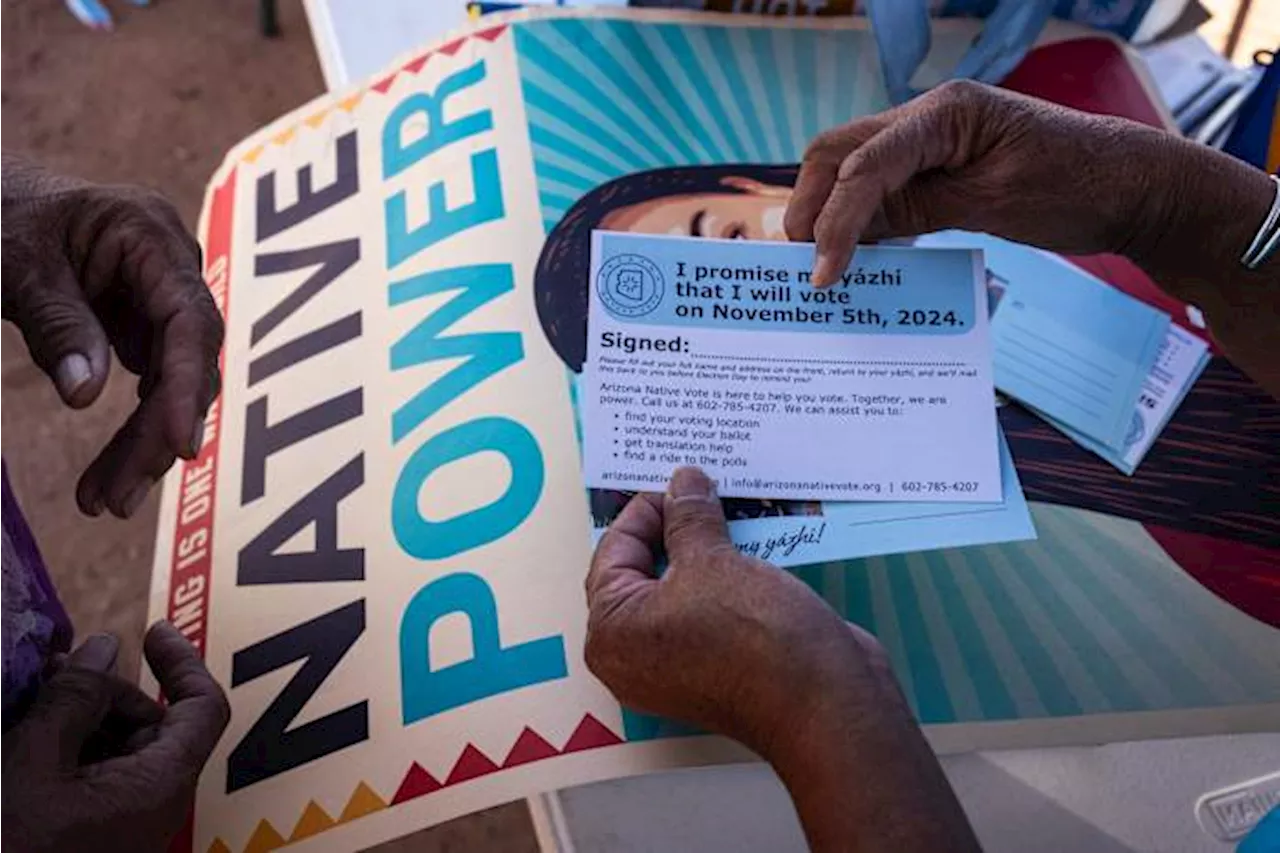
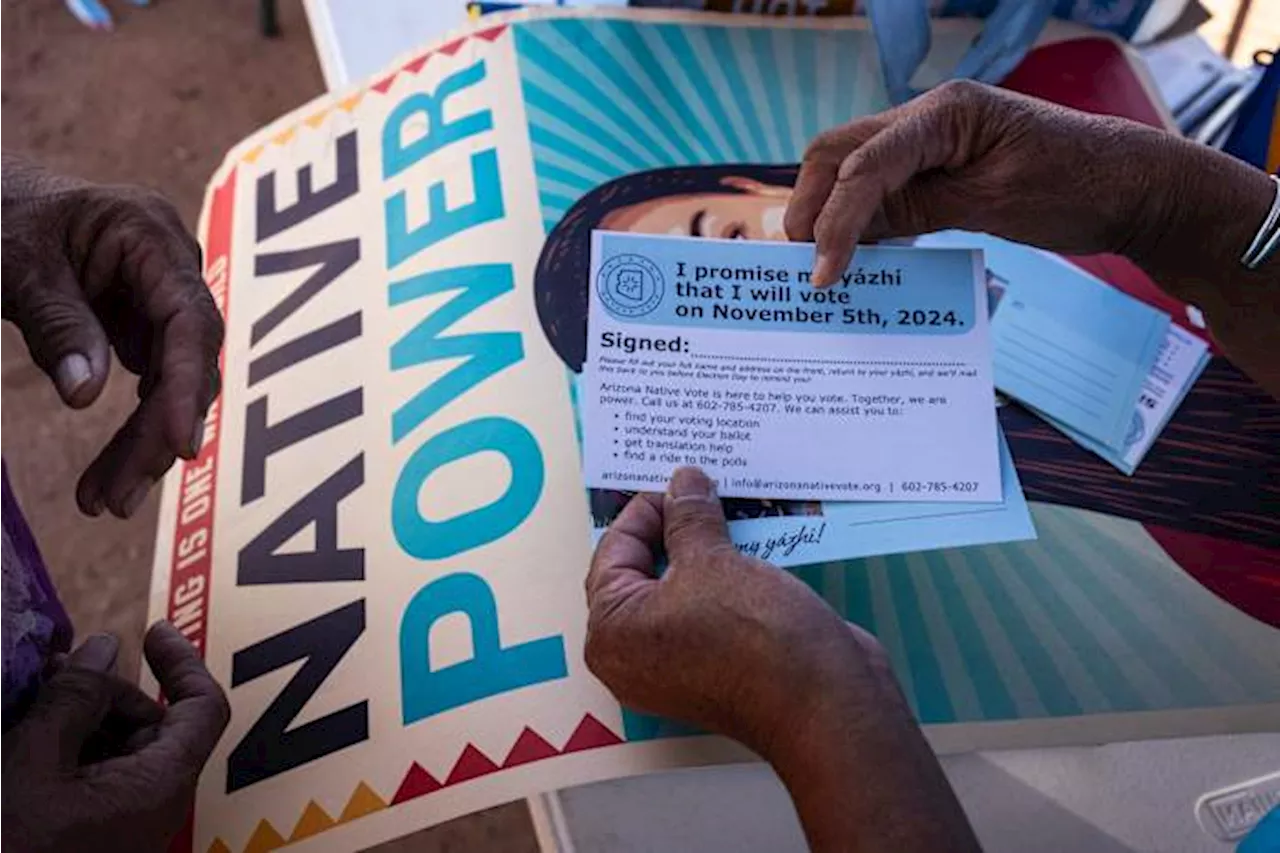
FILE - Local organizer Maria Calamity instructs a resident on how to properly fill out a pledge card promising to vote in the upcoming presidential election on the Navajo Nation in Ganado, Ariz., Oct. 11, 2024.
FILE - Terry and Linda Gore leave the Dayton church on the Flathead Indian Reservation after voting, Nov. 8, 2022, in Arlee, Mont. FILE - Terry and Linda Gore leave the Dayton church on the Flathead Indian Reservation after voting, Nov. 8, 2022, in Arlee, Mont. FILE - Terry and Linda Gore leave the Dayton church on the Flathead Indian Reservation after voting, Nov. 8, 2022, in Arlee, Mont. OKLAHOMA CITY, Okla. — A new study has found that systemic barriers to voting on tribal lands contribute to substantial disparities in The study, released Tuesday by the Brennan Center for Justice, looked at 21 states with federally recognized tribal lands that have a population of at least 5,000 and where more than 20% of residents identify as American Indian or Alaska Native. Researchers found that between 2012 and 2022, voter participation in federal elections was 7% lower in midterms and 15% lower in presidential elections than among those living off tribal lands in the same states. Earlier studies show voter turnout for communities of color is higher in areas where their ethnic group is the majority, but the latest research found that turnout was the lowest on tribal lands that have a high concentration of Native Americans, the Brennan Center said. “There’s something more intensely happening in Native American communities on tribal land,” said Chelsea Jones, a researcher on the study. Jones said the study suggests some barriers may be insurmountable in predominately Native communities due to a lack of adequate polling places or access to early and mail-in ballots. Many residents on tribal landsAs a result, many Native American voters rely on P.O. boxes, but the study notes that several jurisdictions will not mail ballots to P.O. boxes.Indigenous peoples, impacted by climate change, raise alarm about the planet at COP29Long distances to the polls that do exist on tribal lands and little to no public transportation creates additional hurdles for Native American voters. “When you think about people who live on tribal lands having to go 30, 60, 100 miles to cast a ballot, that is an extremely limiting predicament to be in,” Jones said. “These are really, truly severe barriers.” Additionally, Jones said they found Native American voters were denied the ability to vote using their tribal IDs in several places, including in states where that is legally allowed. All of these roadblocks to the ballot can create a sense of distrust in the system, which could contribute to lower turnout, Jones said. The Brennan Center study also highlights on ongoing issue when it comes to understanding how or why Native Americans vote: a lack of good data. “There are immense data inequities when it comes to studying Native American communities, especially as it pertains to politics,” Jones said. Native American communities are often overlooked when it comes to polling data and sometimes when they are included those studies do not reflect broader trends for Indigenous voters, said Dr. Stephanie Fryberg, the director of the Research for Indigenous Social Action & Equity Center, which studies systemic inequalities faced by Indigenous people. “Generally speaking, polling is not well positioned to do a good job for Indian Country,” said Fryberg, who is also a professor of psychology at Northwestern University. “There are ideas that are held up as the gold standard about how polling works that don’t work for Indian Country because of where we live, because of how difficult it is to connect to people in our community.” Fryberg, a member of the Tulalip Tribe in Washington State, was one of several Indigenous researchers who denounced a recent exit poll conducted by Edison Research that found 65% of Native American voters who participated said they voted for Donald Trump. The poll only surveyed 229 self-identified Native Americans, a sample size that she said is too small for an accurate reading, and none of the jurisdictions in the poll were on tribal lands.The Indigenous Journalists Association labelled that polling data as “highly misleading and irresponsible,” saying it has led “to widespread misinformation.” In a statement to the Associated Press, Edison Research acknowledged that the polling size is small, but said the “goal of the survey is to represent the national electorate and to have enough data to also examine large demographic and geographic subgroups.” The survey has a potential sampling margin of error of plus or minus 9%, according to the statement. “Based on all of these factors, this data point from our survey should not be taken as a definitive word on the American Indian vote,” the statement reads. Native Americans are not just part of an ethnic group, they also have political identities that come with being citizens of sovereign nations. Fryberg said allowing those surveyed to self-identify as Native Americans, without follow-up questions about tribal membership and specific Indigenous populations, means that data cannot accurately capture voting trends for those communities. Both Fryberg and Jones said that in order to create better data on and opportunities for Native Americans to vote, researchers and lawmakers would have to meet the specific needs of Indigenous communities. Jones said passage of the Native American Voting Rights Act, a bill that has stalled in Congress, would ensure equitable in-person voting options in every precinct on tribal lands. “This is not an issue that we see across the country,” Jones said. “It’s very specific to tribal lands. So we need provisions that address that uniquely.”Brewer reports for the AP’s Race and Ethnicity team, focusing on Indigenous communities and tribal nations. He is a citizen of the Cherokee Nation and is based in Oklahoma.
General News ND State Wire AK State Wire SD State Wire CO State Wire AZ State Wire OK State Wire NC State Wire WA State Wire HI State Wire NM State Wire NY State Wire Race And Ethnicity U.S. News Oklahoma Donald Trump Oklahoma City Voting Politics Elections Race And Ethnicity
United States Latest News, United States Headlines
Similar News:You can also read news stories similar to this one that we have collected from other news sources.
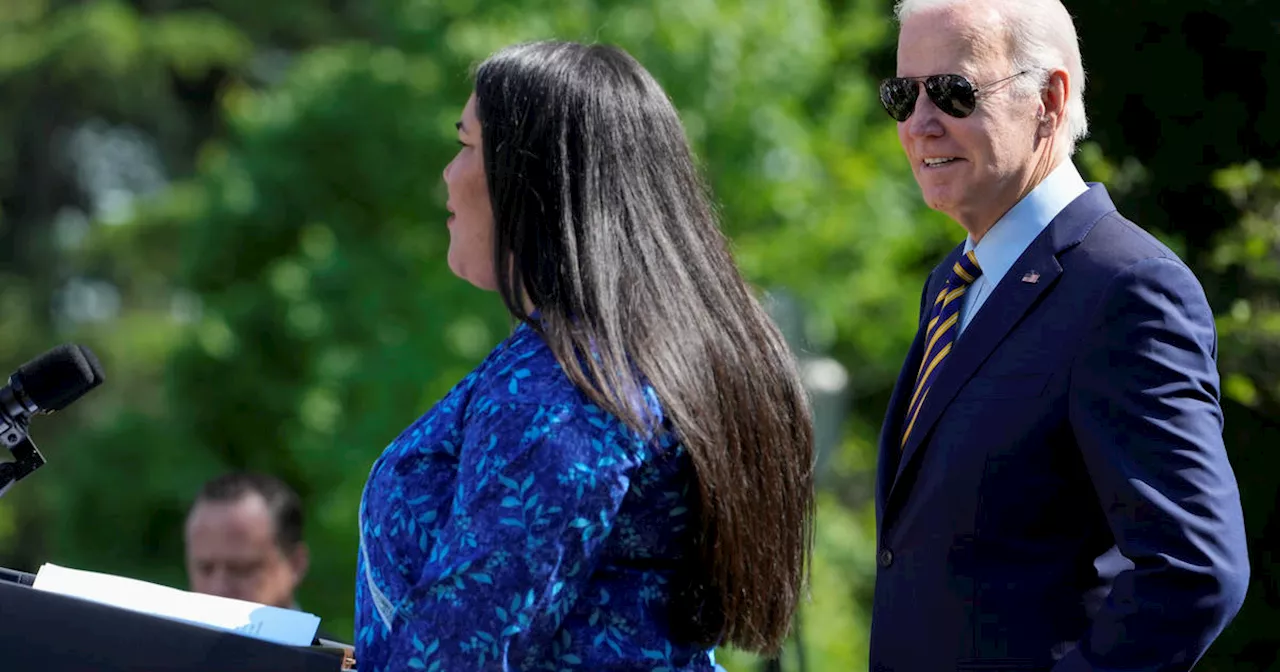 Biden to apologize to Native Americans for era of boarding school atrocitiesFor more than 150 years, federal boarding schools for Native children forced them to assimilate, and often caused physical and emotional abuse.
Read more »
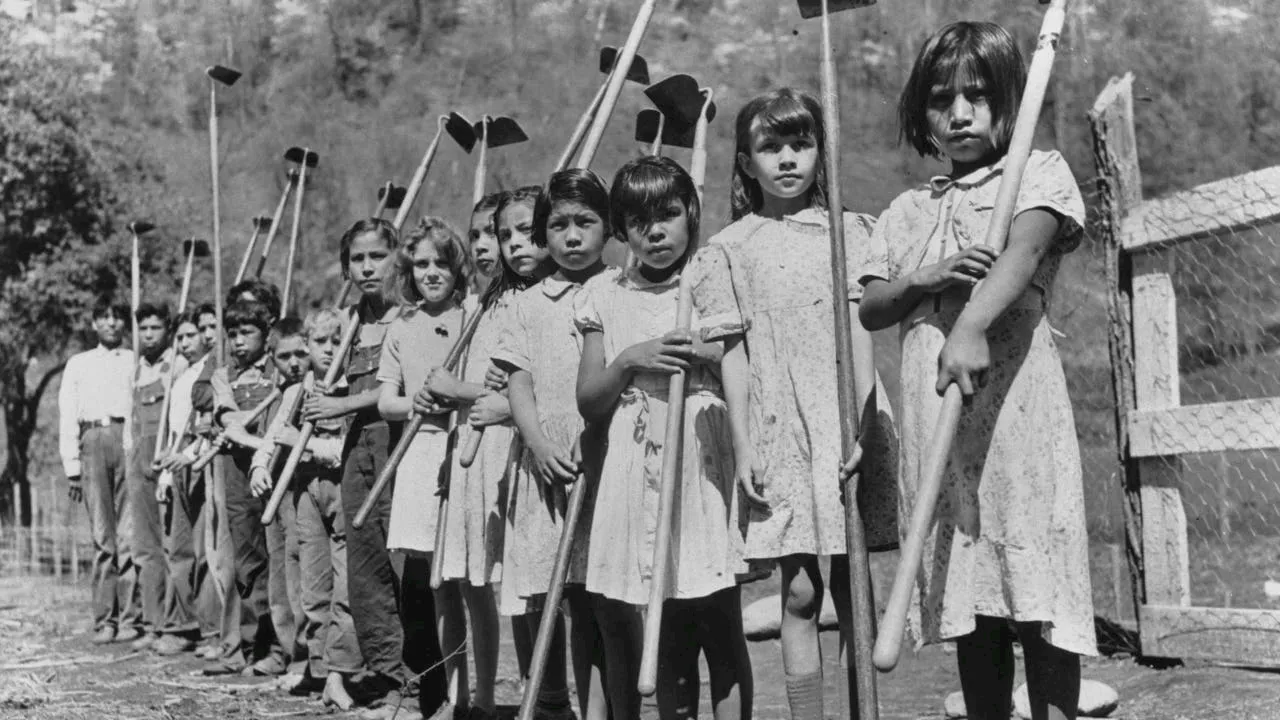 Biden to apologize to Native Americans for Indian boarding school policyFrom 1819 to 1969, some 18,000 Native American children were taken from their parents and forced to attend U.S. boarding schools. Nearly 1,000 children died.
Read more »
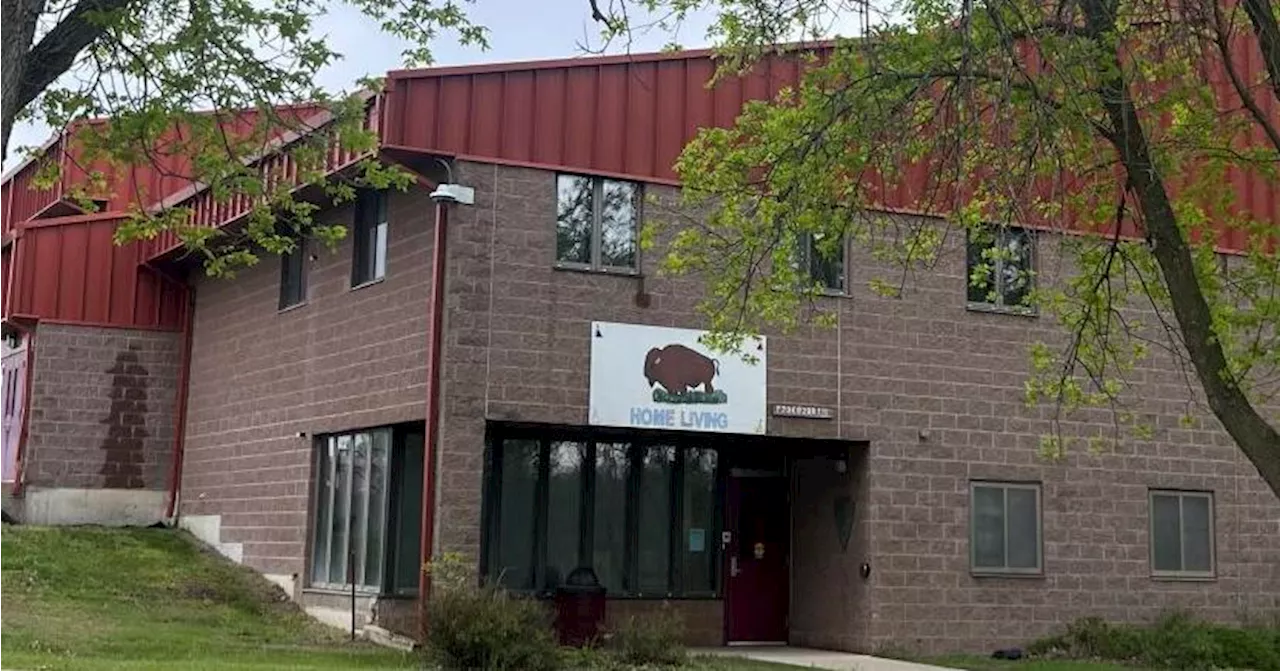 Problems persist within federal schools for Native Americans even as Biden plans apologyFlandreau Indian School parents, students and staff allege students were prescribed medications without their guardians' knowledge – and under threat of punishment.
Read more »
 Native Americans press Biden to designate three new national monuments in CaliforniaSome are looking to Biden to make the designations before the arrival of an administration that has advocated for opening public lands to oil drilling and other development.
Read more »
 New study shows voting for Native Americans is harder than everA study of access to polls during elections has found systemic barriers to voting on tribal lands contribute to substantial disparities in turnout.
Read more »
 New study shows voting for Native Americans is harder than everA study of access to polls during elections has found systemic barriers to voting on tribal lands contribute to substantial disparities in turnout.
Read more »