
New research analyzed brain imaging information with clinical evaluation to derive six brain-based psychopathology dimensions.
New research has derived a biological classification model with six cross-diagnostic psychopathology domains.diagnostic systems are based in long-standing observations and study in the field, careful consideration, and statistical verification over many decades.
In the United States, we have the) is used for medicine more generally, with sections for psychiatry. With some exceptions, such as the noninclusion of complex posttraumaticBoth are the result of categorical classifications based on more than 100 years of clinical work, and speak to clusters of symptom presentation that have been organized into discrete but highly overlapping criteria. By and large, the cause of the disorder and the biology of how psychiatric disorders work, how they wax and wane, resolve or progress—is not addressed.progress, we are finally approaching a time when our understanding of mind, brain, and body puts us within striking distance of having a true medical understanding of psychiatric conditions, their causes, and how those putative causes can drive better prevention and treatment.This is not to say that all the causes of mental illness are brain-based—far from it, as the rule is that most conditions are multifactorial, with an array of complex genetic, environmental, and dynamic factors that evolve and interact over time at play. Nevertheless, understanding what is happening within the brain is a critical piece of the psychiatric diagnostic puzzle. Over the years, there have been different approaches to finding"biotypes" in psychiatry—for example, subtypes ofto test for different psychiatric conditions and to guide treatment planning and response. As it stands, there are no true tests for conditions like-deficit/hyperactivity disorder. This is a direct consequence of having overlapping symptoms for a range of mental illnesses, making definitive diagnosis difficult and highly subjective, even with the most rigorous tools.. As they discuss, psychiatry needs a better understanding of neuroscientific biological mechanisms—brain structure, function, and connectivity, or network models. An empirically based organizing system, or"nosology," to frame how we work with complex psychiatric problems, is overdue. Their research combined current clinical measures and a range of brain-imaging strategies to derive a biologically based classification model with six cross-diagnostic psychopathology domains. They used data from population-based and cross-disorder studies in which neuroimaging was done with participants when they were 14, 19, and 23 years old, and included psychological evaluation when they were 16. They included 1,003 participants in the study, and using SGCCA , examined the relationships among MRI data on structure, function, and connectivity with respect to clinical evaluation using standard diagnostic approaches.Analysis derived six components of interest, which were statistically the most core canonical psychopathological elements connecting neuroimaging findings with clinical assessment in the Development and Well-Being Assessment ratings sections andUse Disorders Identification Test Questionnaire. The brain imaging findings were linked to tasks that subject participants had completed while being scanned, including the stop-signal task, monetary incentive delay task, and emotional face task.Each of the above psychopathological dimensions showed significant unique patterns when correlated with known diagnoses and associated neuroimaging patterns. For example, excitability and impulsivity were strongly related to bipolar disorder symptoms in DAWBA and were associated with brain imaging findings in keyareas in the frontoparietal network, including the dorsolateral prefrontal cortex, anterior cingulate, and inferior parietal cortex. Depressive mood and distress scores were correlated with a different pattern of findings on tasks and imaging studies, and so on for all the derived core domains.This is not a full alternative diagnostic model, but it is an important step toward bridging existing clinical models with neurobiological data using a rich array of structural, functional, and connectivity-based brain imaging data. In principle, using this kind of analysis, it could be possible to use brain imaging in the clinical setting to scan a person's brain while both at rest and performing specific tasks, and generate a report based on the six psychopathological profiles of what their unique brain activity indicates, and how that relates to conventional clinical diagnoses. Looking deeper into the crystal ball, we could imagine relatively simple brain imaging combined with additional testing, either psychological/social evaluations or more biologically based lab testing for markers of inflammation or other systemic factors that may contribute to mental illness. Asbecomes more sophisticated, the ability to work with large data sets will only improve—add to clinical evaluations the capacity to make sense of massive oceans of information, online habits andRegardless of what the future holds, the current research is significant for being a proof of concept that this kind of analysis can provide a rigorous biologically based framework, though limited by the techniques used, pool of participants, and types of clinical information analyzed. These six core psychopathological dimensions need verification and model refinement, but future iterations could be used to look back on current diagnostic models, ground them in neurobiology, and provide a framework that could potentially be used to update how we understand mental illness. Whether that will happen in a complex field lacking consensus is another matter.1. In classification, polythetic means a group or class where members share many characteristics, but no single characteristic is essential for membership. It's a way of grouping things based on overlapping features rather than strict, universally shared traits.a psychiatrist and psychoanalyst, helps adults with mood and anxiety conditions, and works on many levels to help unleash their full capacities and live and love well.Self Tests are all about you. Are you outgoing or introverted? Are you a narcissist? Does perfectionism hold you back? Find out the answers to these questions and more with Psychology Today.
United States Latest News, United States Headlines
Similar News:You can also read news stories similar to this one that we have collected from other news sources.
 New Spider-Man: Brand New Day Rumor Might Spoil Three Major Marvel VillainsComic Book Movies, News, & Digital Comic Books
Read more »
 Star Trek Reveals Exclusive New Look at Red Shirts, Strange New Worlds SeriesIDW Publishing has released a new look at two upcoming Star Trek series featuring the Red Shirts and Strange New Worlds.
Read more »
 Montgomery Public Schools begin new chapter with new superintendentThe school year is winding down for students, but for leadership at Montgomery Public Schools, things are just ramping up.
Read more »
 Fare evasion in NYC led to increased taxes on New Yorkers in 2024, new report showsFare evasion in NYC is leading to taxes and fees on businesses and consumers to pay more for MTA operating budget.
Read more »
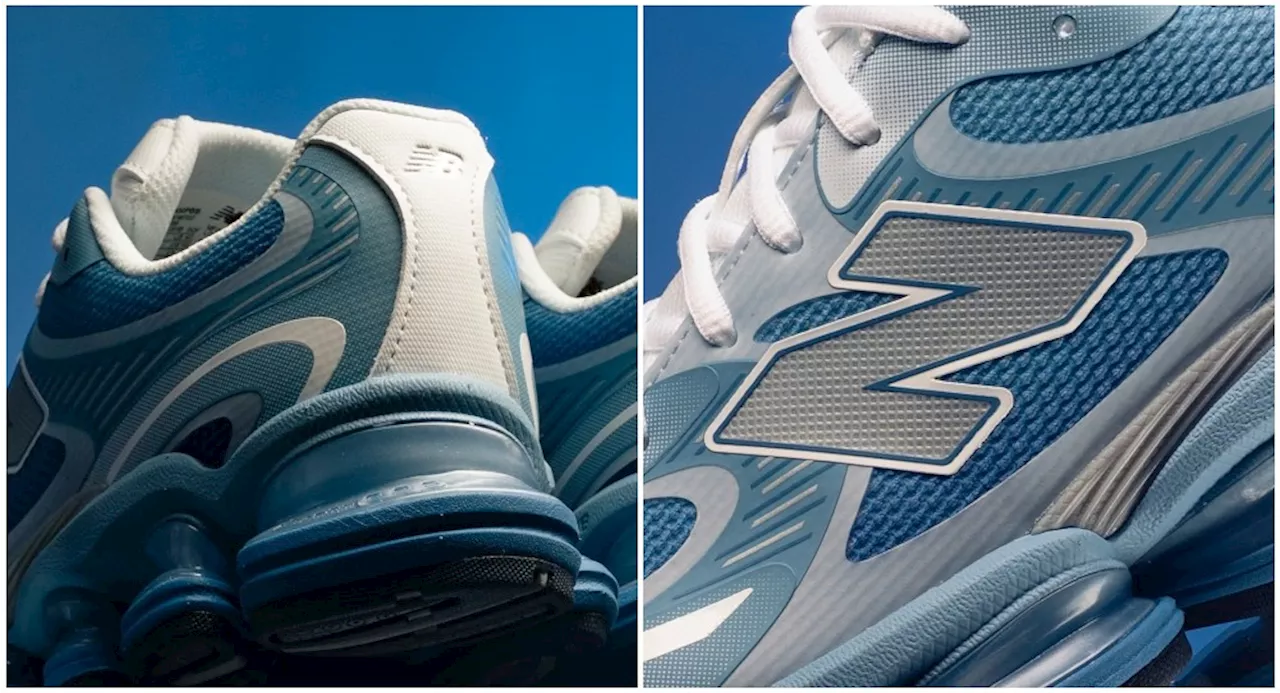 New Balance’s Coolest New Sneaker Looks Nothing Like a New Balance Sneaker'I really drew references from what the future looked like in the early 2000s, and I think it's still relevant now,' Lee told FN.
Read more »
 State Department Reveals Changes for Student Visa ApplicantsThe new memo lifted a pause on new visa interviews, with new vetting requirements introduced.
Read more »