
The EPA is proposing to regulate “forever chemicals' in drinking water, but there’s concern it could raise your water bills.
The EPA is proposing to regulate "forever chemicals" in drinking water, but there’s concern it could raise your water bills.The Environmental Protection Agency is rolling out its first-ever proposal to regulate "forever chemicals," formally known as "PFAS" in drinking water, after finding the substances pose significant health risks.
The agency predicts that the regulations could "prevent thousands of deaths." The proposed National Primary Drinking Water Regulation would create legally enforceable levels for six types of PFAS in public drinking water. PFAS are a group of manmade chemical compounds that are nearly indestructible, earning them the"forever chemicals" nickname. PFAS have been used since the 1940’s in various household objects like nonstick cookware, clothes, planes, and fire extinguishers. The CDC says high PFAS levels in the body can lead to liver damage, decreased fertility, decreased vaccine response in children, and even an increased risk of certain types of cancer. Iowa State University Professor Joe Charbonnet points out that most Americans have PFAS in their blood already. "Even if we're exposed to very, very low concentrations, we see negative health impacts, things like kidney cancer, testicular cancer, lowered immune responses, issues with cholesterol, reproductive health," Charbonnet said. "We do have some of the best quality tap water at affordable prices here in the U.S.," Charbonnet said. "And this is just part of the process to make sure that we stay in the enviable position." The EPA estimates that the cost of the regulation could reach up to $1.2 billion every year, and local water treatment systems would have to implement the rules. Charbonnet emphasizes that not every water supply would have to make changes to meet the regulations. The Association of Metropolitan Water Agencies , however, is still concerned about those systems that will need to bear the burden. Their CEO Tim Dobbins telling Fox News,"The Polluters should be paying this cost, not the rate payers." Many, including Charbonnet and Dobbins, point out that these regulations are tackling the issue of PFAS contamination downstream of the original source. There is a growing movement to stop using PFAS in manufacturing in the first place. In fact, the AMWA recently endorsed a bill that would hold polluters accountable for PFAS cleanup costs. Charbonnet also points out that people concerned about ingesting PFAS can choose to use PFAS-free products by checking out The EPA aims to finalize the regulations by the end of this year and is holding a public comment hearing in May. Get all the stories you need-to-know from the most powerful name in news delivered first thing every morning to your inbox
United States Latest News, United States Headlines
Similar News:You can also read news stories similar to this one that we have collected from other news sources.
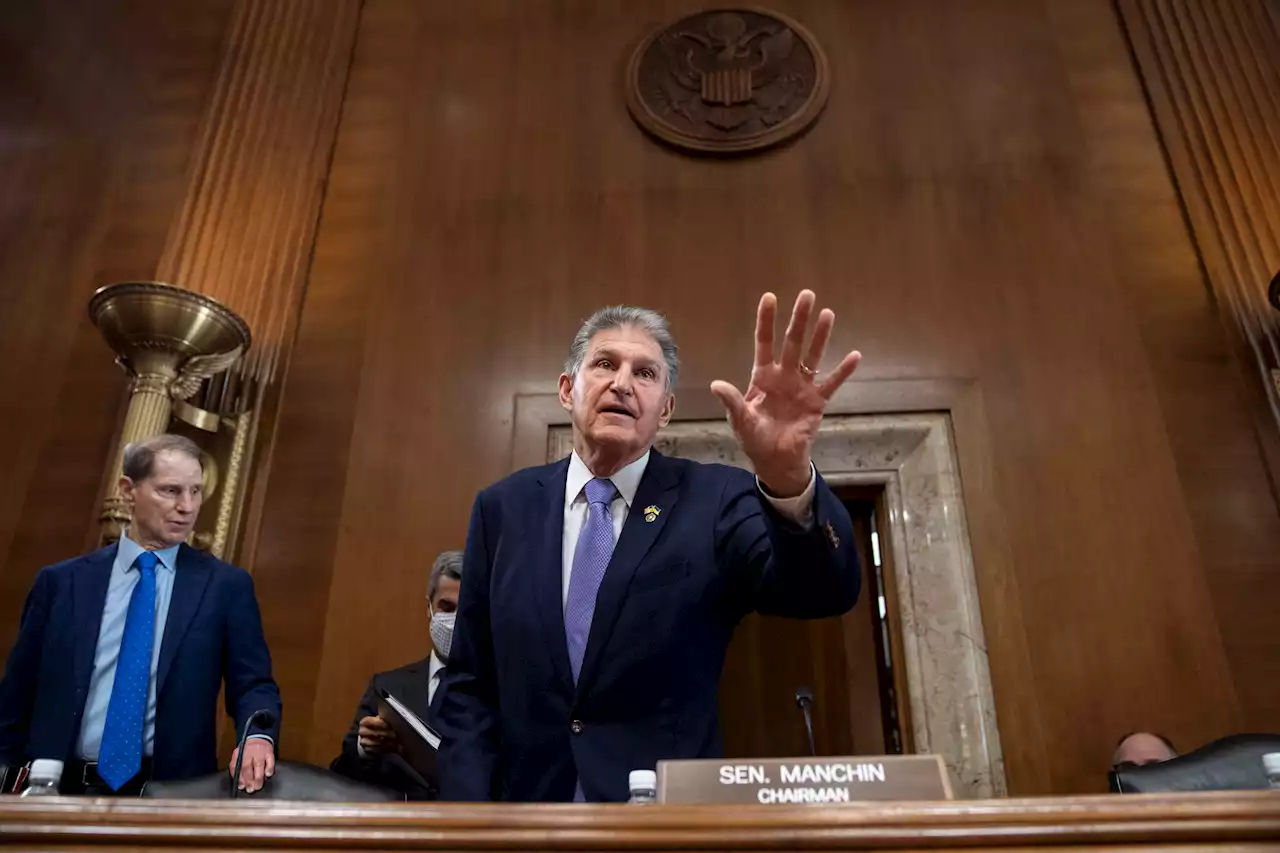 Manchin Vows to Oppose Biden EPA Nominees in Revolt Against Plan to Reduce Climate EmissionsConservative coal baron Sen. Joe Manchin announced that he plans to oppose every single one of Biden’s EPA nominees over an upcoming proposal aimed at addressing the climate crisis by requiring emissions cuts from coal and fossil gas power plants.
Read more »
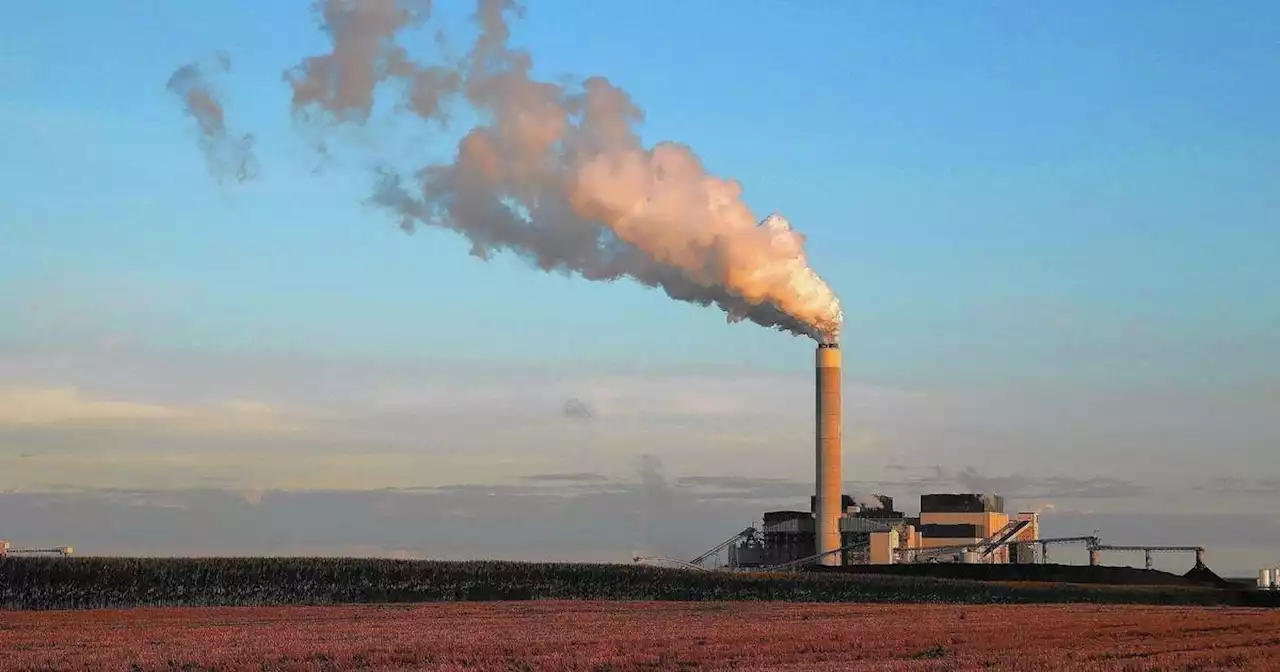 New EPA regulations could force power plants to install new technology or stop using coal and gasIn Illinois, the biggest outlier is a coal-fired plant in southern Illinois owned by five Chicago suburbs and dozens of other municipalities in Midwest and Mid-Atlantic states.
Read more »
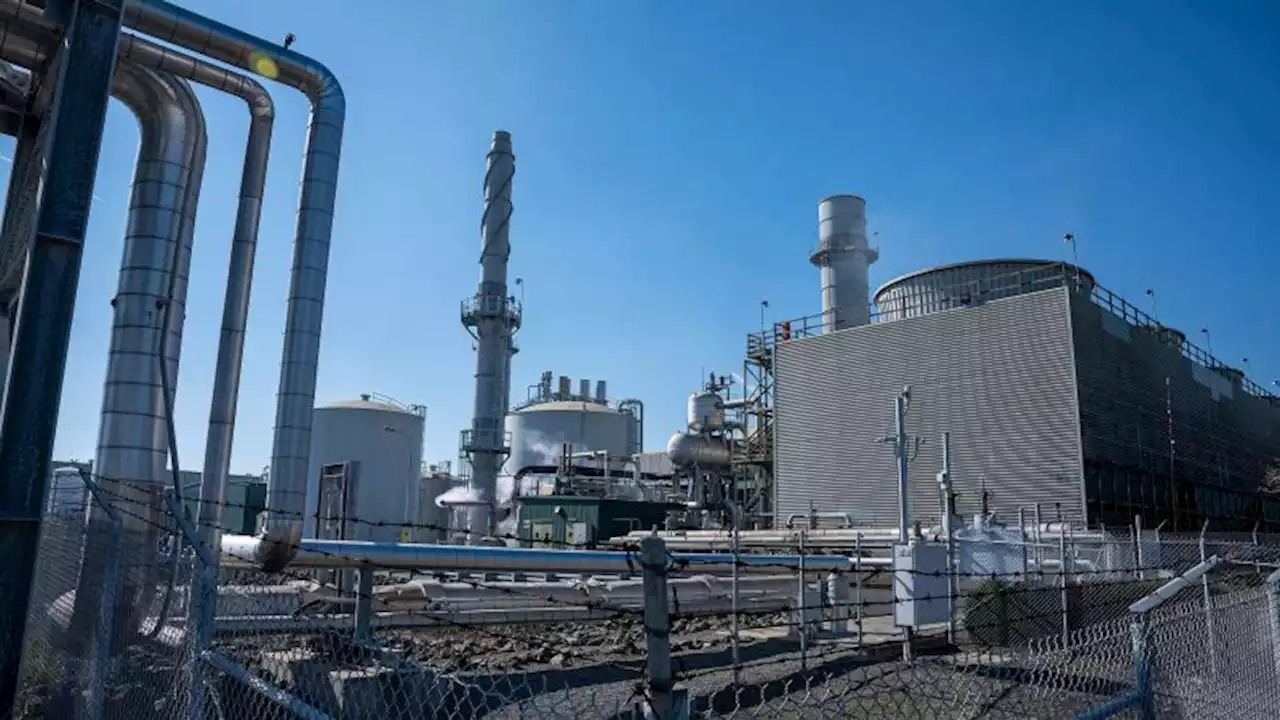 EPA proposes new rules that would dramatically slash planet-warming pollution from power plants | CNN PoliticsThe rules would apply to the nation's fleet of existing and new power plants that run on coal and natural gas -- two major fossil fuels that are the root cause of the climate crisis.
Read more »
 EPA: New pollution limits proposed for US coal, gas power plants reflect ‘urgency’ of climate crisisIf finalized, the proposed regulation would mark the first time the federal government has restricted carbon dioxide emissions from existing power plants, which generate about 25% of U.S. greenhouse gas pollution.
Read more »
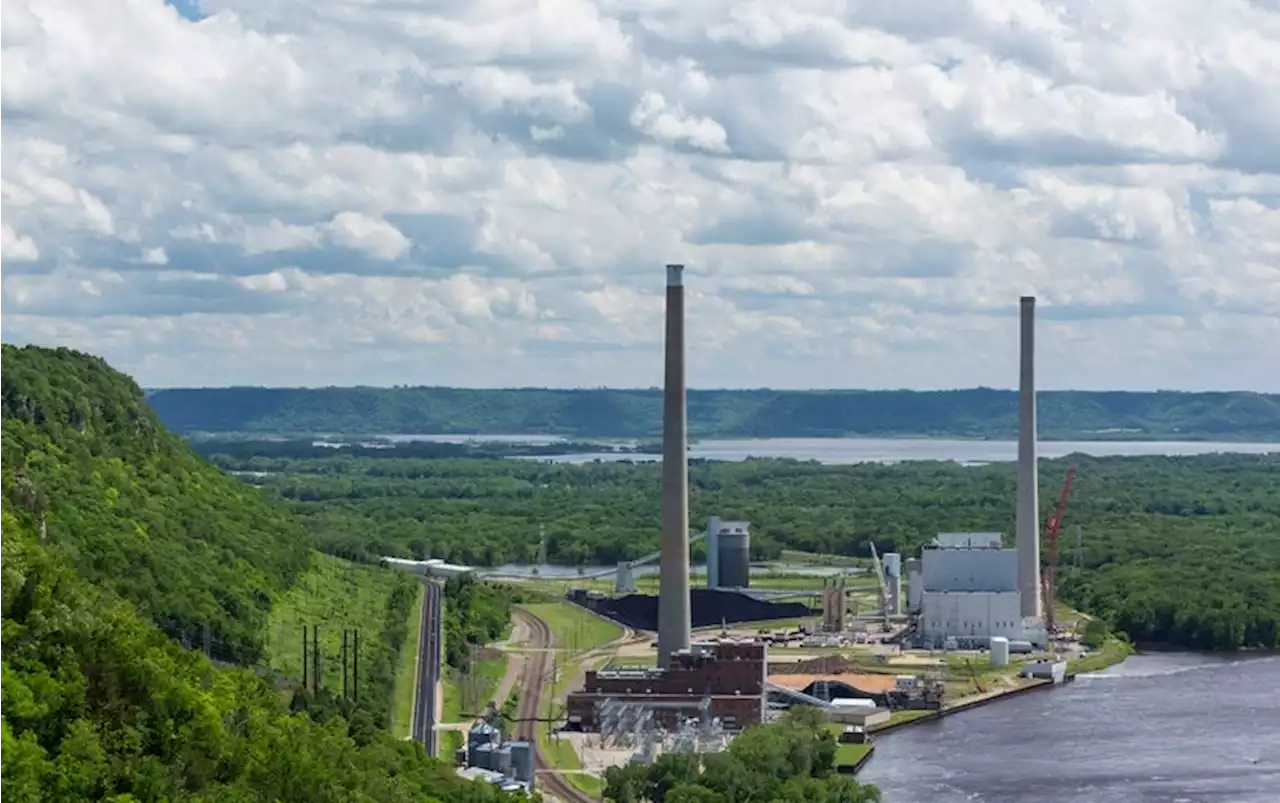 New EPA Rules Would Slash Power Plant EmissionsThe EPA has announced new draft rules that would require power plants that burn fossil fuels to capture 90 percent of their climate-warming emissions
Read more »