
Learn how a brain-computer interface allowed a paralyzed patient to guide a quadcopter through a virtual course by thinking of moving their fingers.
Learn how a brain-computer interface allowed a paralyzed patient to guide a quadcopter through a virtual course by thinking of moving their fingers.Innovative technology linked with the brain is already helping restore the quality of life for many disabled individuals, such as one paralyzed patient who piloted a virtual drone by simply thinking.
This breakthrough in neurotechnology, detailed in a recent study, demonstrates the exciting possibilities becoming available for those with motor impairments who want to enjoy recreational activities like playing video games., was founded on paralyzed individuals' desire to engage in hobbies like sports or gaming, activities that may normally be difficult due to loss of movement in the body. By designing a brain-computer interface to address this issue, researchers have made tremendous progress in showing how people who have developed physical impairments can enjoy games and socialize with friends in unprecedented ways.in all four limbs) caused by a spinal cord injury. The BCI separated the hand into three finger groups: the thumb and two pairs of fingers . To link this technology to the brain, electrodes are attached to the motor cortex and then exit the skin to be connected to a computer. “It takes the signals created in the motor cortex that occur simply when the participant tries to move their fingers and uses an artificial neural network to interpret what the intentions are to control virtual fingers in the simulation,” said Matthew Willsey, a University of Michigan professor of neurosurgery and first author of the study, in a The signals are then sent to the computer and control the movement of a quadcopter through a virtual obstacle course. The participant involved in the study was tasked to complete the course, which involved maneuvering the drone through multiple rings as quickly and as accurately as possible., which intend to determine how people with tetraplegia can use a neural interface to control assistive devices and navigate communication software. The trials represent a critical opportunity for those with neurological injuries or diseases that inhibit the ability to use both hands: this includes cervical spinal cord injury, brainstem stroke, muscular dystrophy, and ALS among other conditions. The paralyzed participant has worked with researchers as far back as 2016, and expressed a particular interest in flying the virtual drone. A major theme of the study's results was the sense of enablement that the BCI gave the participant. He voiced his enthusiasm to complete the quadcopter sessions, as they made him feel like he could figuratively rise up out of his bed or chair.Previous BCIs have tested movement through point-and-click cursors and robotic arms that can grasp objects, but this newly developed BCI targets more complex finger control that could allow a paralyzed individual to perform activities like playing a musical instrument or using a digital video game controller. The possibilities for BCIs to give disabled patients access to a wider range of activities are growing as neurotechnology evolves. A noteworthy outcome of this development is that these people will feel more connected with others, fostering a healthy level of socialization and helping them overcome barriers related to their disability that sometimes go unnoticed. “People tend to focus on restoration of the sorts of functions that are basic necessities — eating, dressing, mobility — and those are all important,” said Jaimie Henderson, a professor of neurosurgery at Stanford University and a co-author of the study. “But oftentimes, other equally important aspects of life get short shrift, like recreation or connection with peers. People want to play games and interact with their friends.”use peer-reviewed studies and high-quality sources for our articles, and our editors review for scientific accuracy and editorial standards. Review the sources used below for this article:Jack Knudson is an assistant editor at Discover with a strong interest in environmental science and history. Before joining Discover in 2023, he studied journalism at the Scripps College of Communication at Ohio University and previously interned at Recycling Today magazine.
United States Latest News, United States Headlines
Similar News:You can also read news stories similar to this one that we have collected from other news sources.
 Harriette Cole: The deadline is coming up, and I feel paralyzedThe thought that I might fail is overwhelming.
Read more »
 Decades-Long Battle Ends for Man Paralyzed in 2004 ShootingJuan Gaxiola-Chavez, paralyzed in a shooting outside Castlemont High School in Oakland in 2004, died at age 35 from complications related to the gunshot wound. He lived for 20 years on a ventilator and spent his days communicating with loved ones and appreciating international cuisines.
Read more »
 World’s oldest person Tomiko Itooka dies; Brazilian nun now world’s oldest personJustin Boggs is a writer for the E.W. Scripps company. Justin covers anything from politics to sports and entertainment.
Read more »
 Second Person Charged in Shooting of Paralyzed ATF AgentTia Heyward, 23, was arrested and charged with aiding Christopher Smith, 18, in the shooting of Special Agent Matthew Murray during a Dec. 27 altercation. Murray, an off-duty ATF agent, remains in critical condition after being shot in the back of the neck.
Read more »
 Brain Stimulation Restores Sense of Touch to Paralyzed PatientsNew research using electrical brain stimulation has enabled two patients with paralysis to temporarily regain their sense of touch, even feeling textures, edges, and motion. This breakthrough uses implanted electrodes to stimulate specific brain regions, mimicking the sensations of holding objects and controlling a robotic arm.
Read more »
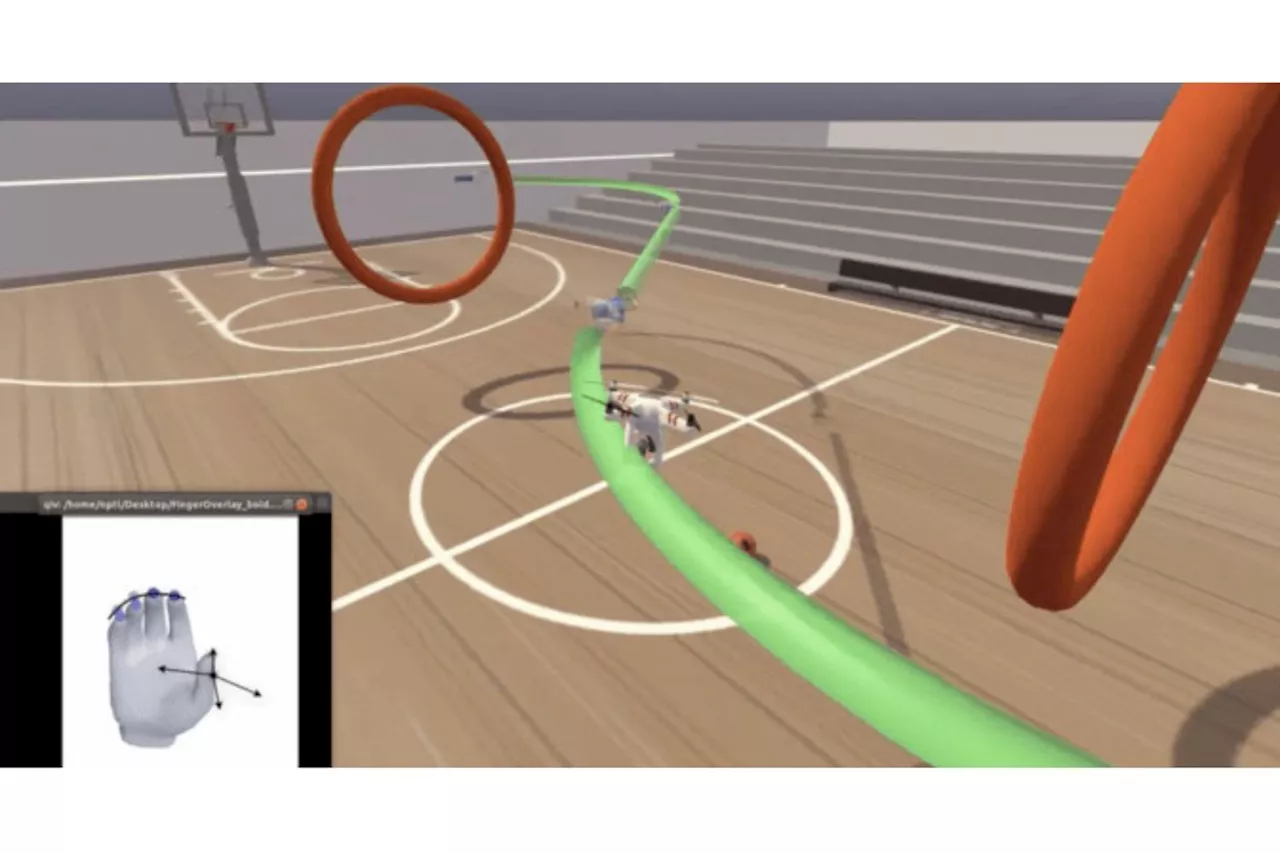 Brain Implant Allows Paralyzed Man to Control Drone with His ThoughtsNeurosurgeons from Stanford and Brown University implanted microelectrodes in the brain of a paralyzed research participant, allowing him to pilot a virtual drone through a video game-like obstacle course using only his thoughts. This breakthrough technology holds significant implications for enabling people with paralysis to regain autonomous movement and enjoy activities previously inaccessible to them.
Read more »