
NASA has revealed the innovative IPEx (In-Situ Resource Utilization Pilot Excavator) robot designed for lunar mining. The system will efficiently dig and transport lunar regolith, unlocking essential resources for human exploration and establishing a sustainable presence on the Moon.
NASA has unveiled the workings of its moon mining robot, the In-Situ Resource Utilization Pilot Excavator (IPEx), which will play a crucial role in lunar exploration. This robotic system is designed to facilitate lunar digging, enabling humans to extract vital resources directly from the Moon's surface. IPEx functions as both a bulldozer and a dump truck, its primary task being the efficient mining and transportation of lunar regolith – the loose, rocky material covering the Moon.
This regolith holds the potential to yield essential resources such as hydrogen, oxygen, and even water.The IPEx project is a testament to NASA's commitment to utilizing cutting-edge technology to achieve its lunar exploration goals. By reducing dependence on Earth-supplied resources, IPEx is a vital component of NASA's strategy to establish a sustainable human presence on the Moon and beyond. Jason Schuler, IPEx Project Manager and Principal Investigator at Kennedy Space Center, emphasized this by stating, 'The IPEx project is a testament to NASA’s commitment to leveraging cutting-edge technology to achieve its goals for lunar exploration. By reducing reliance on Earth-supplied resources, IPEx is a critical component of NASA’s strategy to establish a sustainable human presence on the Moon and beyond,'IPEx employs a novel design featuring rotating, hollow cylinders with scoops called bucket drums. These drums work in a counter-rotating manner, reducing force feedback and enabling the lightweight system to operate efficiently in the Moon's weak gravity. Notably, this robotic system has the potential to excavate up to 10,000 kg of regolith in a single lunar day, equivalent to the weight of 20 adult elephants. This represents a significant leap from previous missions that only collected tens of kilograms. This substantial excavation capability is crucial for future In-Situ Resource Utilization (ISRU) operations. Oxygen extracted directly from lunar regolith could be utilized for life support, fuel, and other necessities for long-term human presence on the Moon. Eugene Schwanbeck, IPEx Program Element Manager, explained the innovative design, stating, 'The innovative design of counter-rotating bucket drums, which dig simultaneously in opposing directions, enables IPEx to maintain a low mass while efficiently addressing the challenges of reduced gravity excavation.'Furthermore, IPEx will be equipped with advanced technology to enhance its performance. NASA has revealed some key subsystems, including a Camera and Dust Mitigation System for navigation and clear vision, a Mobility System for traversing the lunar surface using wheels, a Thermal Control System to maintain safe operating temperatures, and a Regolith Delivery System with rotating bucket drums and arms to collect and transport lunar soil. IPEx will also leverage advanced algorithms to optimize its performance and reliability. Designed for adaptability, IPEx employs a modular design, particularly in its actuators. This modular approach, according to NASA, 'reduces complexity and cost while ensuring that the system can operate effectively both on Earth for testing and on the lunar surface.'Last year in March, NASA tested the autonomy of this robotic system in navigating the Moon's challenging environment. The team conducted trials of autonomous driving methods in a simulated lunar rock yard that replicated the challenging lighting and terrain conditions.Lunar mining robots like IPEx will play a vital role in extracting resources from the Moon. They will dig up regolith and transport it to a processing plant where valuable resources will be extracted for life support, fuel, and other necessities for human settlements on the Moon.Ultimately, IPEx has the potential to contribute significantly to establishing a permanent human presence not only on the Moon but potentially on Mars as well
NASA Moon Mining Ipex Lunar Regolith In-Situ Resource Utilization (ISRU) Robotics Space Exploration
United States Latest News, United States Headlines
Similar News:You can also read news stories similar to this one that we have collected from other news sources.
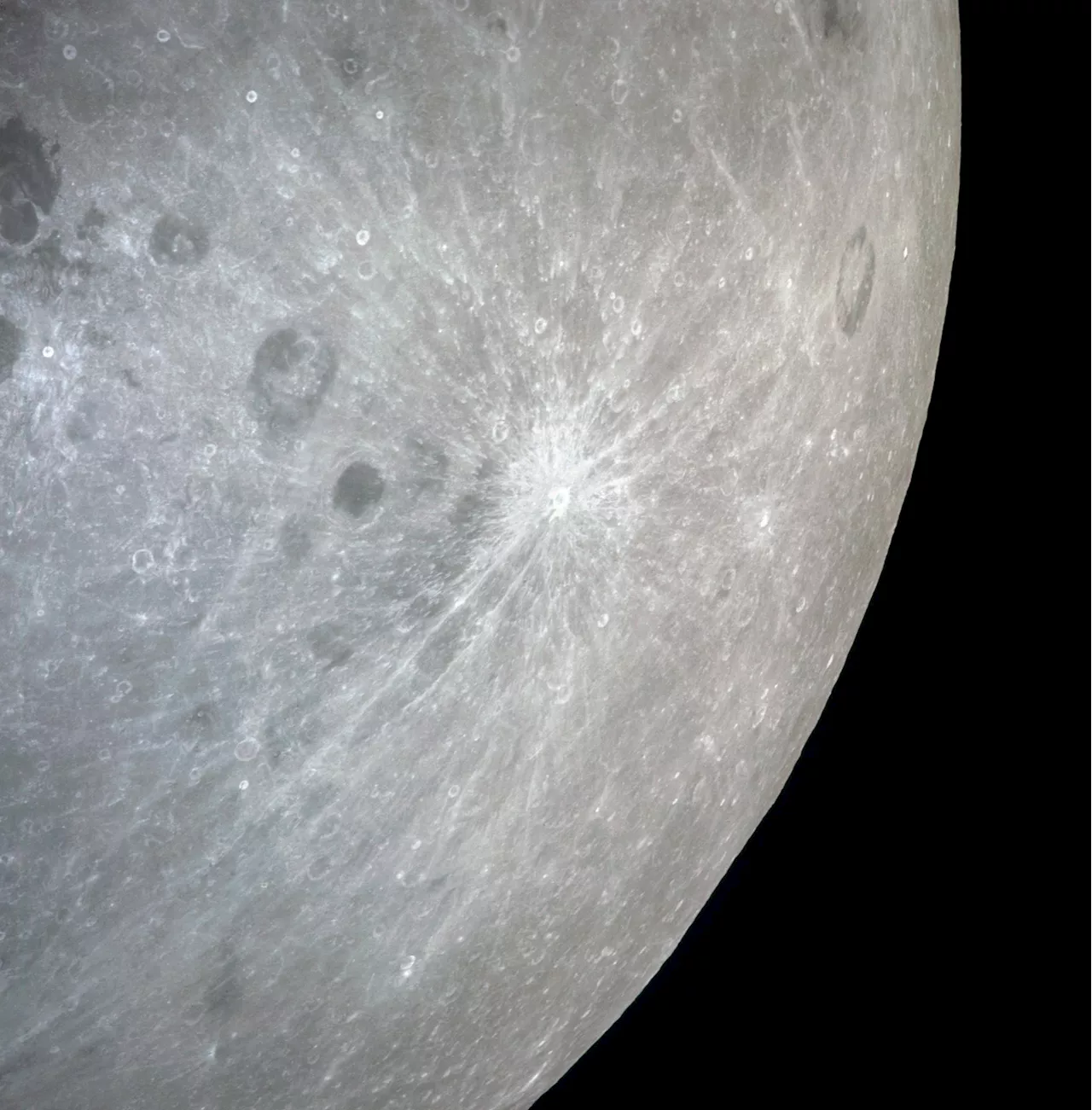 NASA's Commercial Lunar Payload Services Selected for Moon MissionsNASA's Commercial Lunar Payload Services (CLPS) initiative is preparing for commercial deliveries to the Moon starting in 2023, supporting science, technology testing, and human exploration.
Read more »
 January's full Wolf Moon is arriving: What to knowThe full moon will rise on Monday, Jan. 13, according to NASA.
Read more »
 NASA's Lunar Planet Vac to Sample Moon's Resources in 2025NASA is developing the Lunar Planet Vac (LPV), a robotic system designed to autonomously collect and analyze lunar regolith. The LPV will be deployed to the Moon in 2025 as part of the Blue Ghost 1 lunar lander mission, supporting NASA's goal of establishing a sustainable human presence on the Moon.
Read more »
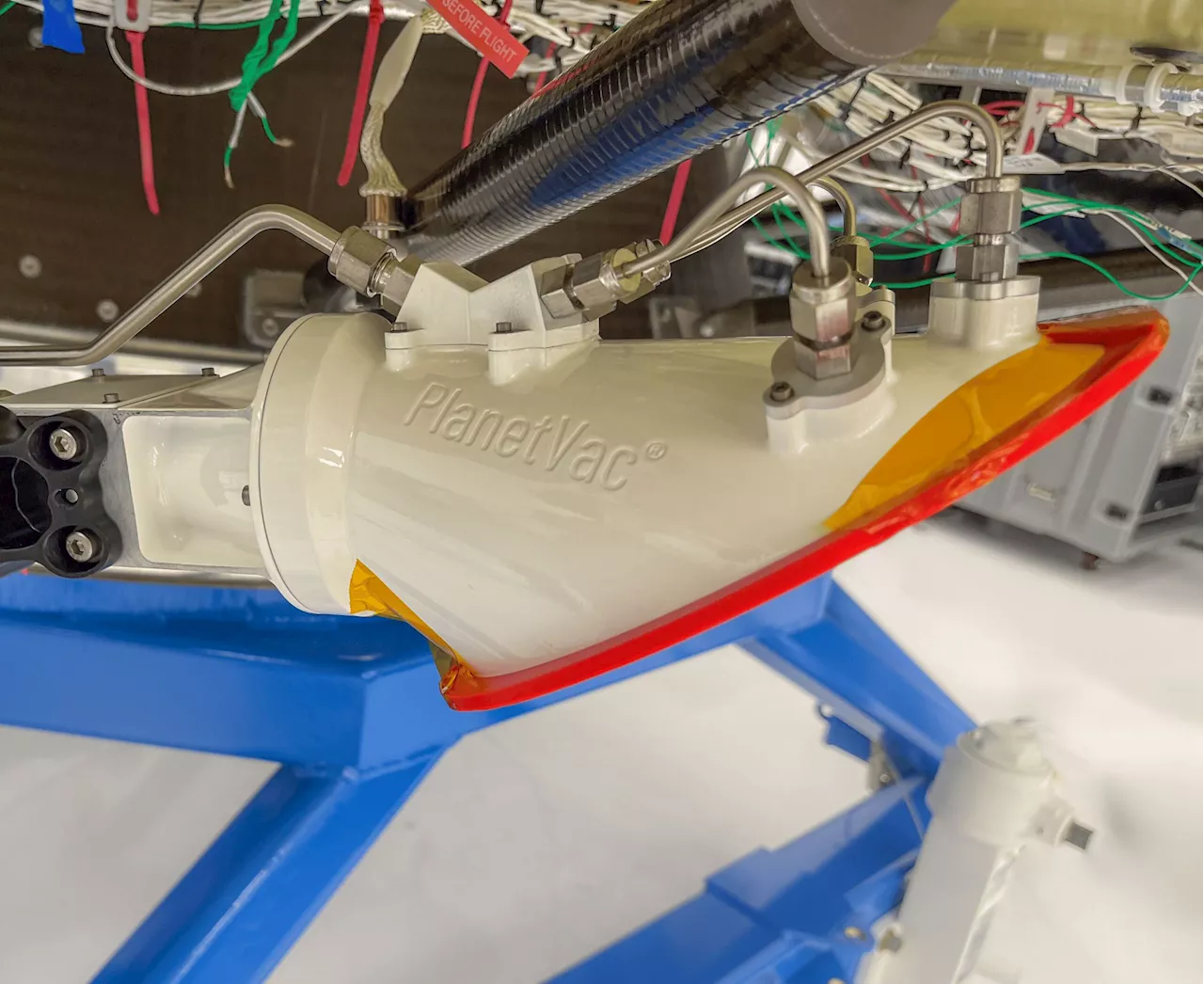 NASA's Lunar Planet Vac: A Vacuum Cleaner for the MoonNASA is developing a novel technology called the Lunar Planet Vac (LPV) to collect lunar regolith for scientific research and resource utilization. The LPV functions like a vacuum cleaner, using compressed gas to stir up the regolith and transfer it to sample containers.
Read more »
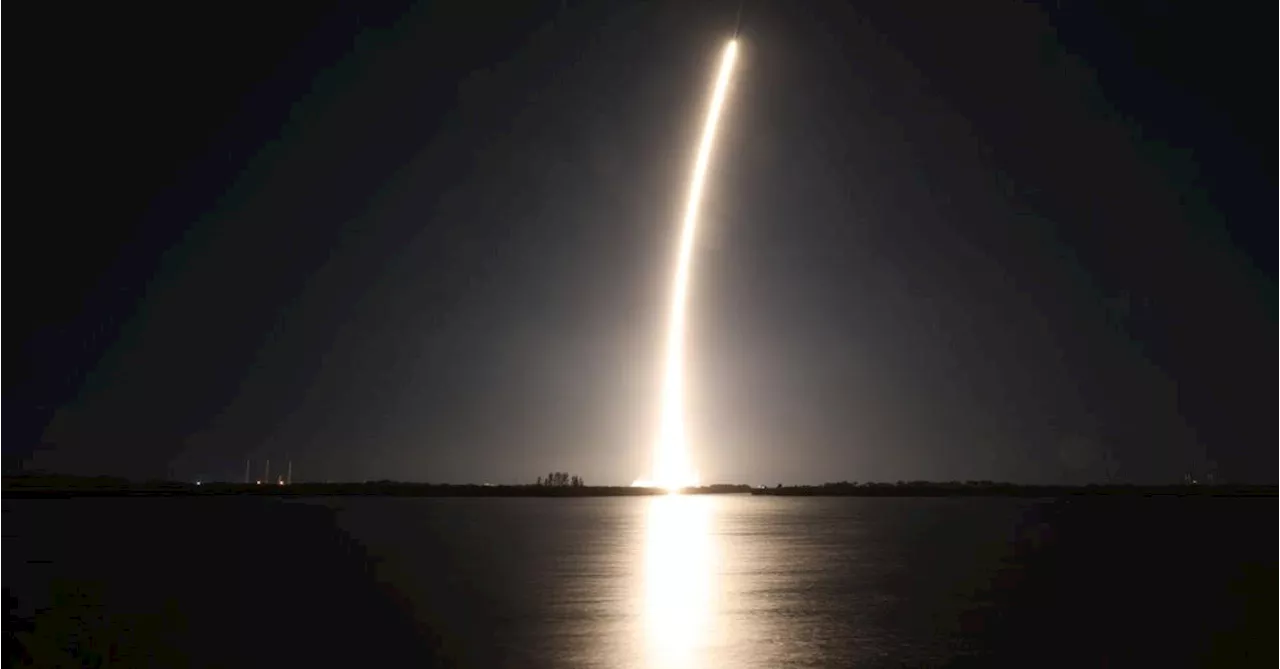 SpaceX Launches Private Moon Landers for NASA's Artemis ProgramA SpaceX Falcon 9 rocket successfully launched two private lunar landers, Blue Ghost and Resilience, into orbit. These landers, built by Firefly Aerospace and iSpace respectively, will gather data on the Moon's environment and test technologies crucial for future astronaut missions under NASA's Commercial Lunar Payload Services (CLPS) initiative. The missions are a key step towards NASA's Artemis program, aiming for a crewed lunar landing in April 2026.
Read more »
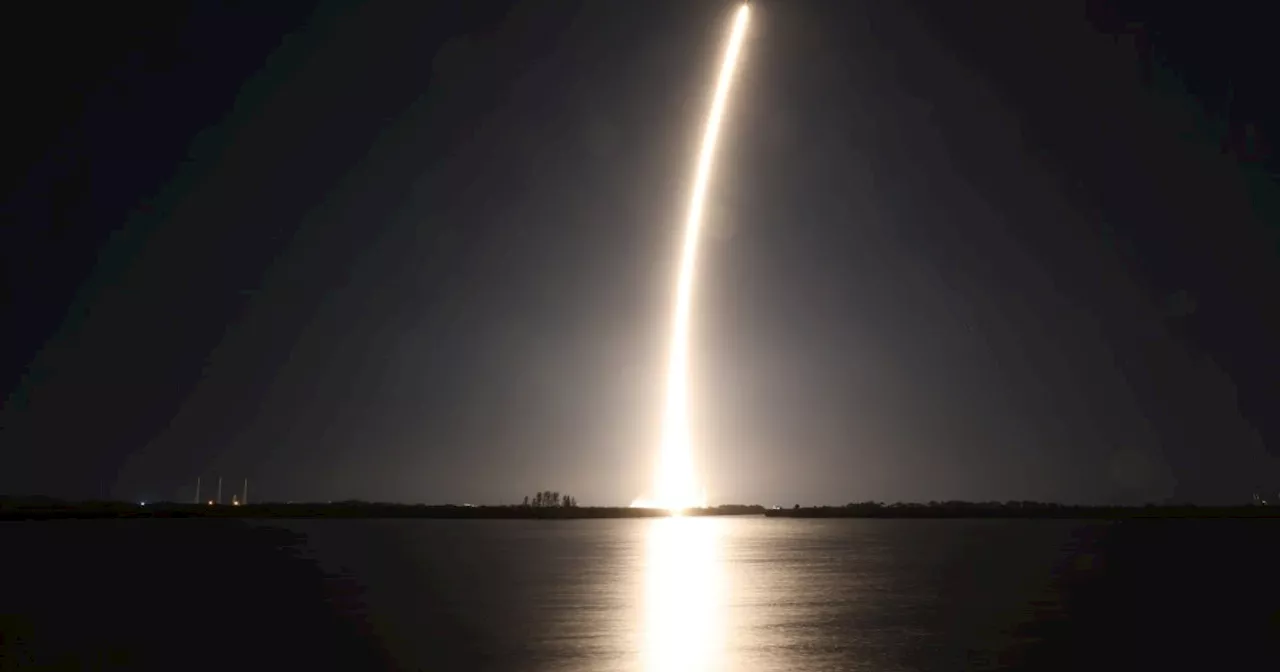 Firefly Aerospace’s Blue Ghost mission launches to the moonA spacecraft carrying NASA instruments has launched on its journey to the moon.
Read more »