
NASA’s G-IV aircraft flew its first mission to test this navigational system from NASA’s Armstrong Flight Research Center in Edwards, California, in December
8 min readThe G-IV aircraft flies overhead in the Mojave Desert near NASA’s Armstrong Flight Research Center in Edwards, California. Baseline flights like this one occurred in June 2024, and future flights in service of science research will benefit from the installment of the Soxnav navigational system, developed in collaboration with NASA’s Jet Propulsion Laboratory in Southern California and the Bay Area Environmental Research Institute in California’s Silicon Valley.
This navigational system provides precise, economical aircraft guidance for a variety of aircraft types moving at high speeds.NASA and its partners recently tested an aircraft guidance system that could help planes maintain a precise course even while flying at high speeds up to 500 mph. The instrument is Soxnav, the culmination of more than 30 years of development of aircraft navigation systems. NASA’s G-IV aircraft flew its first mission to test this navigational system from NASA’s Armstrong Flight Research Center in Edwards, California, in December 2024. The team was composed of engineers from NASA Armstrong, NASA’s Jet Propulsion Laboratory in Southern California, and the Bay Area Environmental Research Institute in California’s Silicon Valley. “The objective was to demonstrate this new system can keep a high-speed aircraft within just a few feet of its target track, and to keep it there better than 90% of the time,” said John Sonntag, BAERI independent consultant co-developer of Soxnav. With 3D automated steering guidance, Soxnav provides pilots with a precision approach aid for landing in poor visibility. Previous generations of navigational systems laid the technical baseline for Soxnav’s modern, compact, and automated iteration. “The G-IV is currently equipped with a standard autopilot system,” said Joe Piotrowski Jr., operations engineer for the G-IV. “But Soxnav will be able to create the exact level flight required for Next Generation Airborne Synthetic Aperture Radar ( Jose “Manny” Rodriguez adjusts the Soxnav instrument onboard the G-IV aircraft in December 2024. As part of the team of experts, Rodriguez ensures that the electronic components of this instrument are installed efficiently. His expertise will help bring the innovative navigational guidance of the Soxnav system to the G-IV and the wider airborne science fleet at NASA. Precision guidance provided by the Soxnav enables research aircraft like the G-IV to collect more accurate, more reliable Earth science data to scientists on the ground.Guided by Soxnav, the G-IV may be able to deliver better, more abundant, and less expensive scientific information. For instance, the navigation tool optimizes observations by AirSAR-NG, an instrument that uses three radars simultaneously to observe subtle changes in the Earth’s surface. Together with the Soxnav system, these three radars provide enhanced and more accurate data about Earth science. “With the data that can be collected from science flights equipped with the Soxnav instrument, NASA can provide the general public with better support for natural disasters, tracking of food and water supplies, as well as general Earth data about how the environment is changing,” Piotrowski said. Ultimately, this economical flight guidance system is intended to be used by a variety of aircraft types and support a variety of present and future airborne sensors. “The Soxnav system is important for all of NASA’s Airborne Science platforms,” said Fran Becker, project manager for the G-IV AirSAR-NG project at NASA Armstrong. “The intent is for the system to be utilized by any airborne science platform and satisfy each mission’s goals for data collection.” In conjunction with the other instruments outfitting the fleet of airborne science aircraft, Soxnav facilitates the generation of more abundant and higher quality scientific data about planet Earth. With extreme weather events becoming increasingly common, quality Earth science data can“Soxnav enables better data collection for people who can use that information to safeguard and improve the lives of future generations,” Sonntag said.NASA’s Cloud-based Confluence Software Helps Hydrologists Study Rivers on a Global Scale
Armstrong Flight Research Center B200 Earth Science Jet Propulsion Laboratory
United States Latest News, United States Headlines
Similar News:You can also read news stories similar to this one that we have collected from other news sources.
 Canada Rare Earth to Acquire 70% Stake in Laos Rare Earth RefineryCanada Rare Earth (TSX.V: LL) has signed a memorandum of understanding to purchase 70% of a fully permitted rare earth refinery in Laos. The refinery, with a production capacity of 3,000 tonnes per year, is expected to be operational by Q4 2025 after modest refurbishments. The company aims to secure offtake agreements and investment to support the refinery's operation and ensure a stable supply of key rare earth oxides.
Read more »
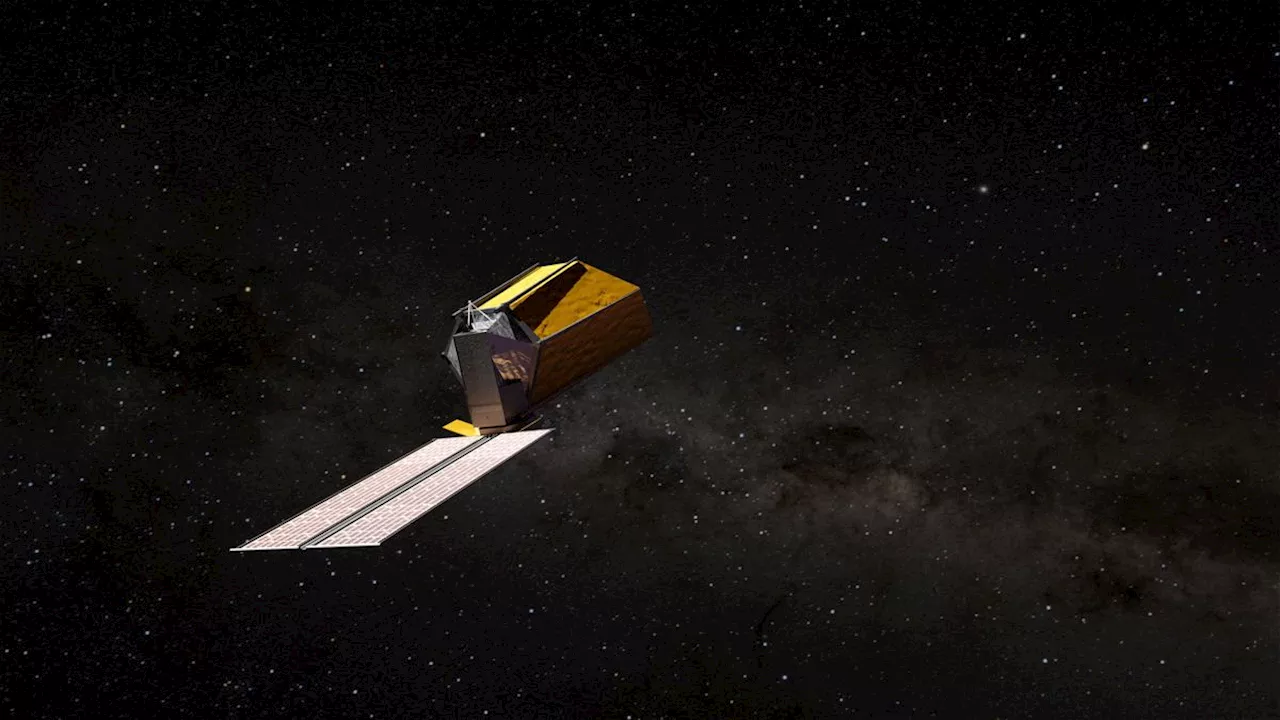 NASA's Habitable Worlds Observatory: A Quest to Find Life Beyond EarthNASA is developing a powerful new space telescope called the Habitable Worlds Observatory (HWO), designed to search for signs of life on distant planets. The observatory will be equipped with cutting-edge technology, including a super-sensitive coronagraph, to detect Earth-sized planets orbiting other stars. Scientists hope that HWO will launch between 2030 and 2040 and will revolutionize our understanding of the prevalence of life in the universe.
Read more »
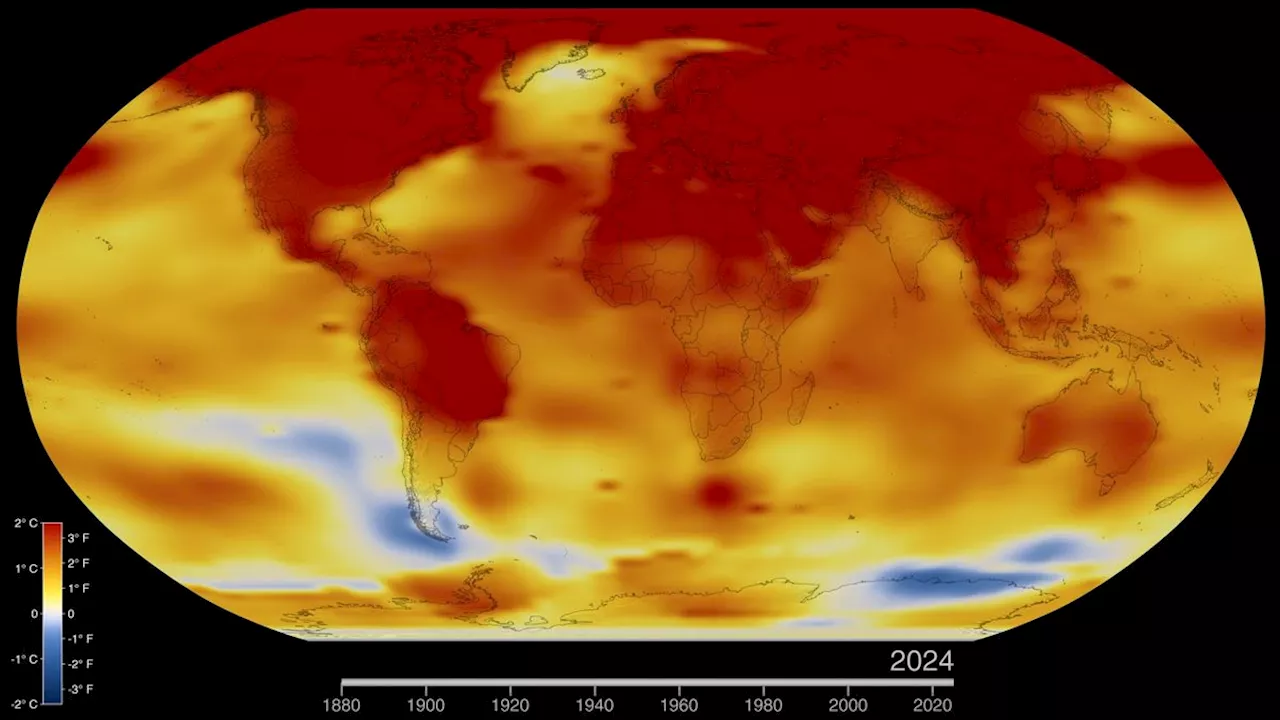 Our warming Earth: 2024 was hottest year on record, NASA saysSpace.com contributing writer Stefanie Waldek is a self-taught space nerd and aviation geek who is passionate about all things spaceflight and astronomy.
Read more »
 Alien: Earth Teaser Unveils Xenomorph Crash Towards EarthFX's new 'Alien' series, 'Alien: Earth', premieres on Hulu this summer, promising a terrifying continuation of the sci-fi horror franchise. A teaser reveals a xenomorph crash landing a spaceship on Earth, setting the stage for a desperate fight for survival.
Read more »
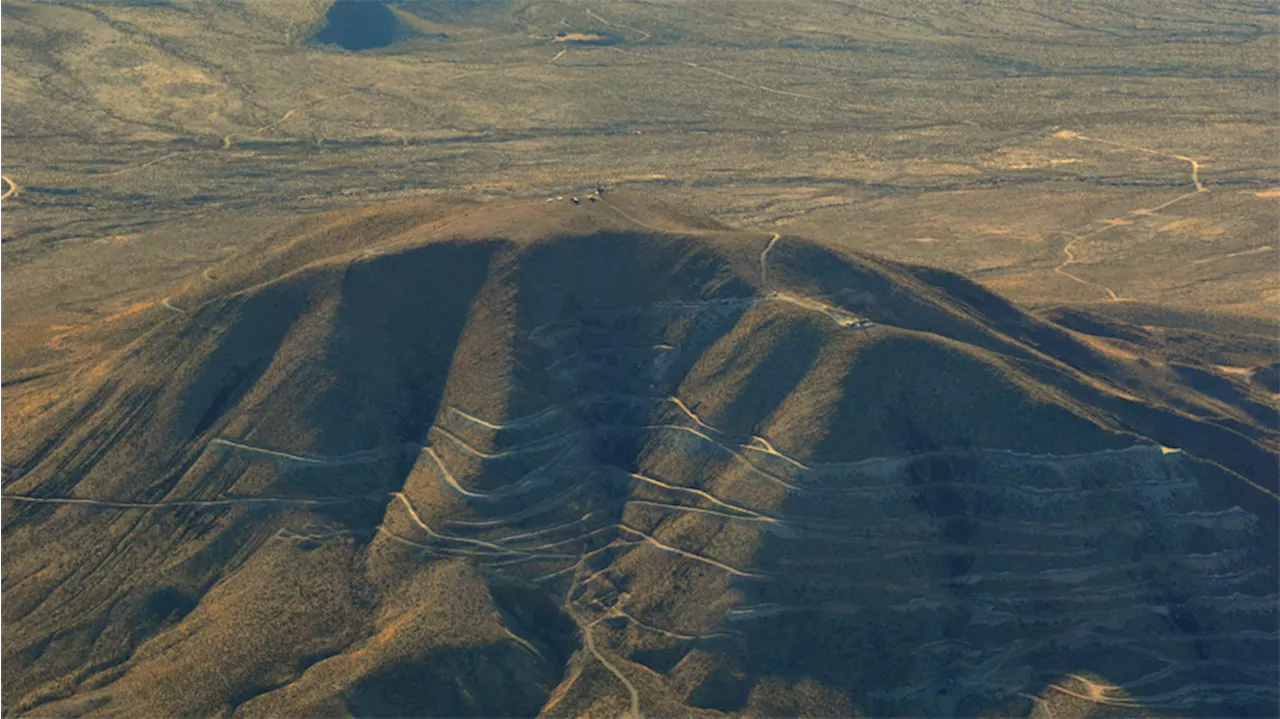 USA Rare Earth Achieves Breakthrough in Domestic Rare Earth ProductionUSA Rare Earth successfully produces high-purity dysprosium oxide from its Texas Round Top deposit, marking a significant advancement in domestic rare earth production.
Read more »
 Alien: Earth Explores Xenomorphs on a Familiar PlanetThe upcoming Alien: Earth series delves into a new chapter of the iconic franchise, bringing the terrifying xenomorphs to Earth for the third time. The show explores the aftermath of a spacecraft crash, raising questions about the origins of the xenomorphs on our planet and the potential for a wider, hidden history of their presence.
Read more »